
August 7 – September 21, 2025
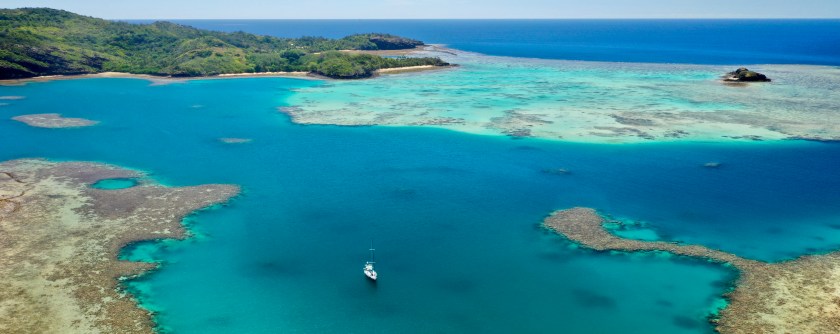
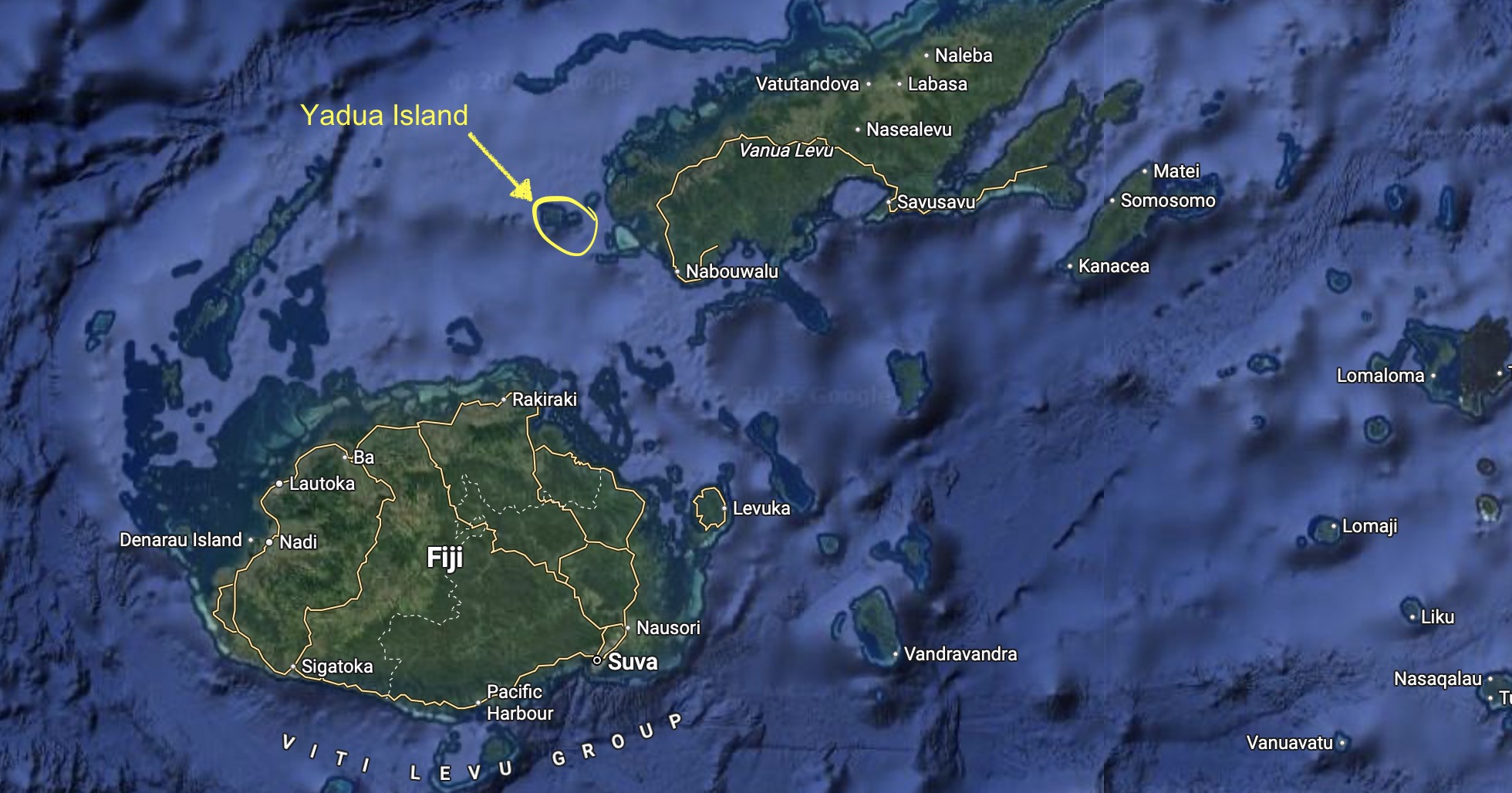
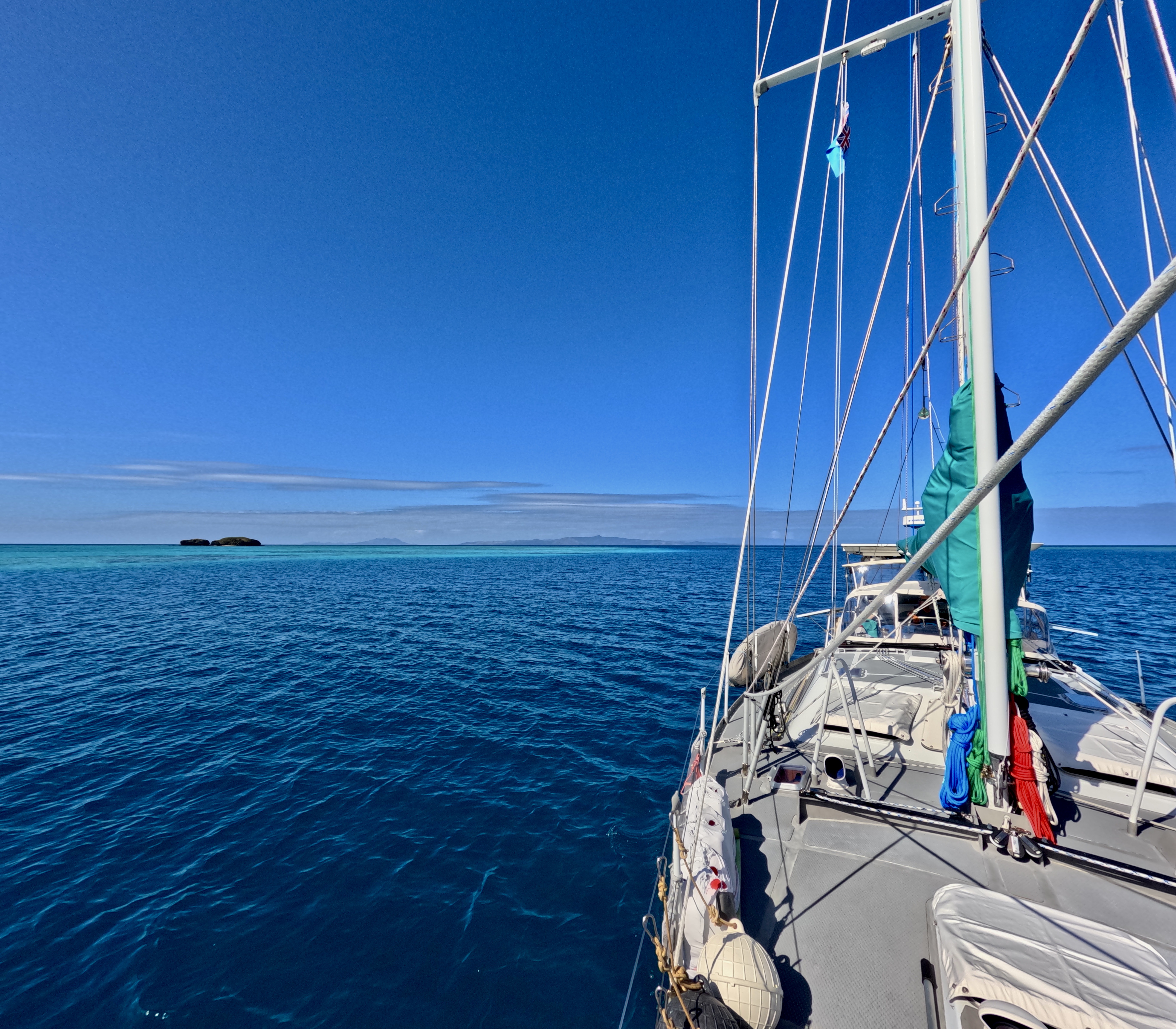
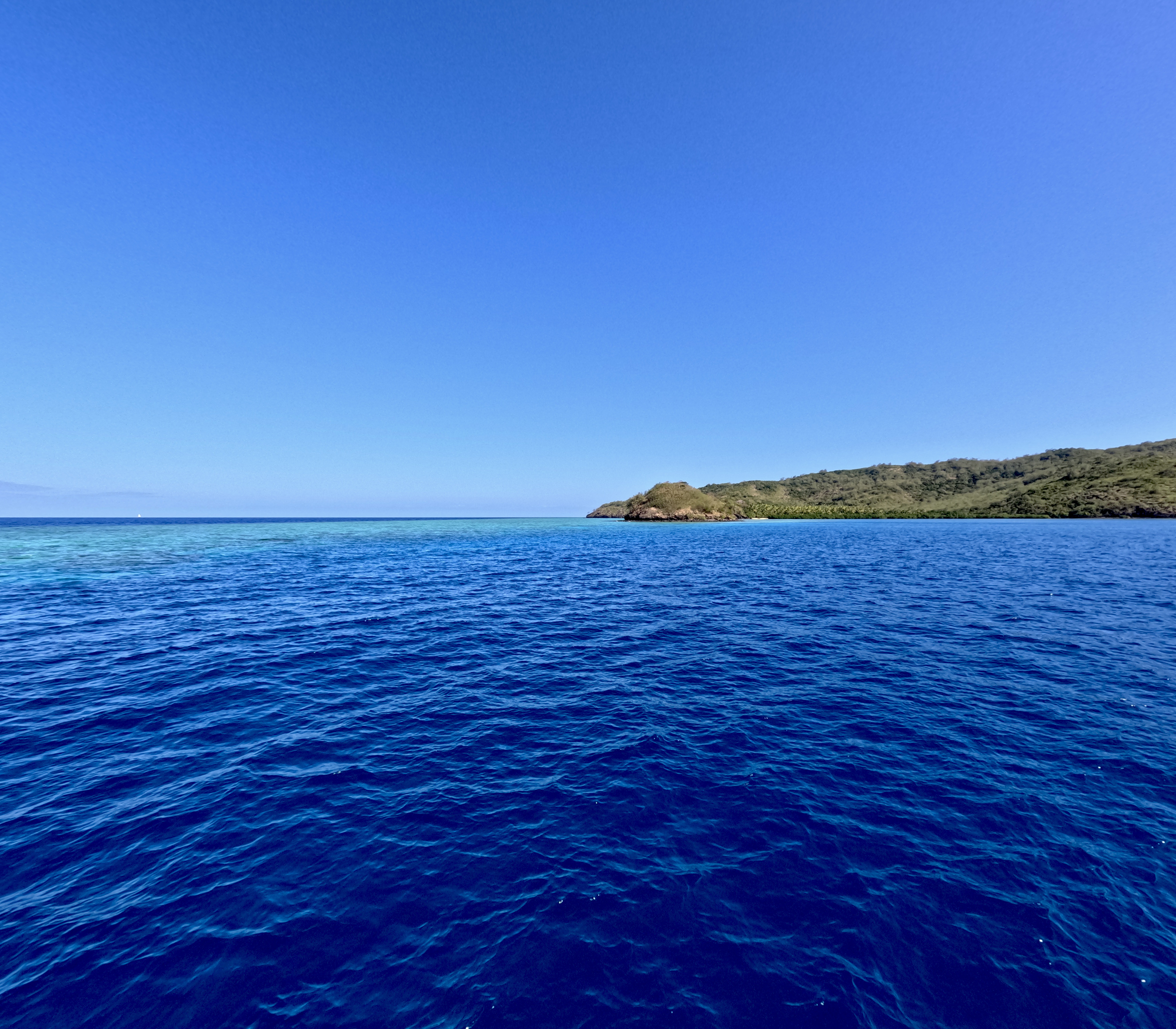
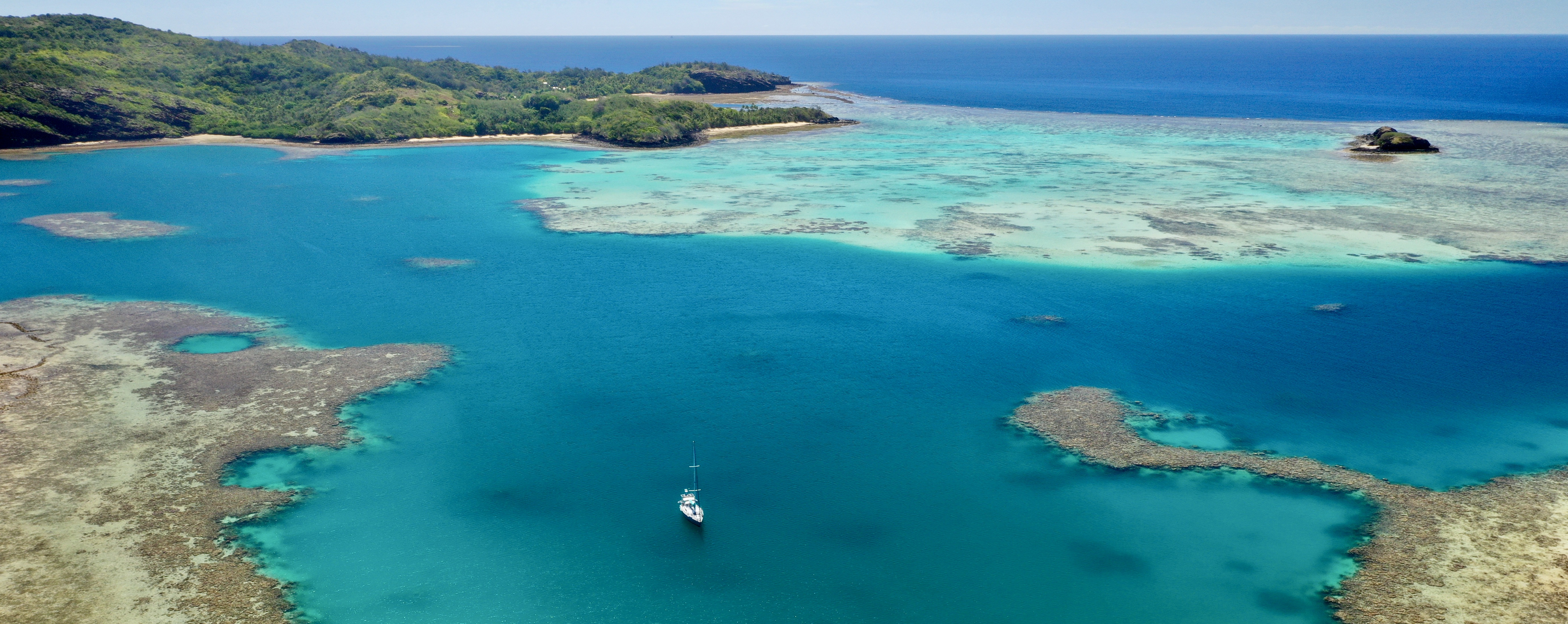
Three days after arriving at Bua, we picked up anchor and headed for Yadua Island, a tiny amoeba shaped speck of land sitting just off the western tip of Vanua Levu. Not more than about half a mile across, its heavily vegetated, craggy surface has a maximum elevation of just under two hundred feet.
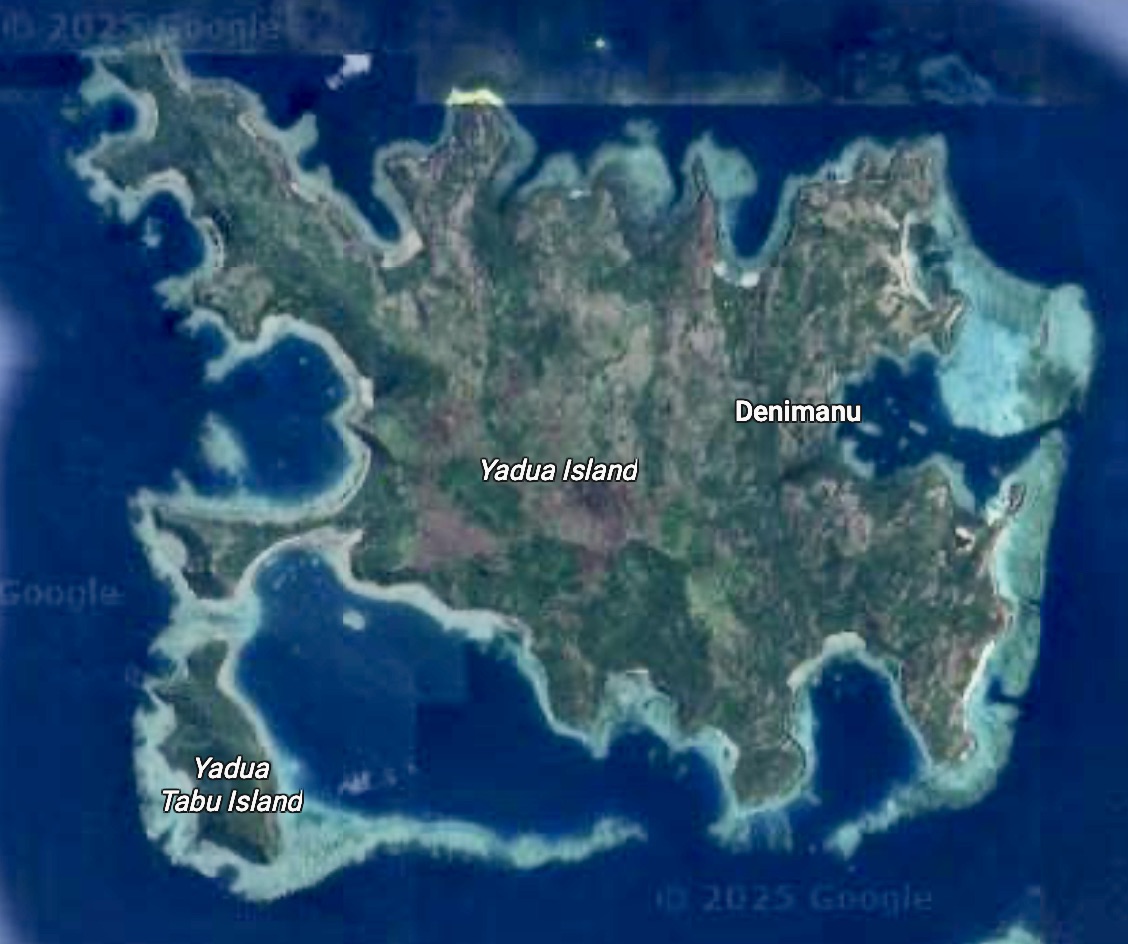
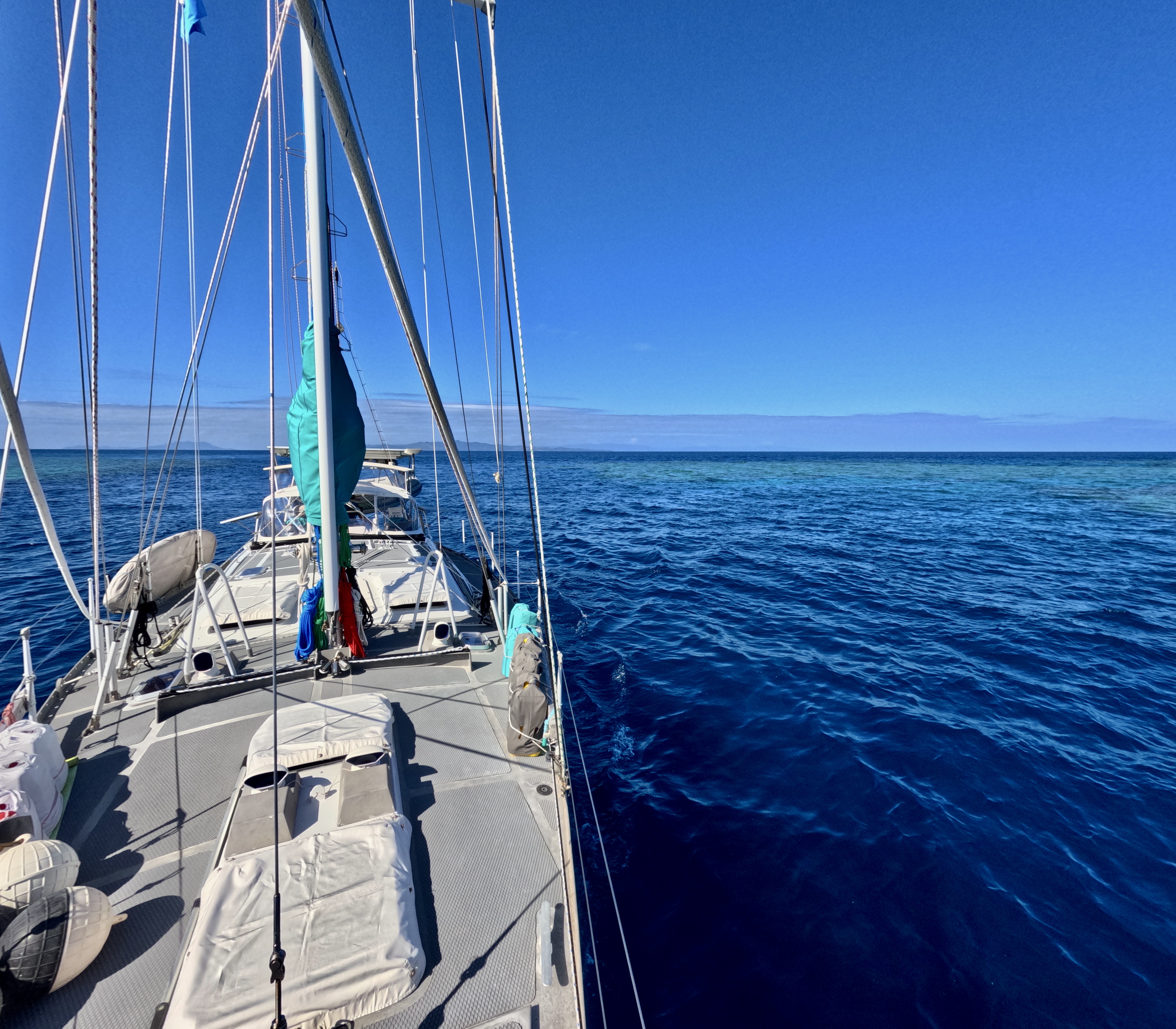
After a quiet four and a half hour sail, we slipped through the intimidatingly narrow pass into Navi Laca Bay, on the eastern side of Yadua Island.
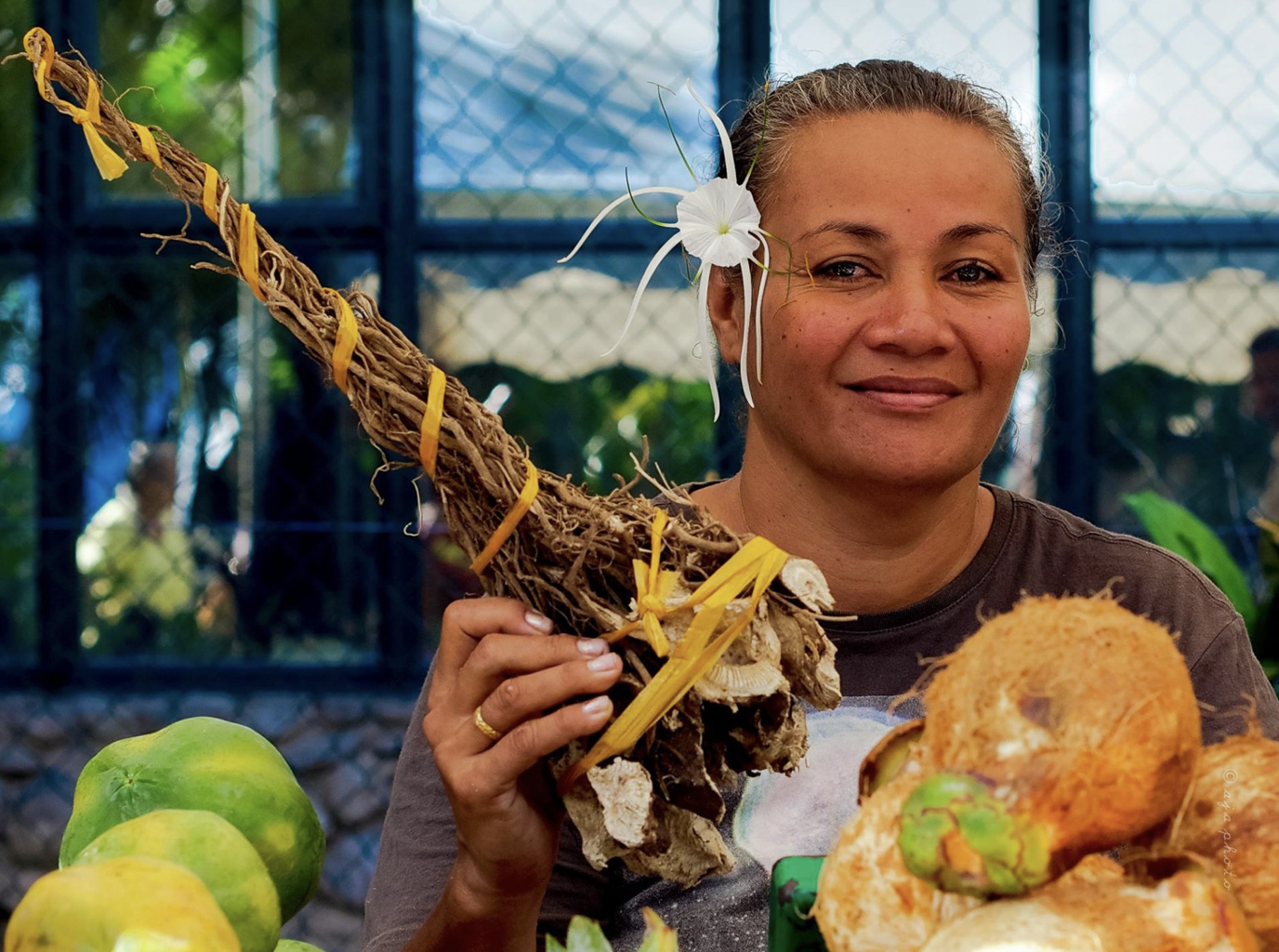
This would be the first place we were visiting that required us to present sevusevu, a Fijian custom in which one must request a blessing from the village chief to visit the land and surrounding waters of an area. Basically asking permission to anchor, swim, dive, and fish. The offering is usually a small bundle of Kava, which we had purchased earlier from the farmers market in Savusavu.
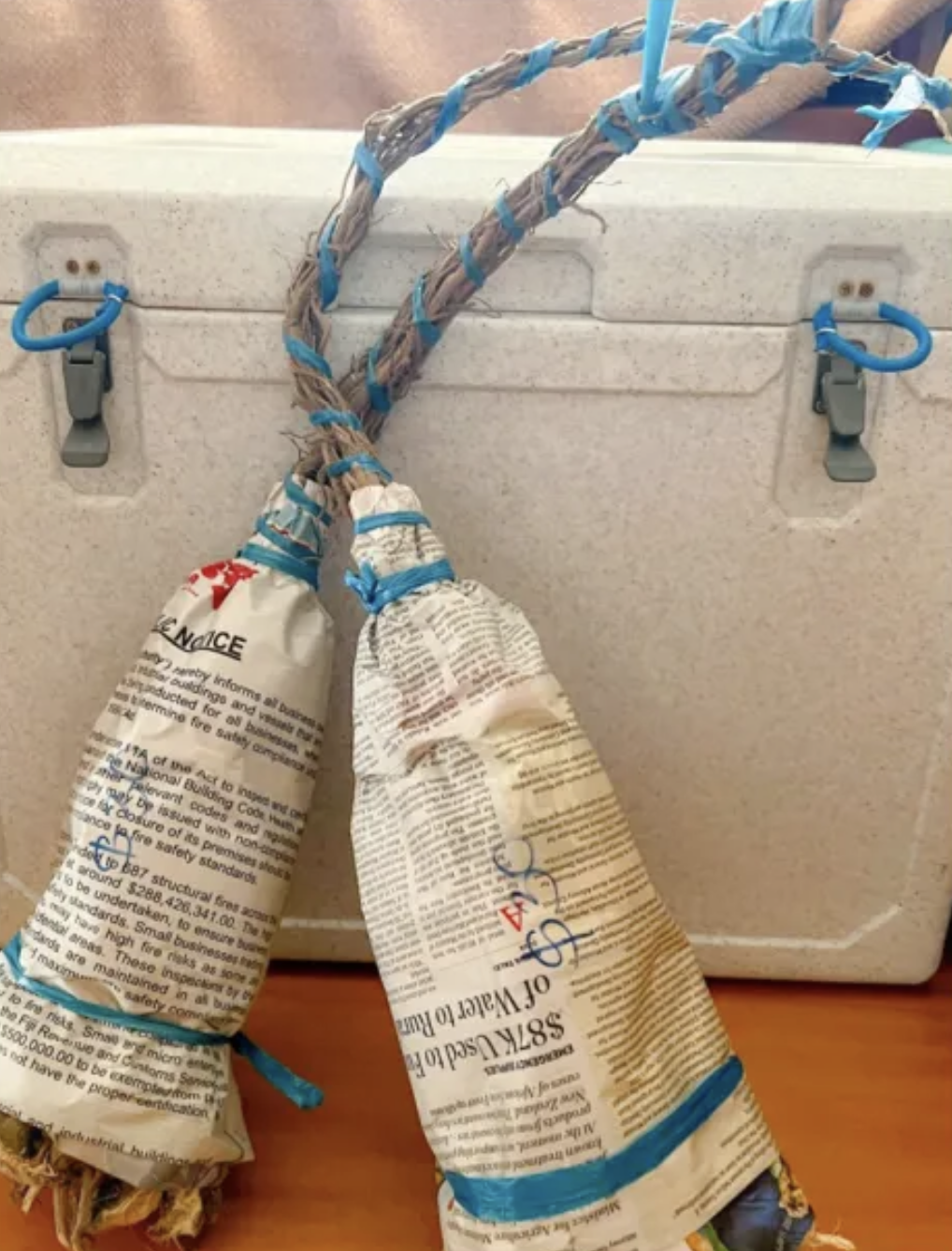
However, in order to present sevusevu, we first had to get to Denimanu, the larger of two small villages on Yadua. It turned out to only be a fifteen minute or so walk along over the hill…but that time frame assumes you know where you are going.
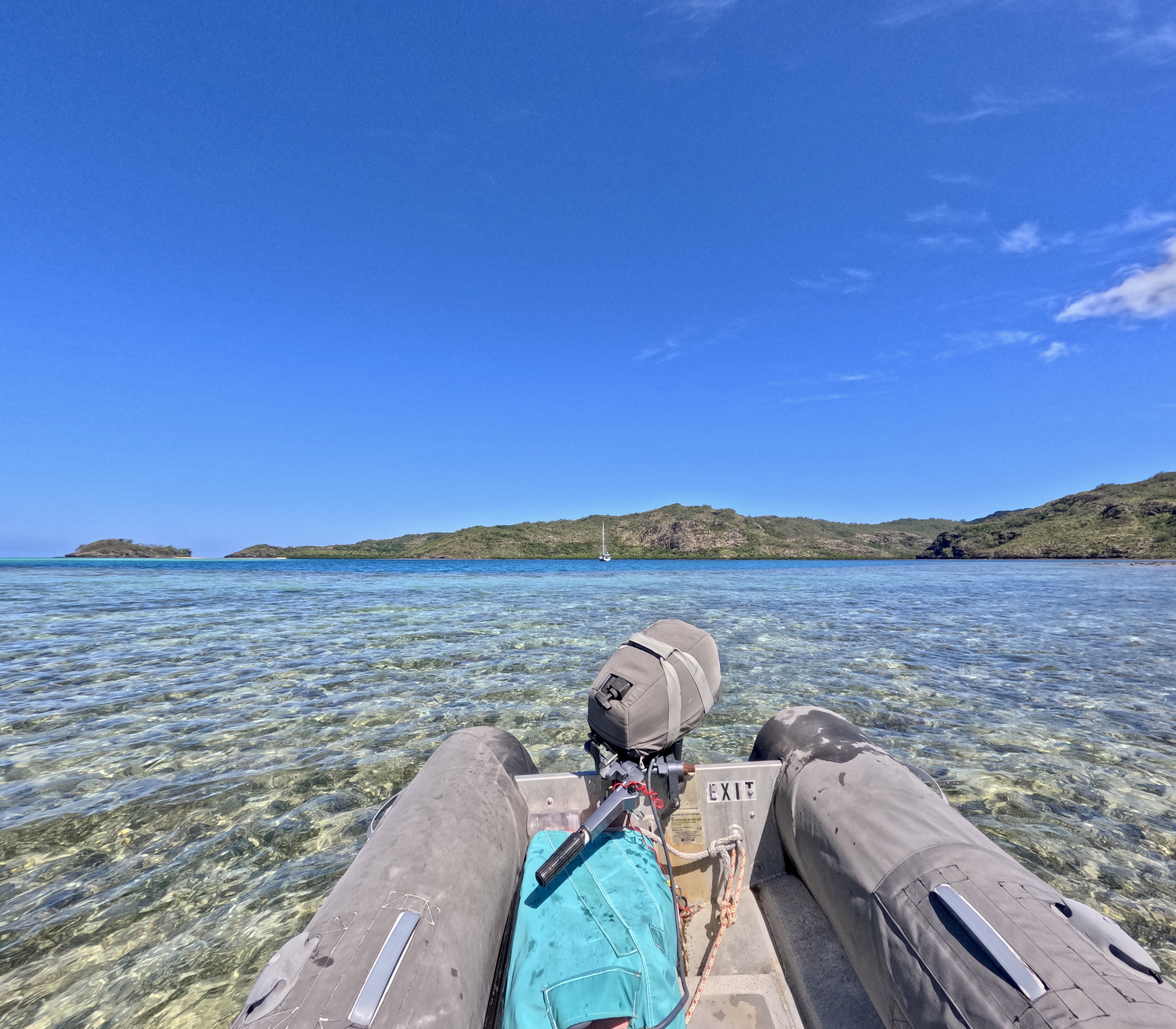
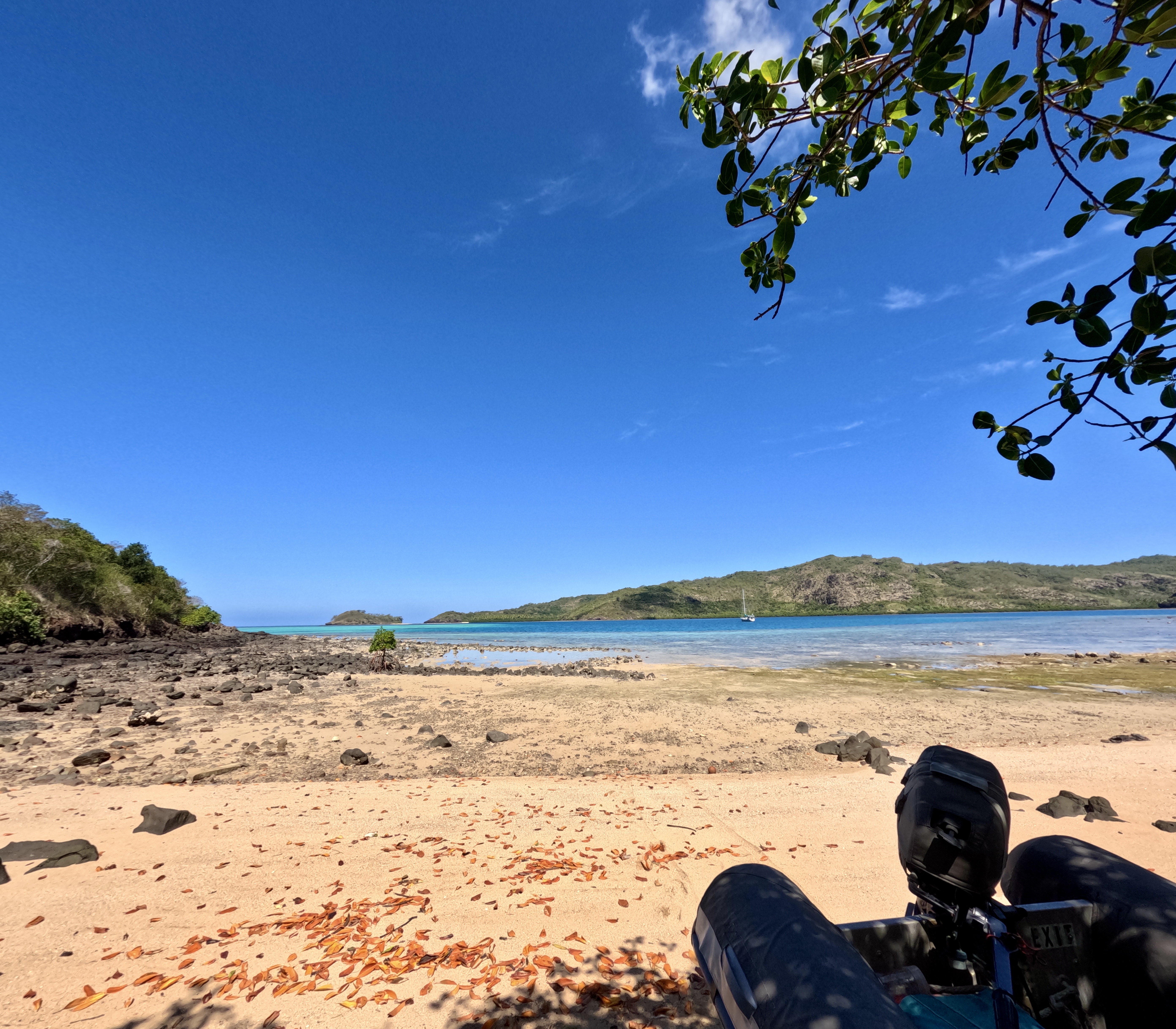
For people who had never visited the island before, this required finding a landing site at the beach for the dinghy over a quite shallow bit of rock and coral…
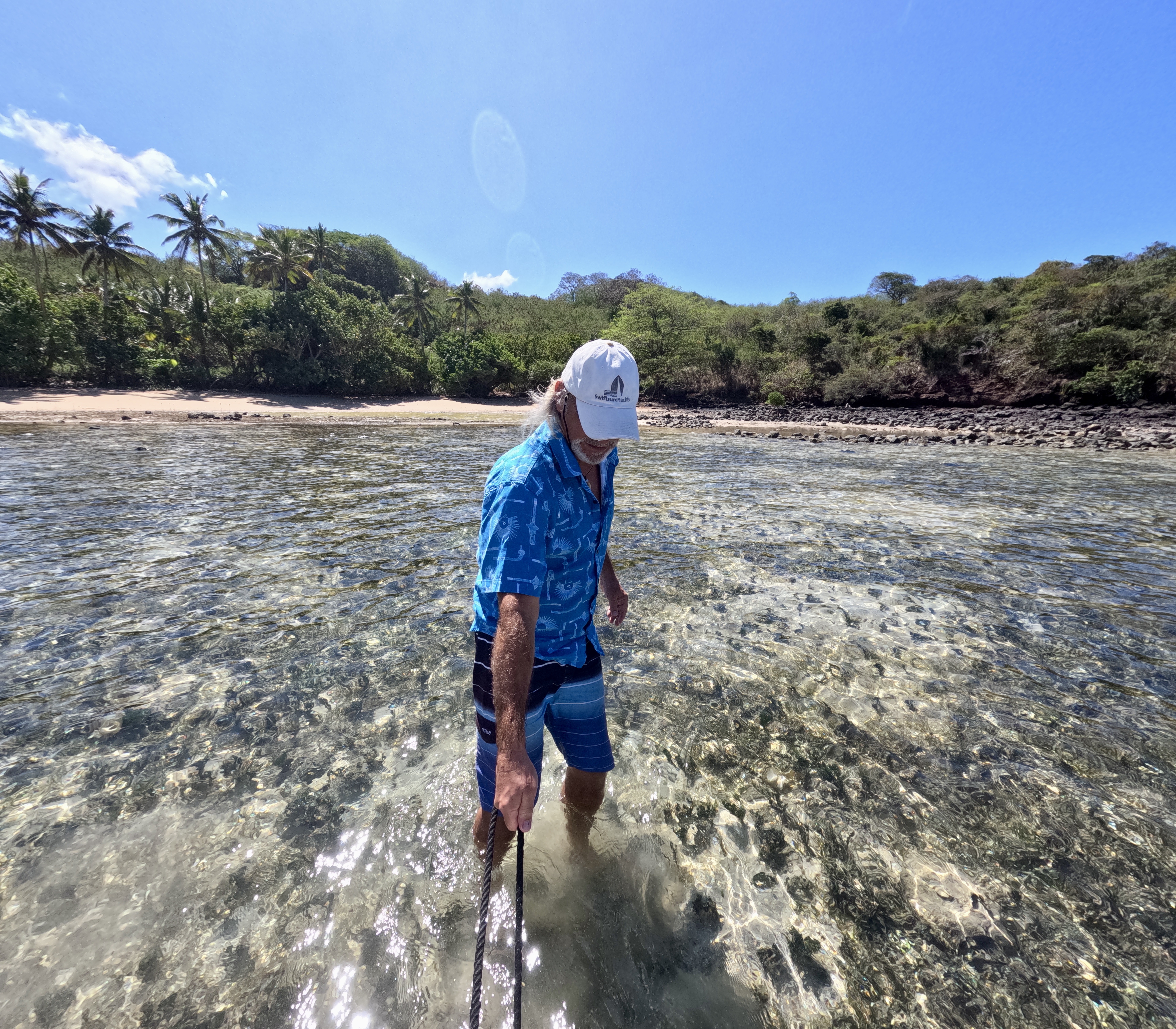
…followed by a meander up the hill until we stumbled upon small gardens of some sort – what we assumed were farming plots that belonged to the village.
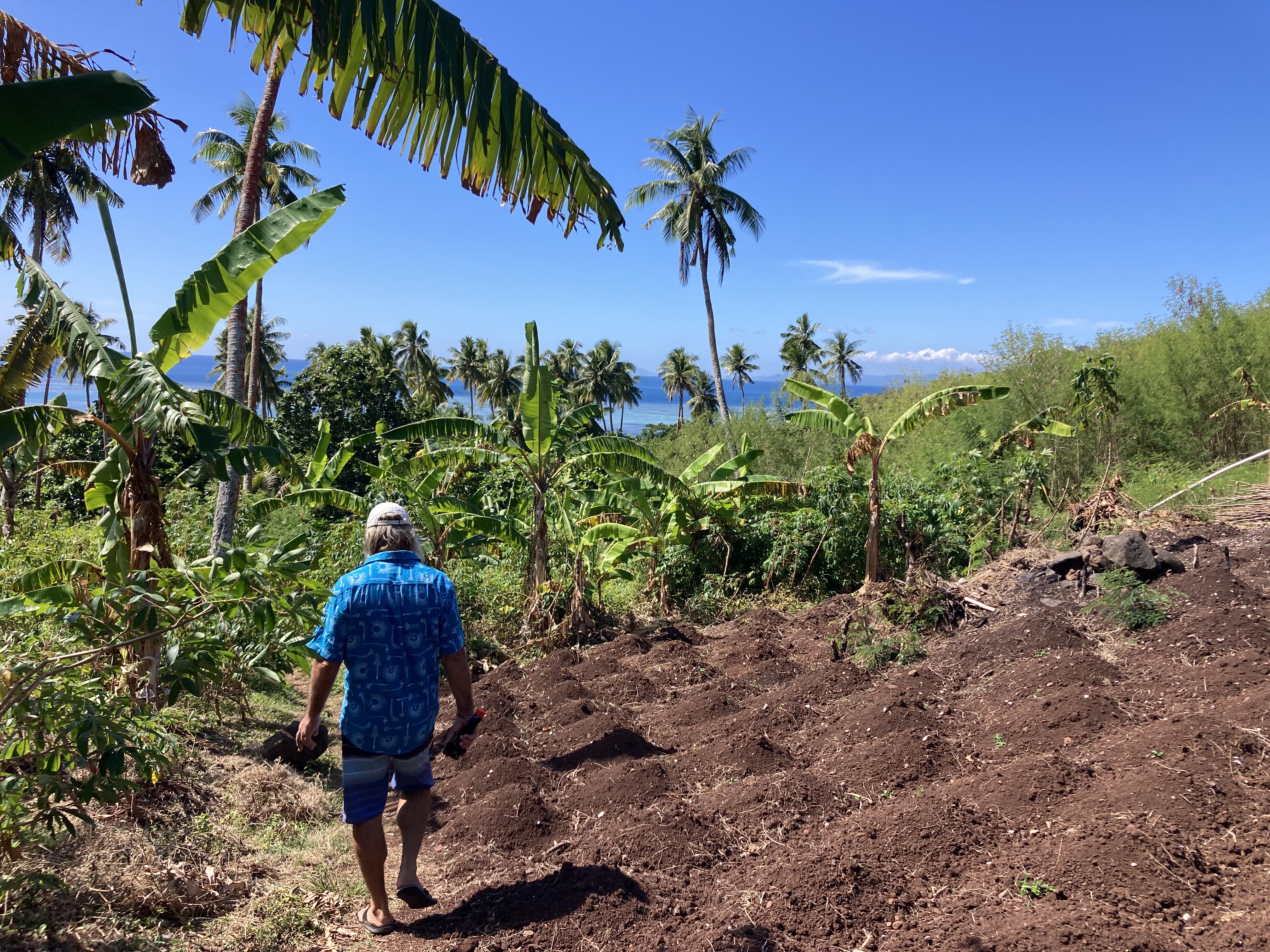
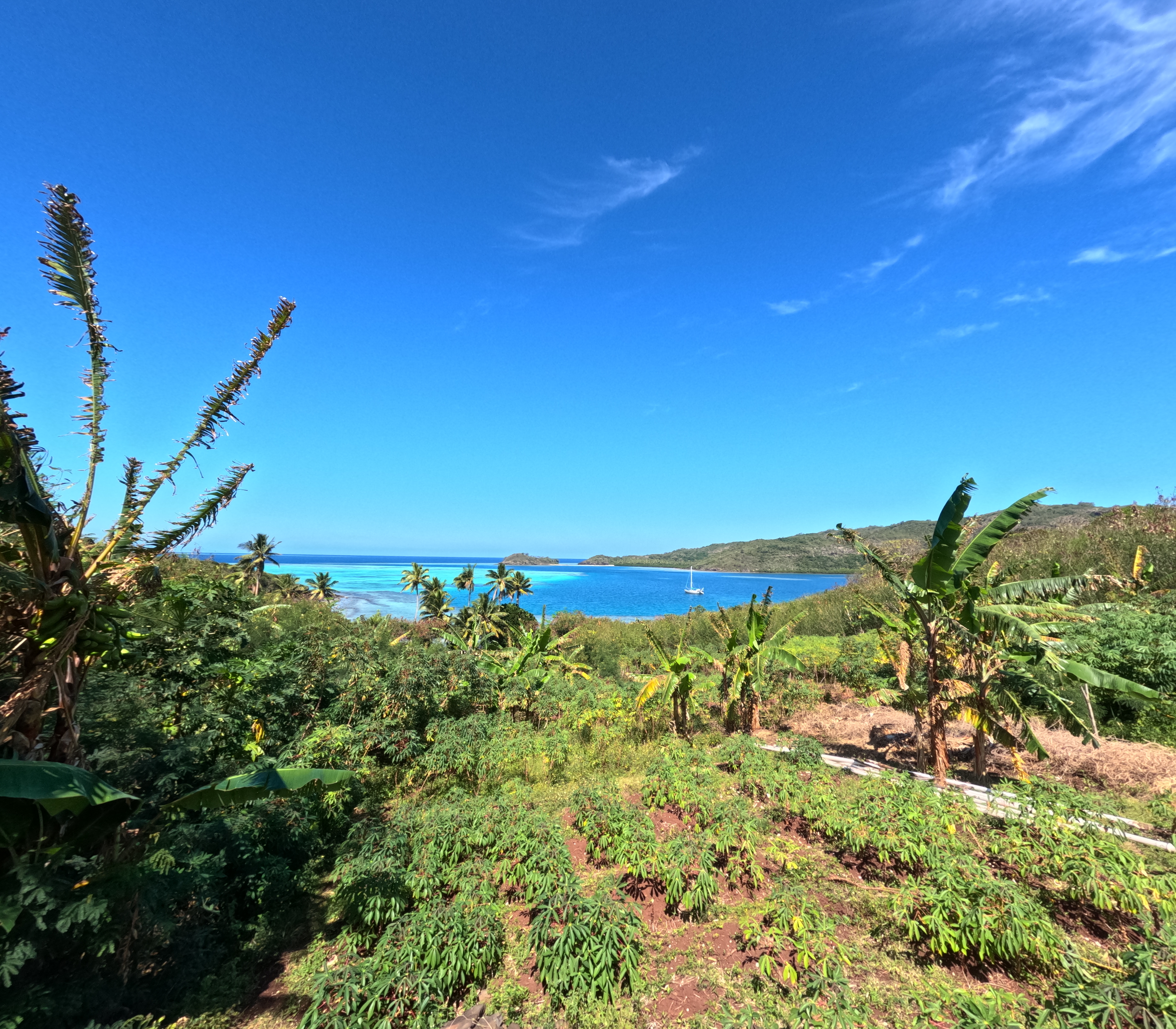
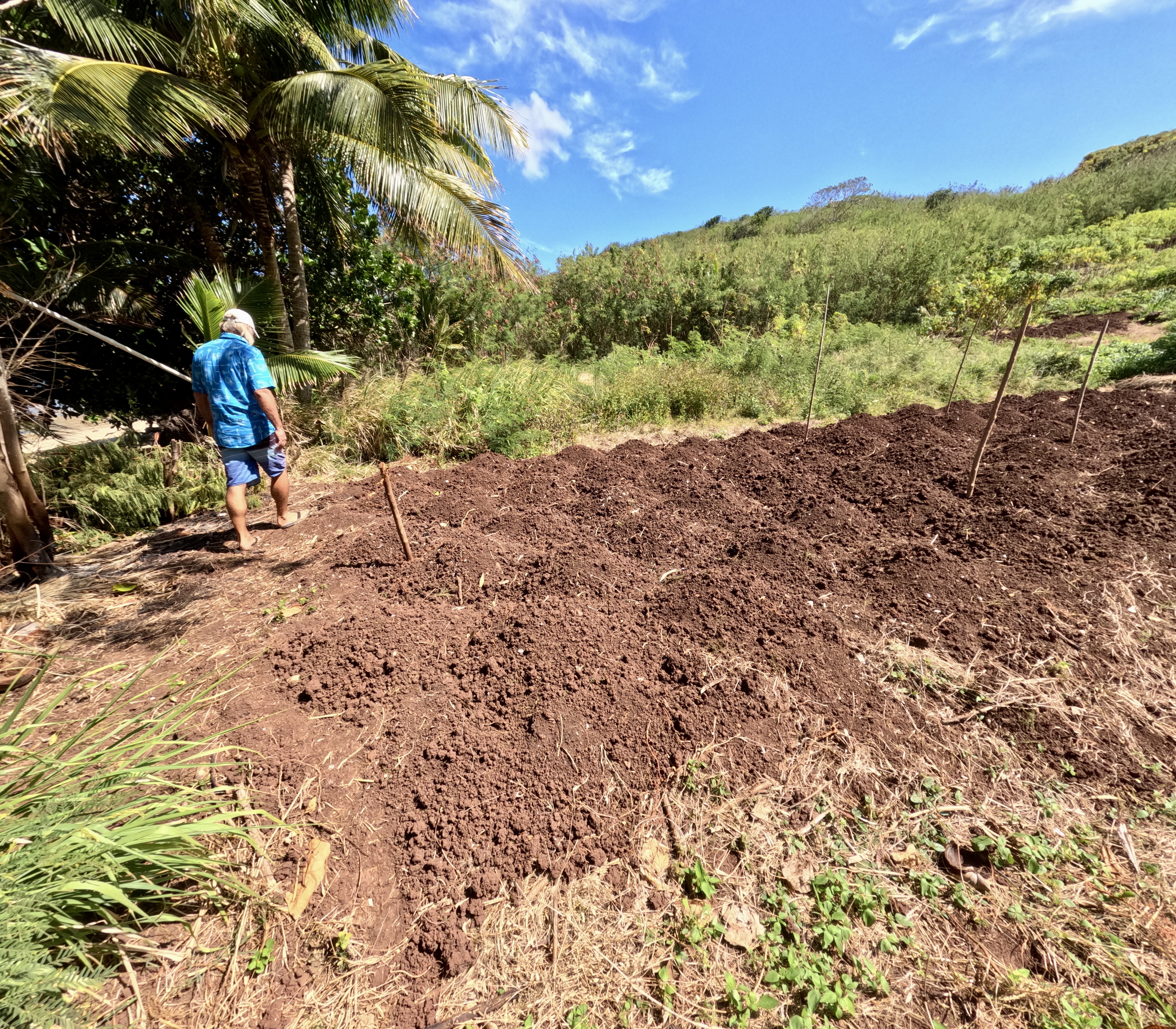


…followed by a wander through the forest and brush, attempting to best ascertain at times whether or not we were still on an actual trail at any given time.
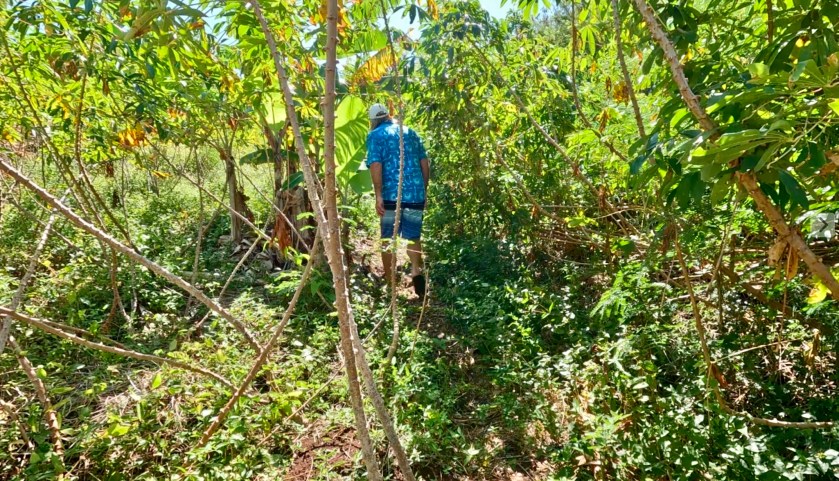
Here and there, the path became more defined and easier to follow. Eventually, after twenty or thirty minutes, a clearing appeared in front of us. Through the trees, plants, and brush, we could see buildings.
We had reached the village of Denimanu, where most of Yadua’s population of less than two hundred people live.
The structures ranged from what appeared to be very simple thatched roof single room huts with corrugated metal walls to a very modern and sturdy looking church, complete with glass windows and tar paper roof.
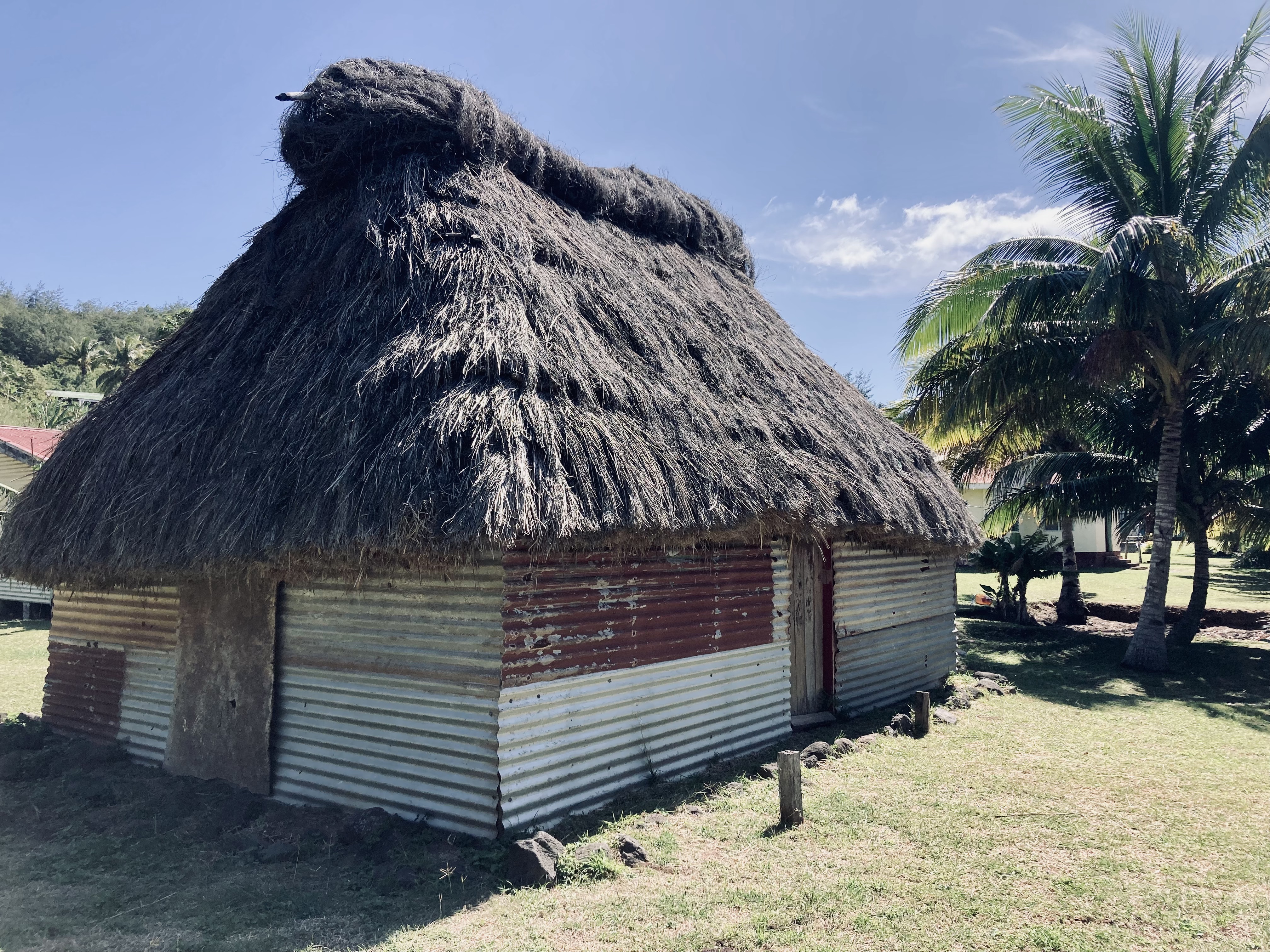

As we steered to the beach and began to walk along the sand, avoiding walking through what we could only imagine were peoples’ yards, a young man came up and greeted us. After we explained we had just arrived aboard our sailboat in the bay over the hill, he offered to take us to the chief, where we could present sevusevu, a bundle of kava given as an offering to ask the chief for permission to visit the island and anchor in the bay.
The chief Ratu Joni, a big dark-skinned guy with frizzy hair whose substantial belly protruded prominently from under a rather tattered t-shirt that was far too faded to make out, was a man of few words. With the young man who had led us to Ratu Joni’s house acting as interpreter, we were asked a handful of polite questions before Ratu Joni gave us his blessing to anchor, swim, and explore the area as long as we wanted. He even invited us back to the village the following day for a Hundred Day Celebration. One of the village citizens had recently passed away and, after one hundred days, they have a final farewell celebration. We gladly accepted.
A couple of days later, we moved Exit to the other side of Navi Laca Bay, just off of Motubua Islet.
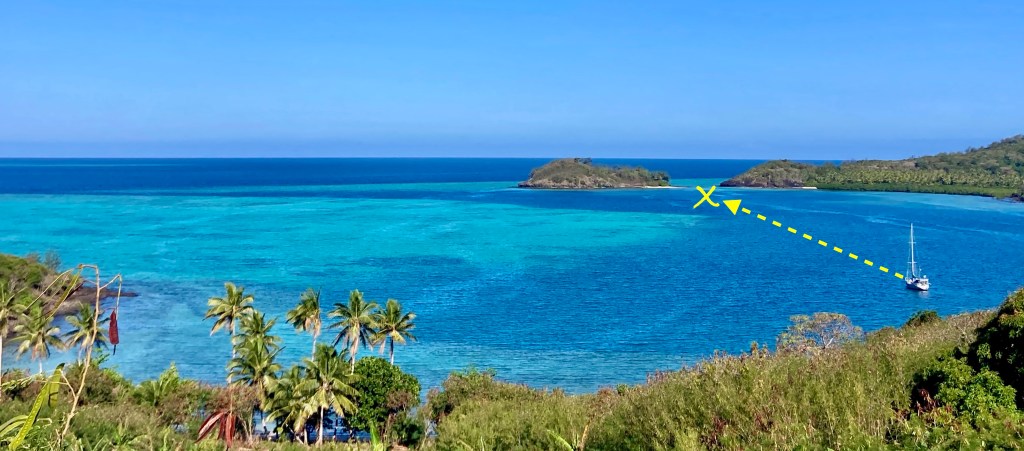
It had been quite some time since we had flown the drone, so we launched SpaceX-it, which provided quite an extraordinary view of the surrounding area. As the drone pans from left to right, the very narrow pass used to enter and exit the bay is easily visible. As the drone pans up, the main village of Denimanu is also barely visible over the hill at the back of the bay we were anchored in.
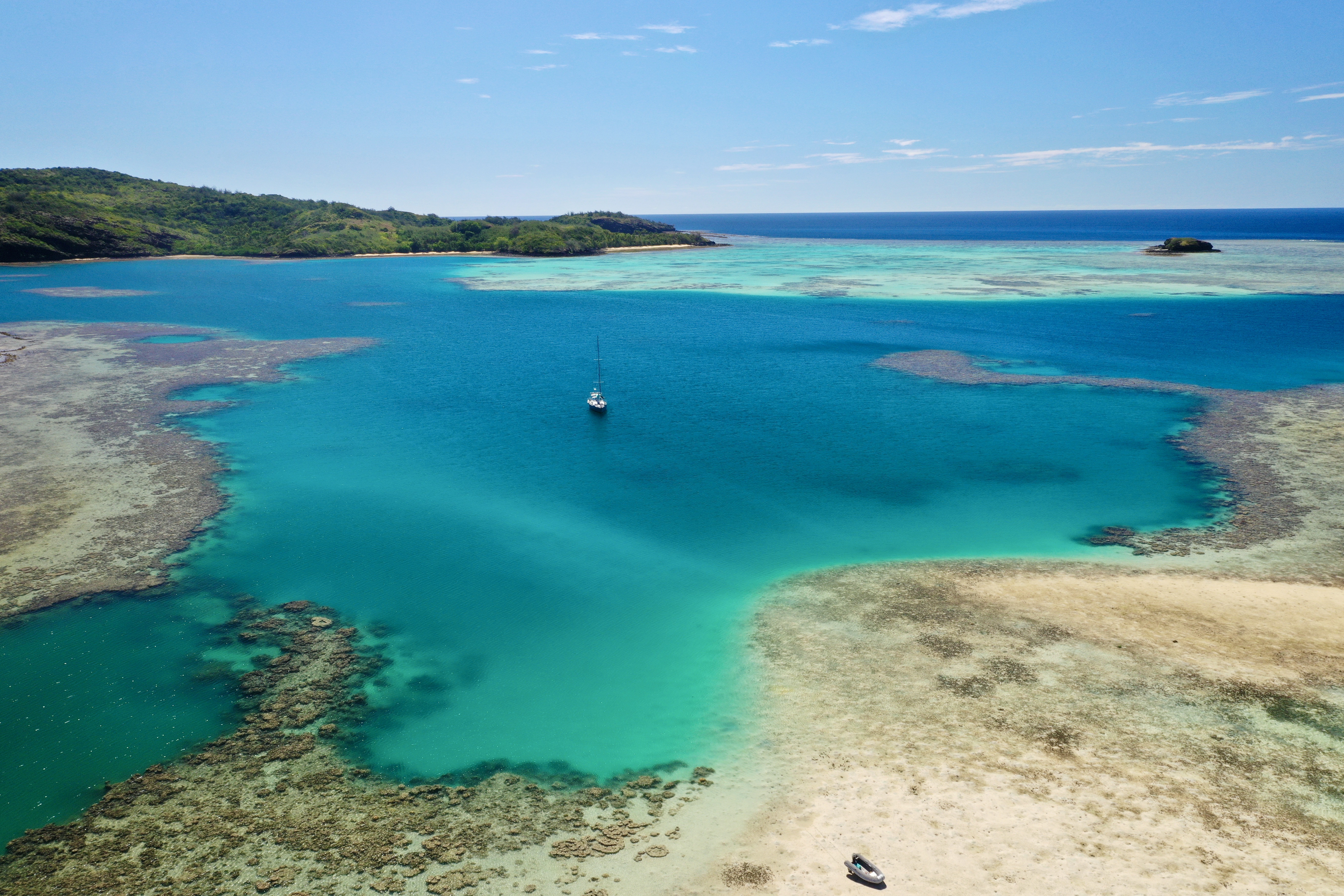
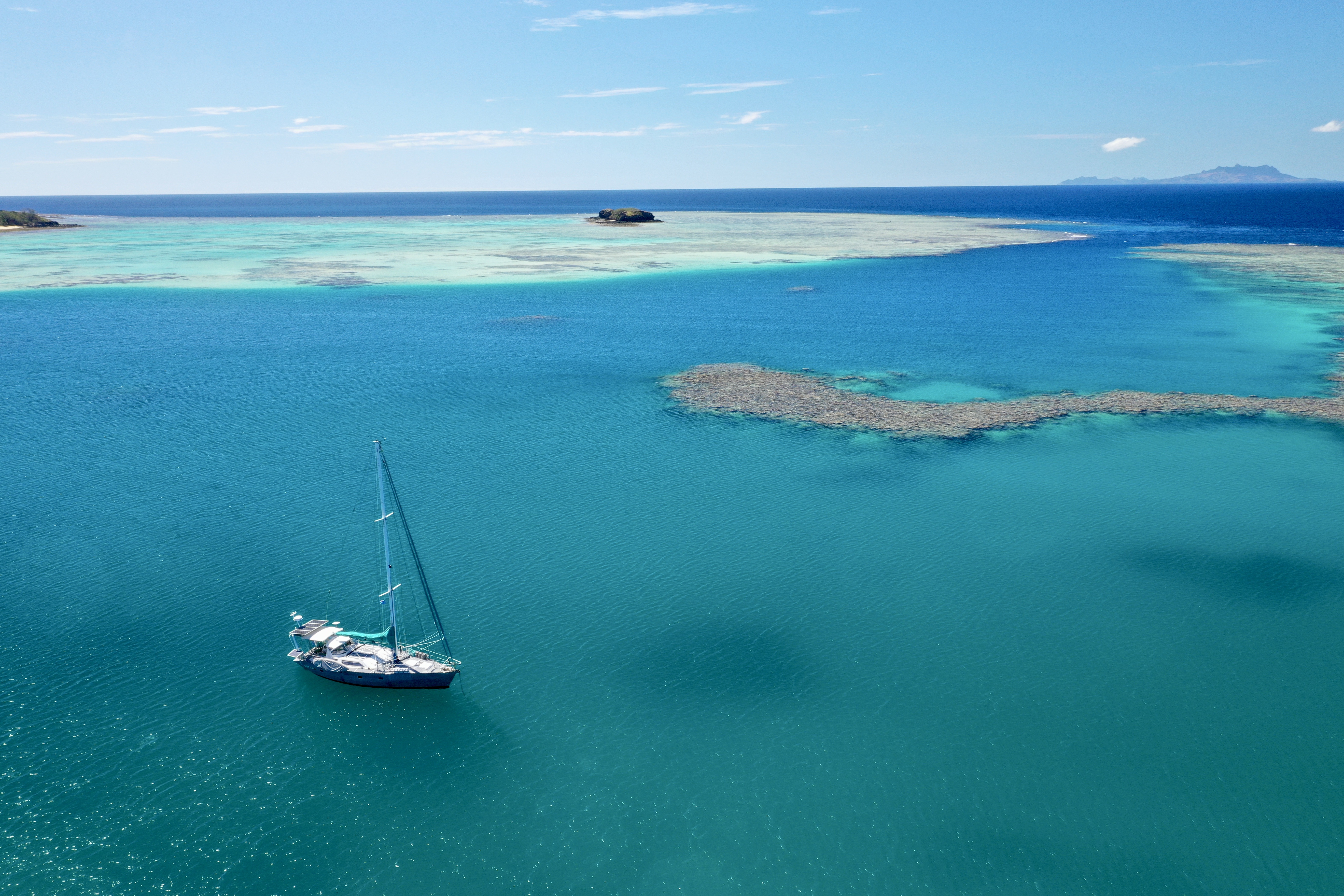

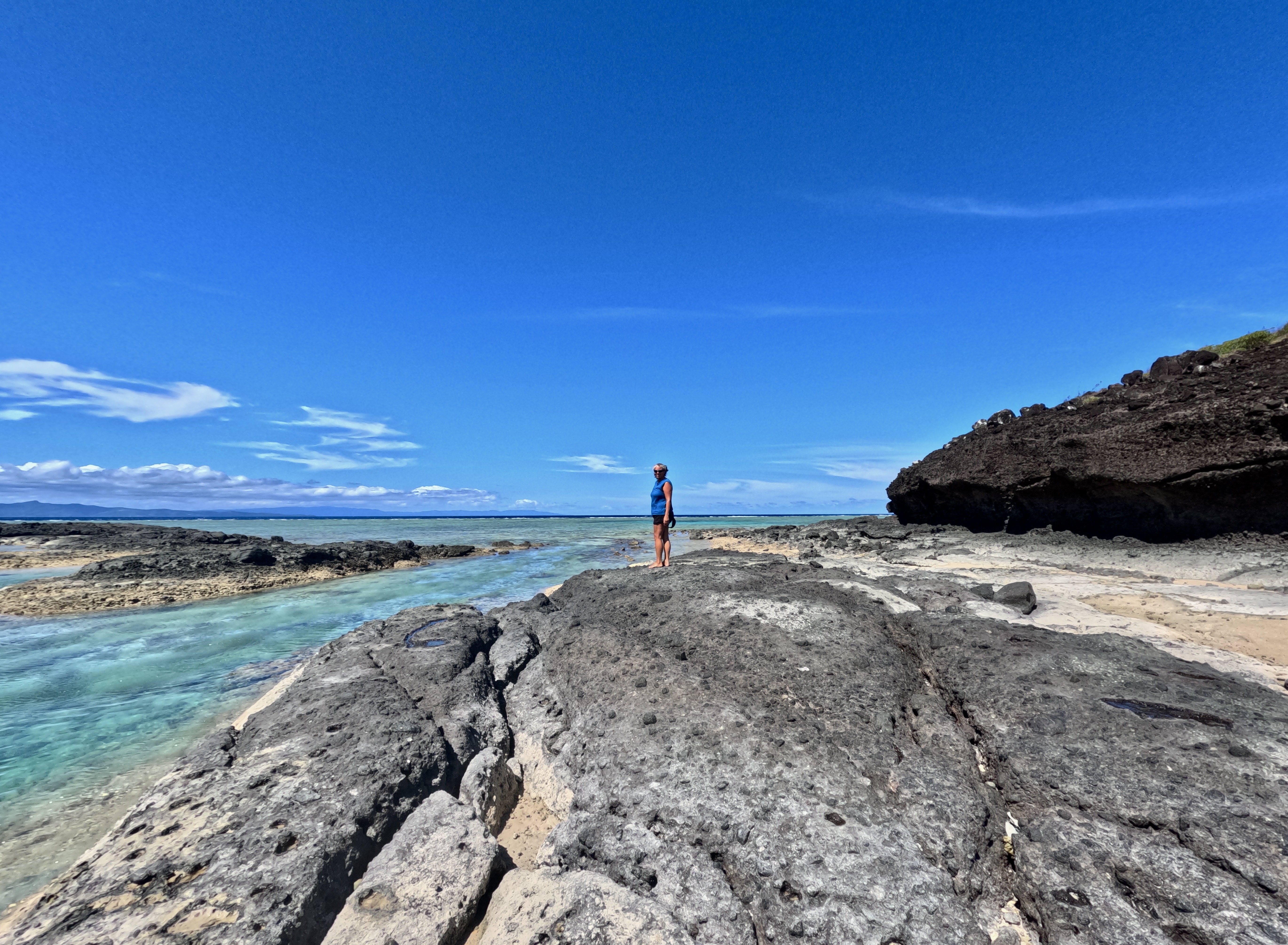
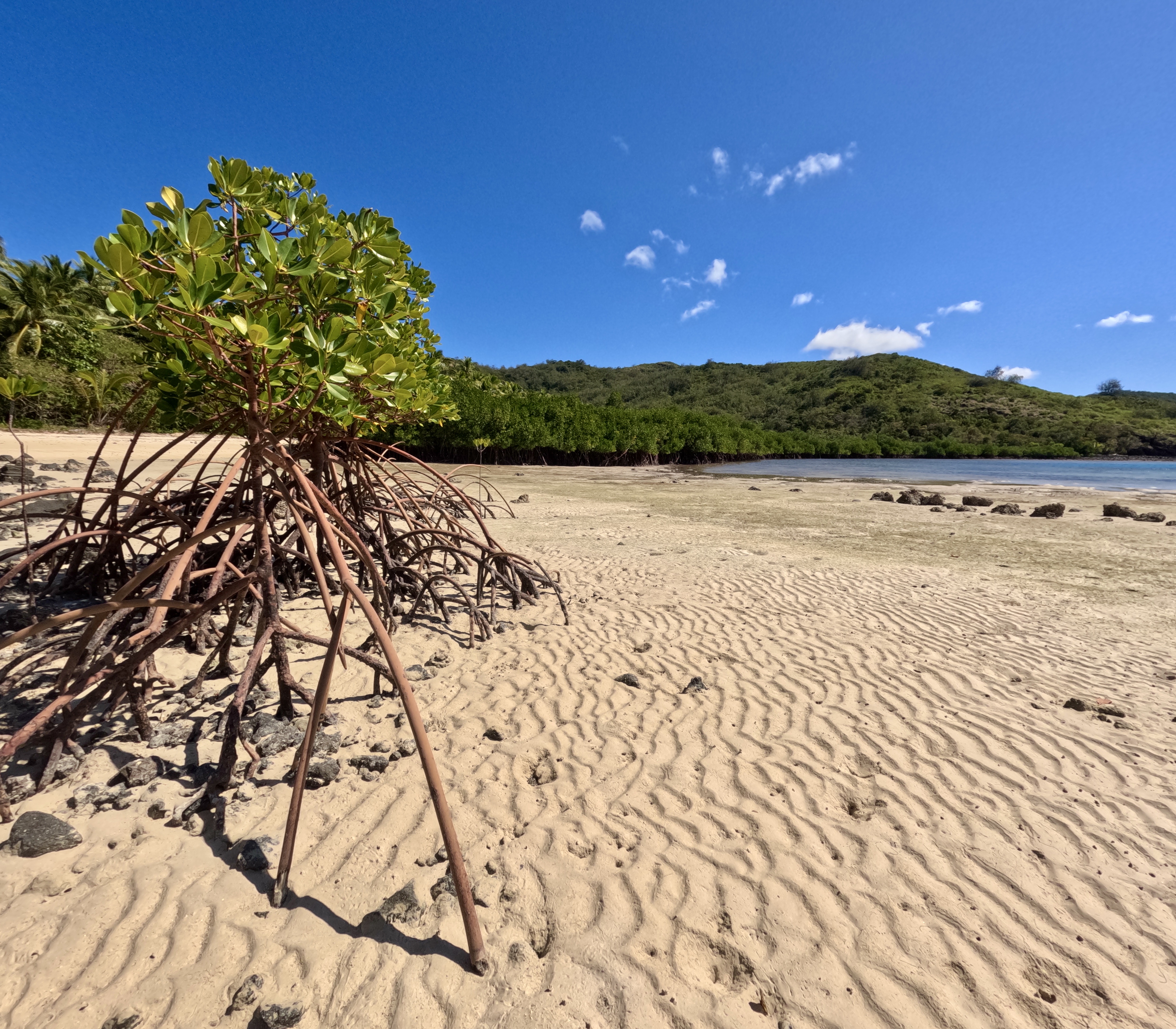
Just around the corner was another small beach that made for an afternoon exploration.
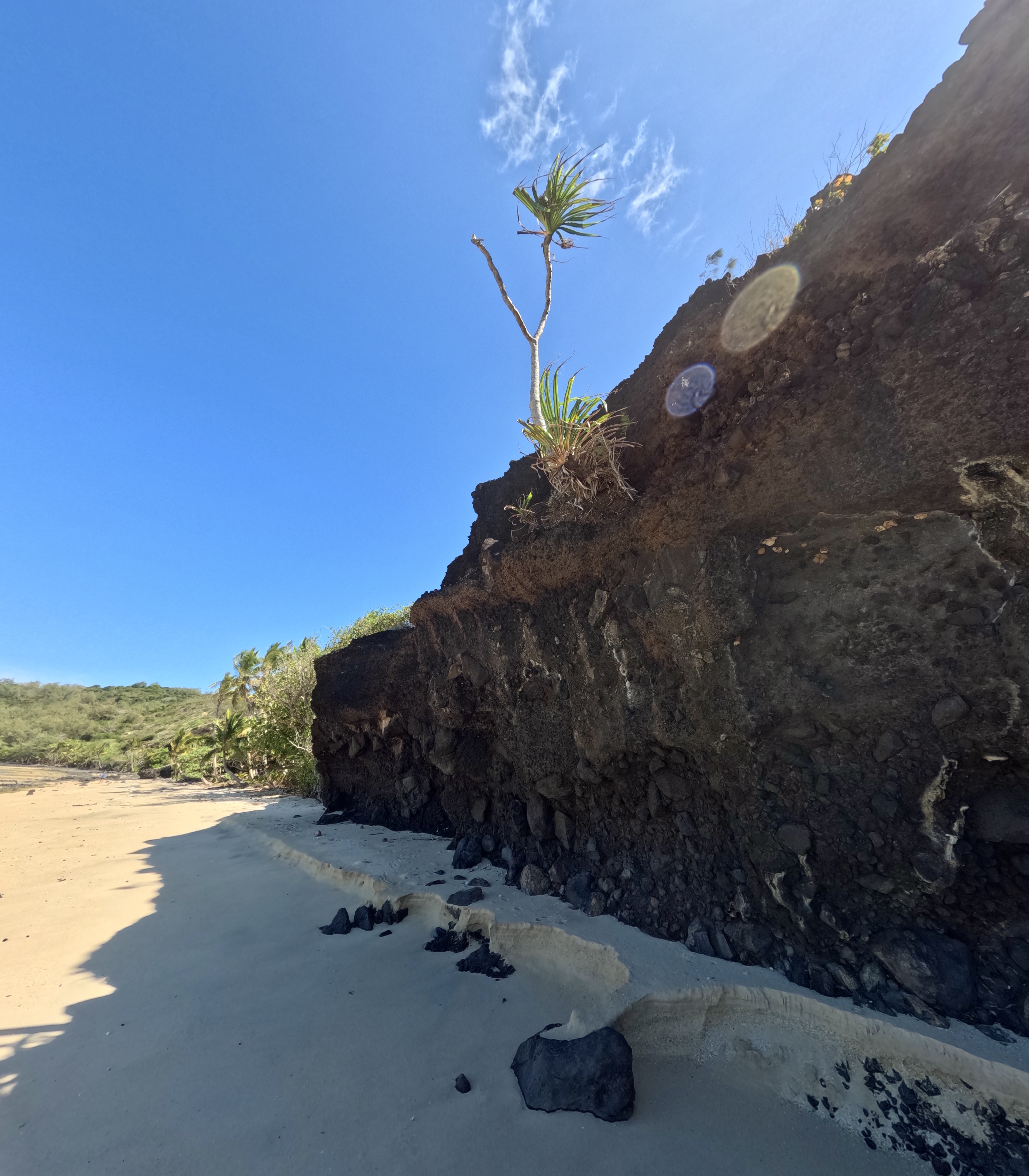
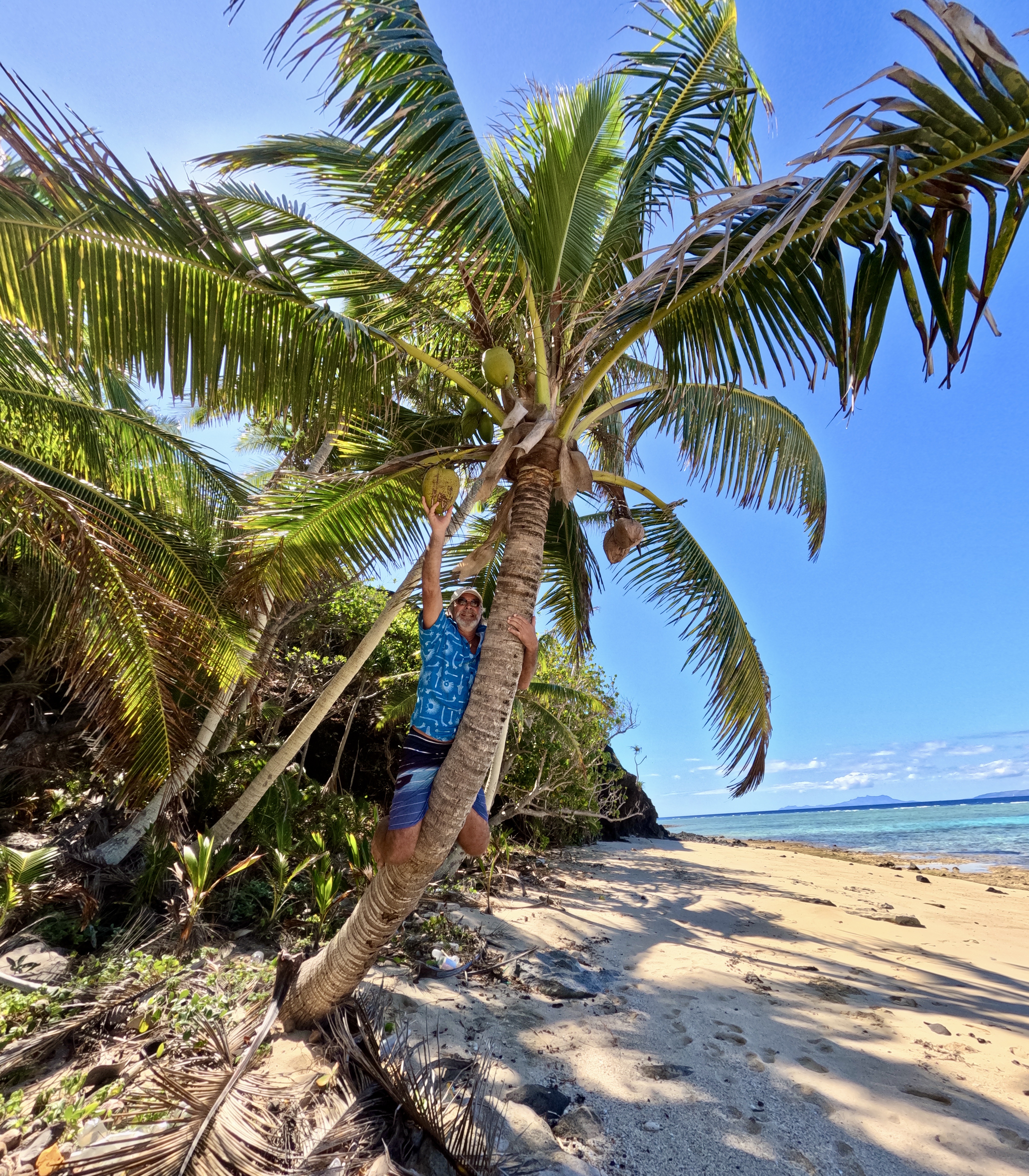
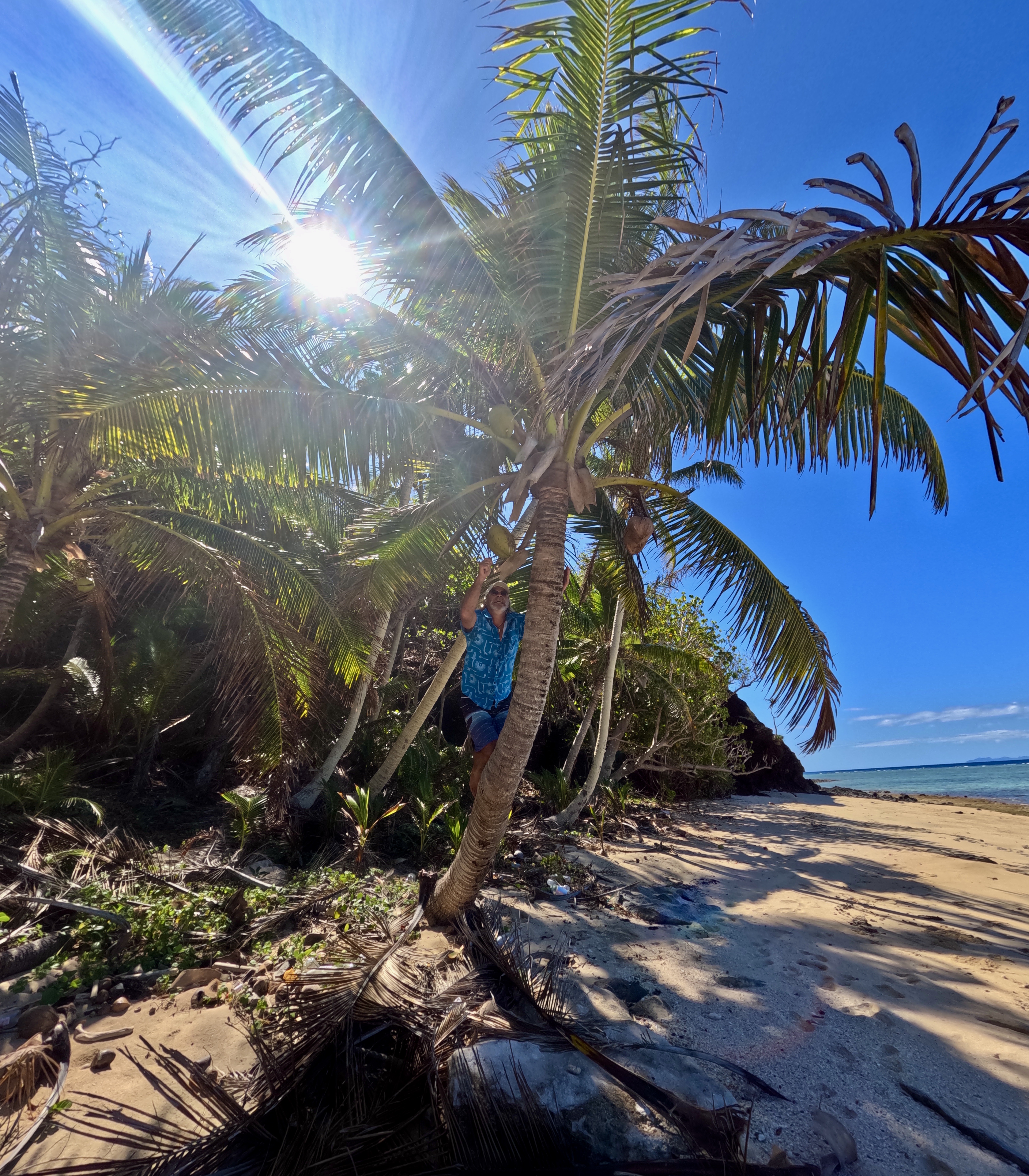
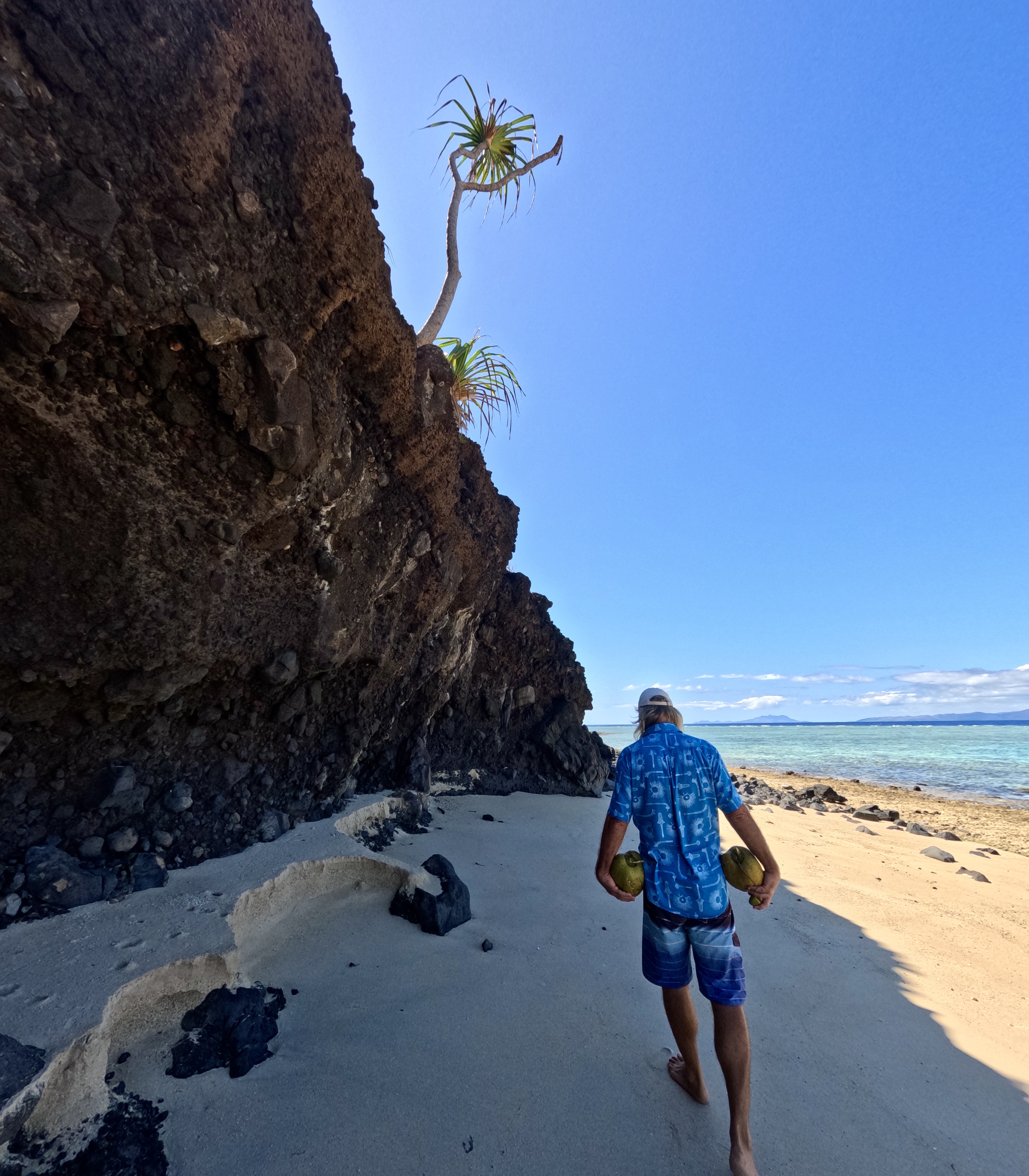

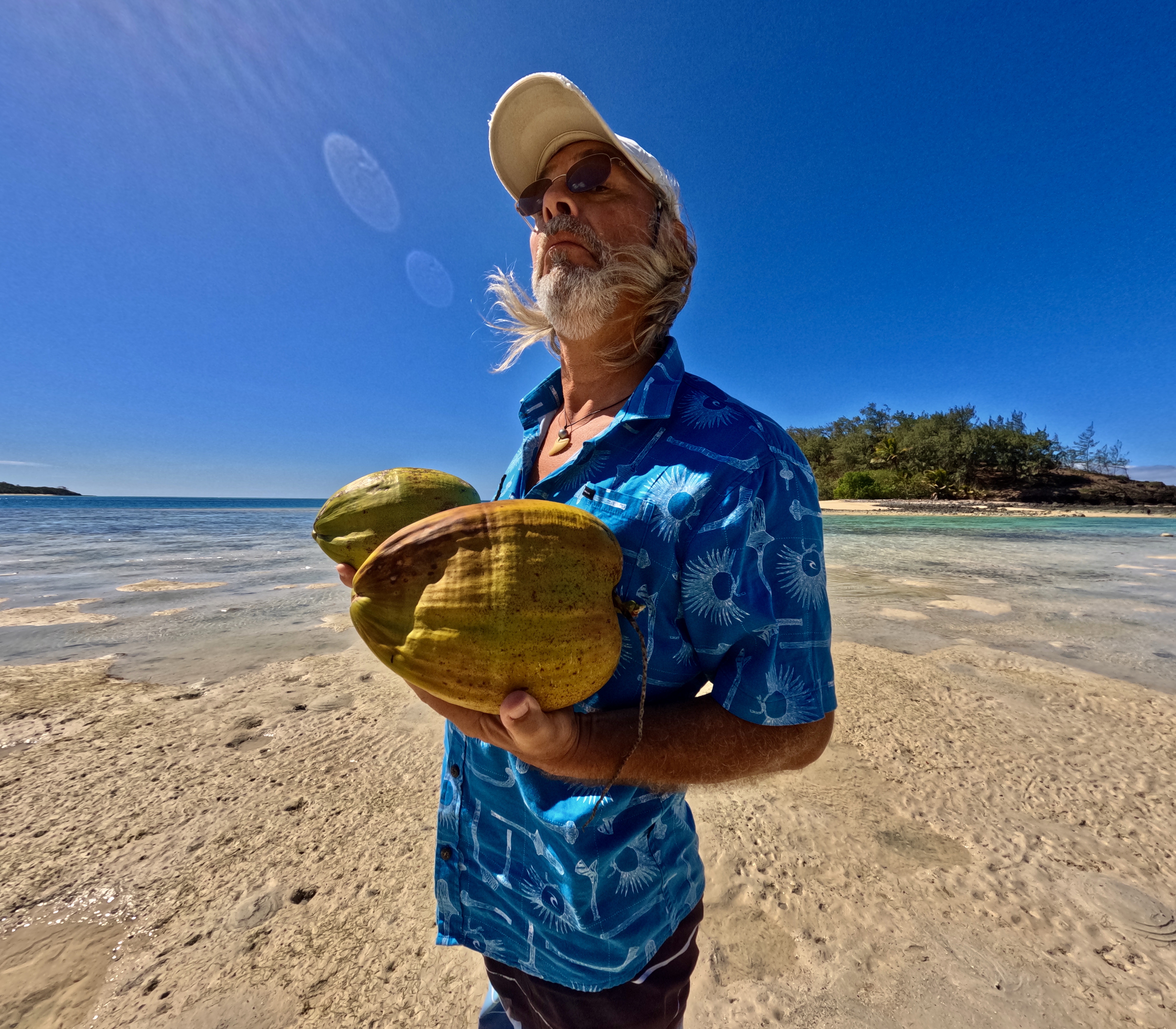
One way to instantly remind oneself of, not only one’s age but also their delicate mortality – try to shimmy up a coconut tree. A task that in my teens or twenties could have been done in seconds now took on a comic perspective.
The following day was spent relaxing and celebrating our thirty fourth wedding anniversary – an achievement which becomes more and more amazing with each passing year, given who Kris has to put up with.

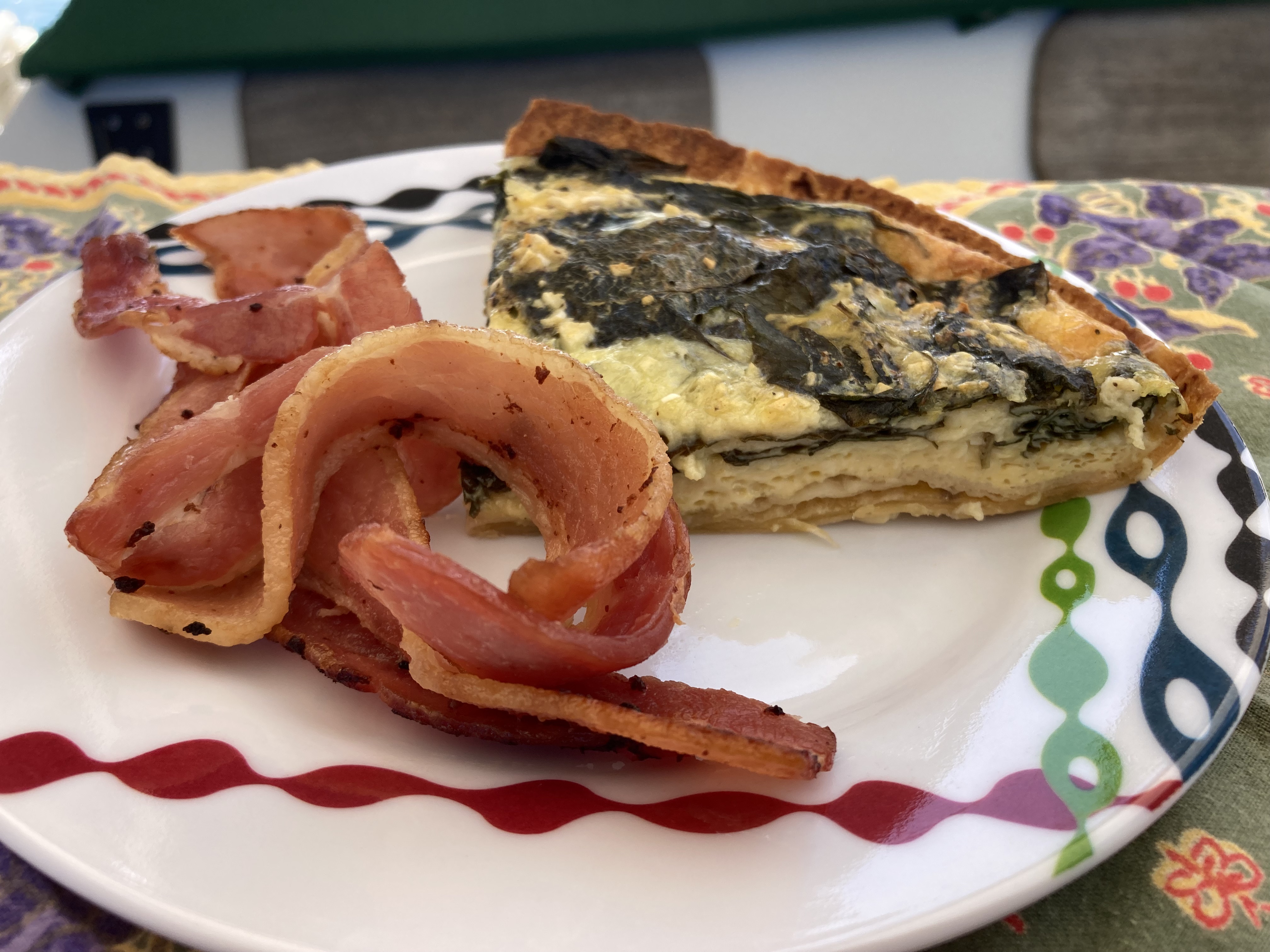
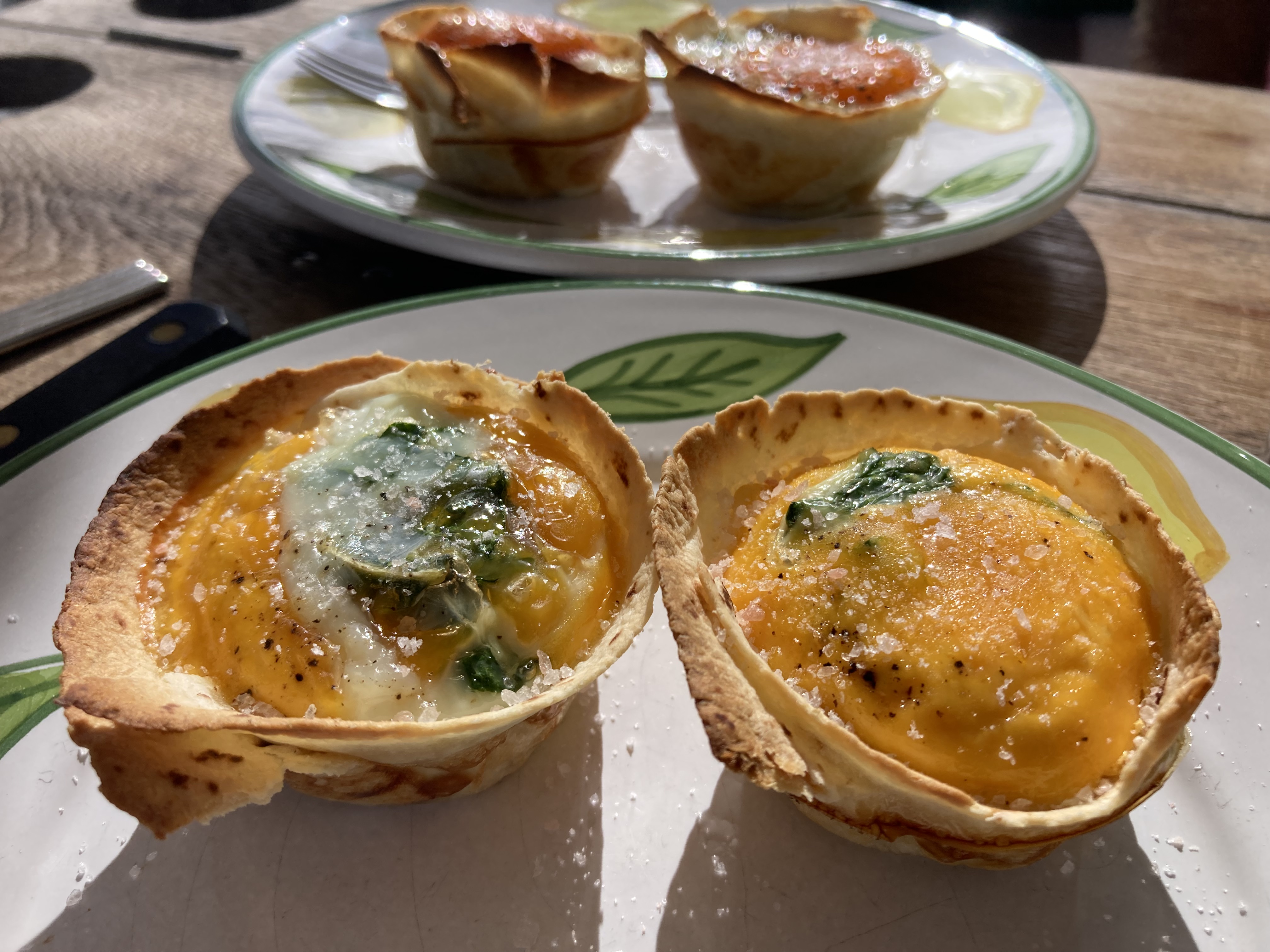
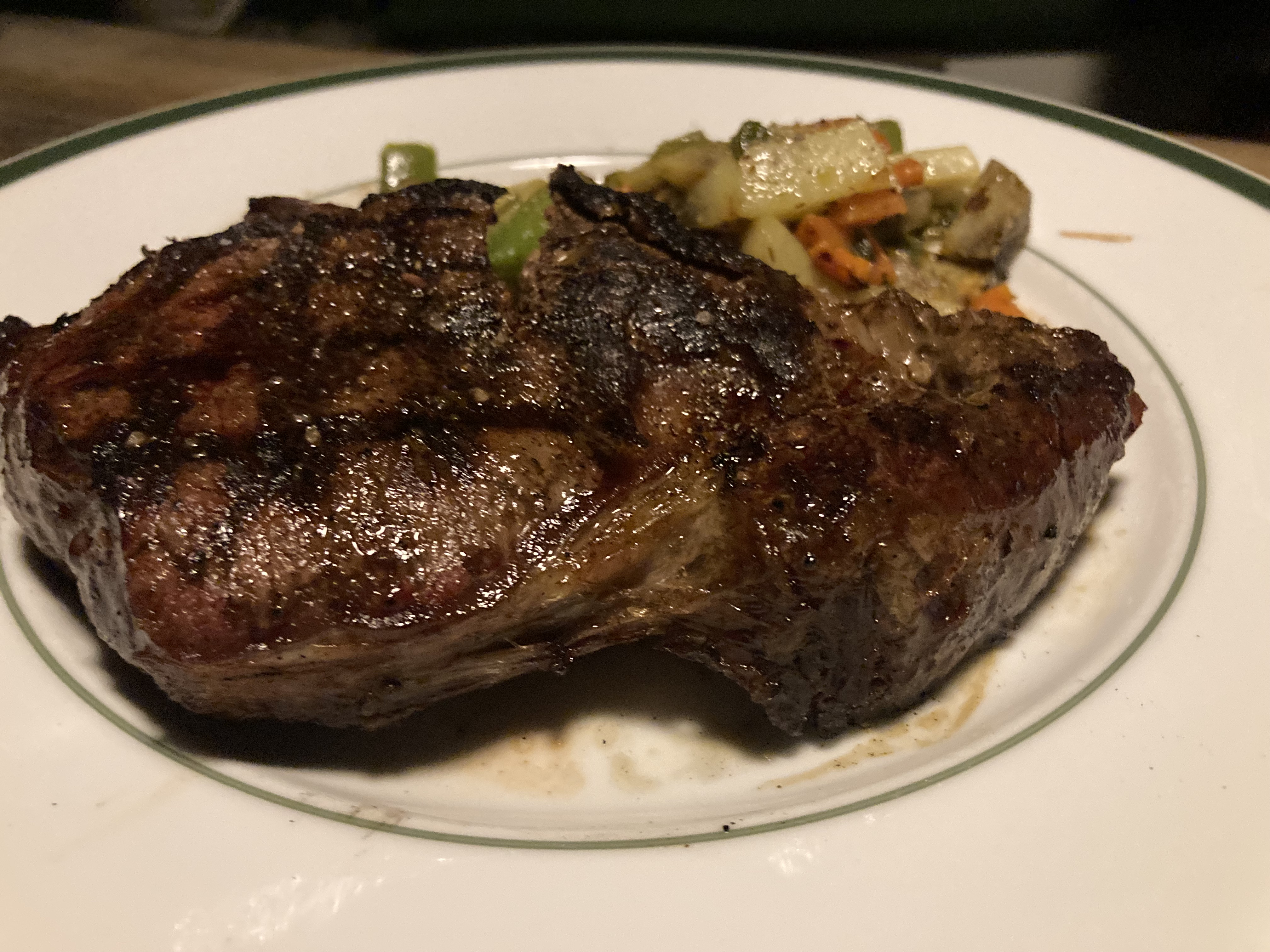
Yadua boat cuisine in August? An anniversary surprise for Kris consisting of a spinach breakfast pie complete with improvised tortilla crust…the bacon is my own personal indulgence. On a different day, a similar spinach and egg concoction Kris put together in individual tortilla cups. And, another indulgence for me…massive one inch thick steak grilled on the BBQ…yummy!
We spent a day in Talai Bay, hoping to get a closer look at Yadua Taba Island. The island is home to a critically endangered crested iguana, endemic to only a couple of places in Fiji. Yadua Taba has been designated as a wildlife sanctuary for forty five years in an attempt to protect the iguanas, and going ashore is strictly prohibited.
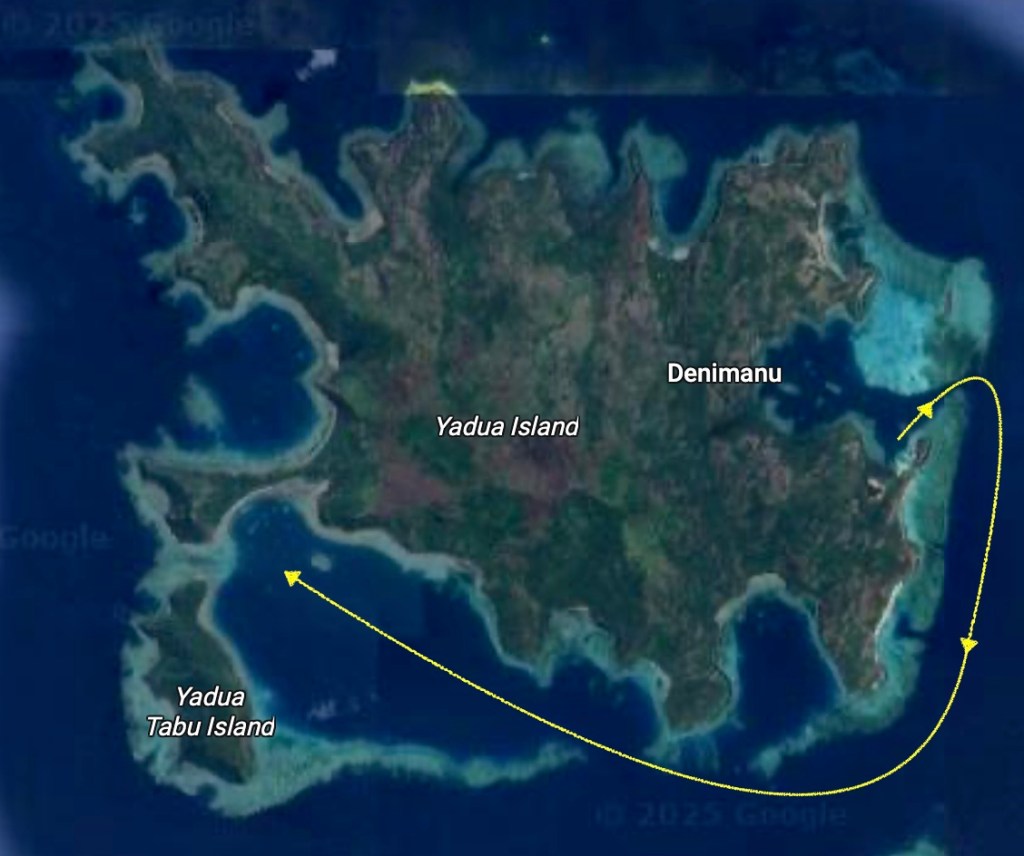
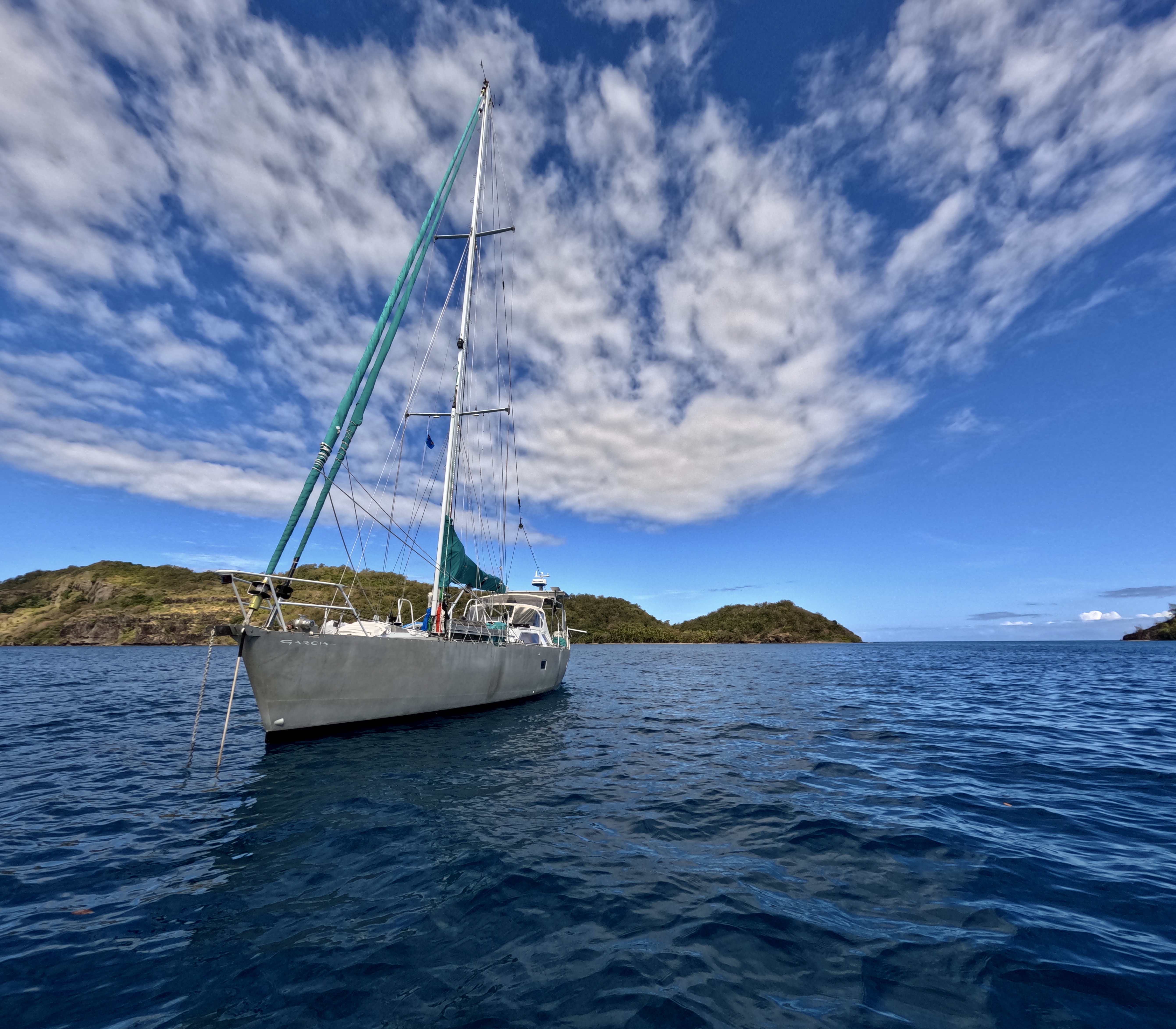
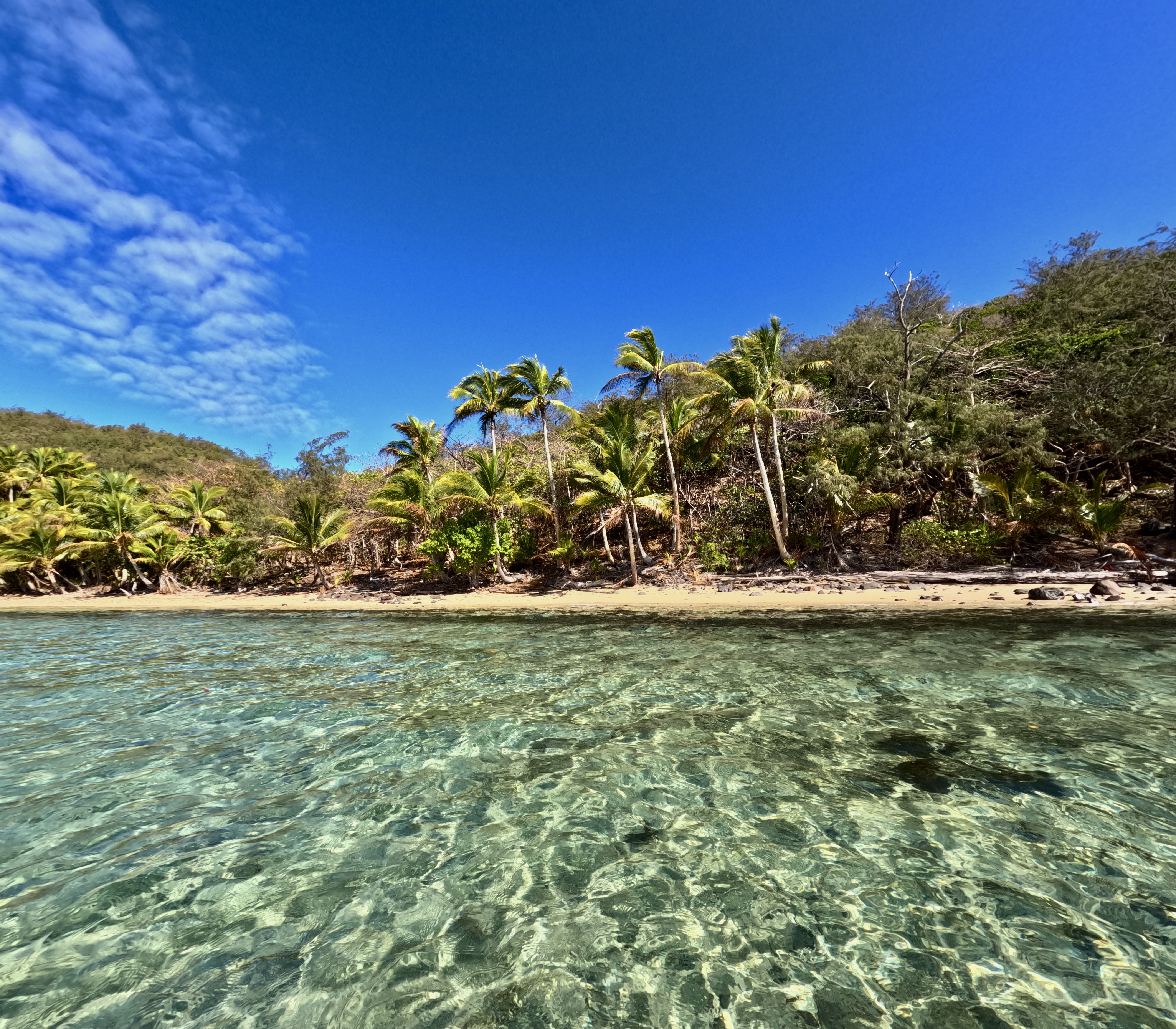
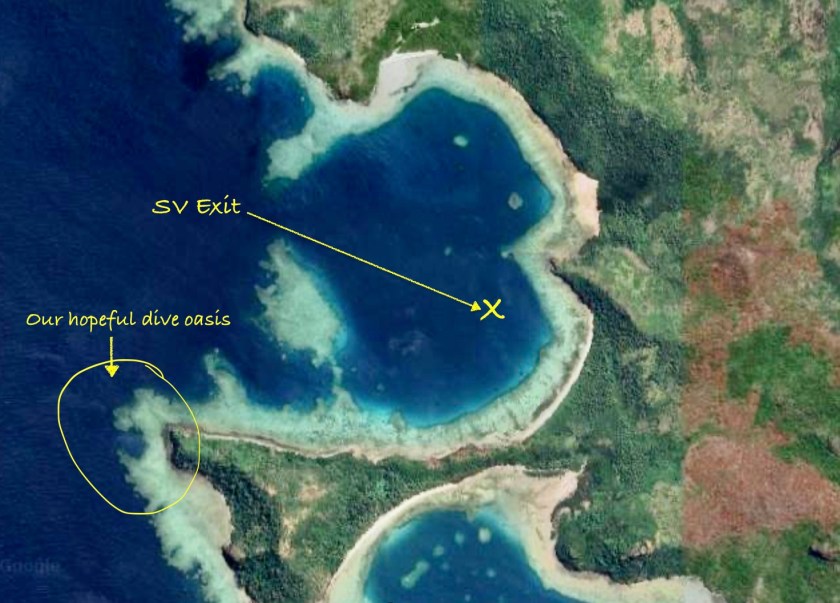
Unable to spot any iguanas from our dinghy, after a day we opted to picked up anchor and work our way around to the east side of Yadua, where we anchored in picturesque Cukuvou Habour.
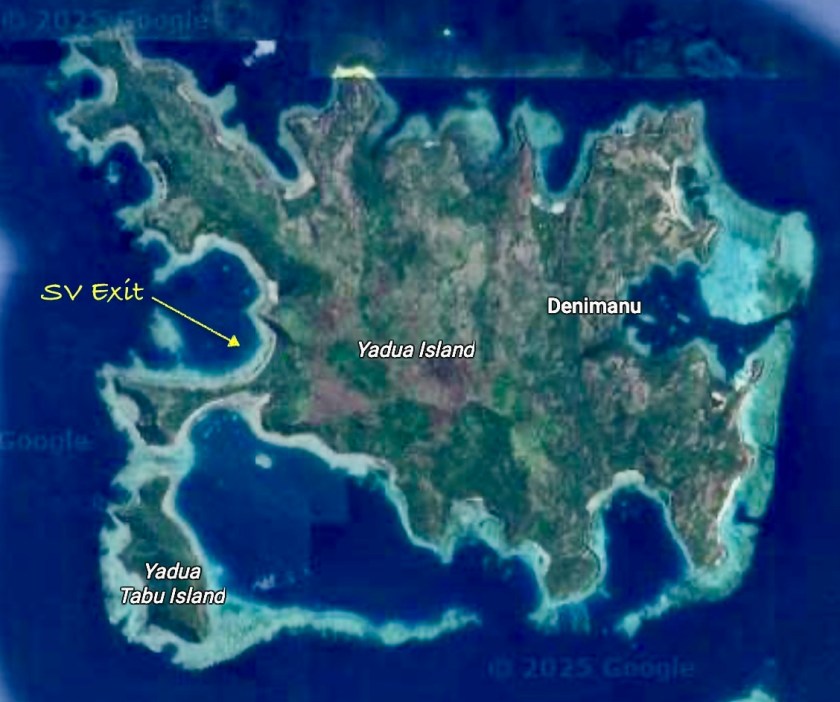

Without being exposed to the prevailing southeast wind and swell, Cukuvou Bay had much flatter surface conditions. However, with time we would learn that strong winds tend to come right over the top of the hills. We would also learn that Bligh Waters, the body of water Yadua Island sits in, acts as a funnel, actually accelerating the winds coming between Fiji’s two biggest islands, Vanua Levu and Viti Levu. Consequently, we found some of the strongest winds we would see while looking at Fiji wind forecasts to be passing directly over Yadua Island.
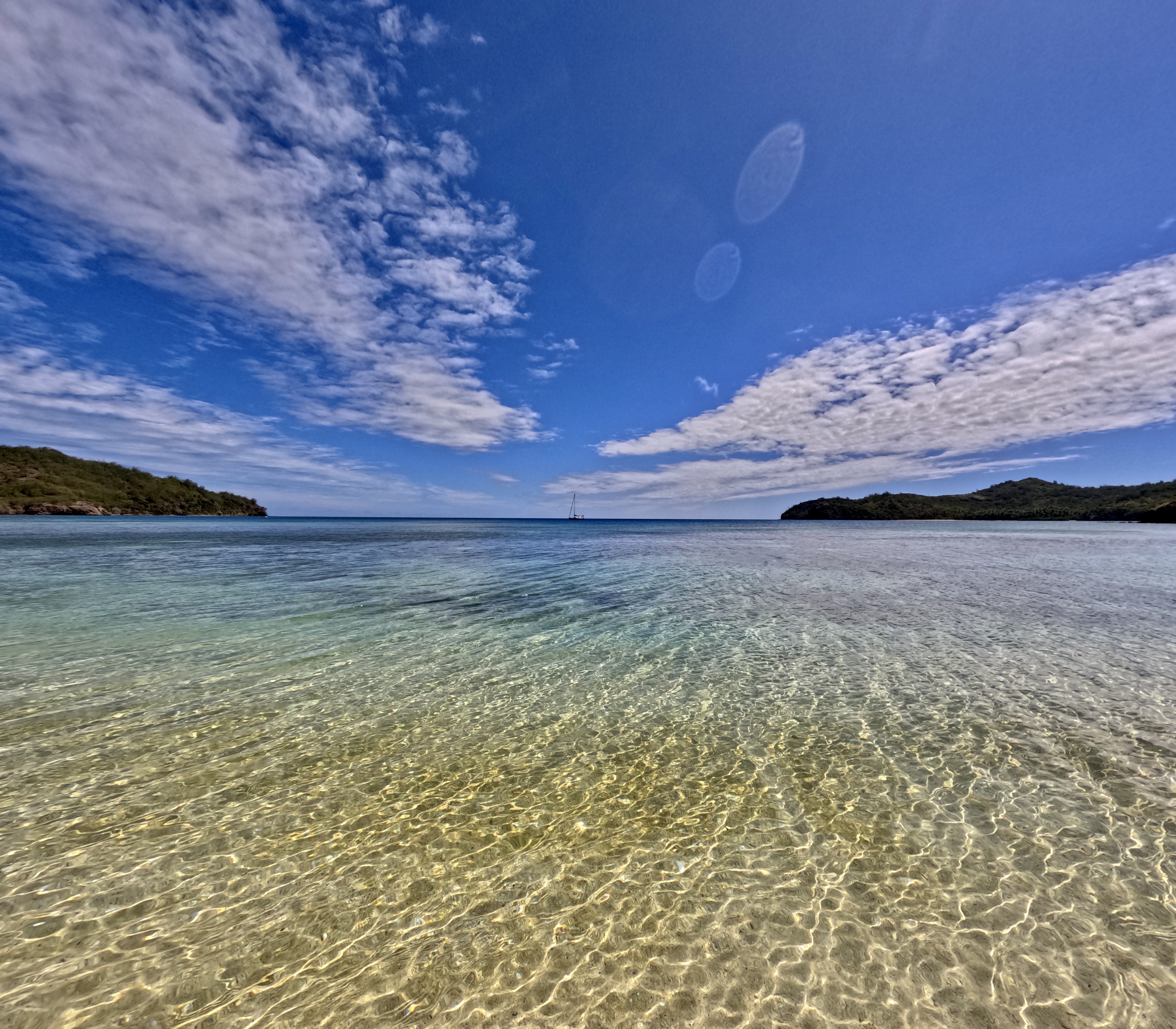
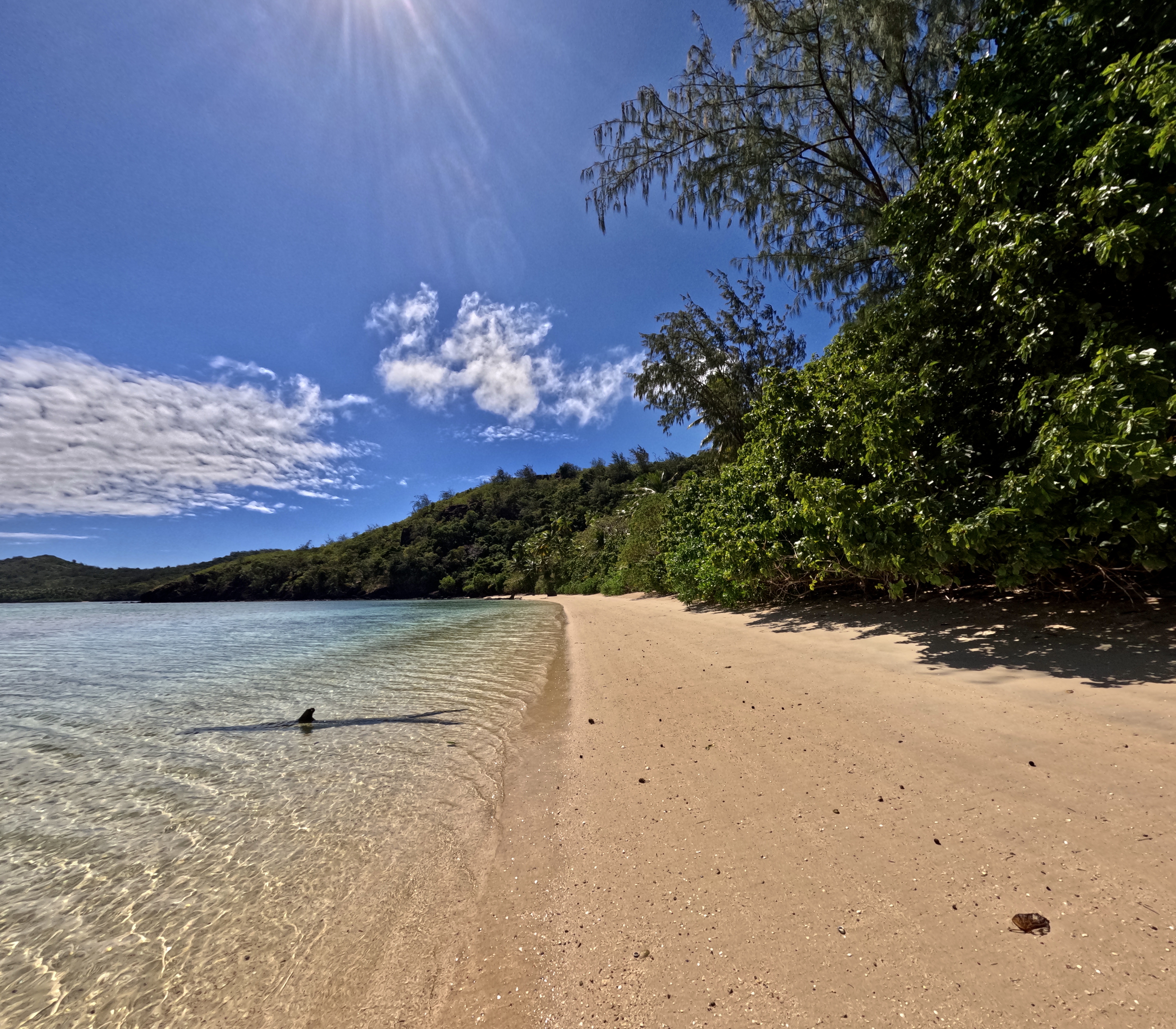


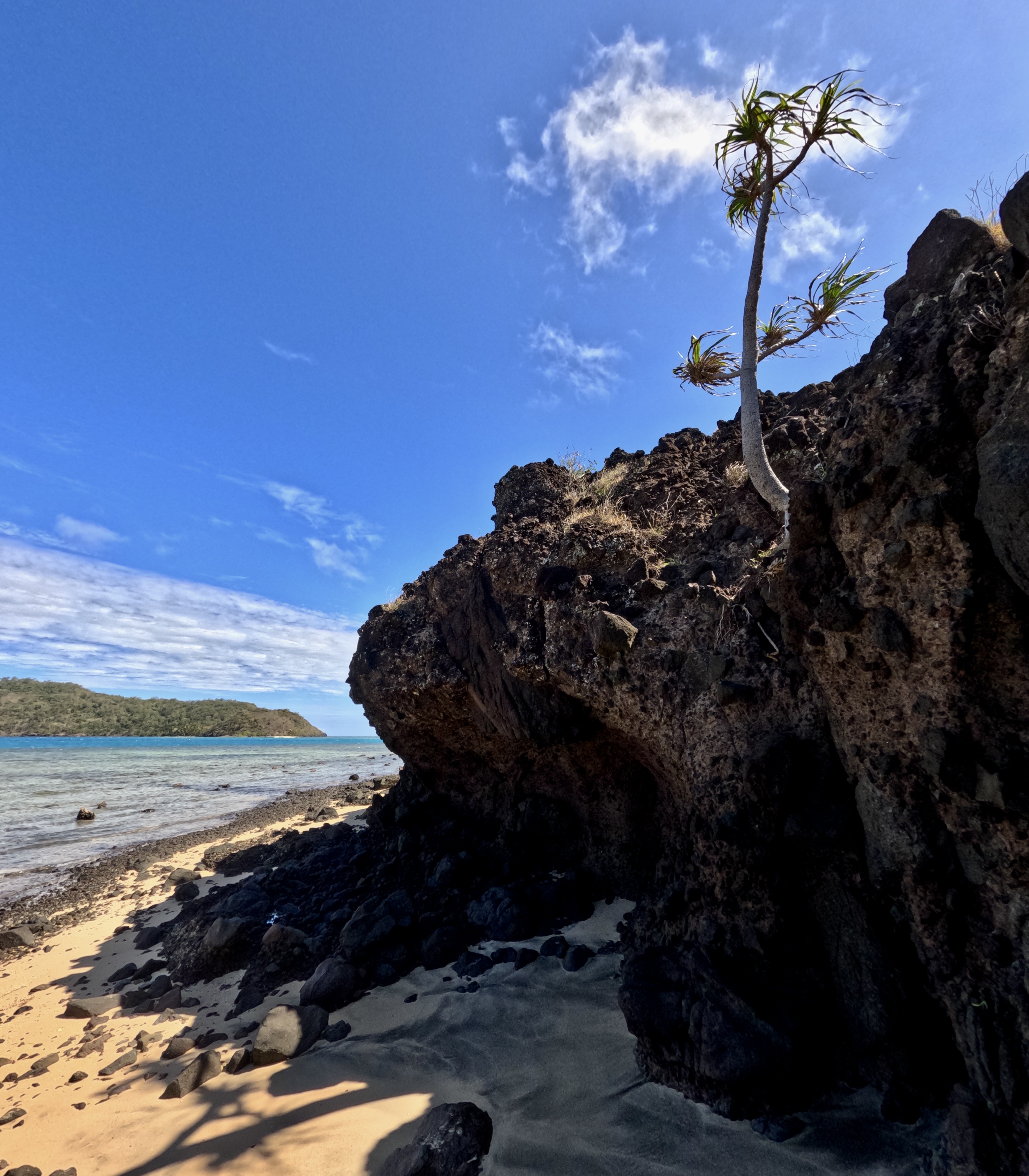
Cipu, who we had met in the village earlier, is the acting park ranger for Yadua Taba. He showed up in his boat one day, recognized us, and spoke with us for a while on the beach where he passed on some locale knowledge abut a path that led from this beach over the hill to Talai Bay, the bay we had been anchored in previously.
Obviously, we misunderstood where he indicated that path was, as it took us nearly an hour of bushwhacking and trailblazing to find the other beach.
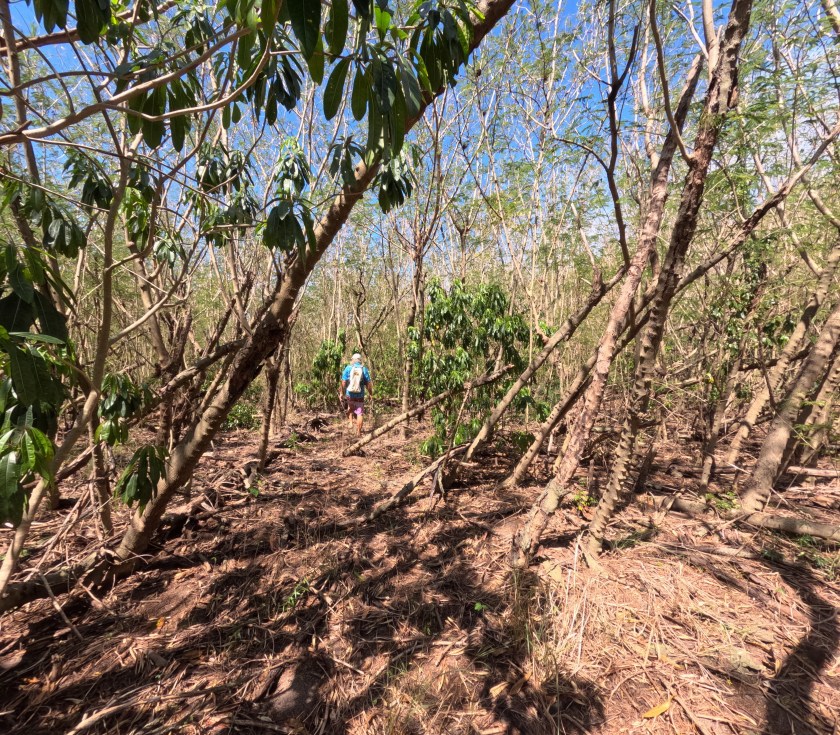
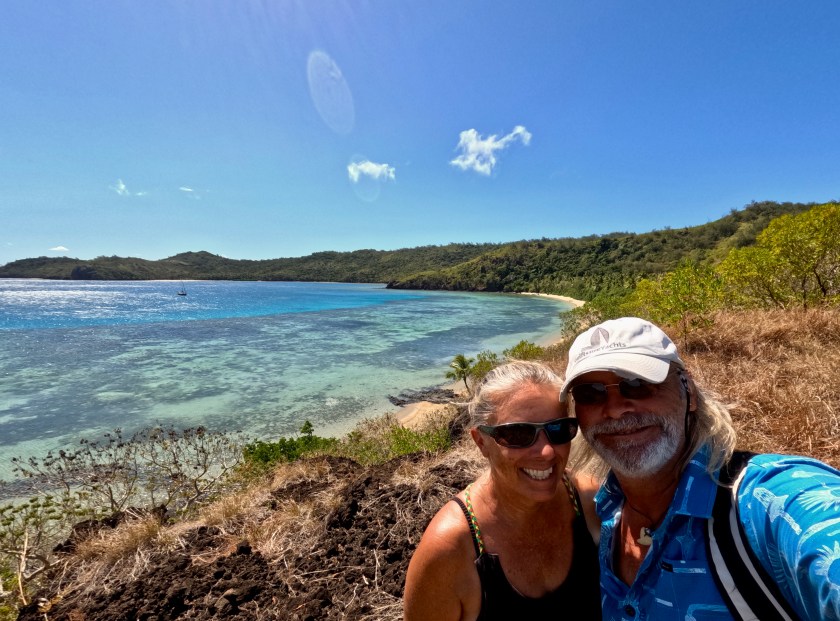
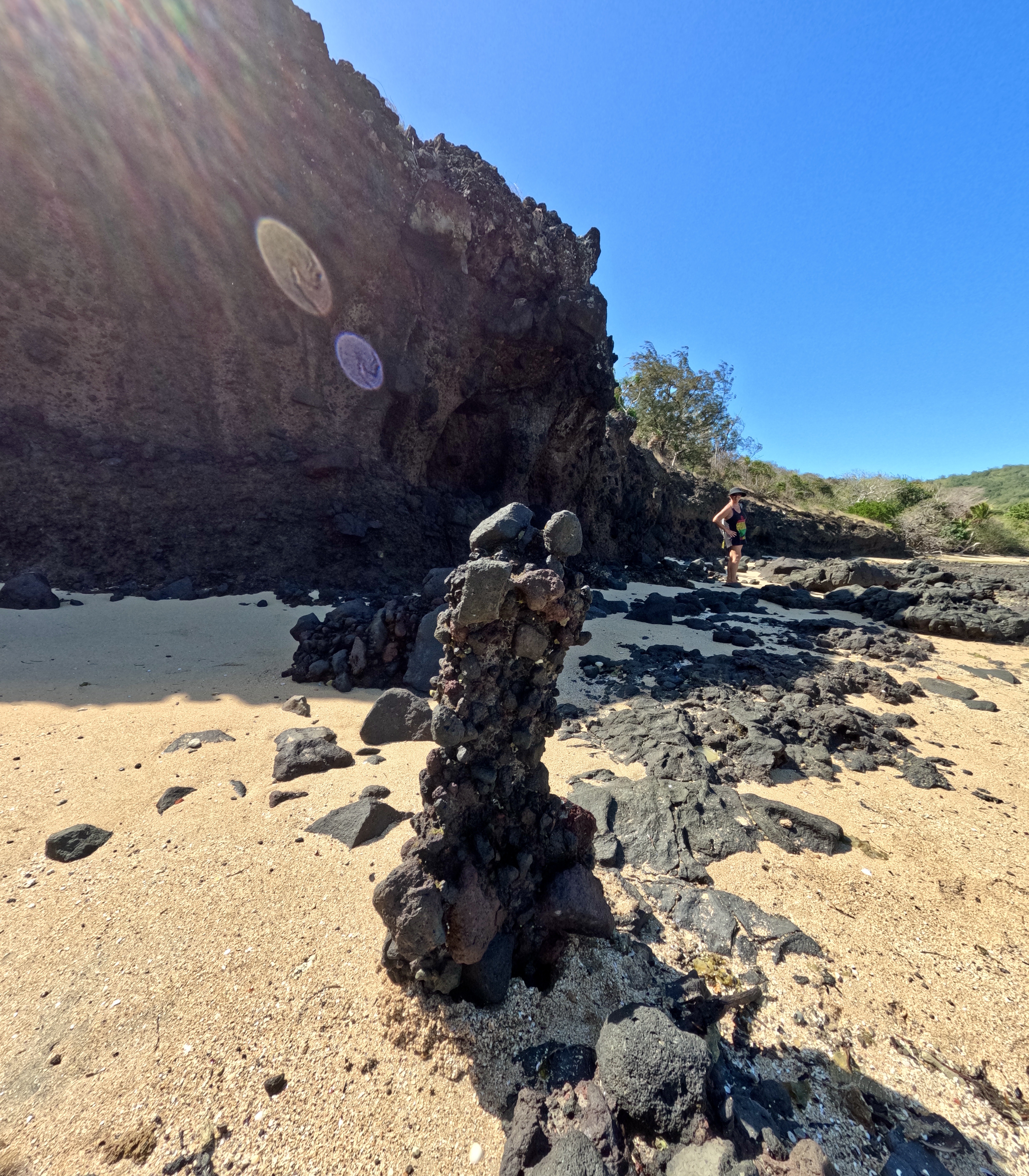
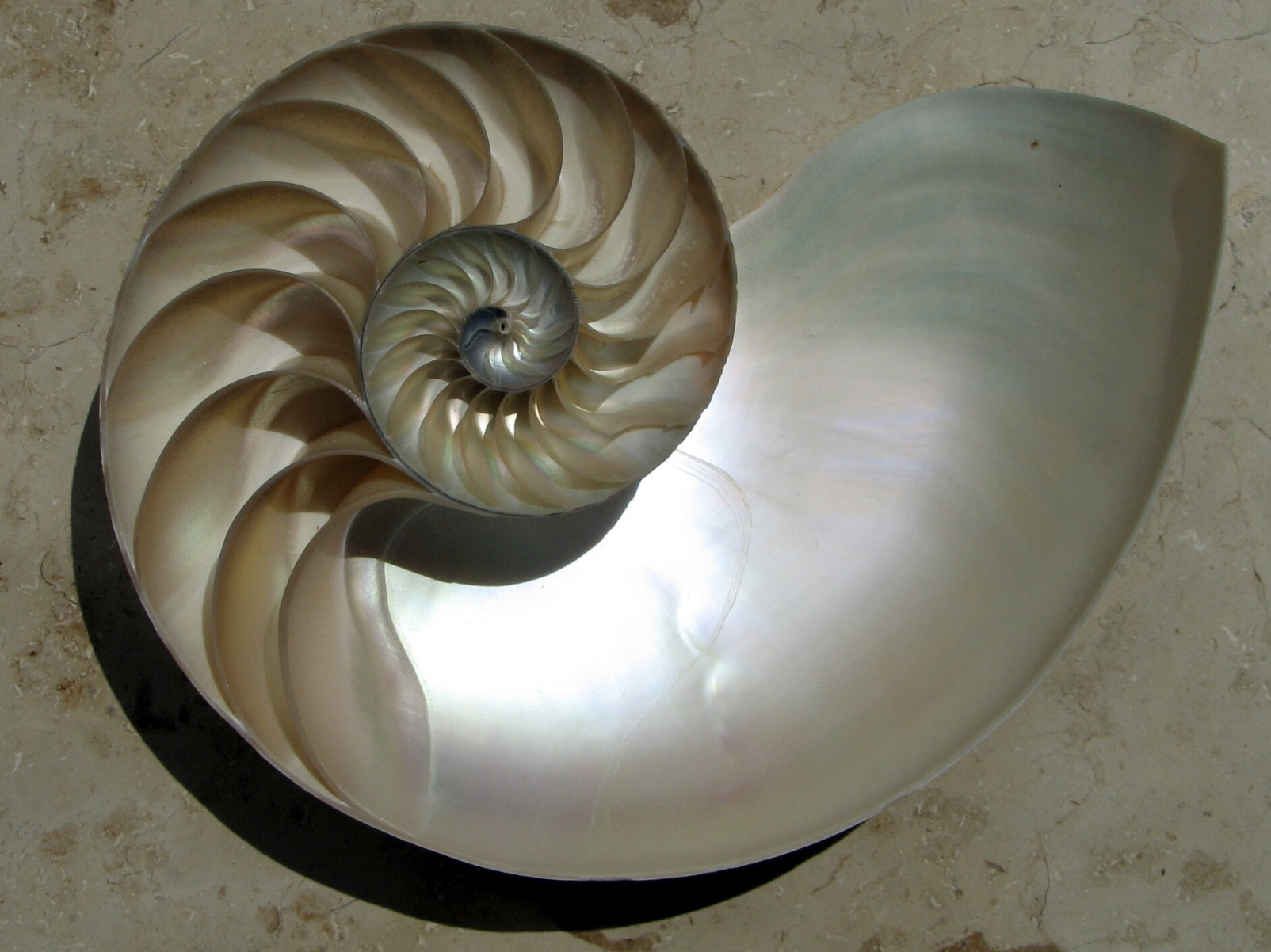
While exploring the beach over the hill, we began to come across chambered nautilus shells. These strangely super cool creatures normally live at depths of 300-2300 feet, but they make daily vertical migrations to shallower depths of 200-300 feet to feed at night. For some reason, we found them all over the beach, right at the high tide line. Oddly enough but fitting, we later learned that the word “nautilus” in Ancient Greek means “sailor, or seaman.”

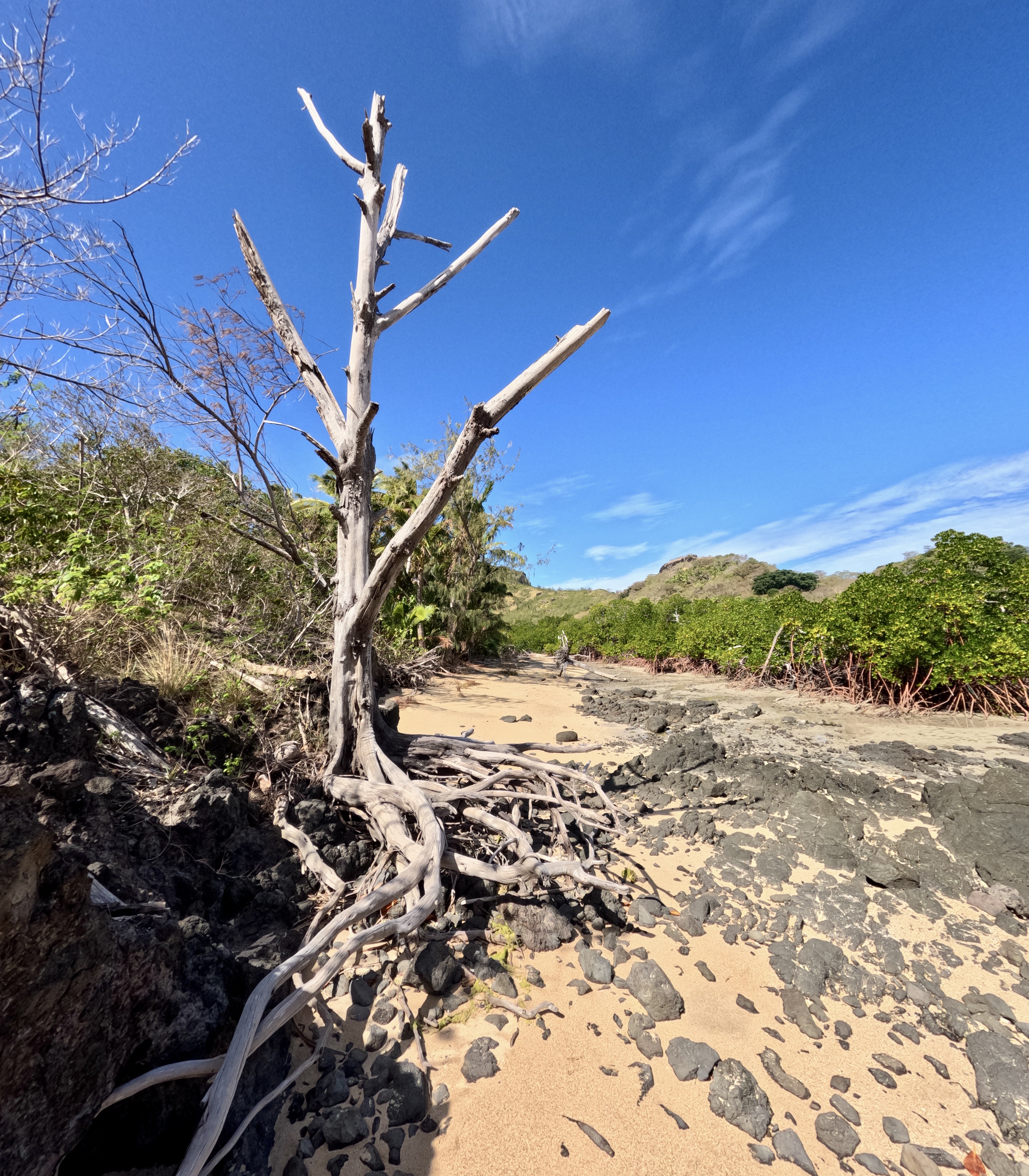
Regarding Cipu’s earlier directions to the path we couldn’t find, it turned out he obviously hadn’t misdirected us…we were just being stupid. We stumbled across it on the other side, and our return journey took a mere ten minutes. Locale knowledge is great, but only if you get it right.
While land excursions certainly provided adventure and entertainment, we were really salivating to get in the water. The underwater world at Namena Island had utterly blown us away, and we hoped that Yadua, even more off the beaten path, could possibly also deliver the goods with some additional stunning dives.
Initially, we took the dinghy out with snorkeling gear to suss out the point just south of the bay we were anchored in.
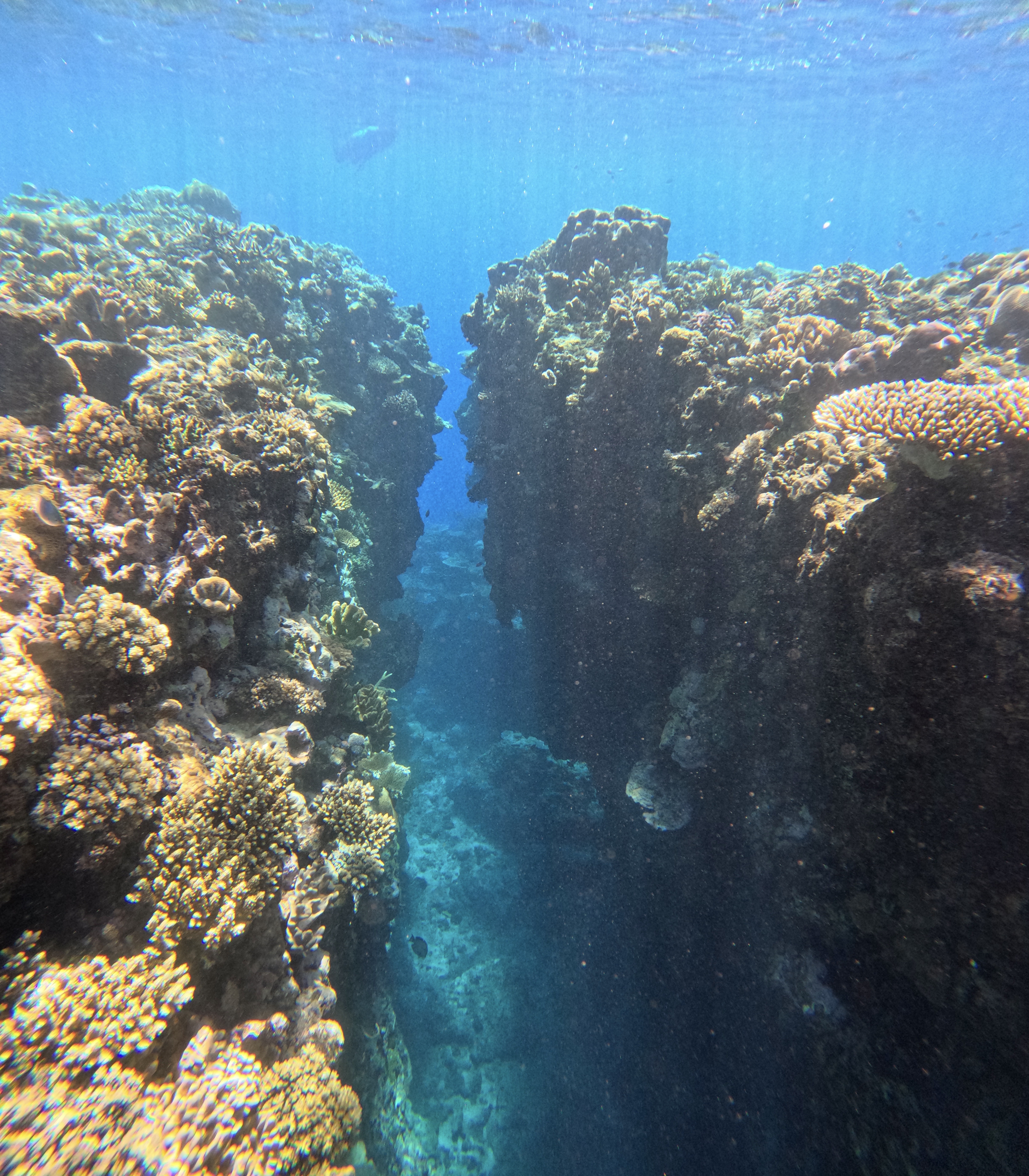
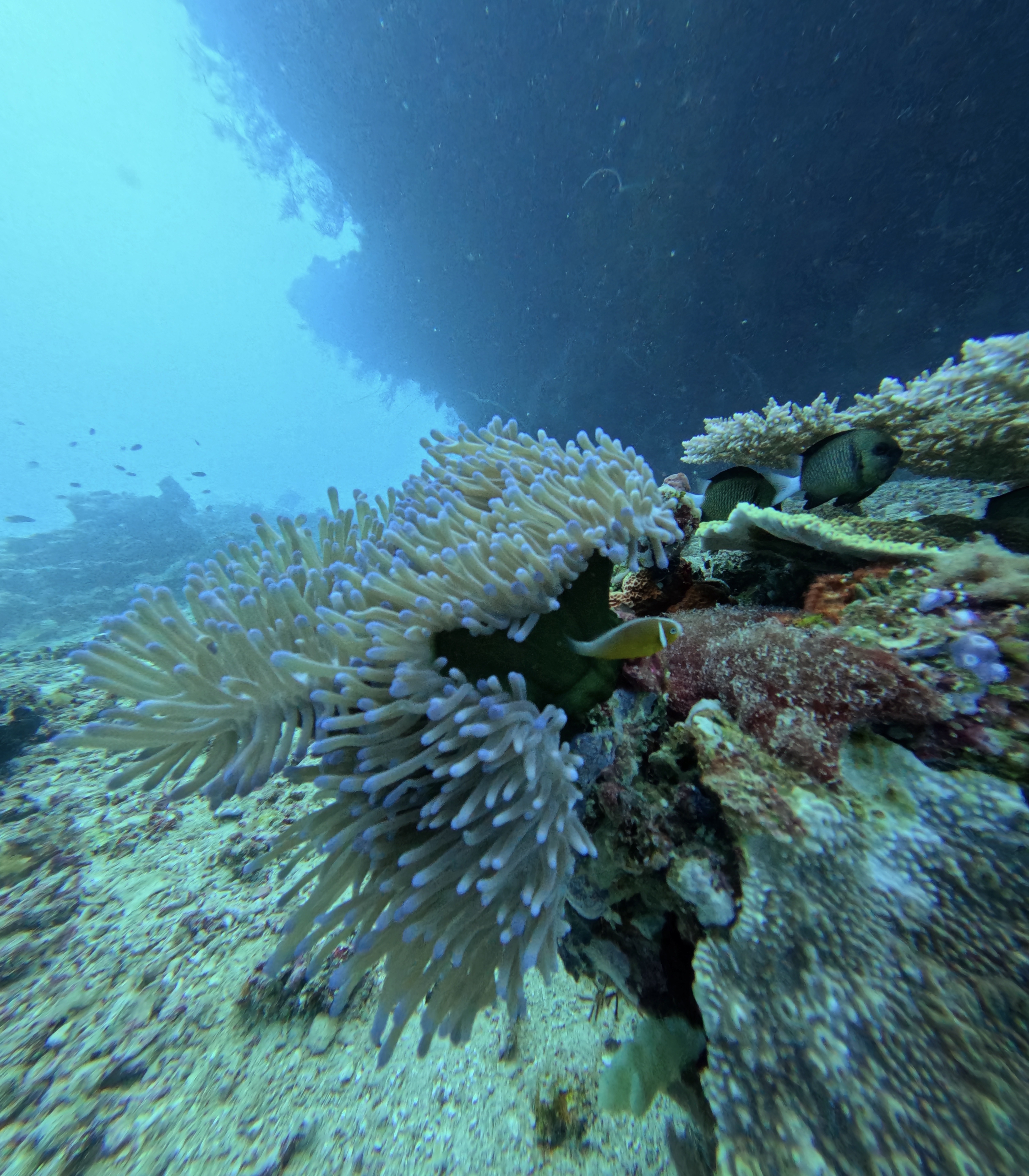
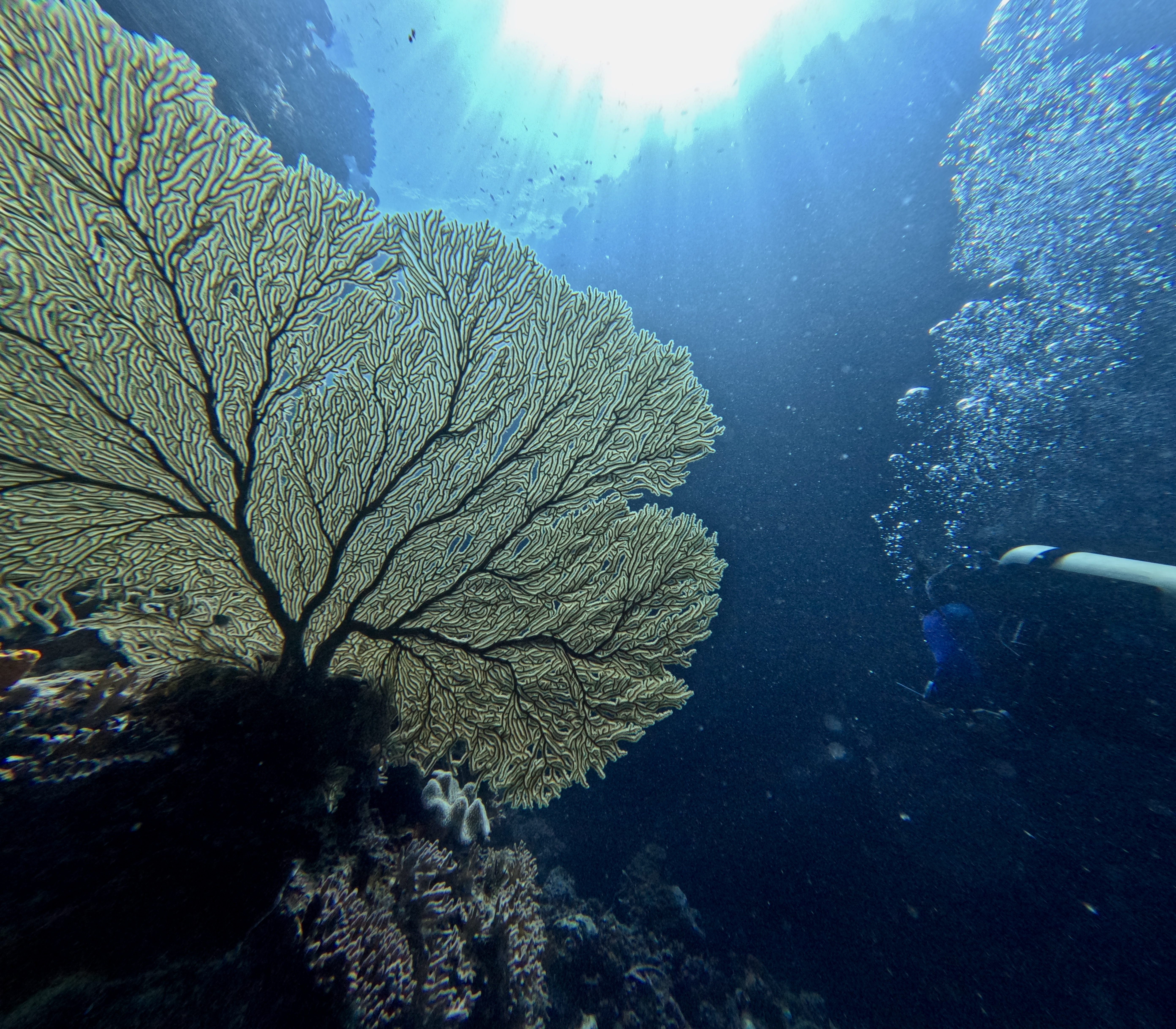
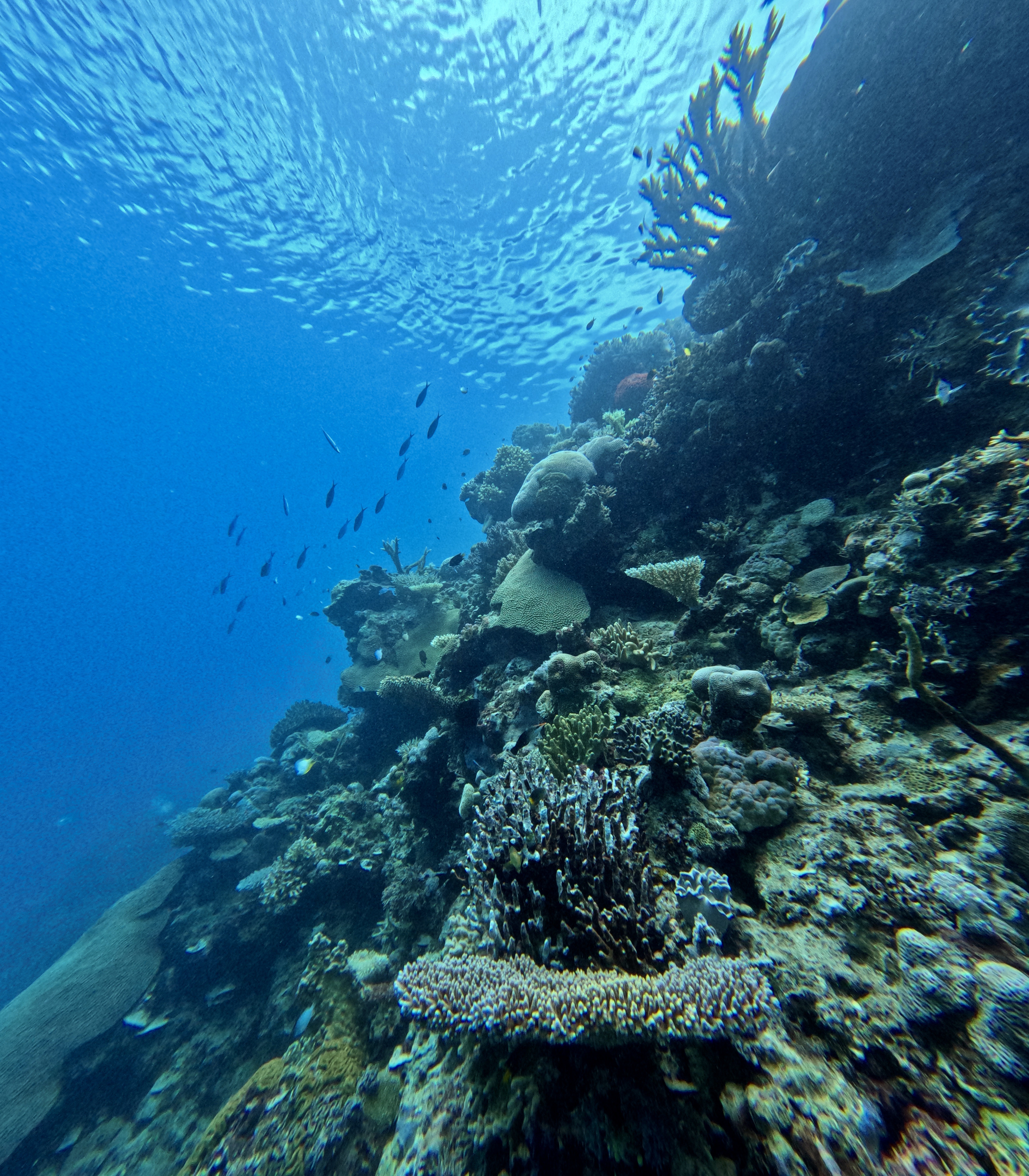
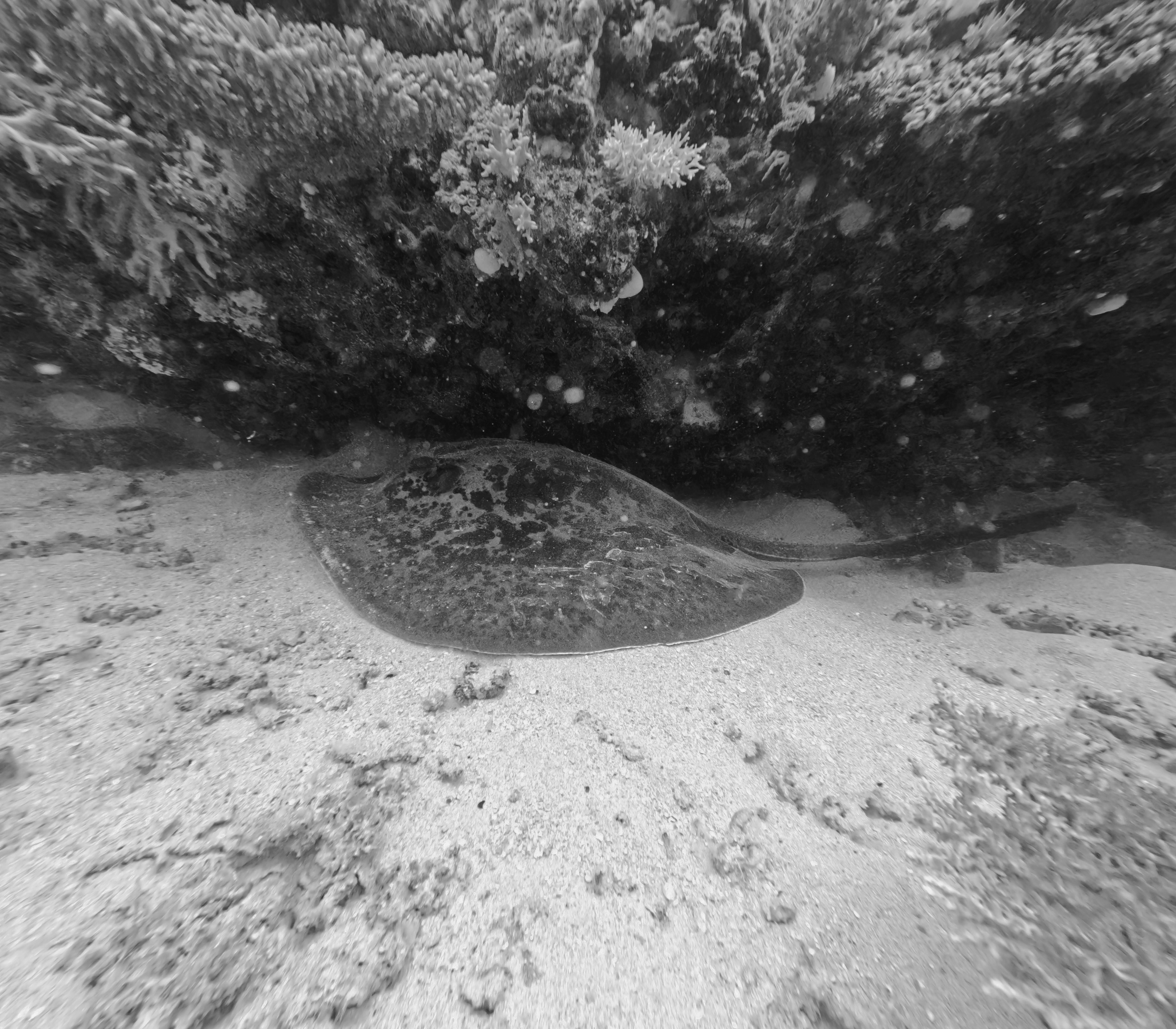
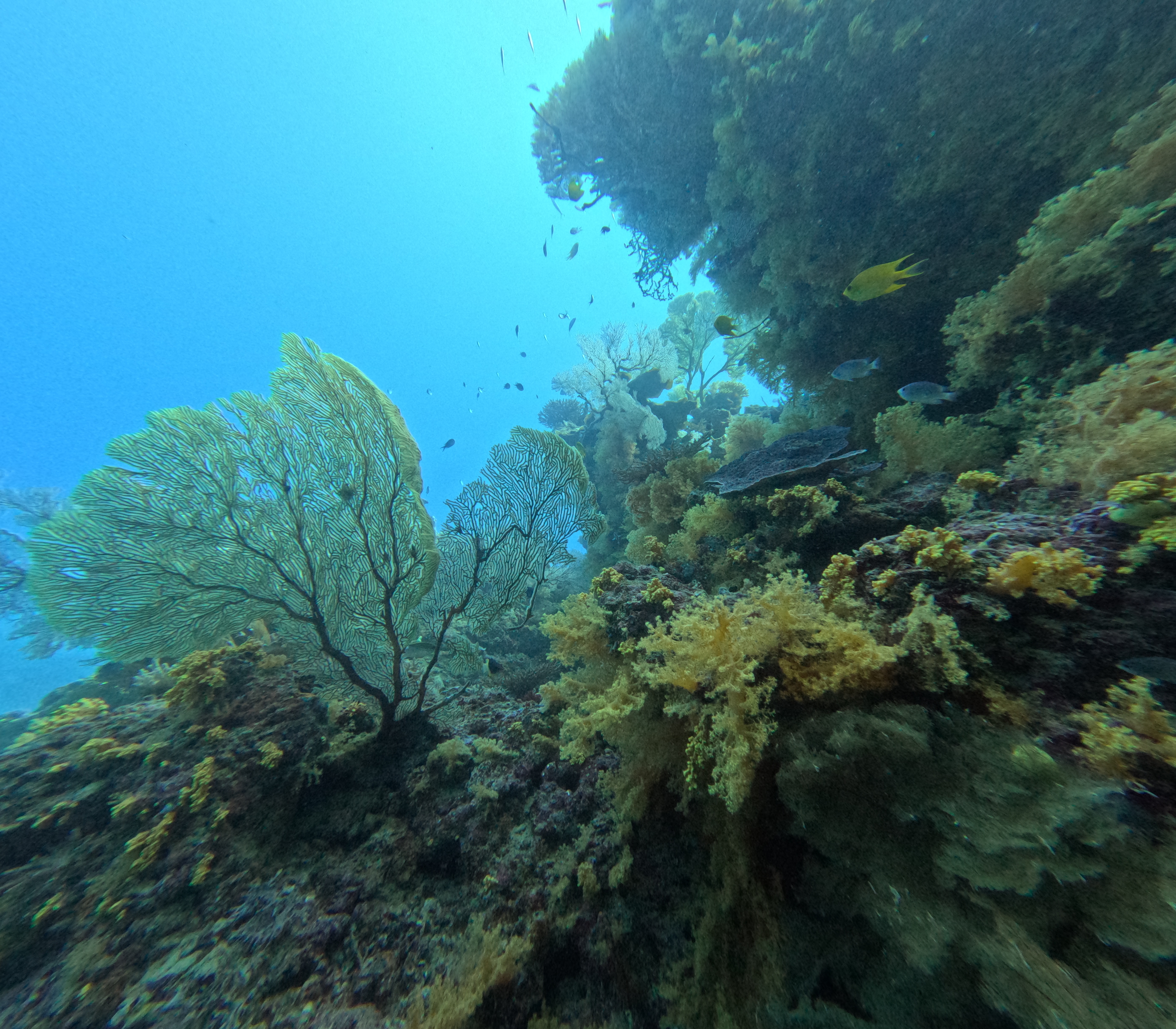
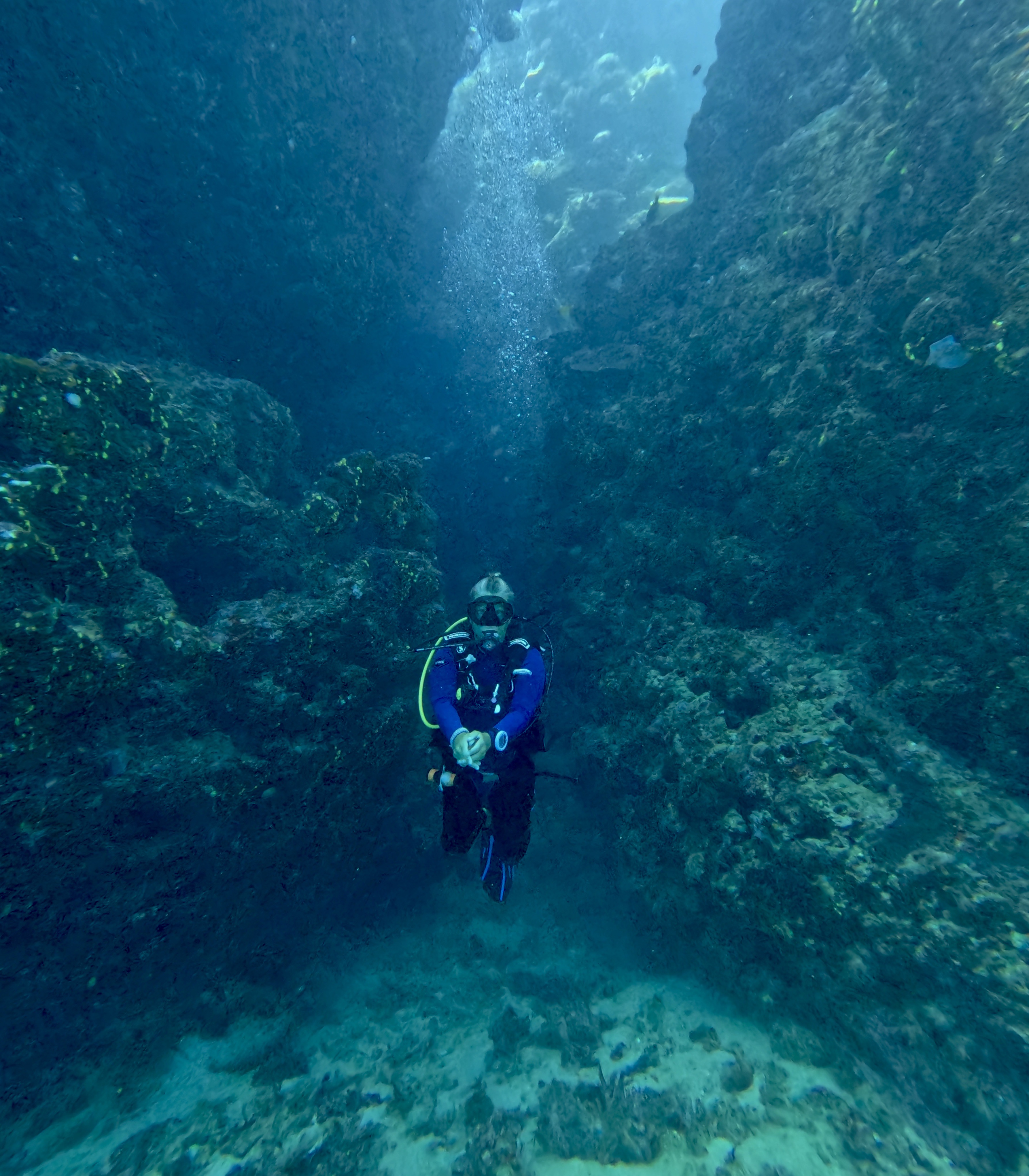
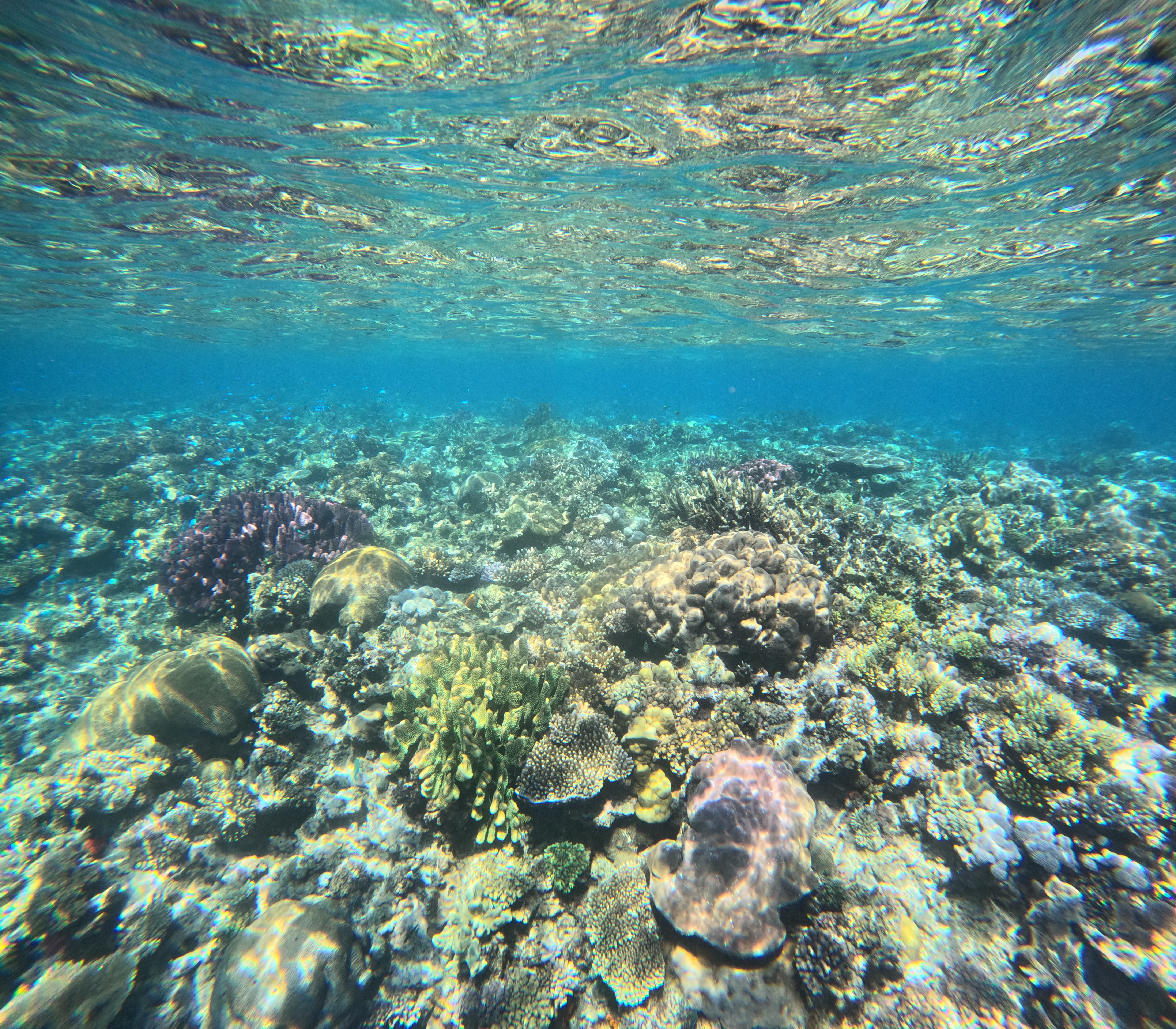
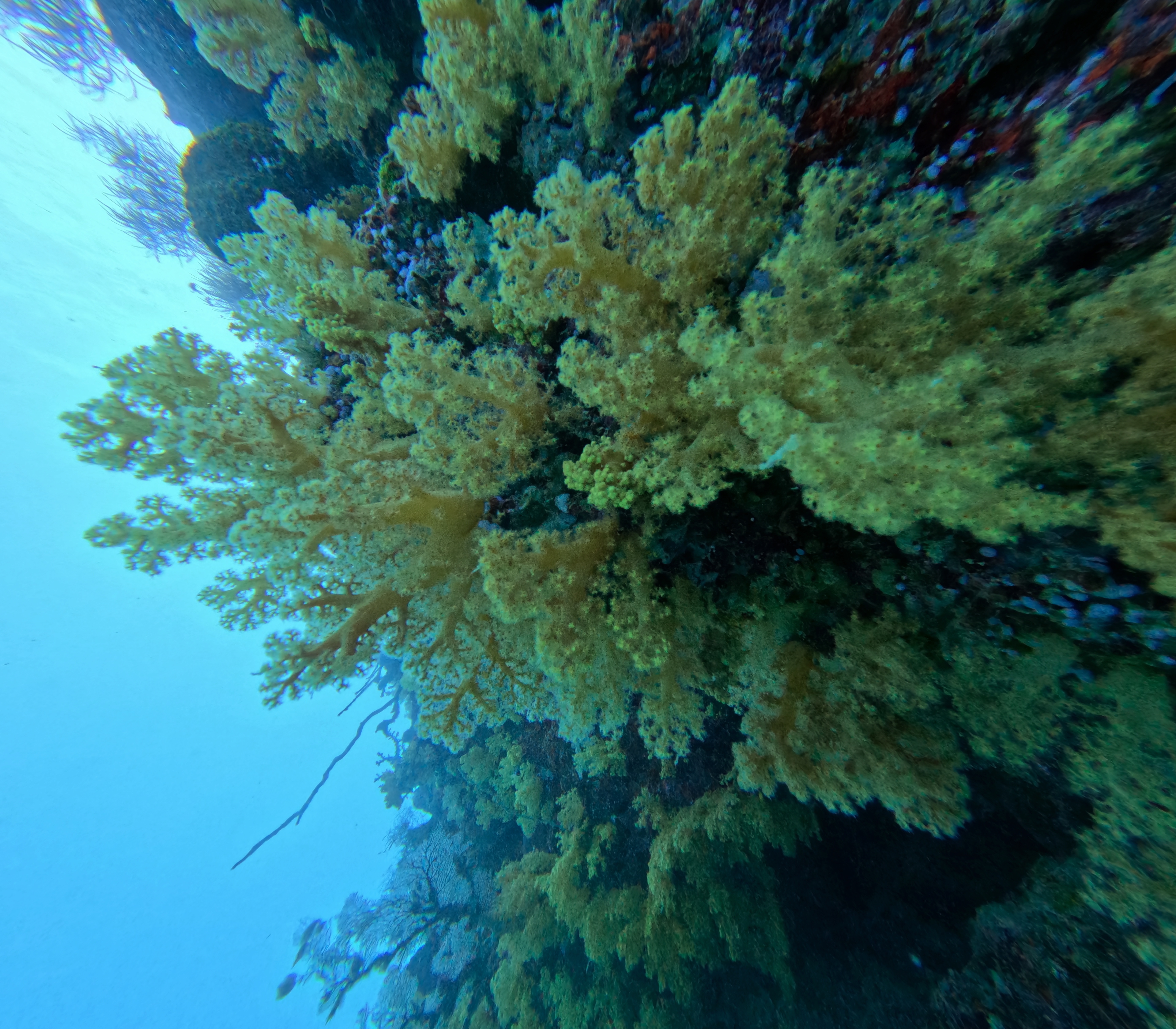
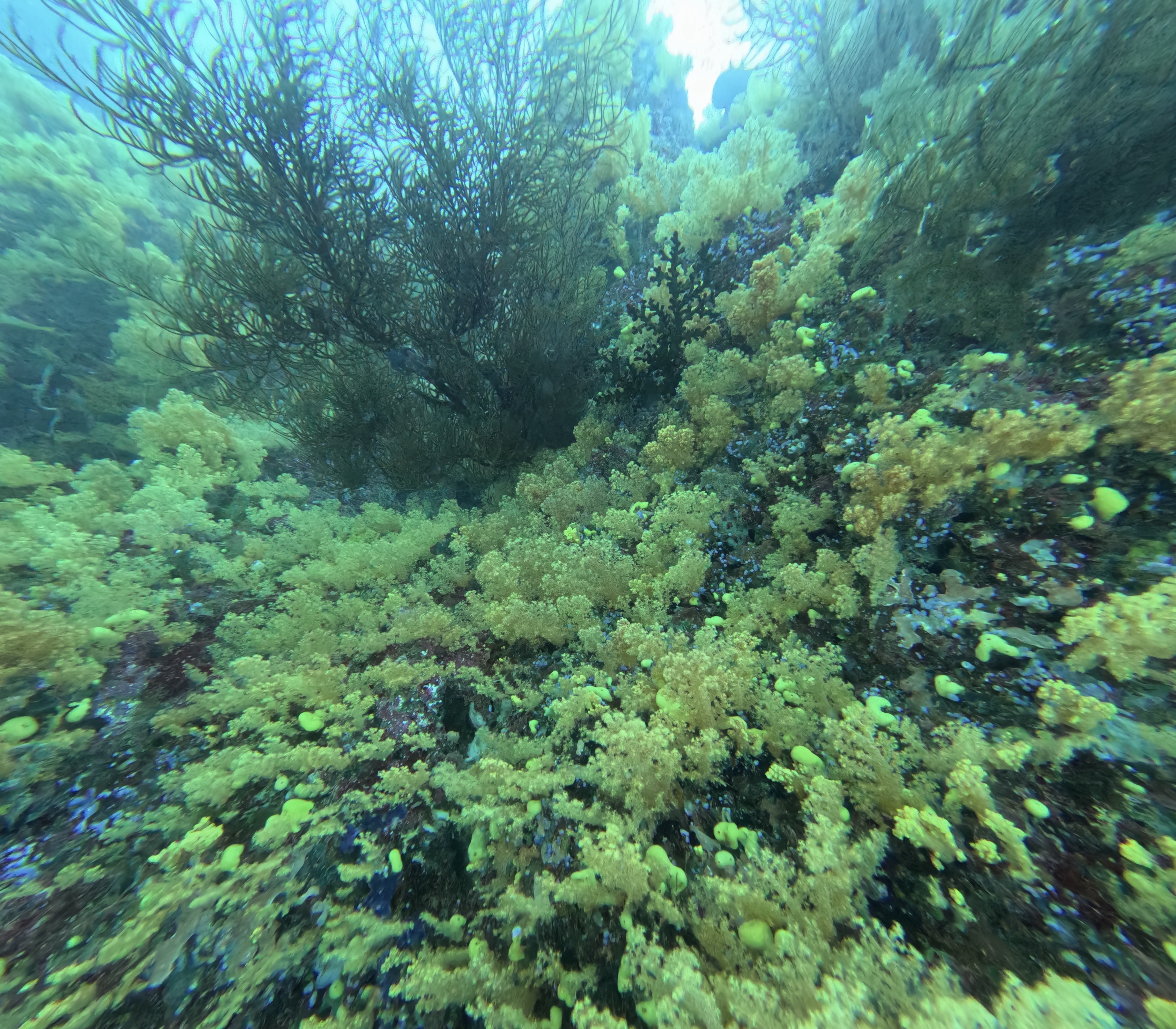
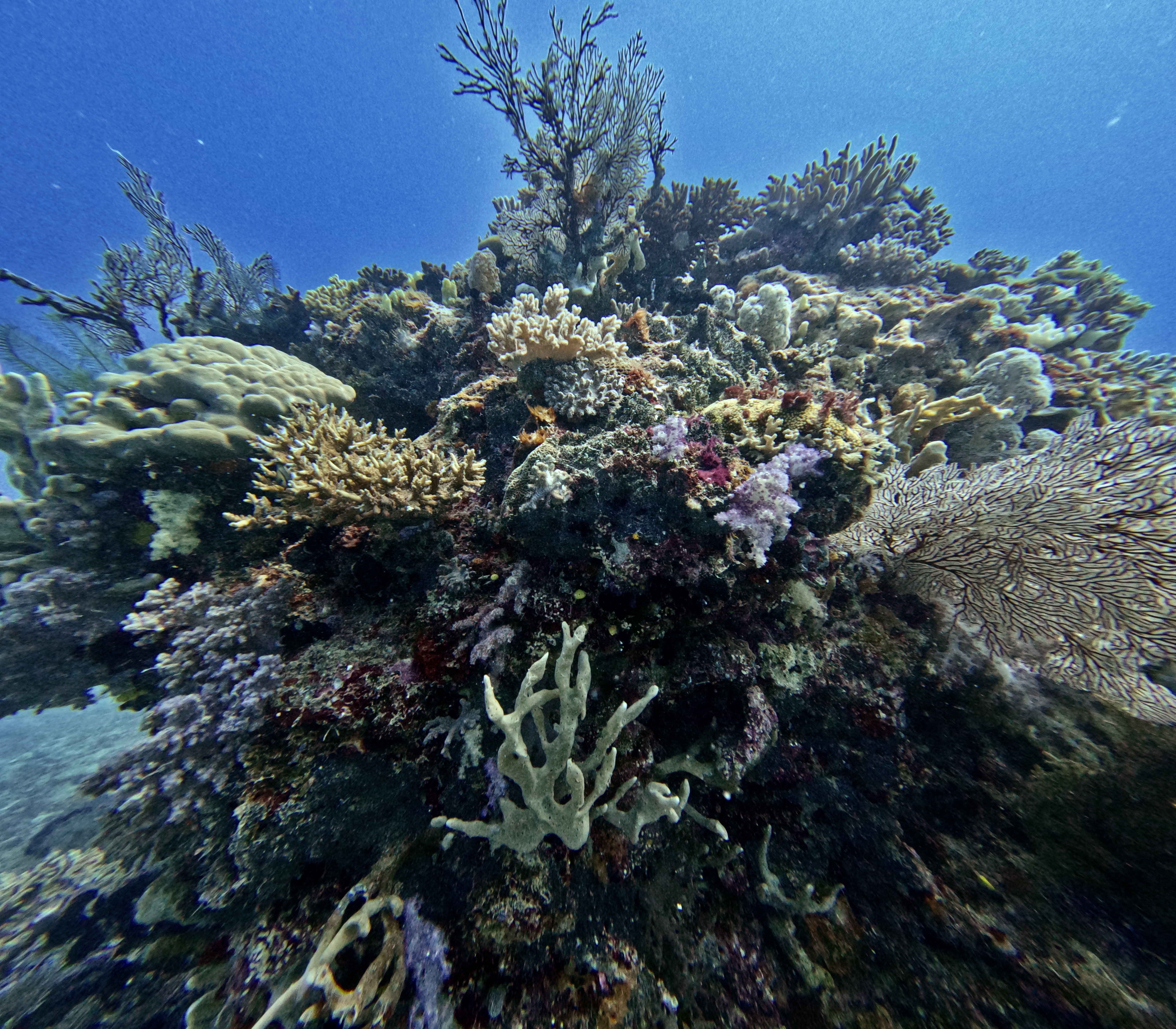
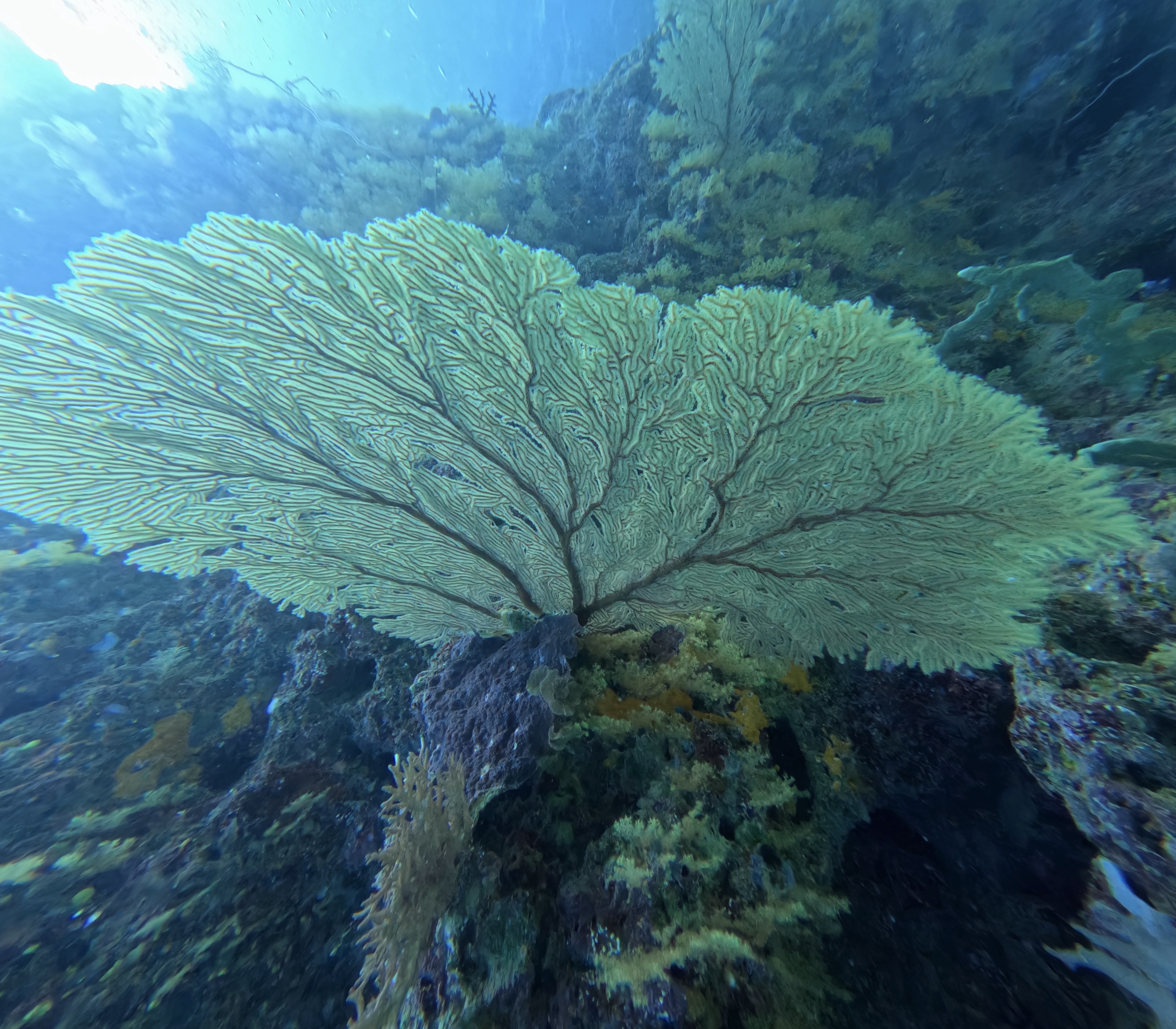
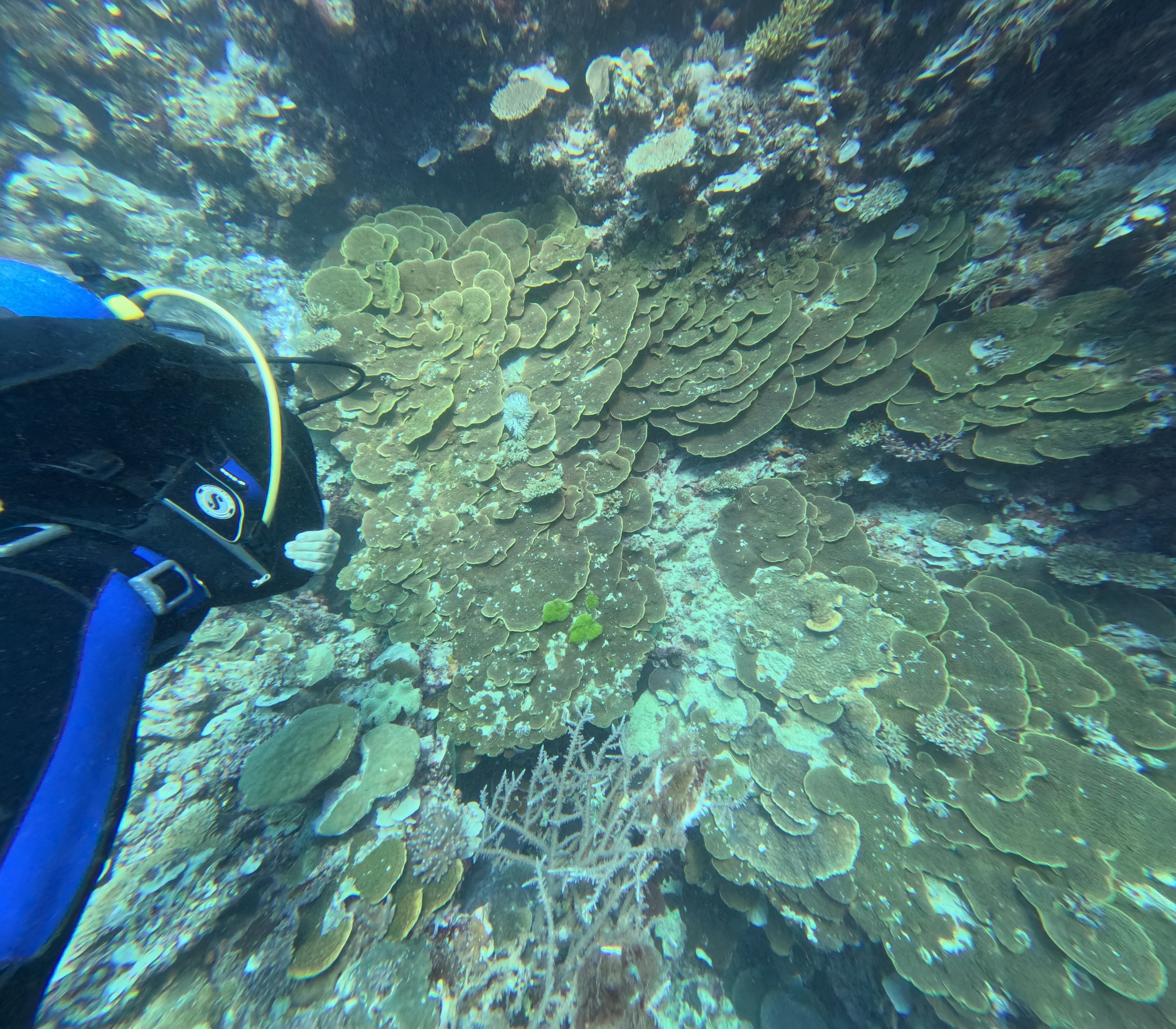
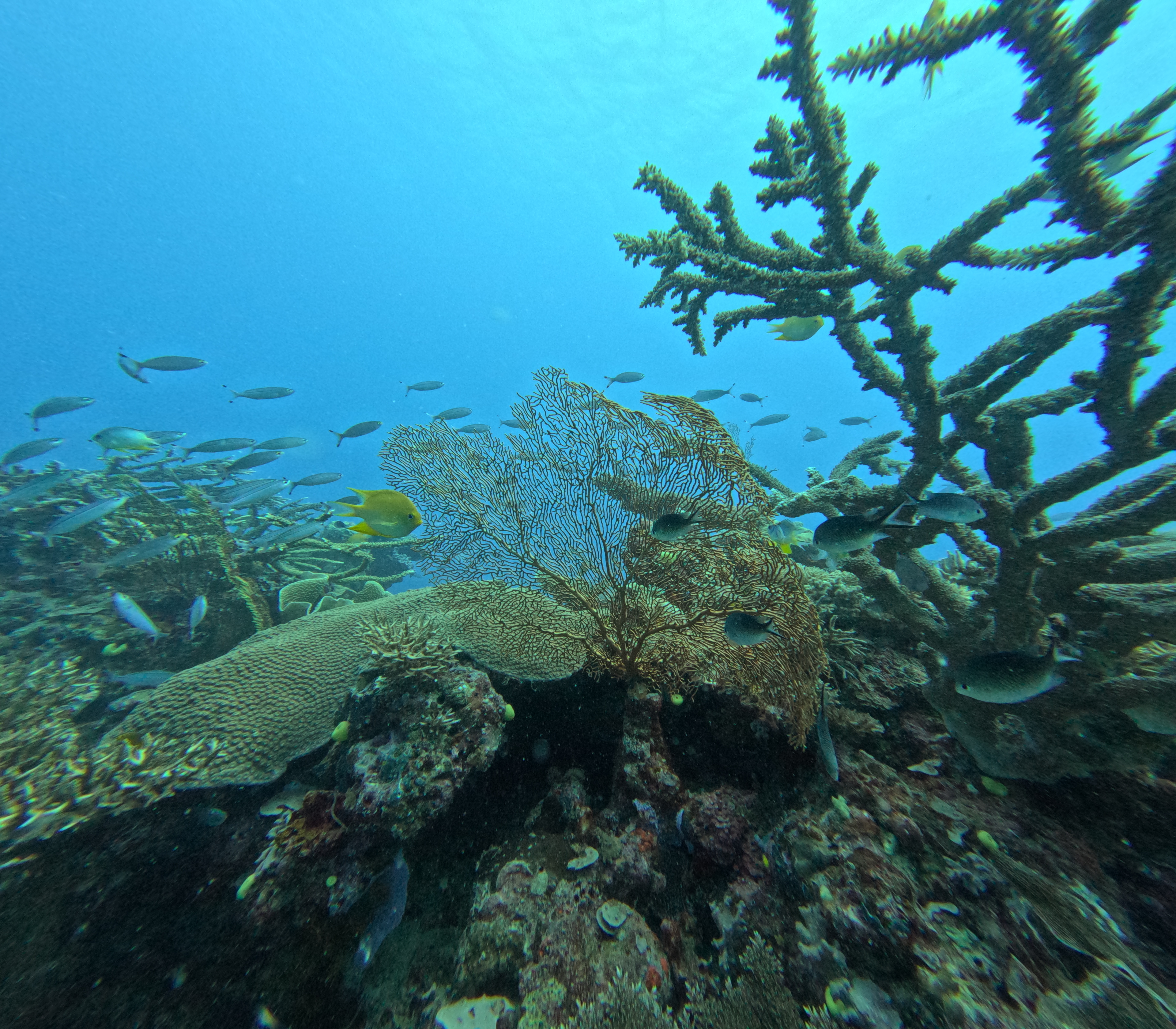
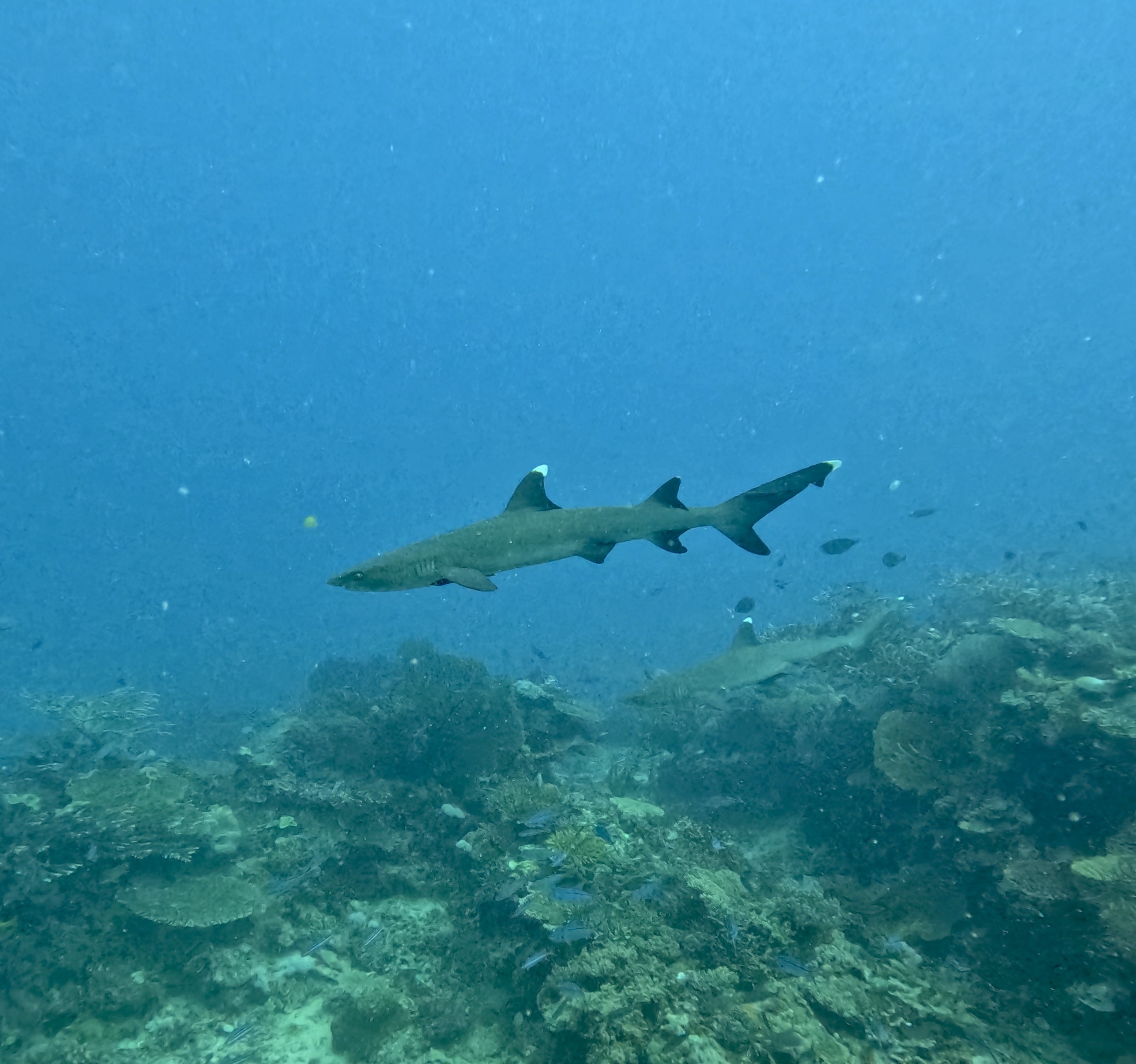
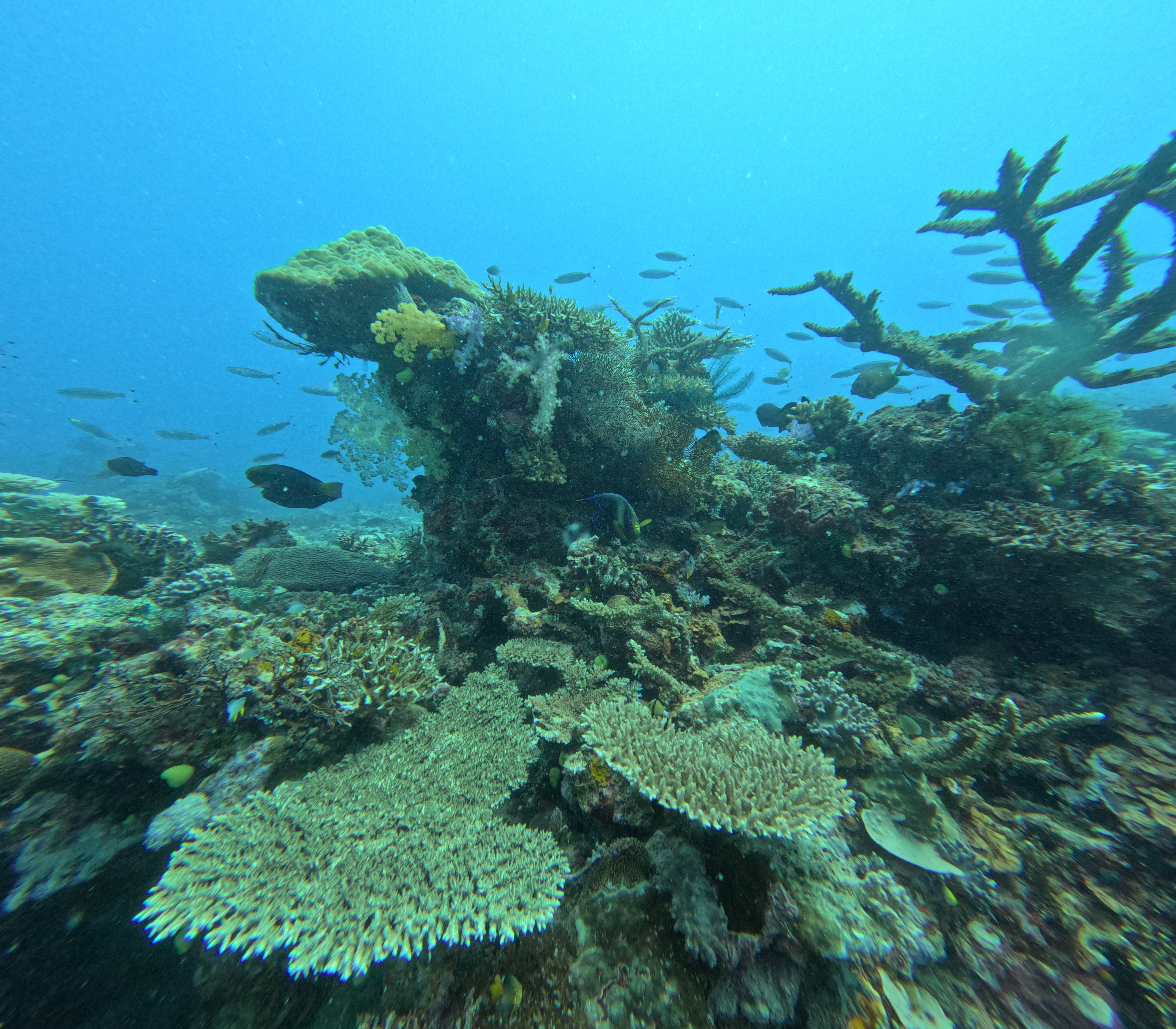
As soon as we got in the water, we knew that Yadua was going to be something special as well, potentially even exceeding what we had witnessed at Namena Island. The water was so clear…and the variety of coral, fish, and topography was staggering.
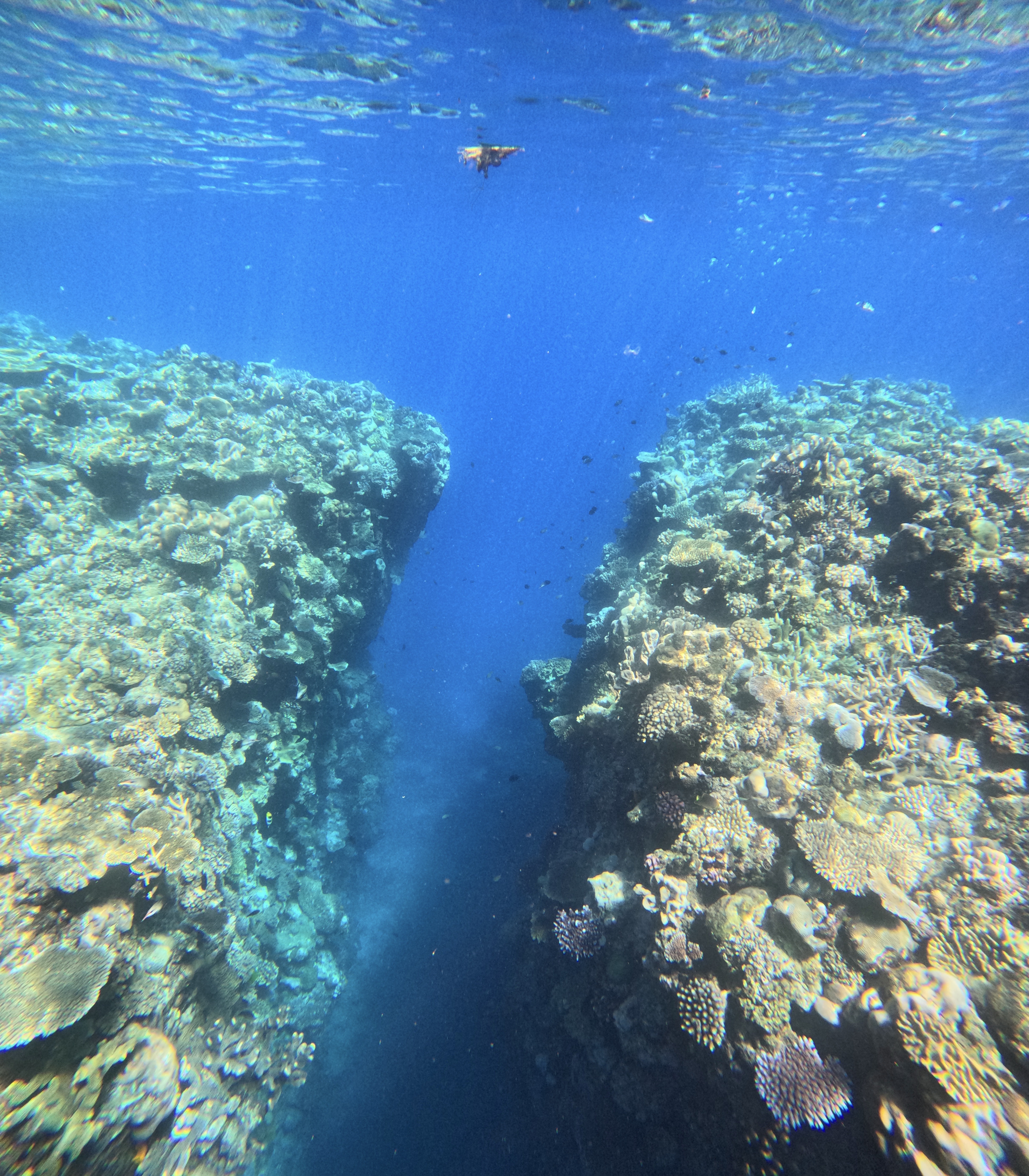
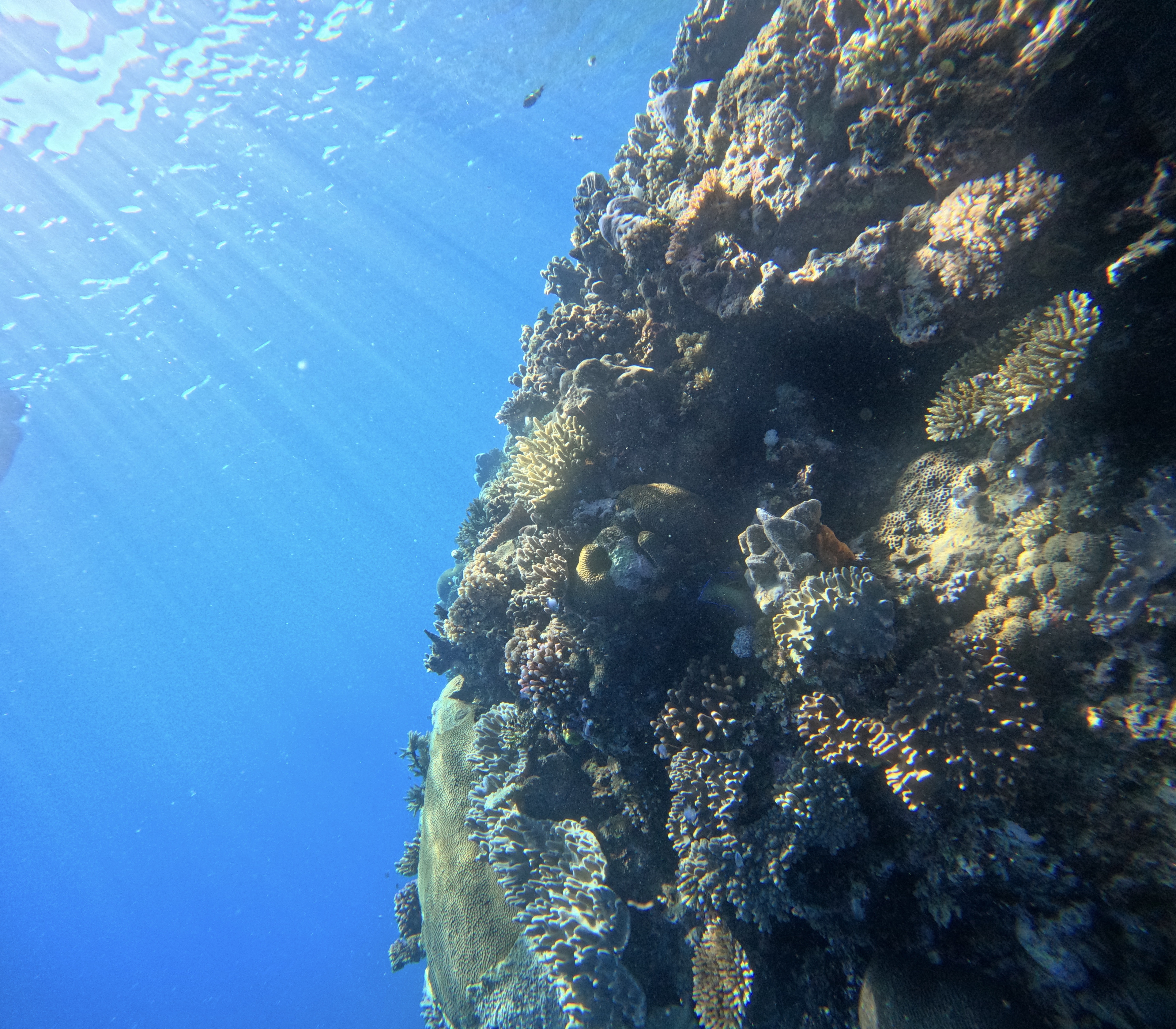

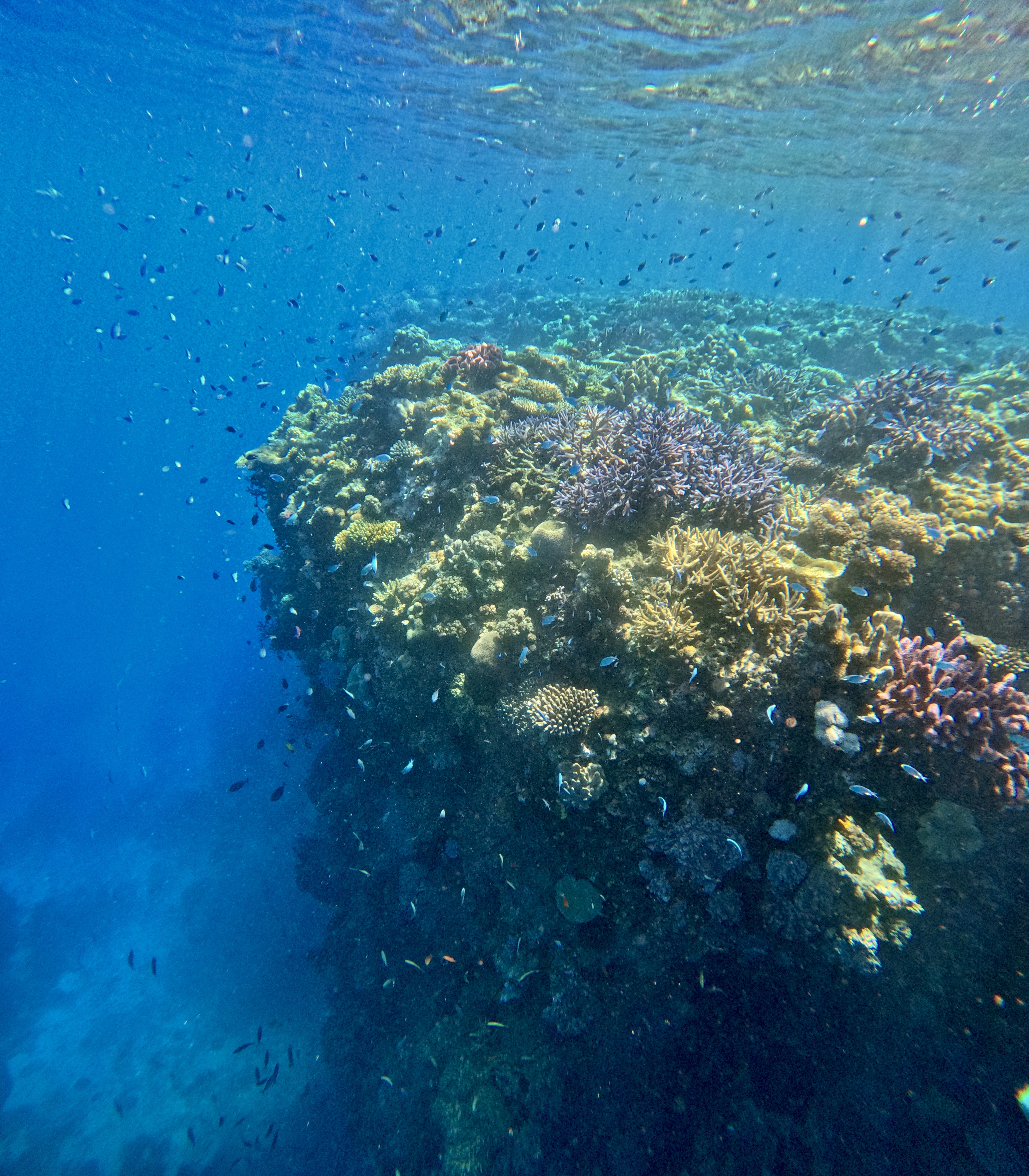
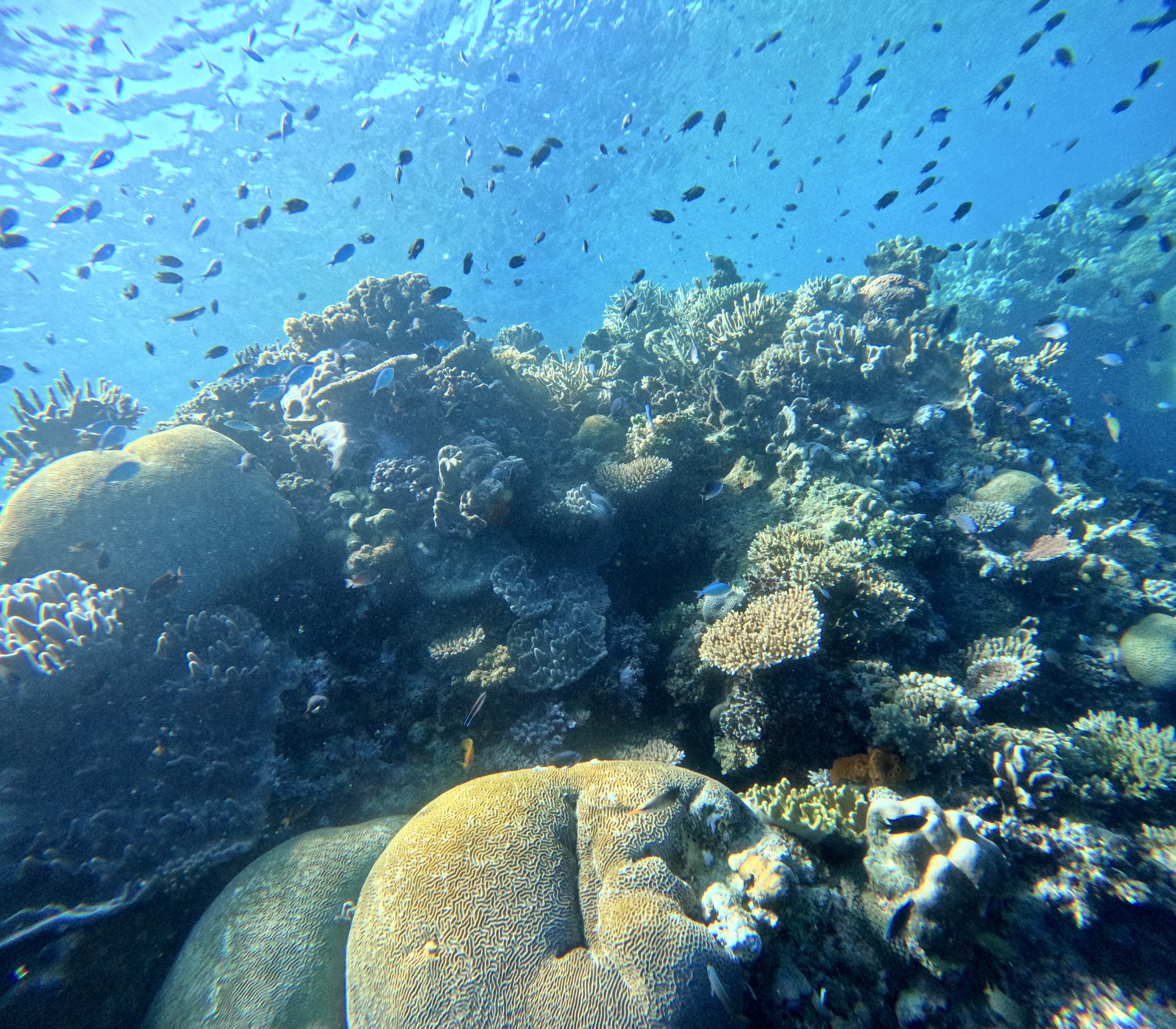
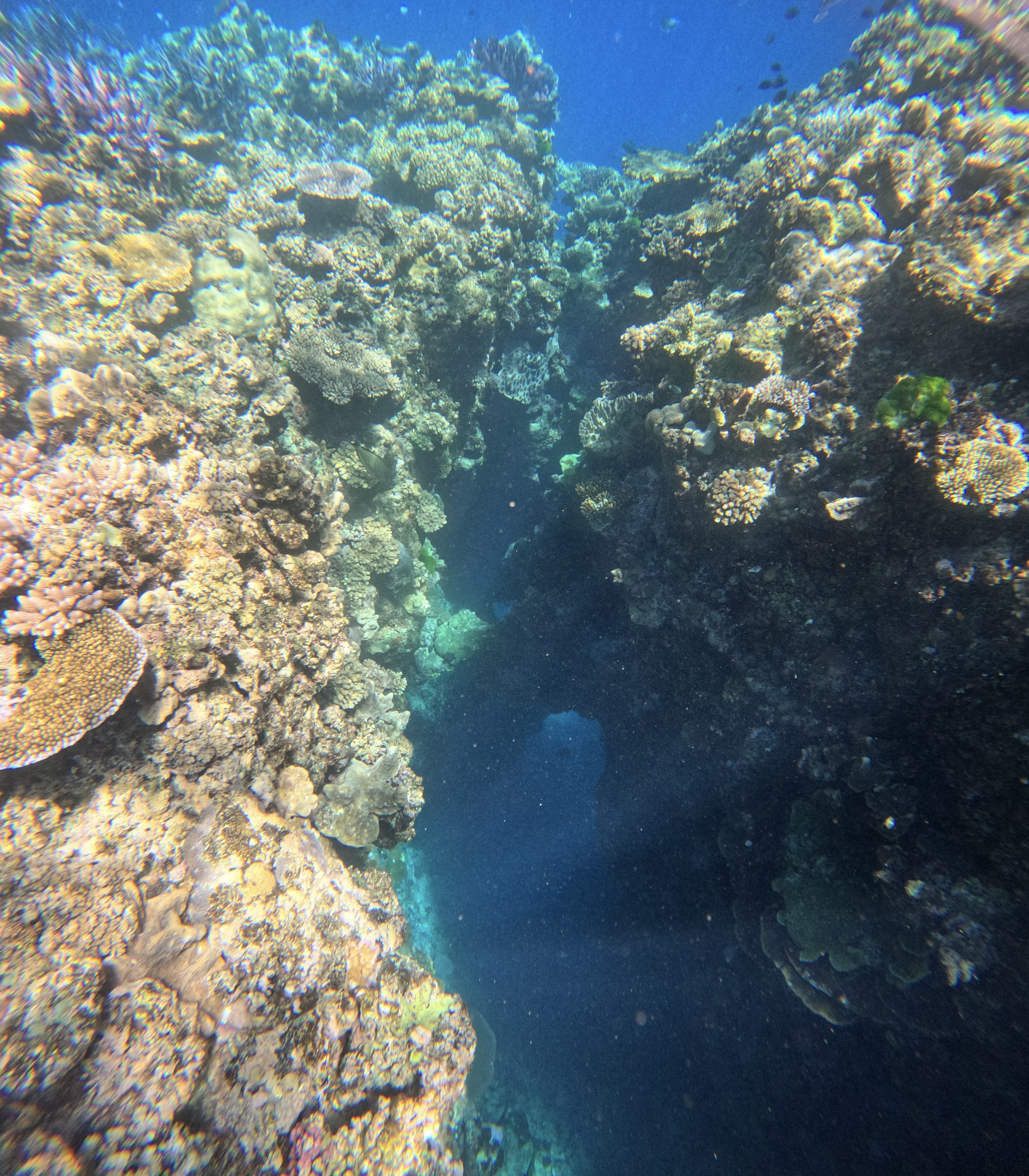
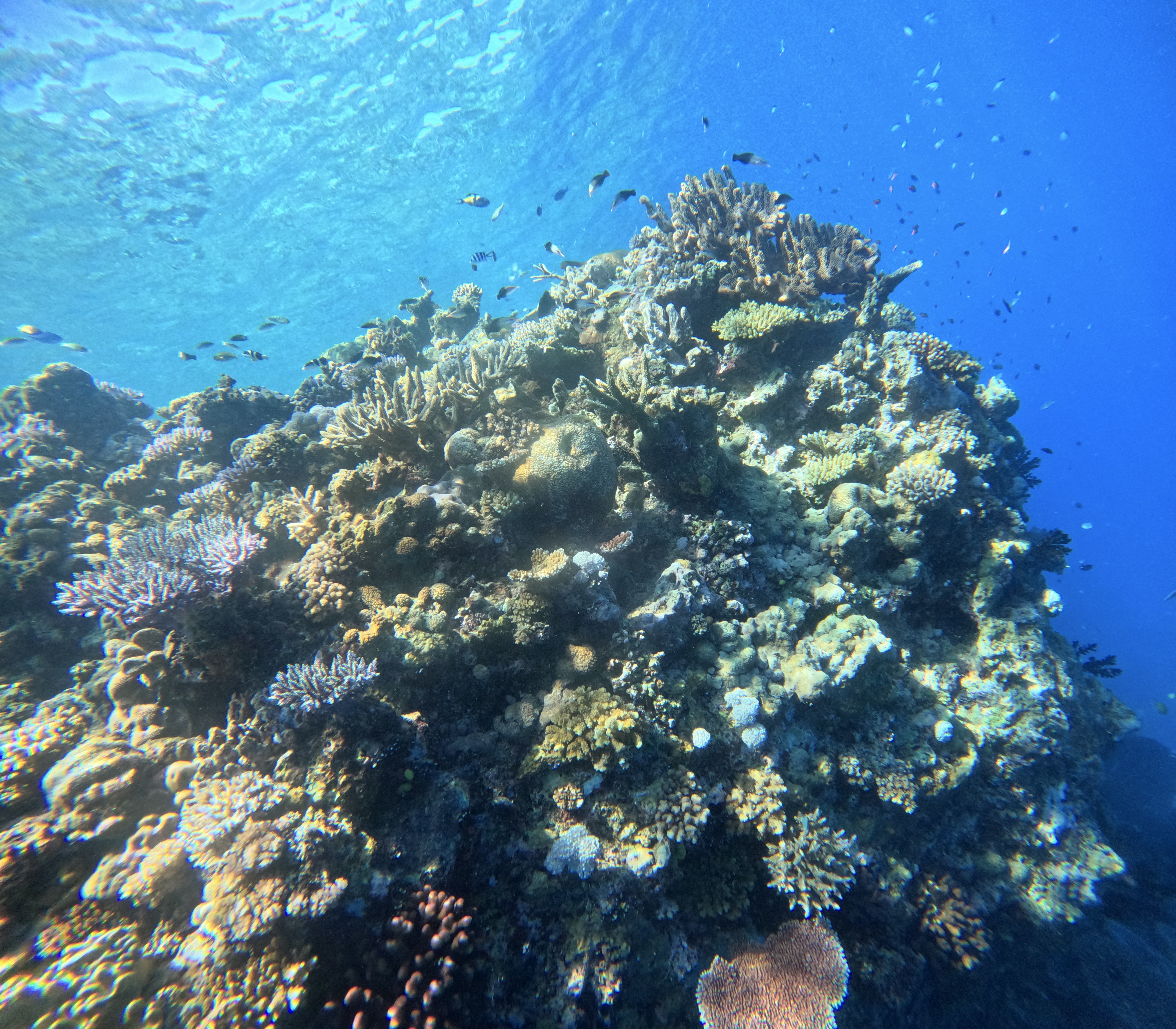
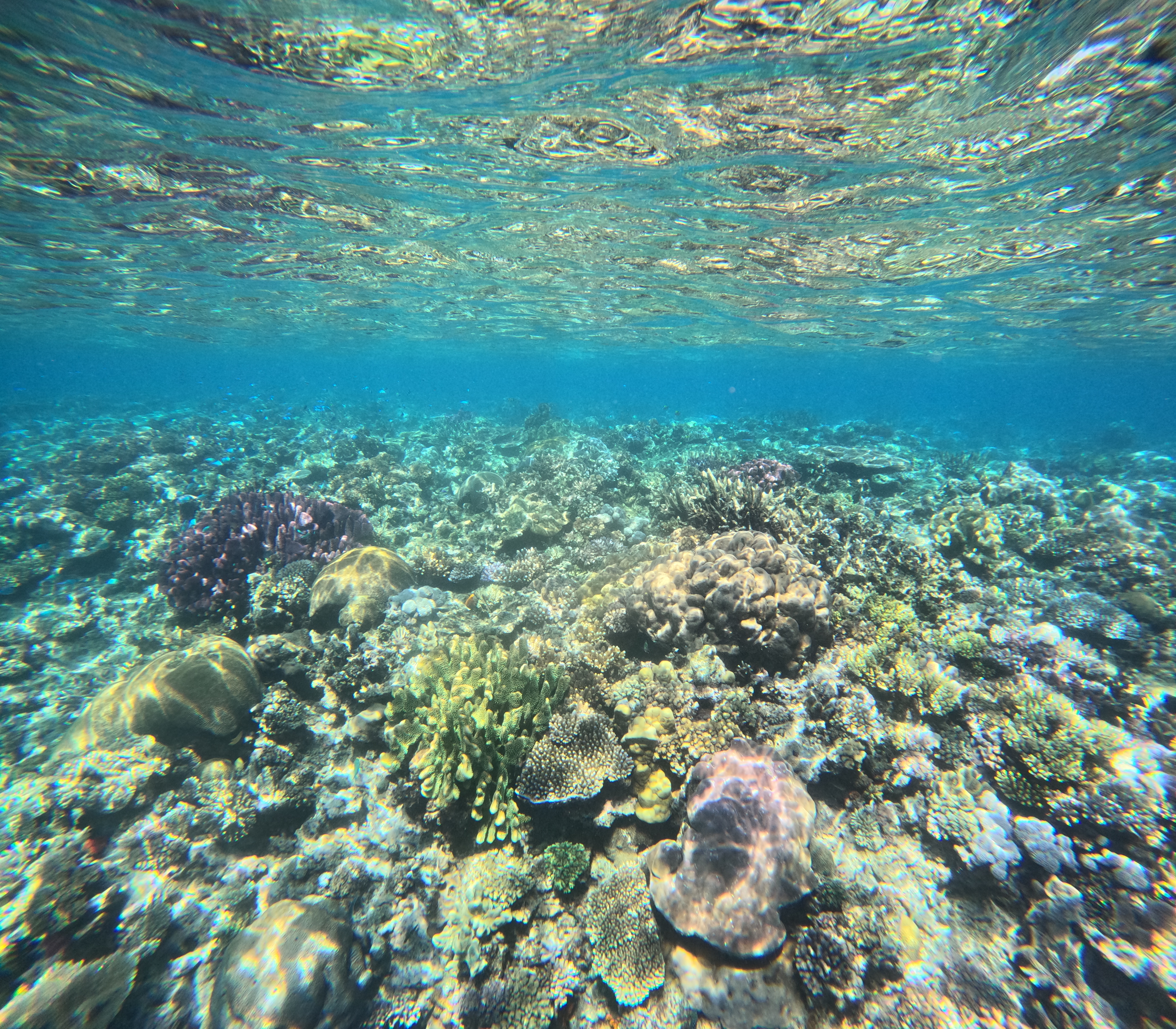
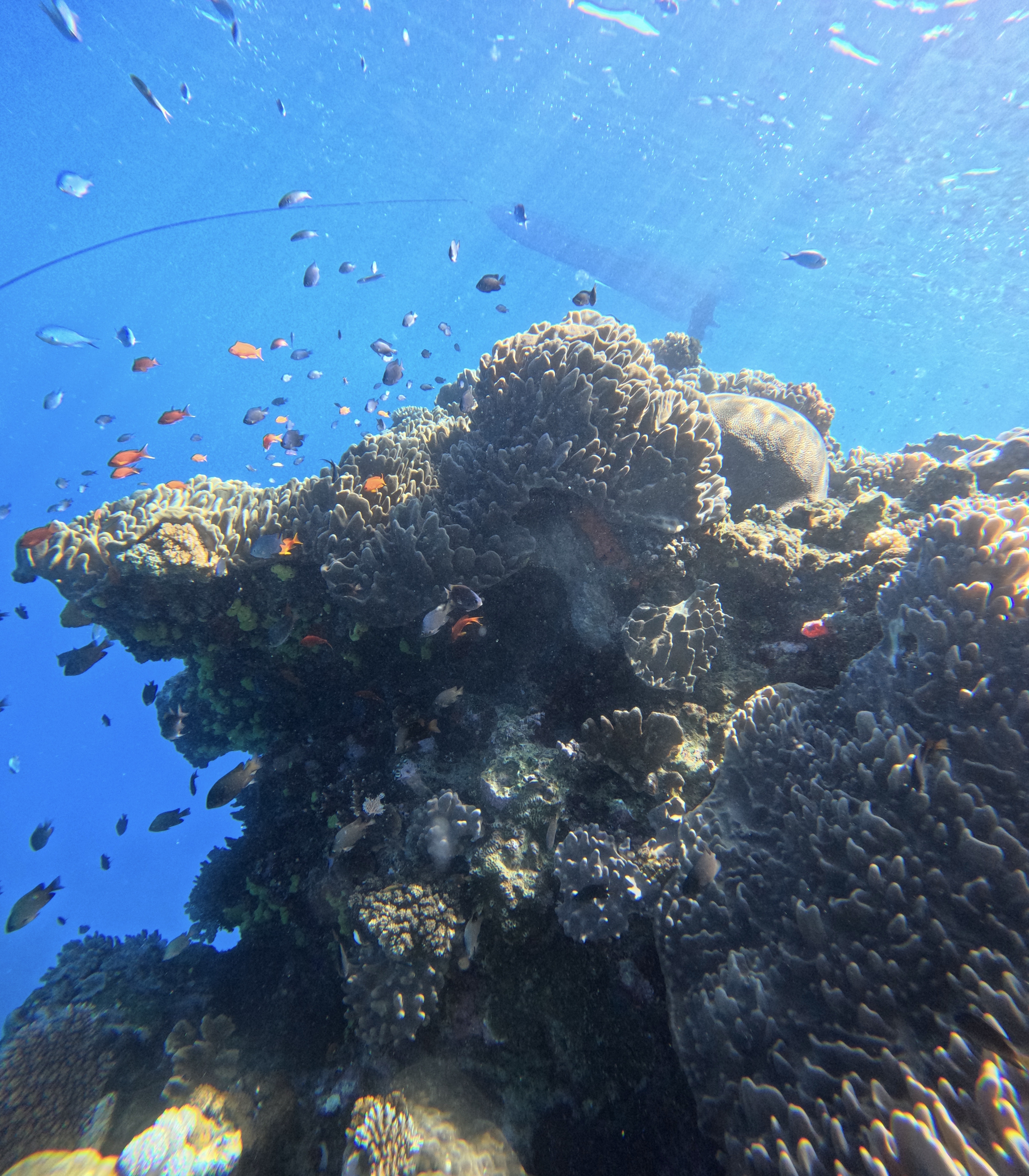
Two days later we returned, with dive gear, and started exploring. It was absolutely astonishing.
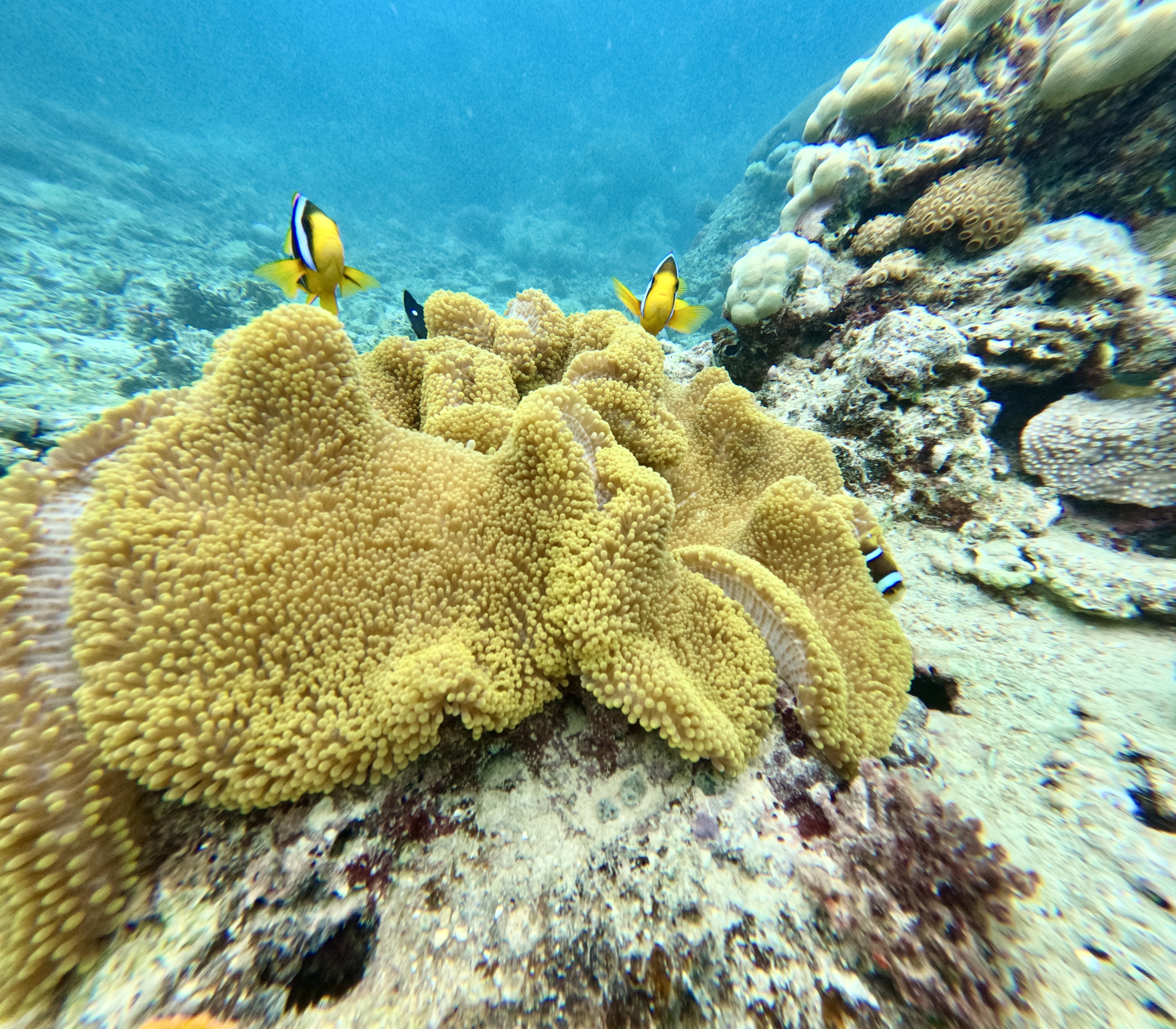
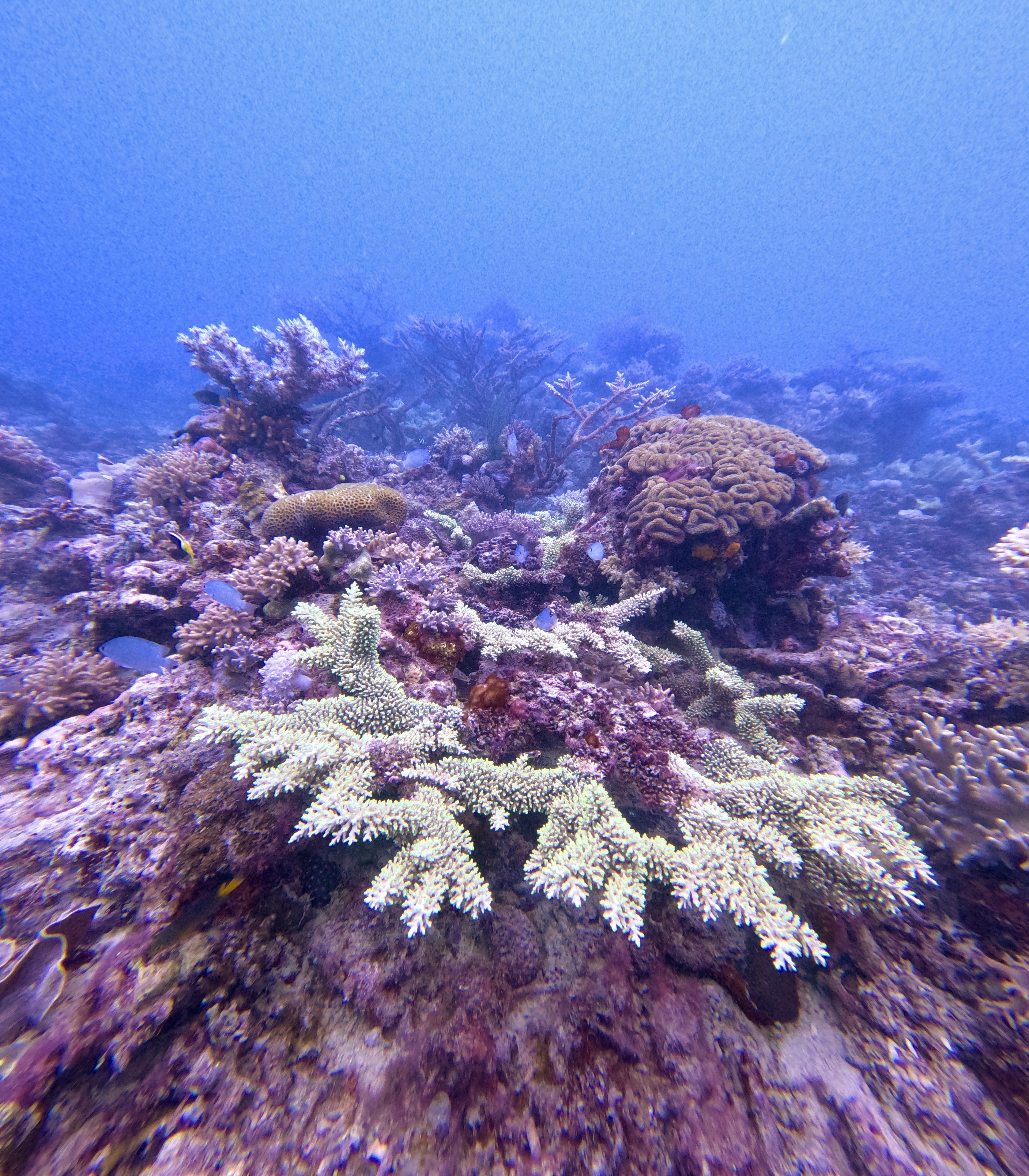
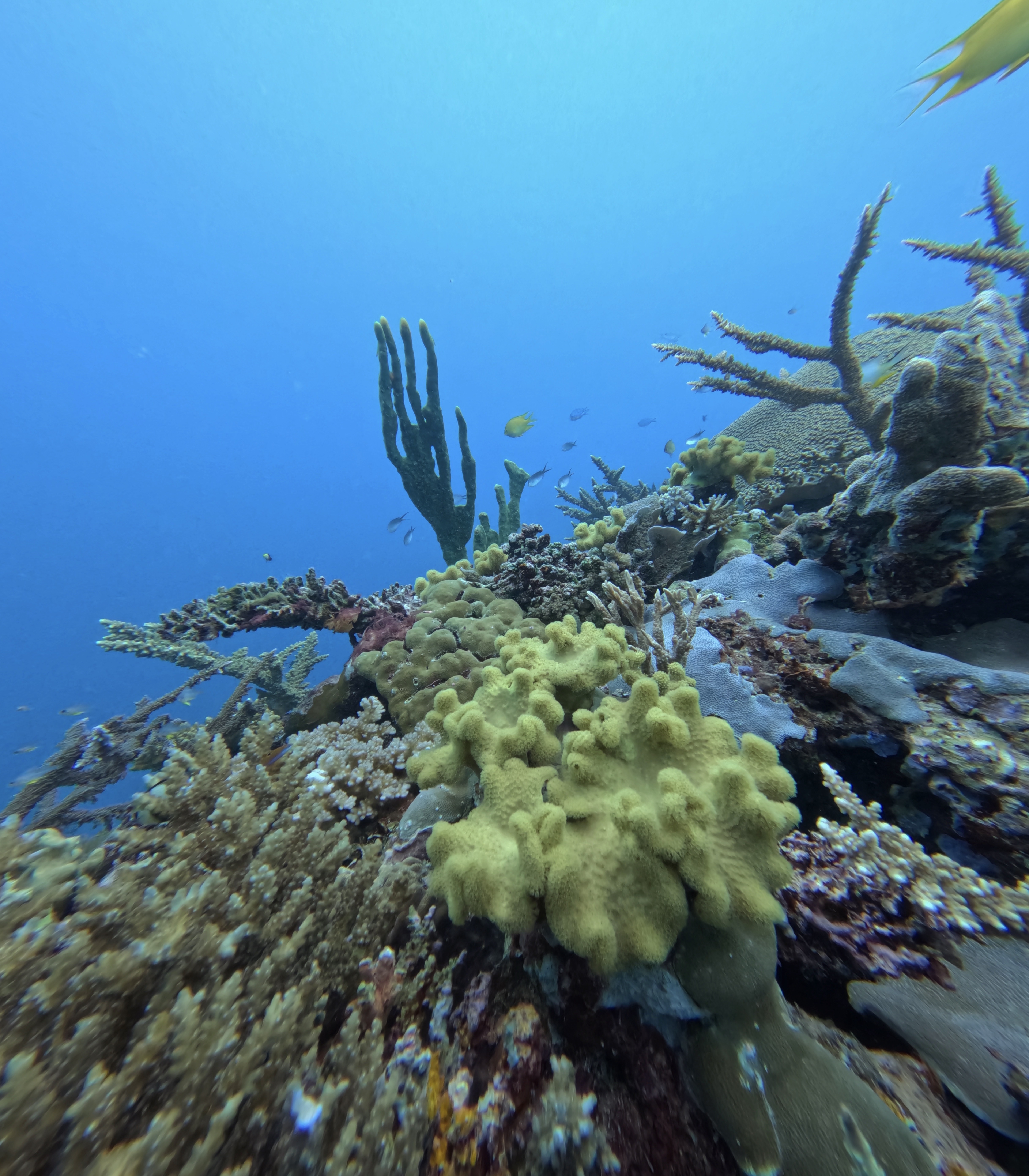

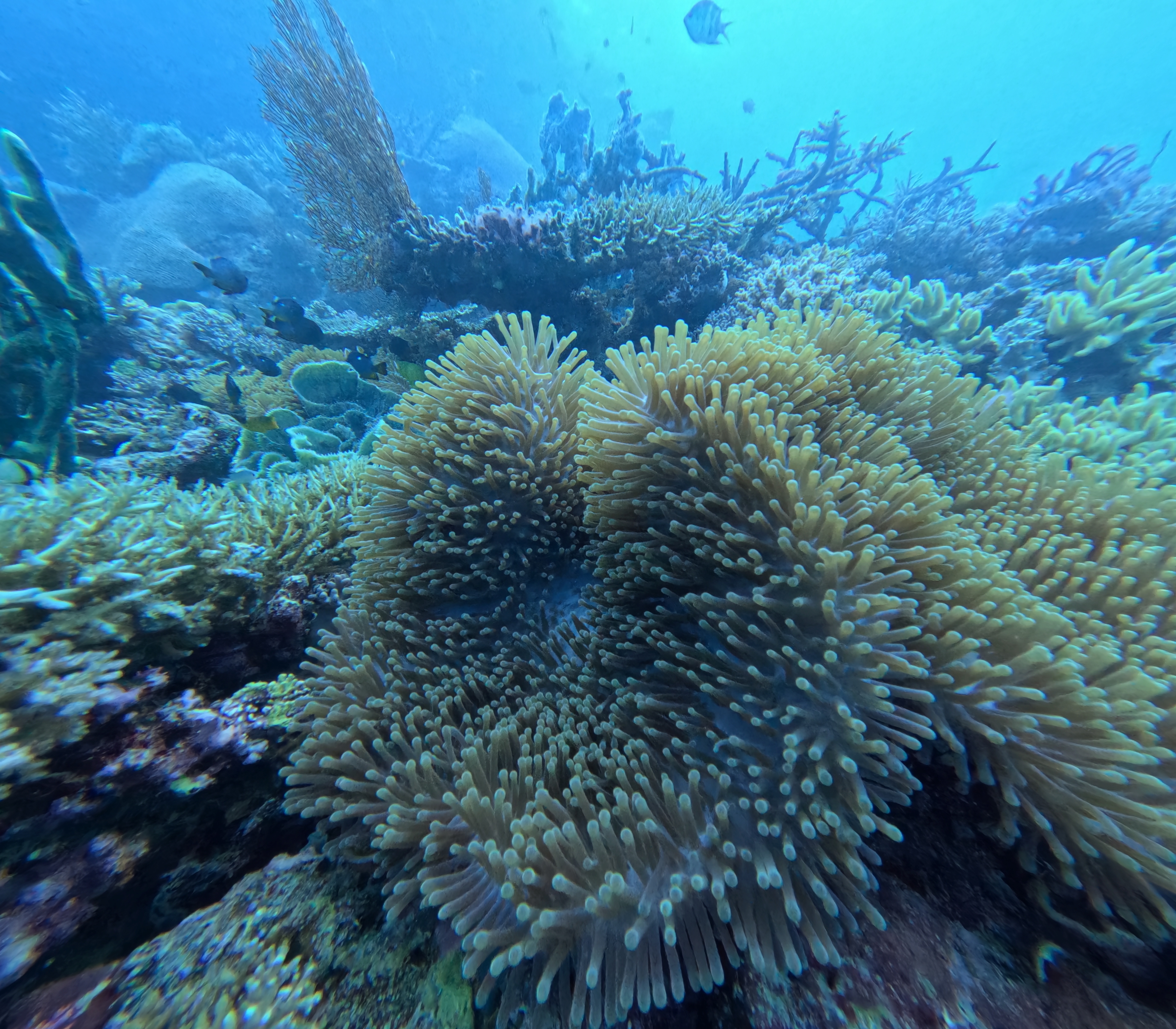
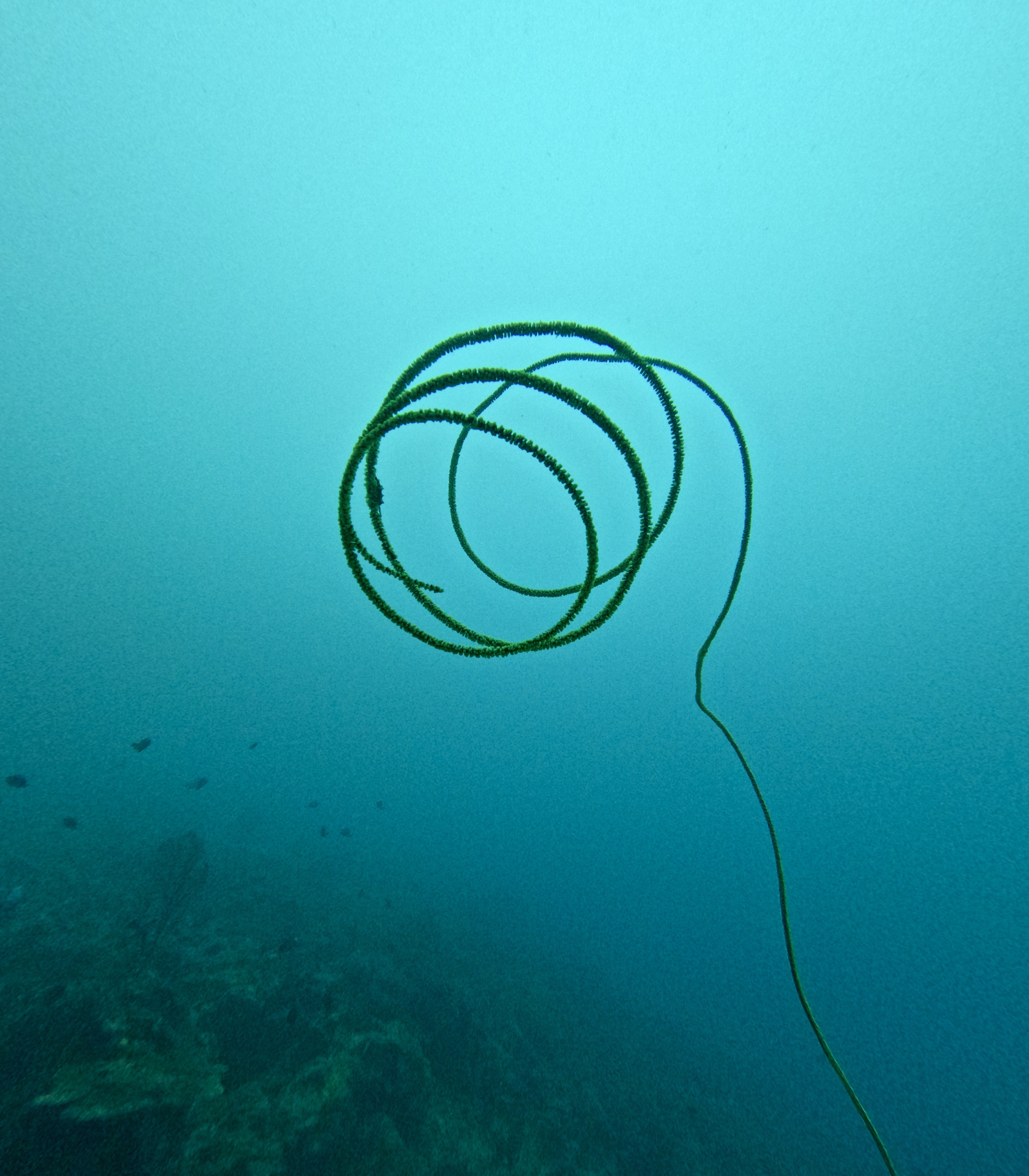
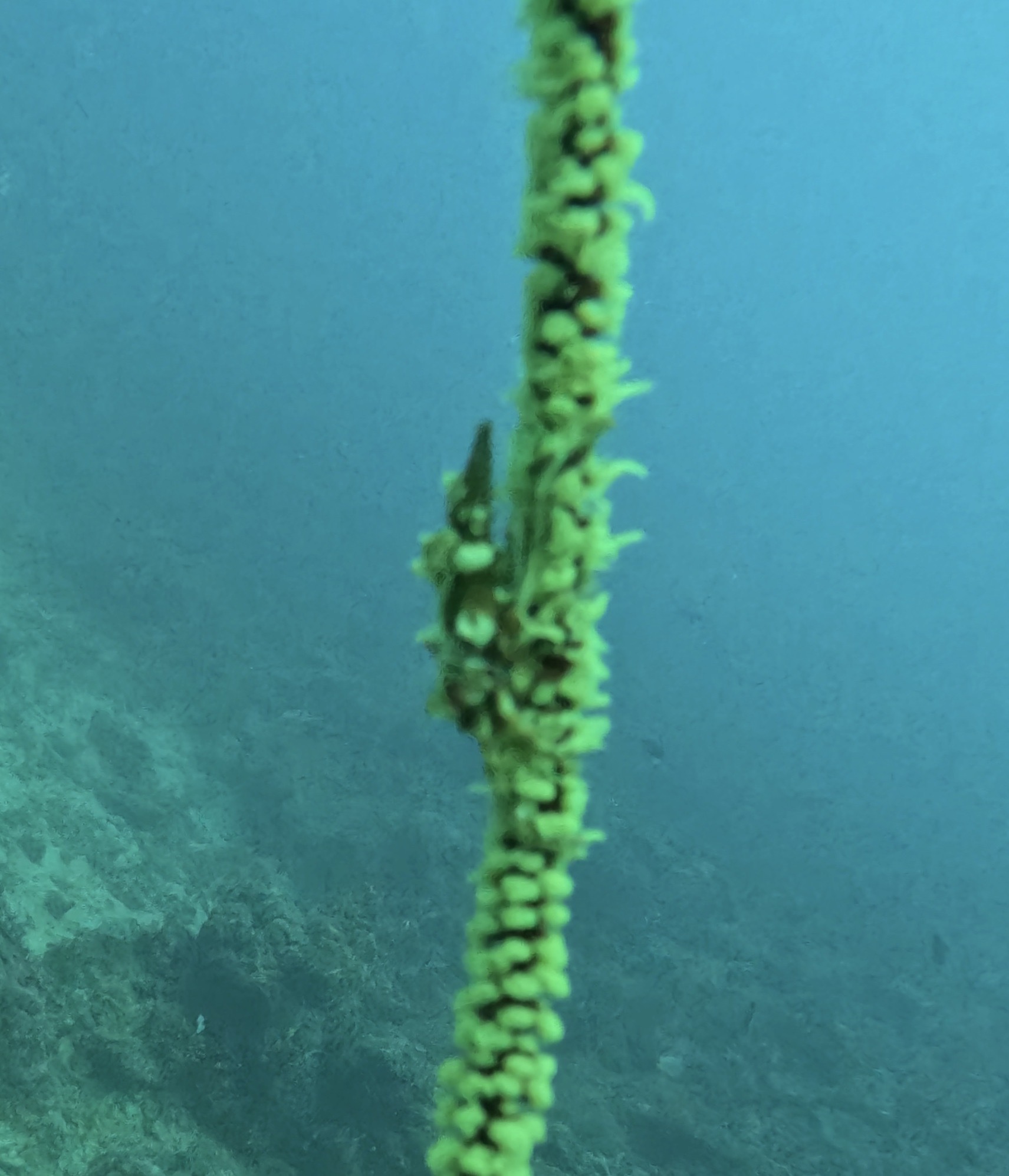
It became apparent Yadua Island not only could go toe to toe with but, in some ways, even rivaled Namena Island and the Rainbow Reef.
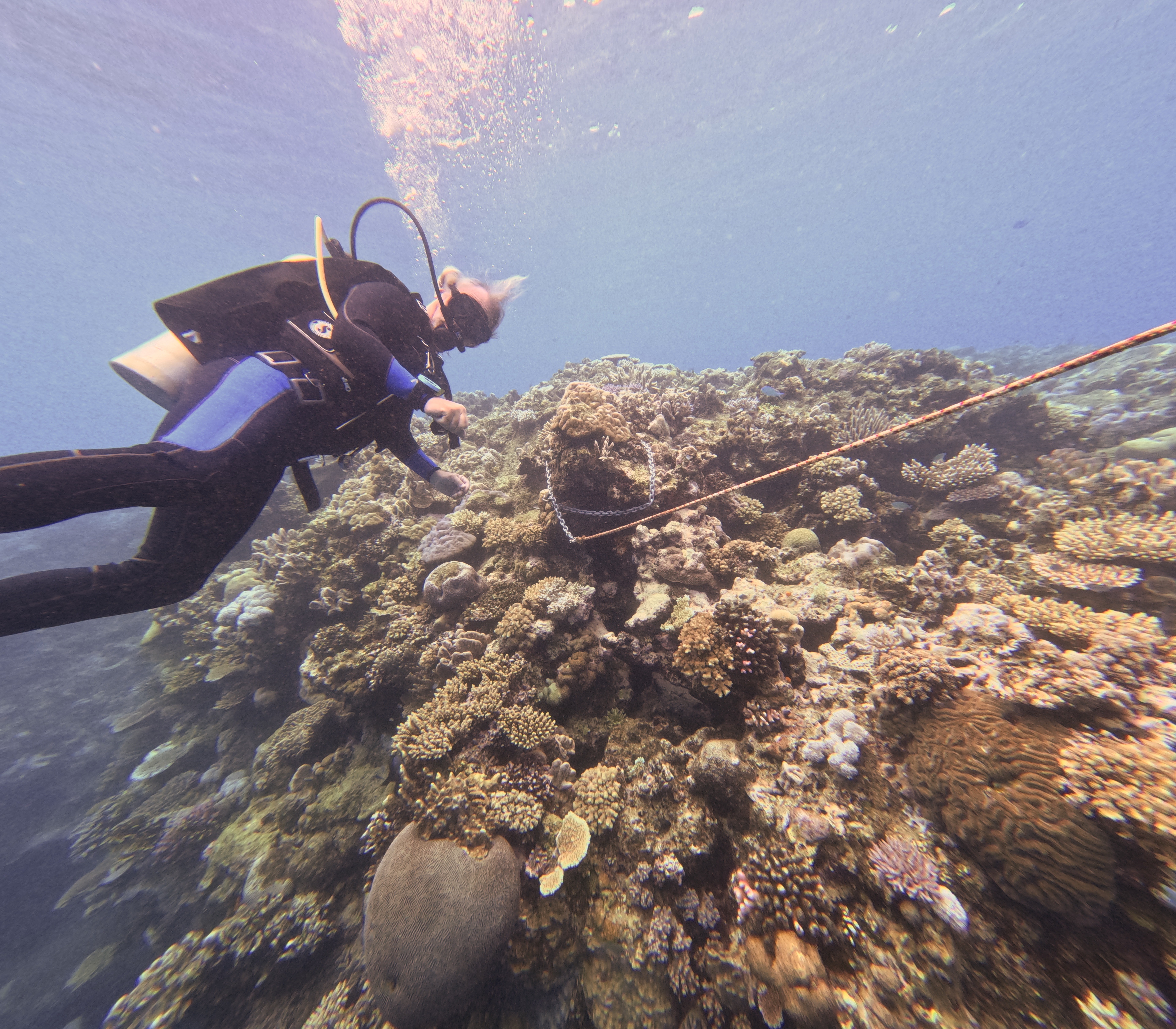
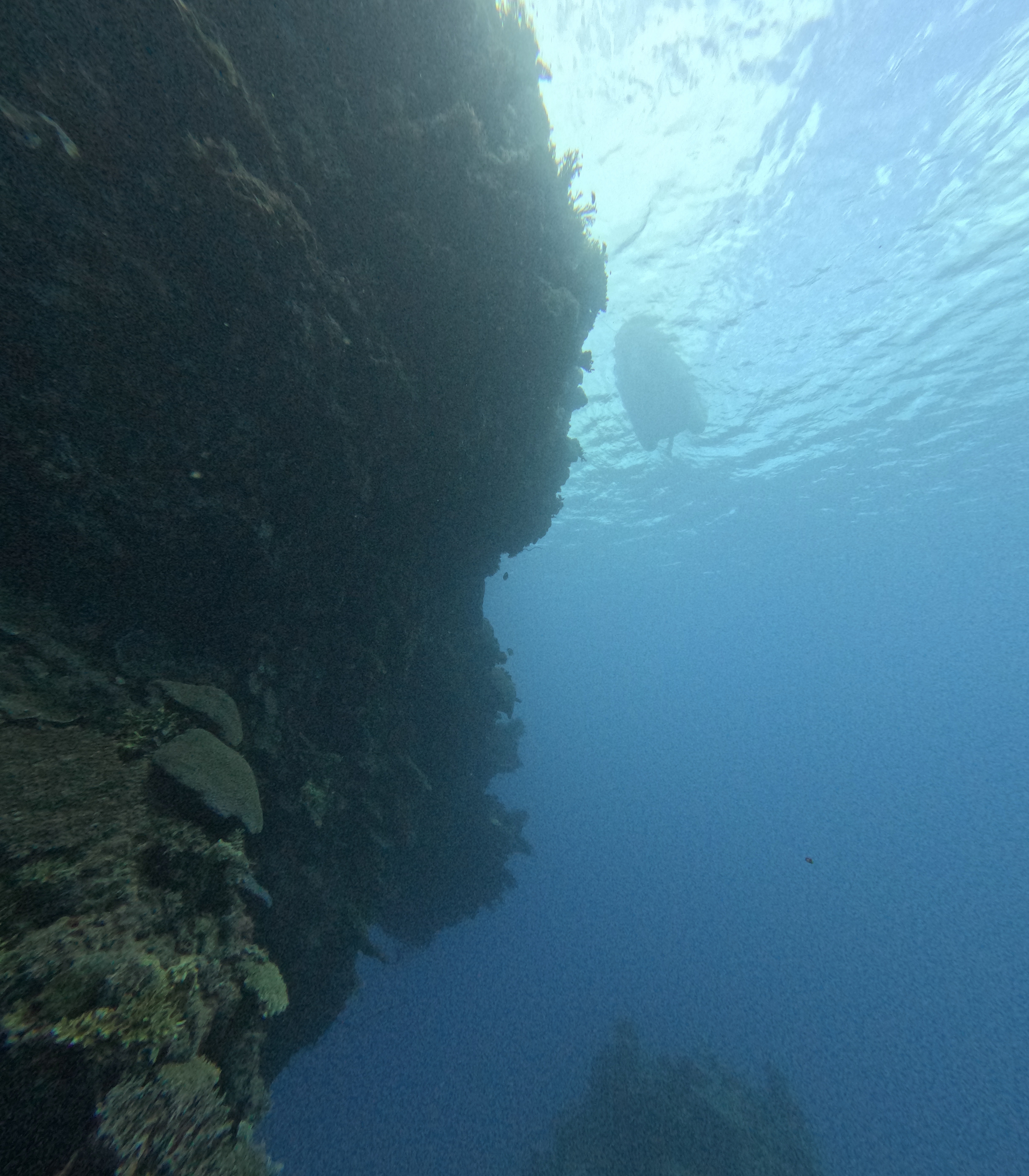
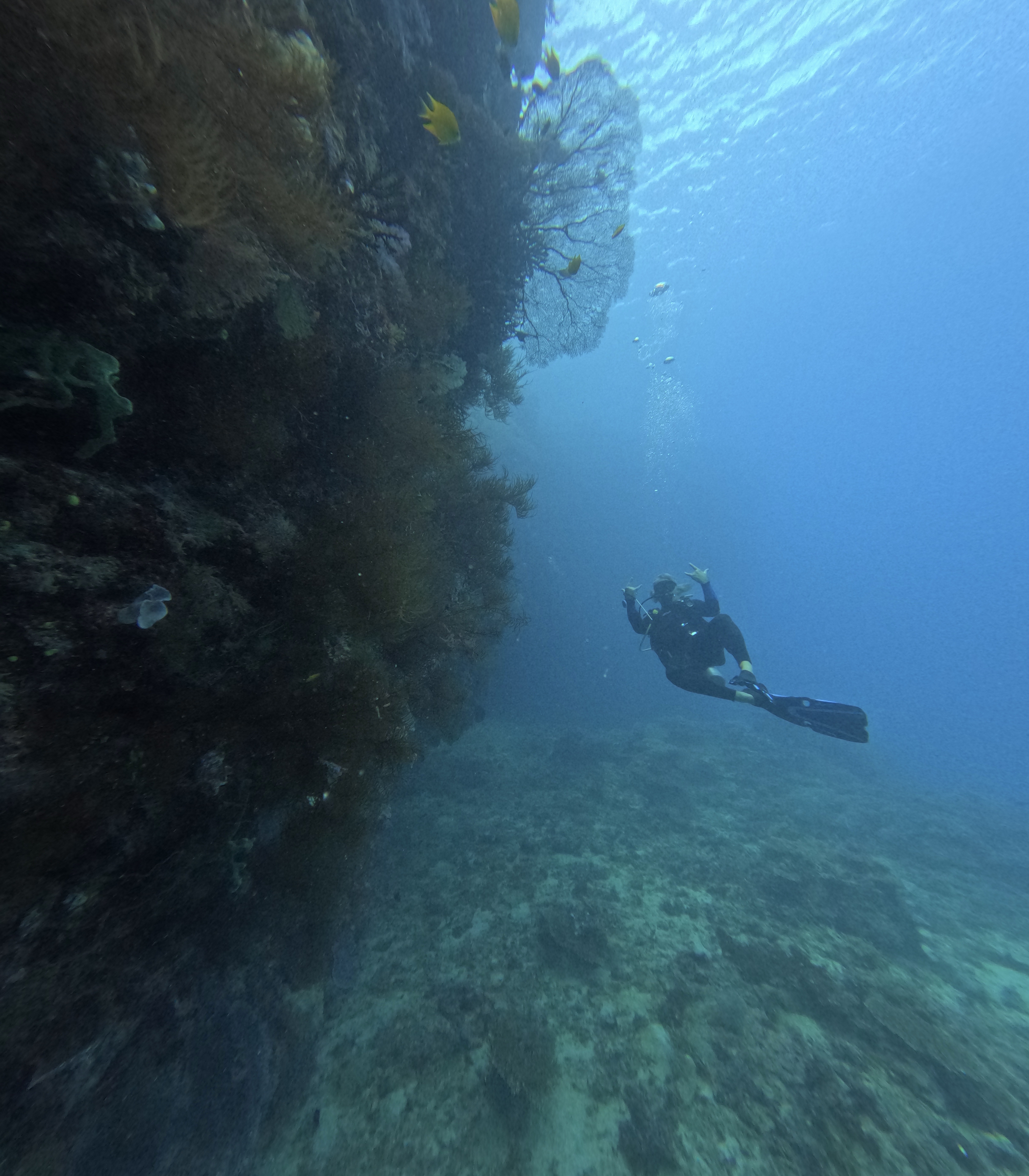
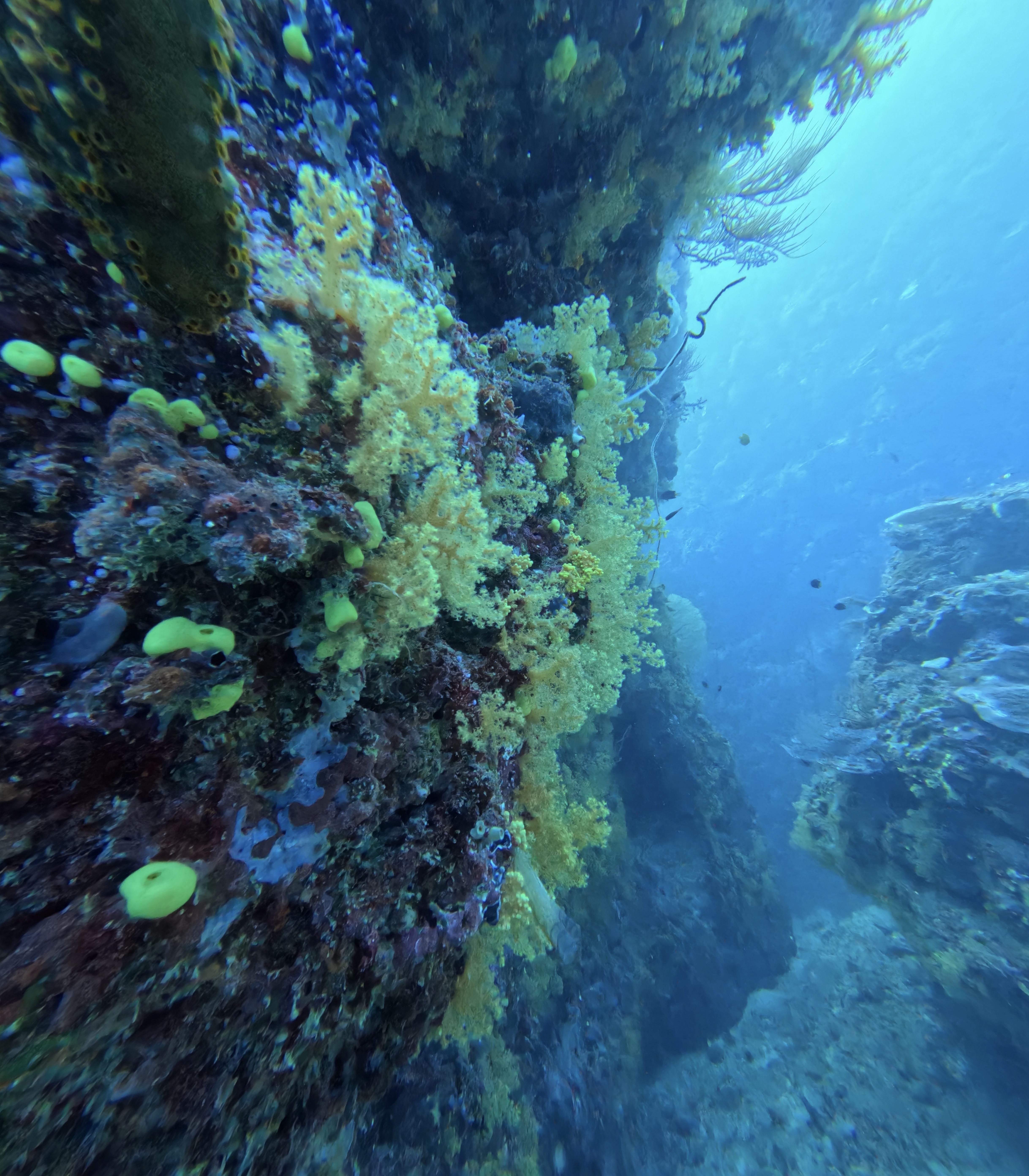

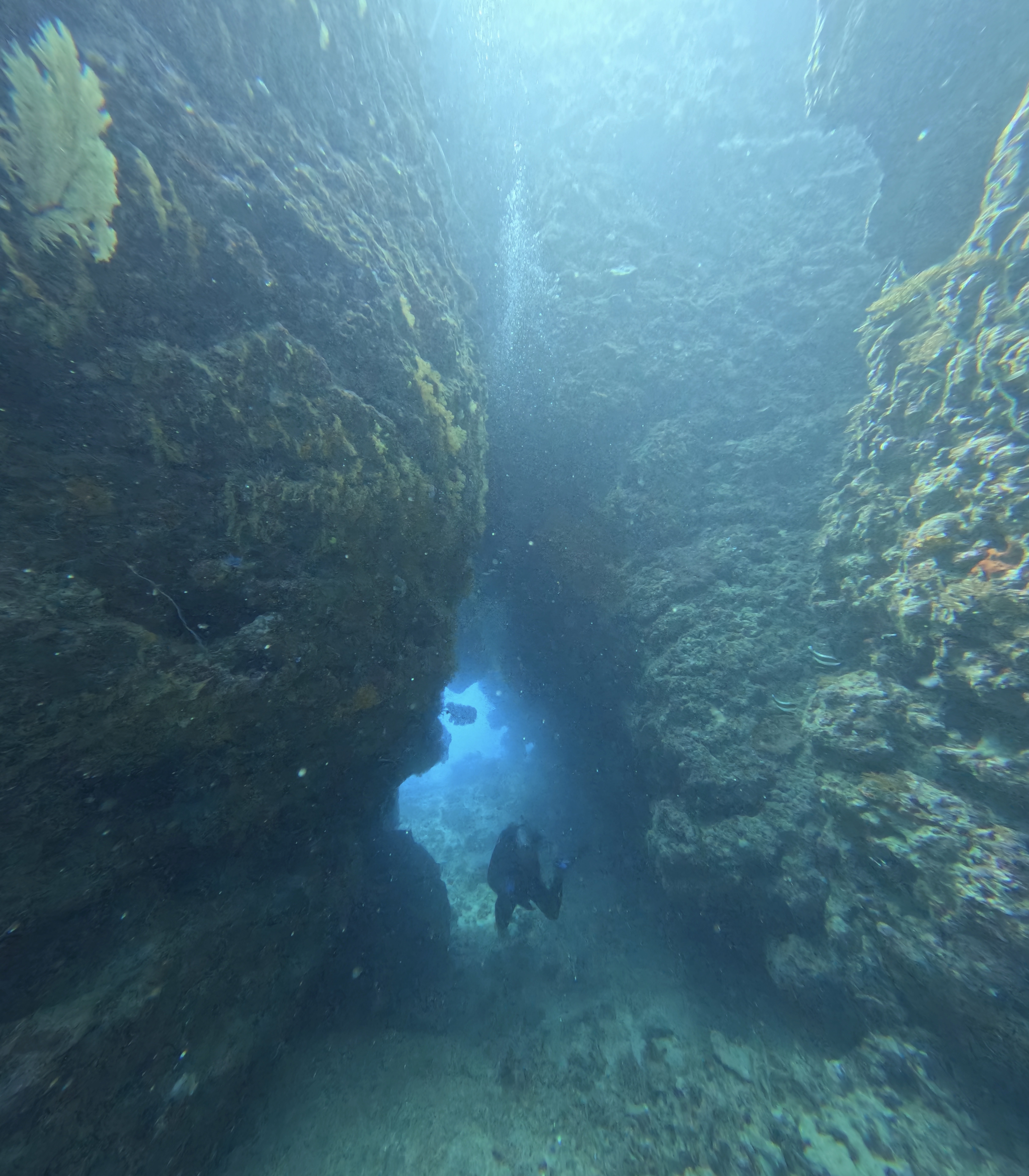
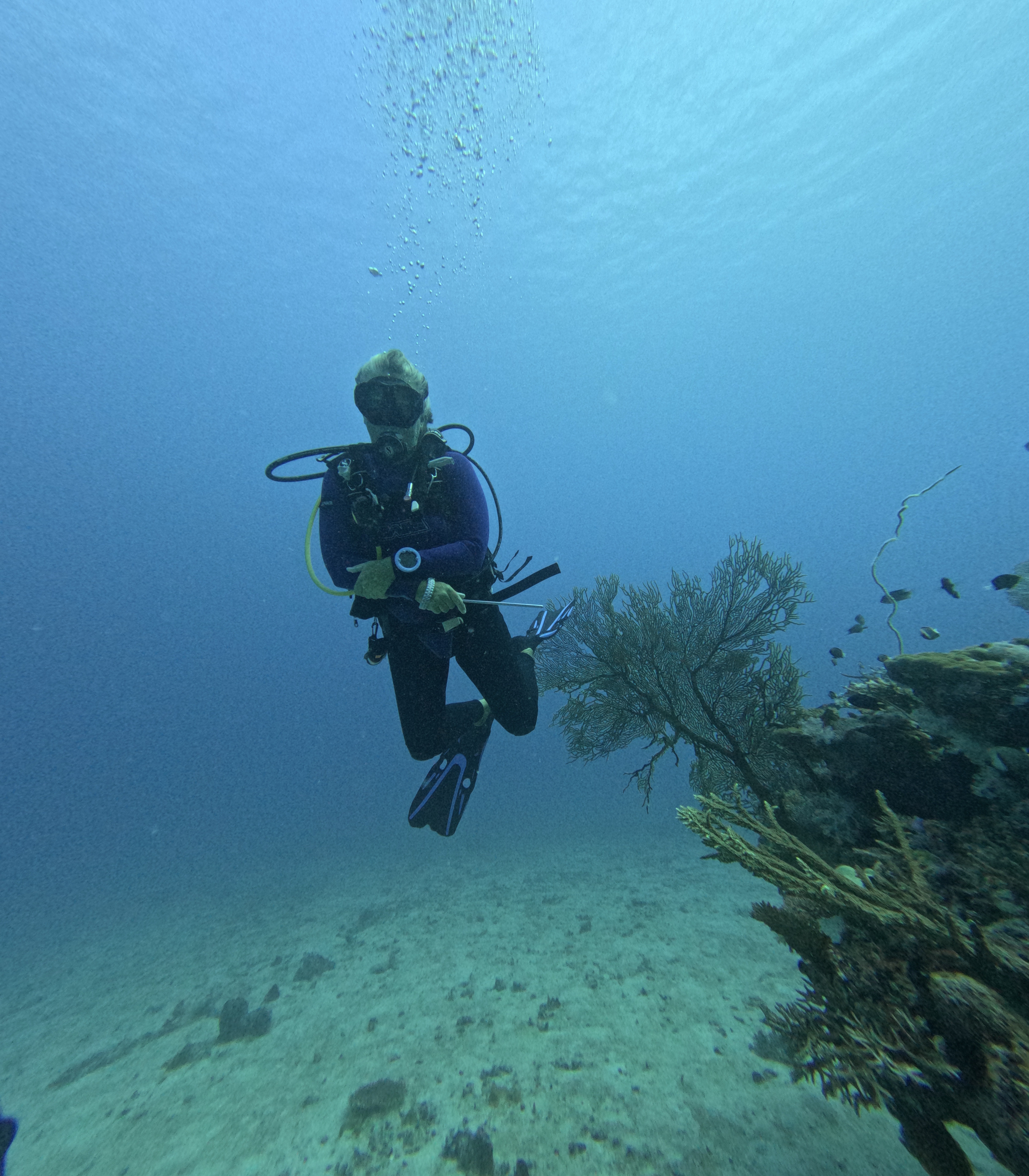
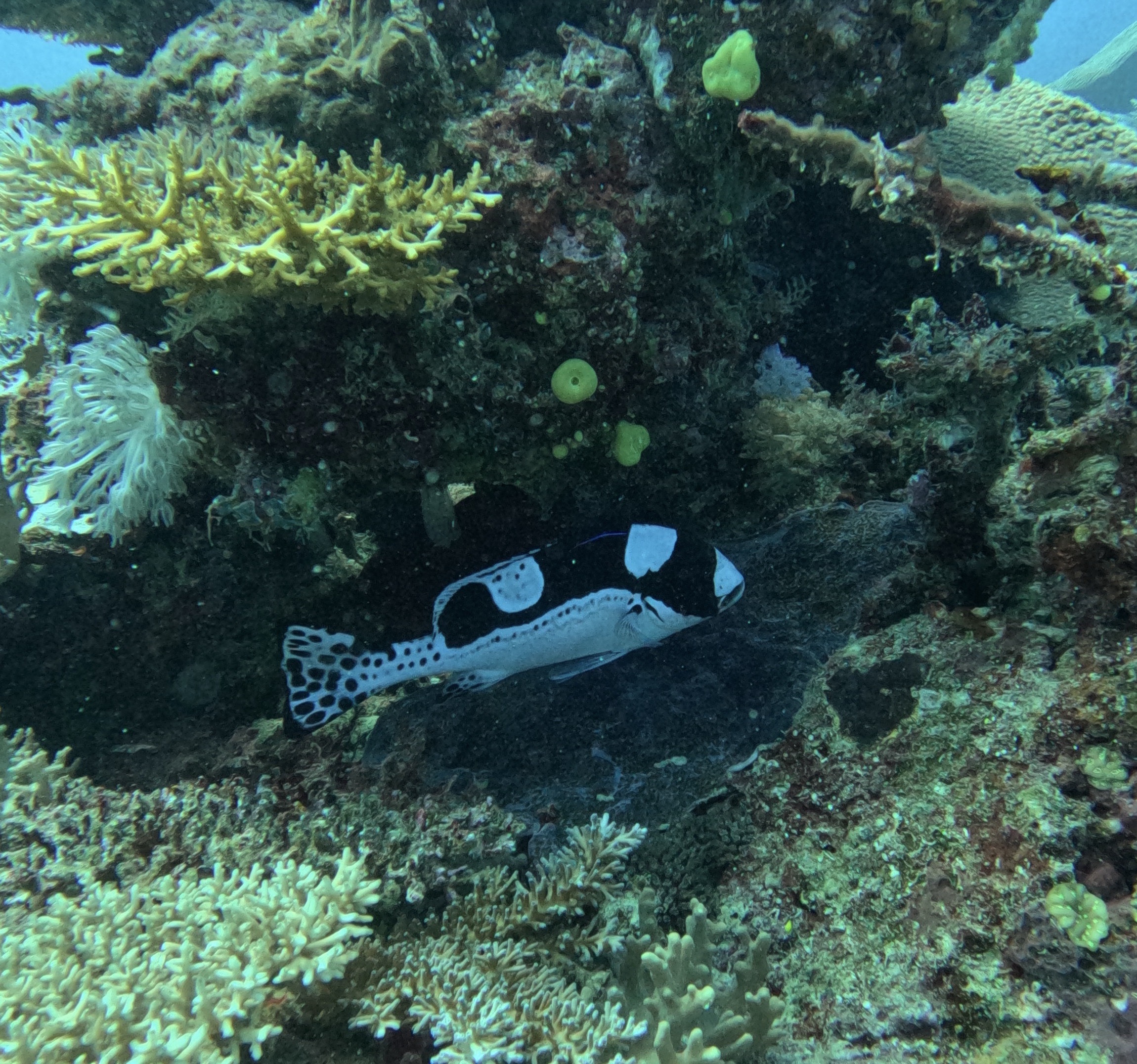
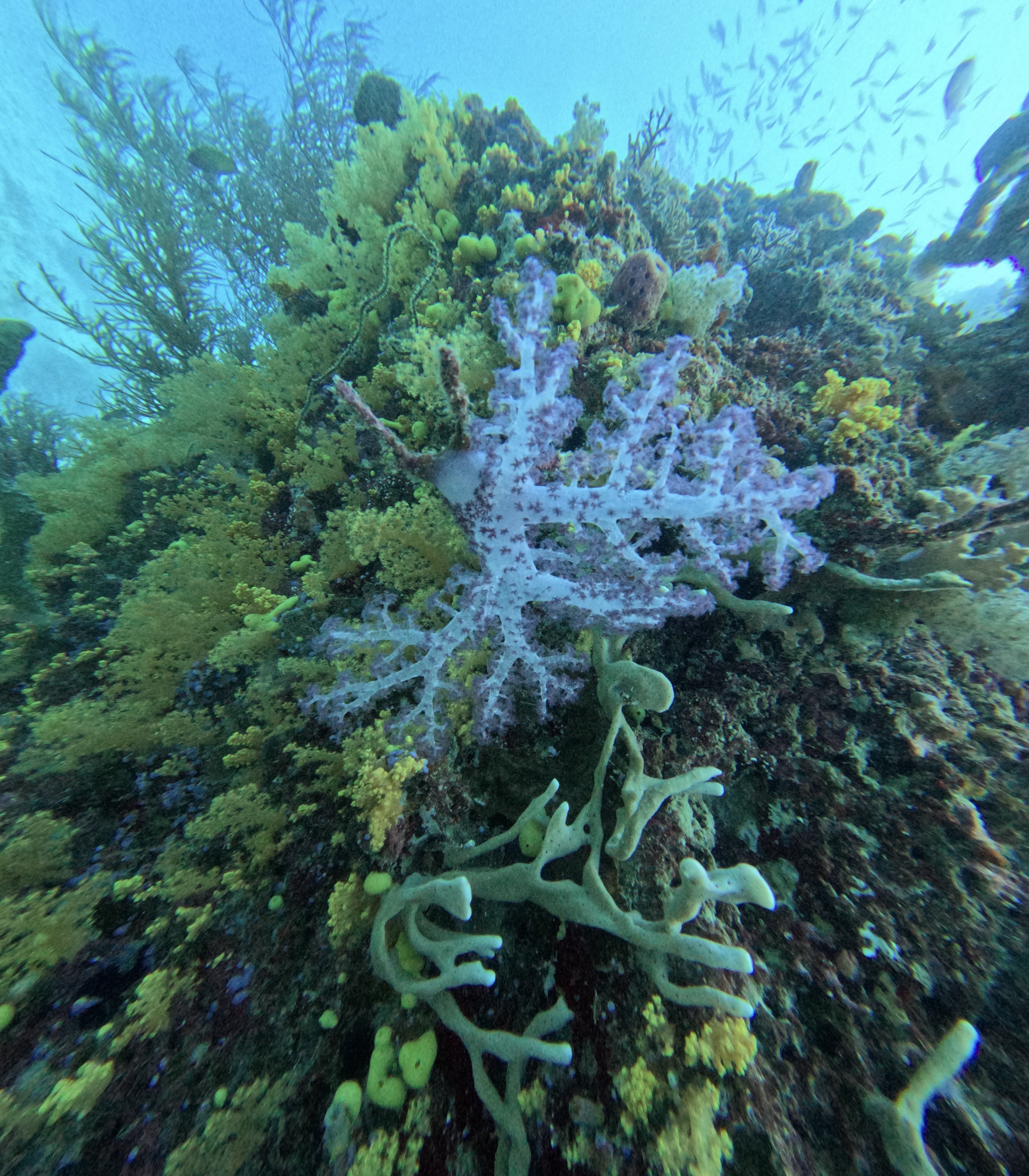
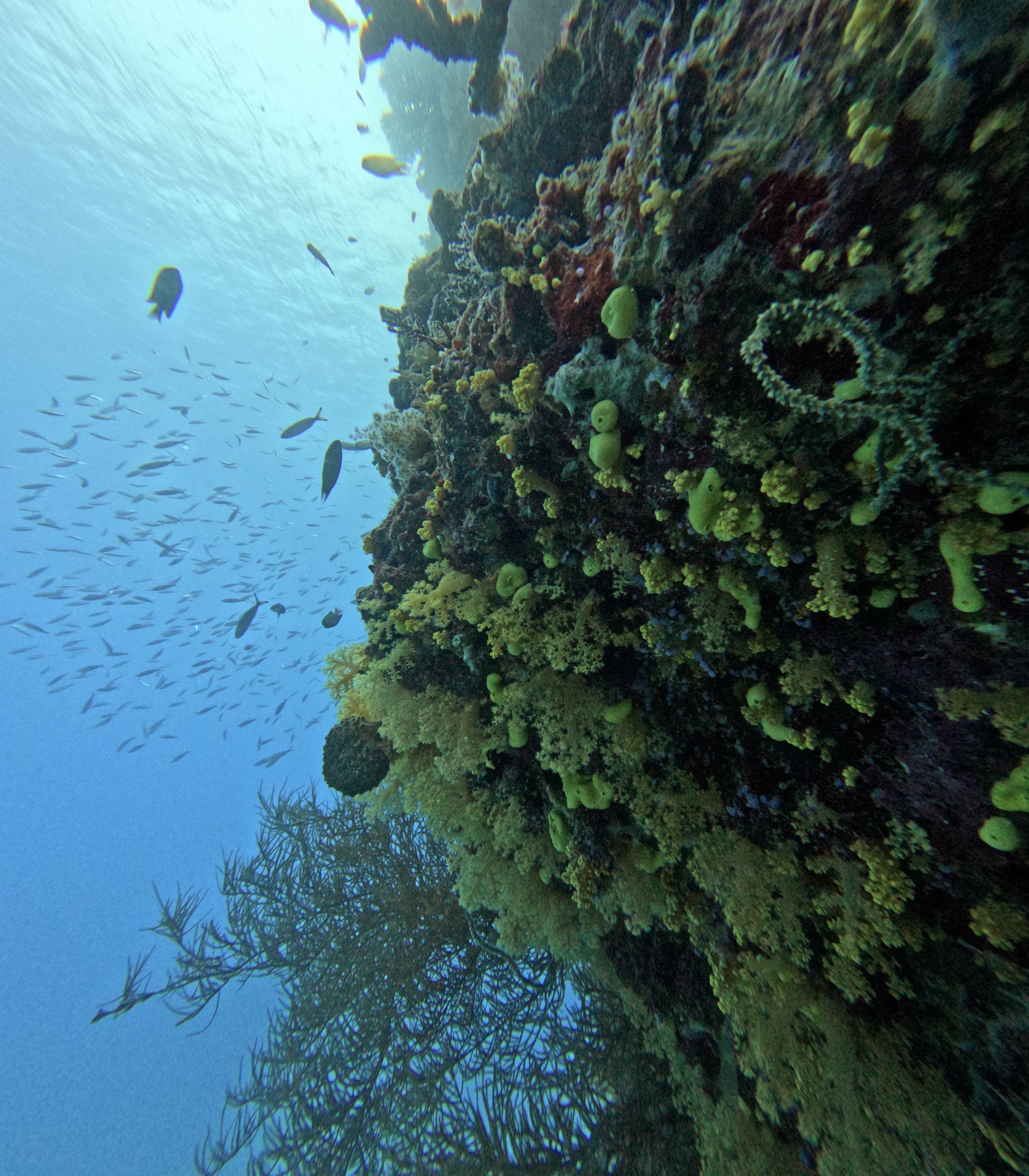
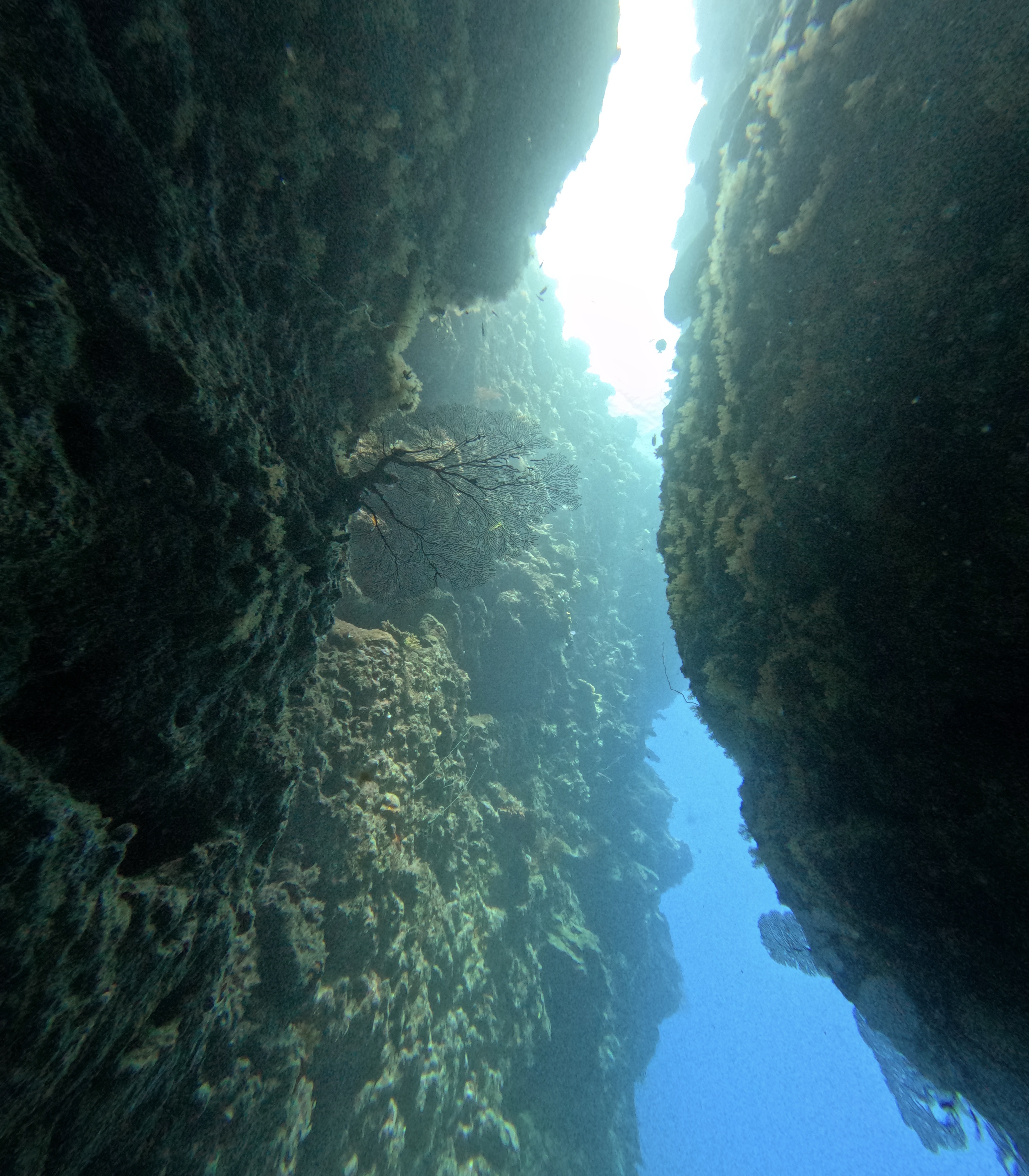
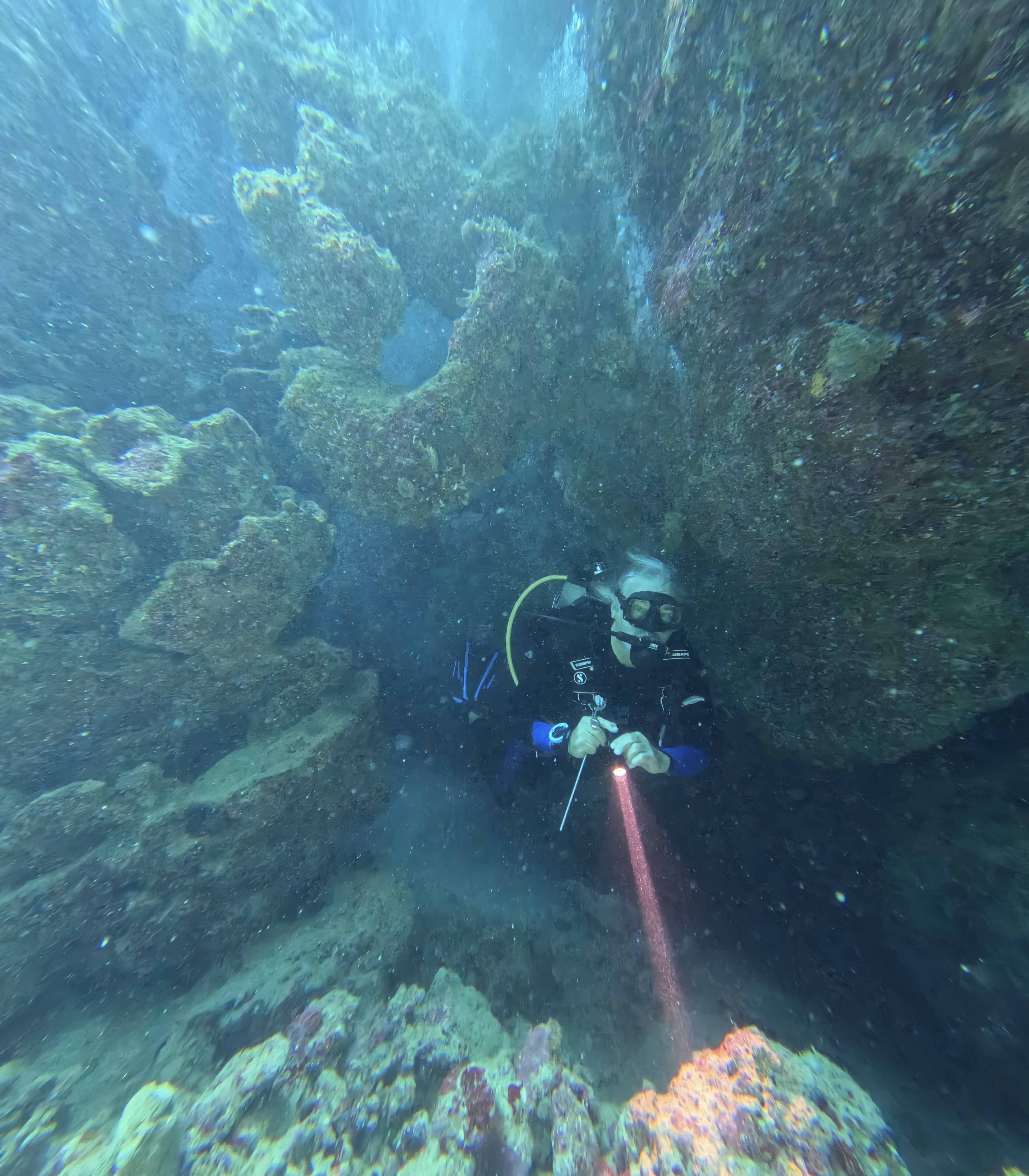
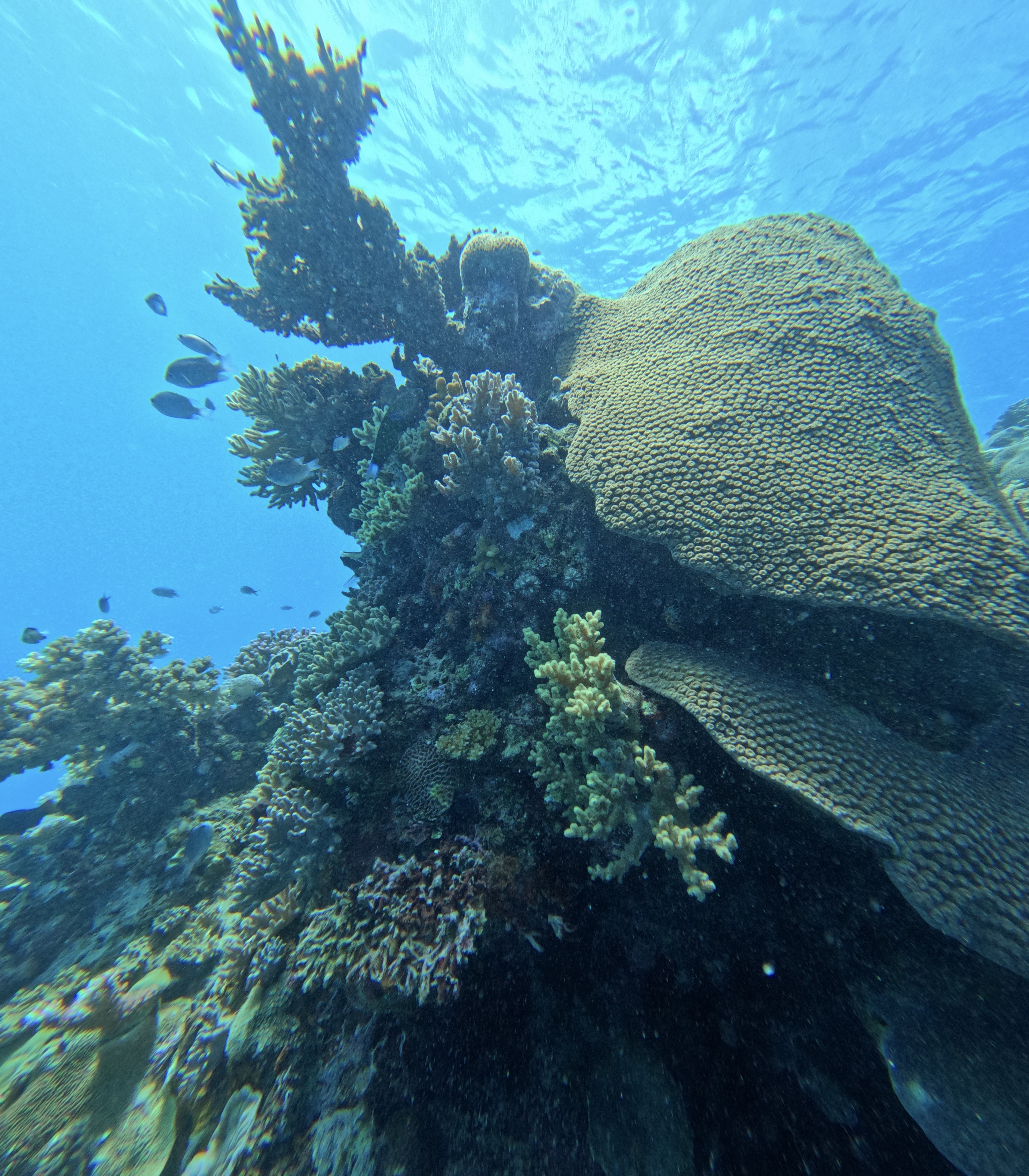

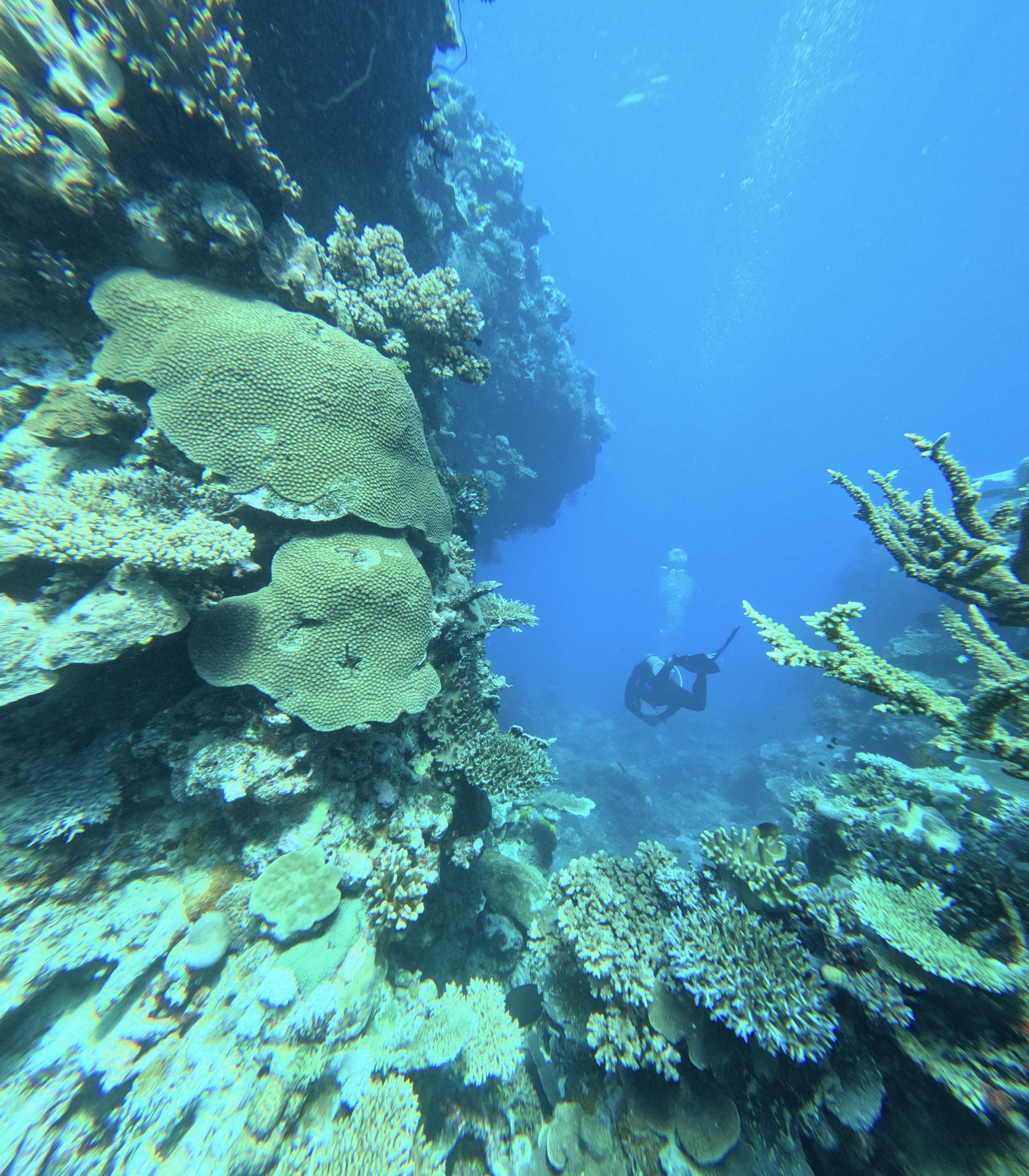
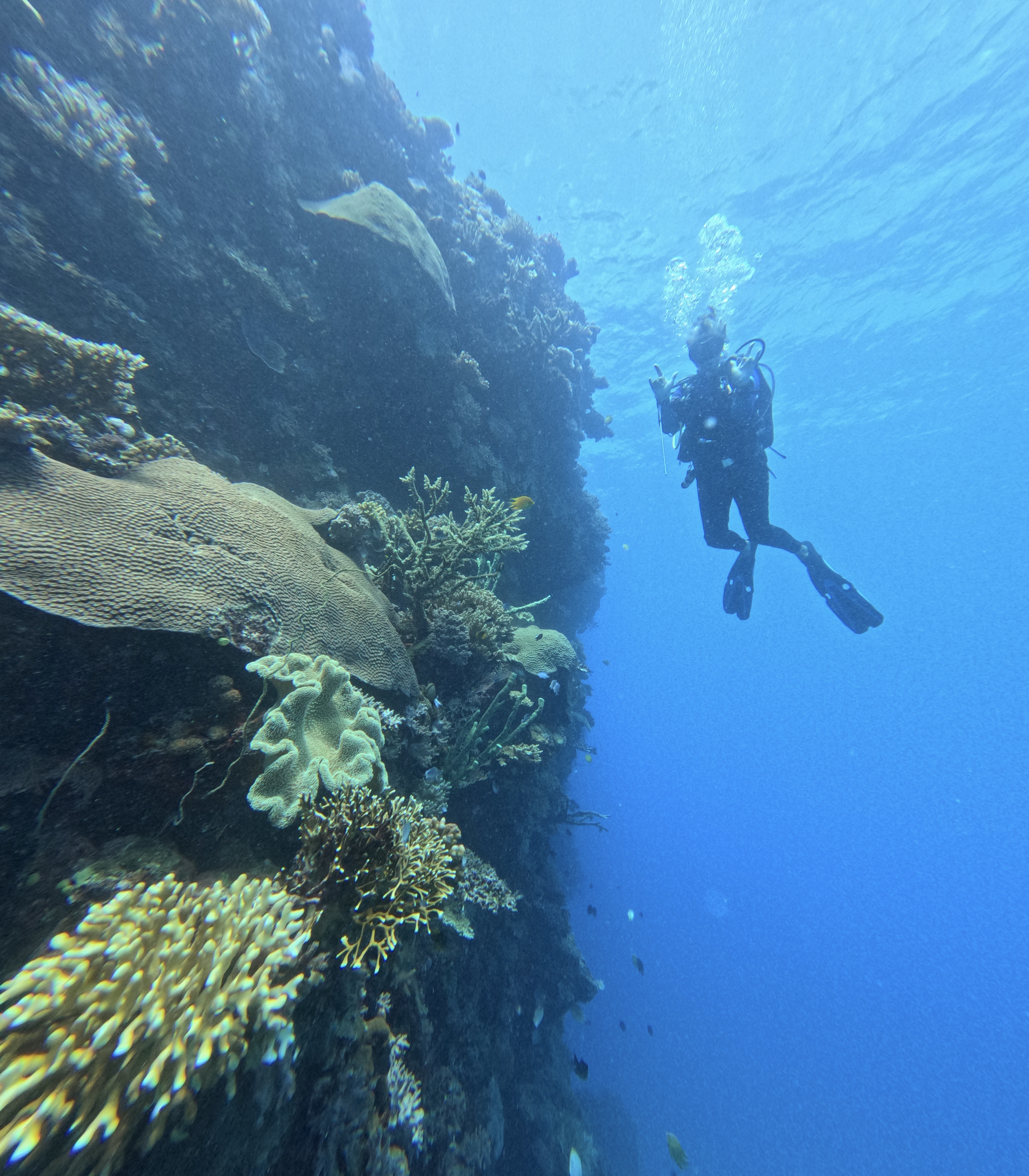
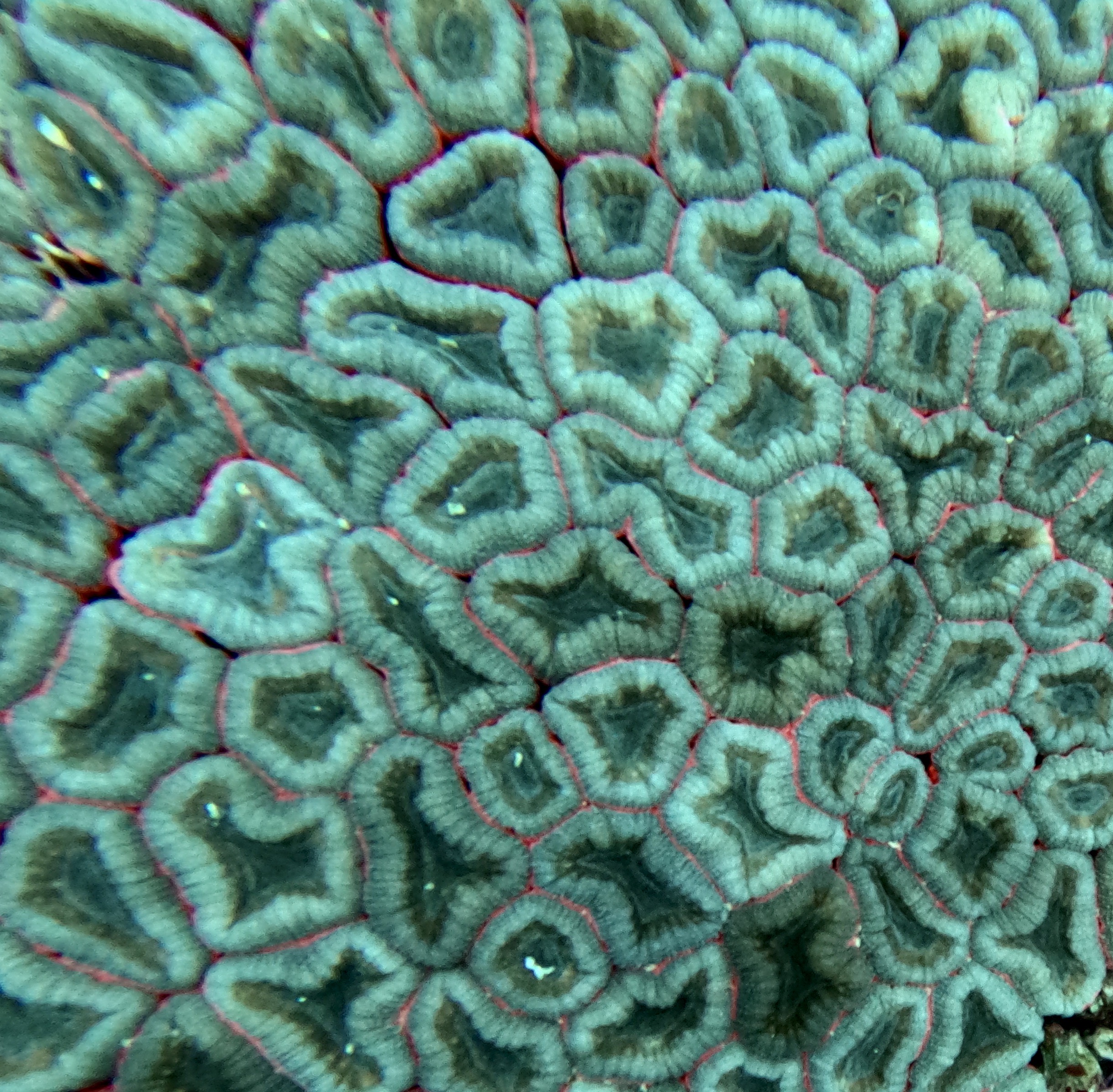
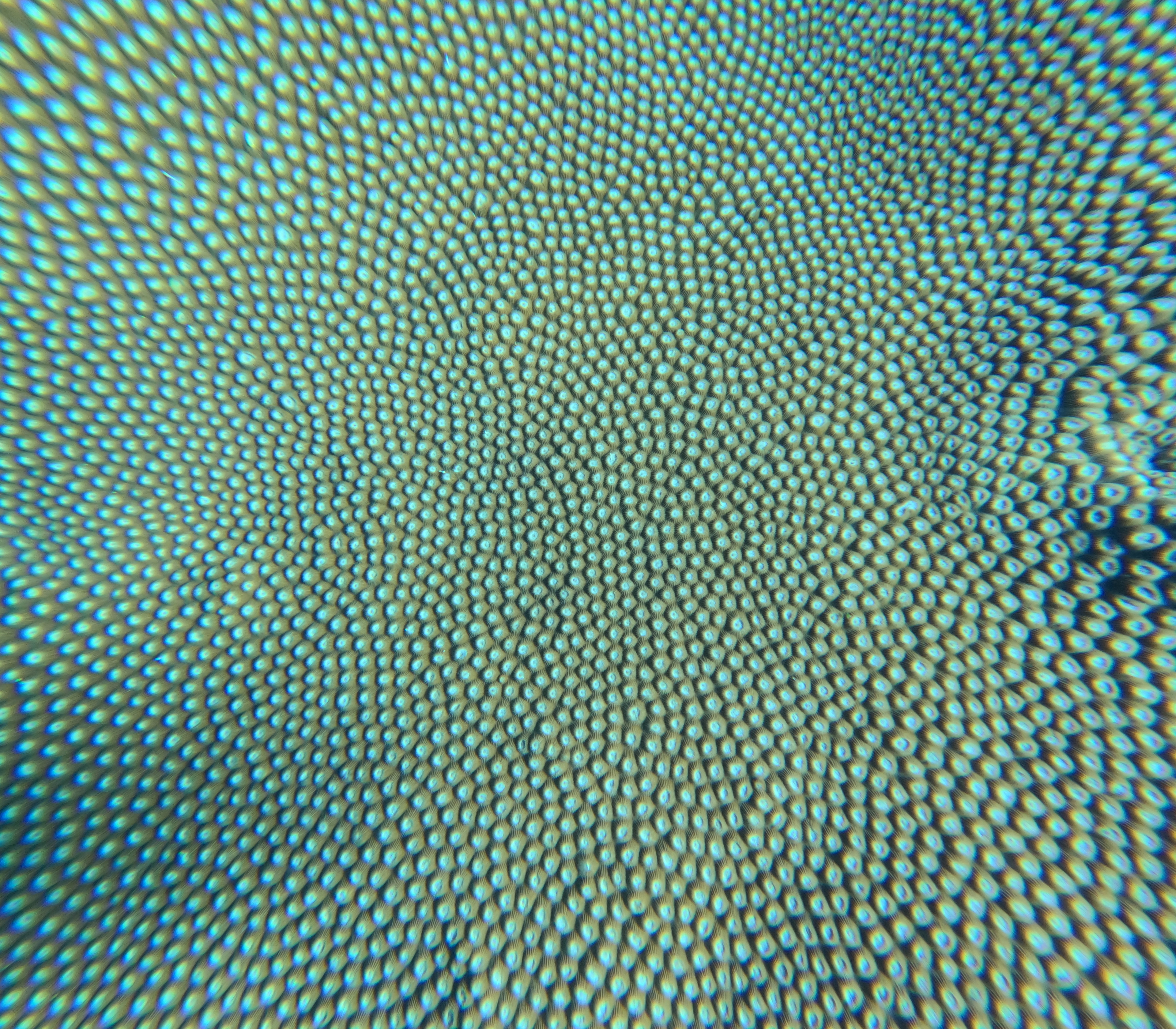

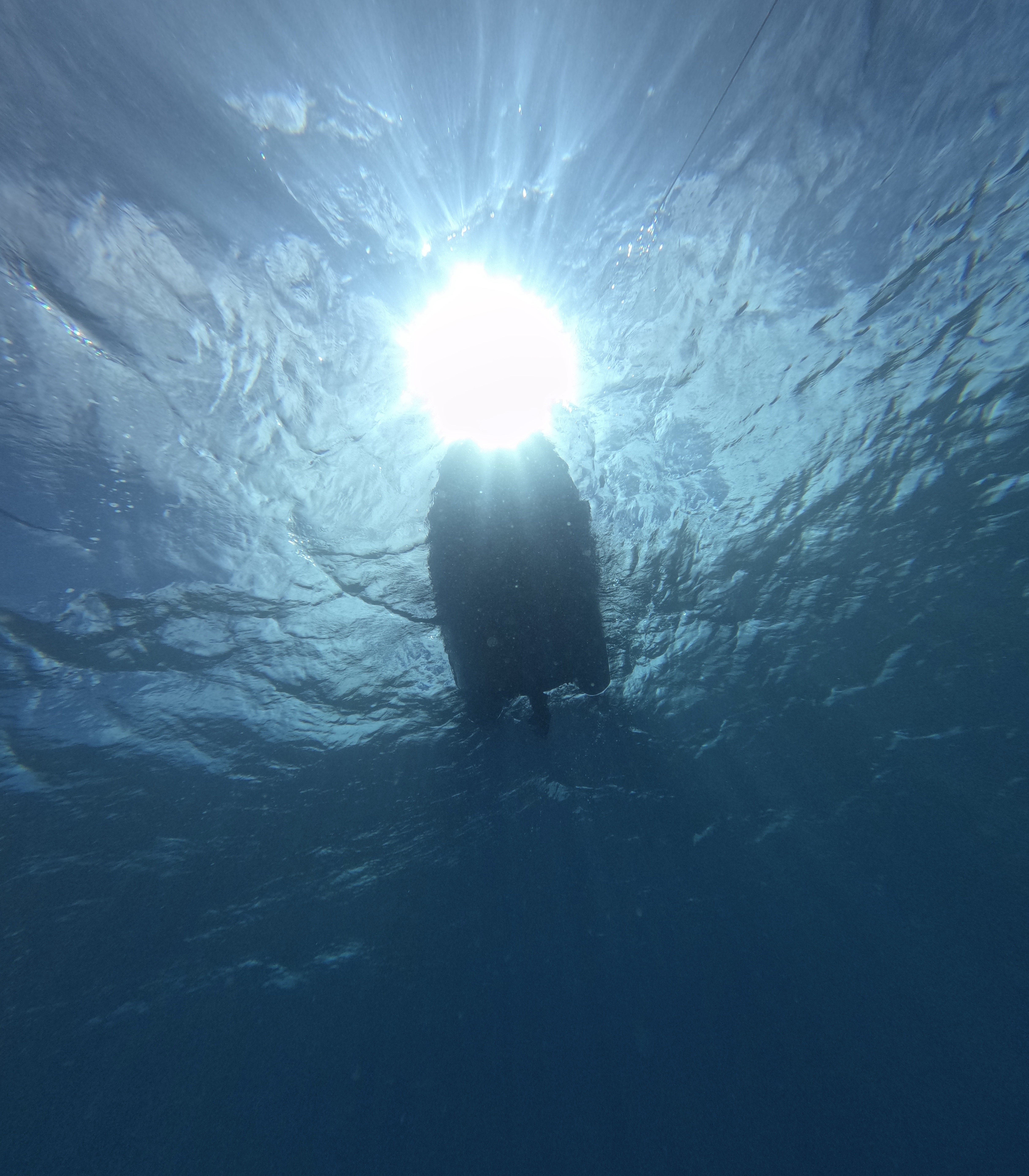
Our own private dive oasis.
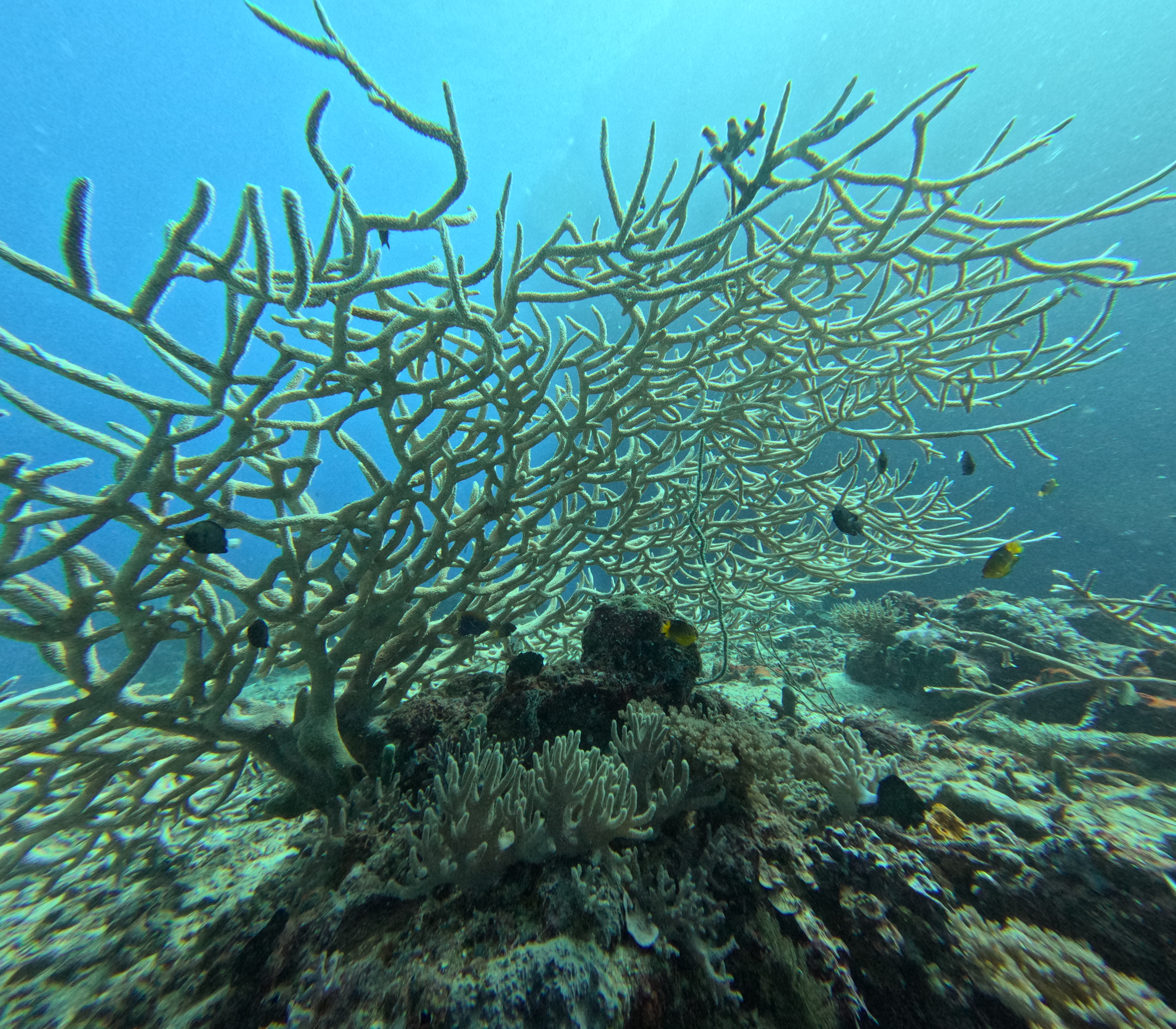
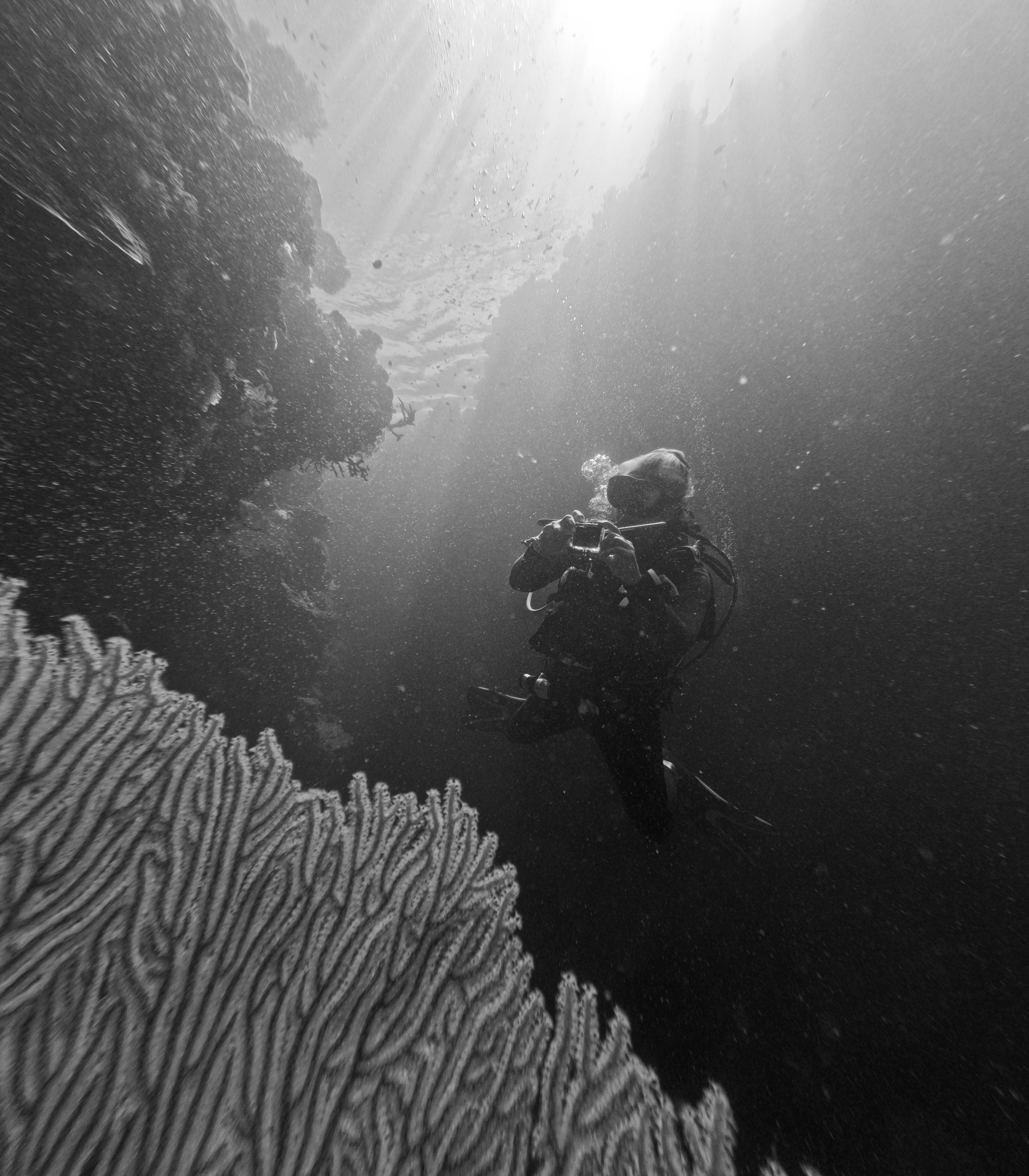
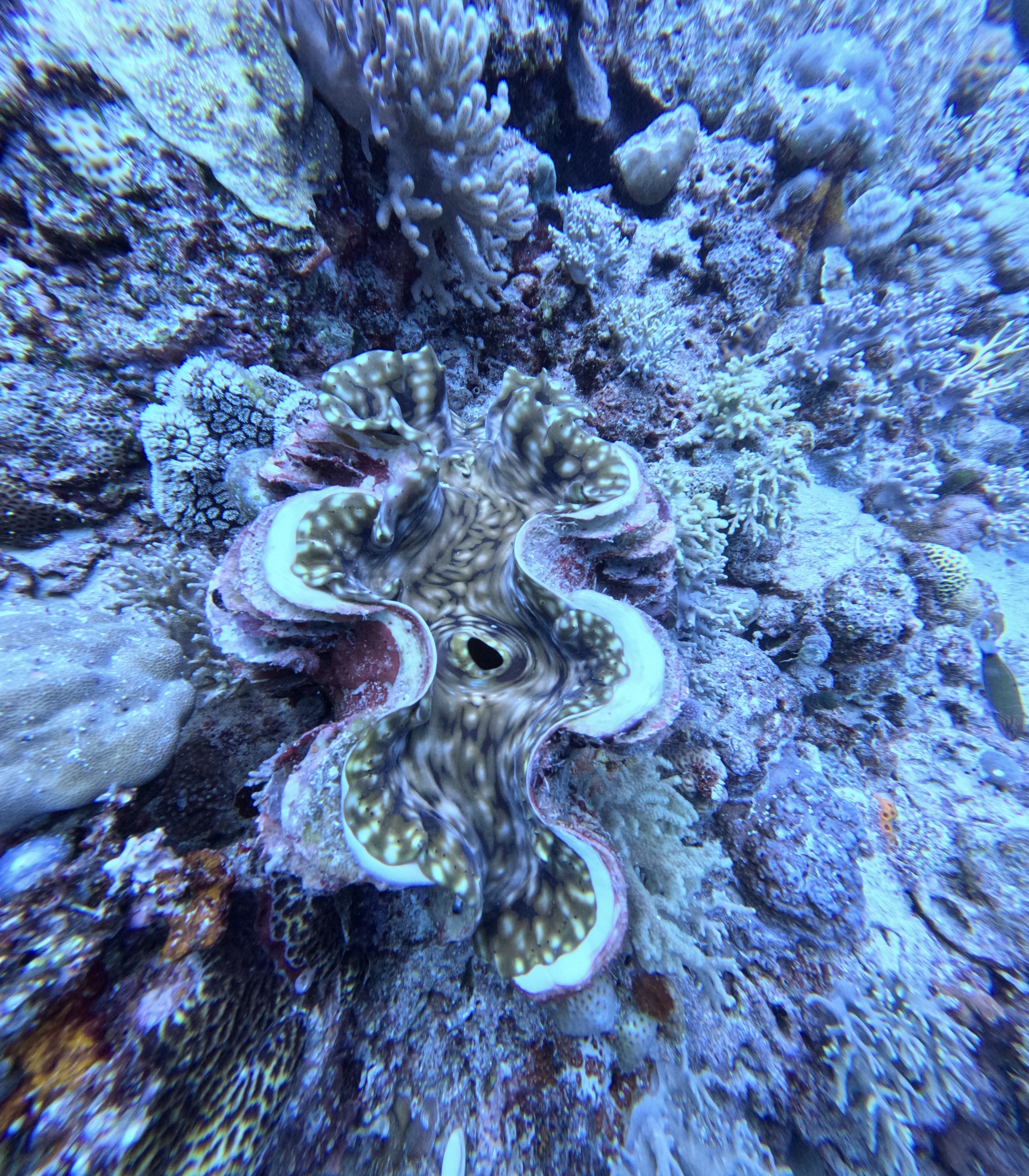
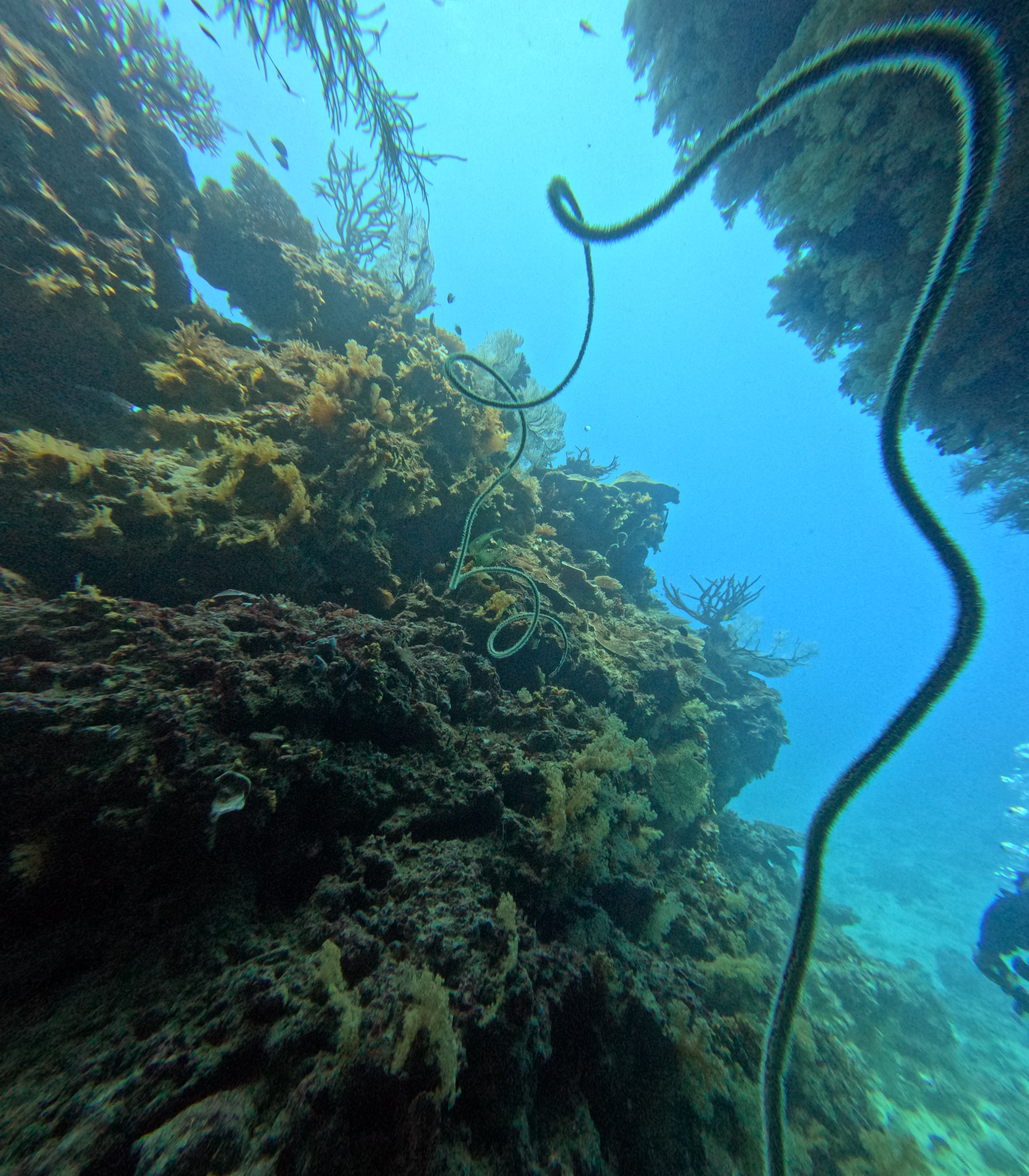
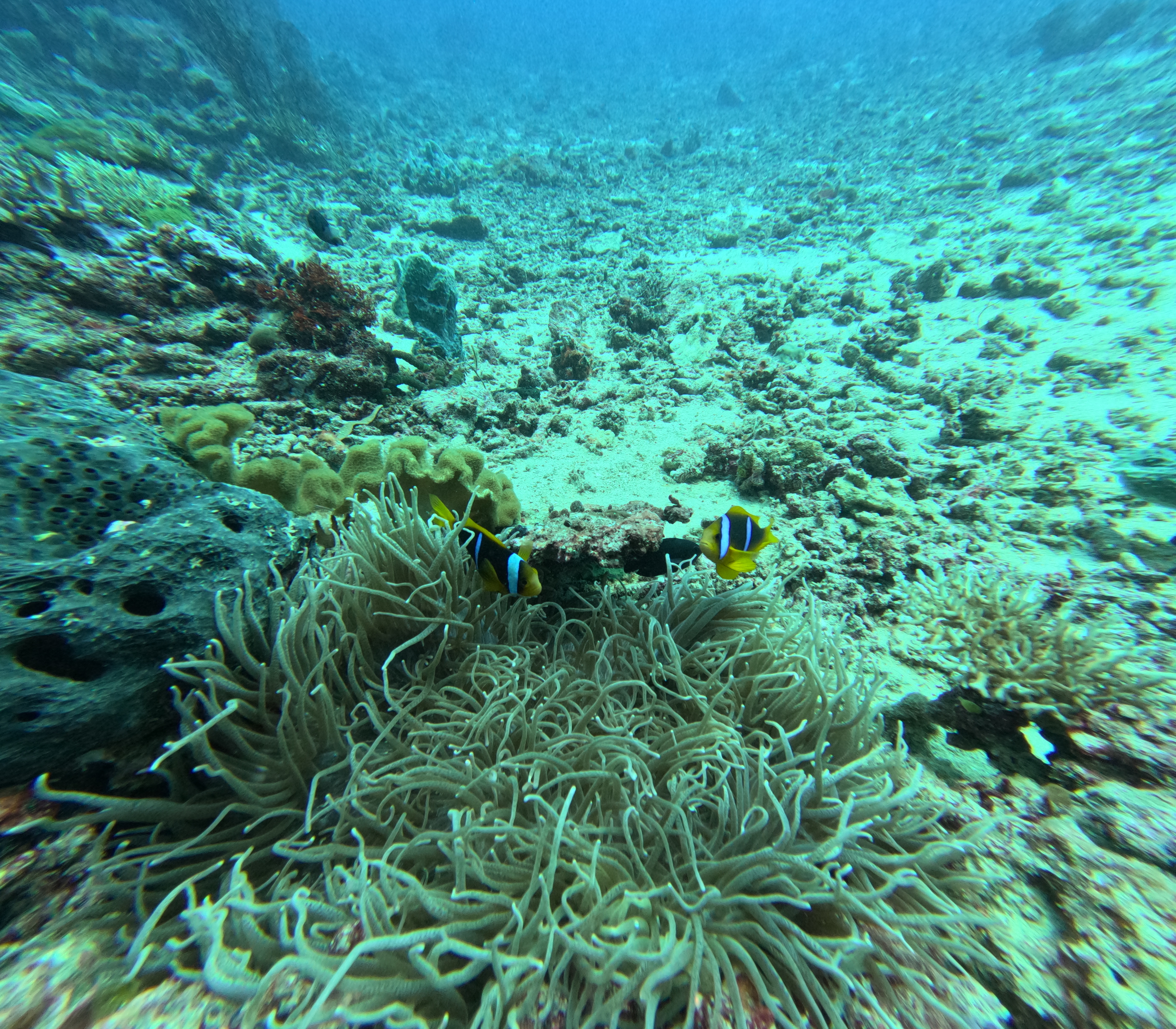
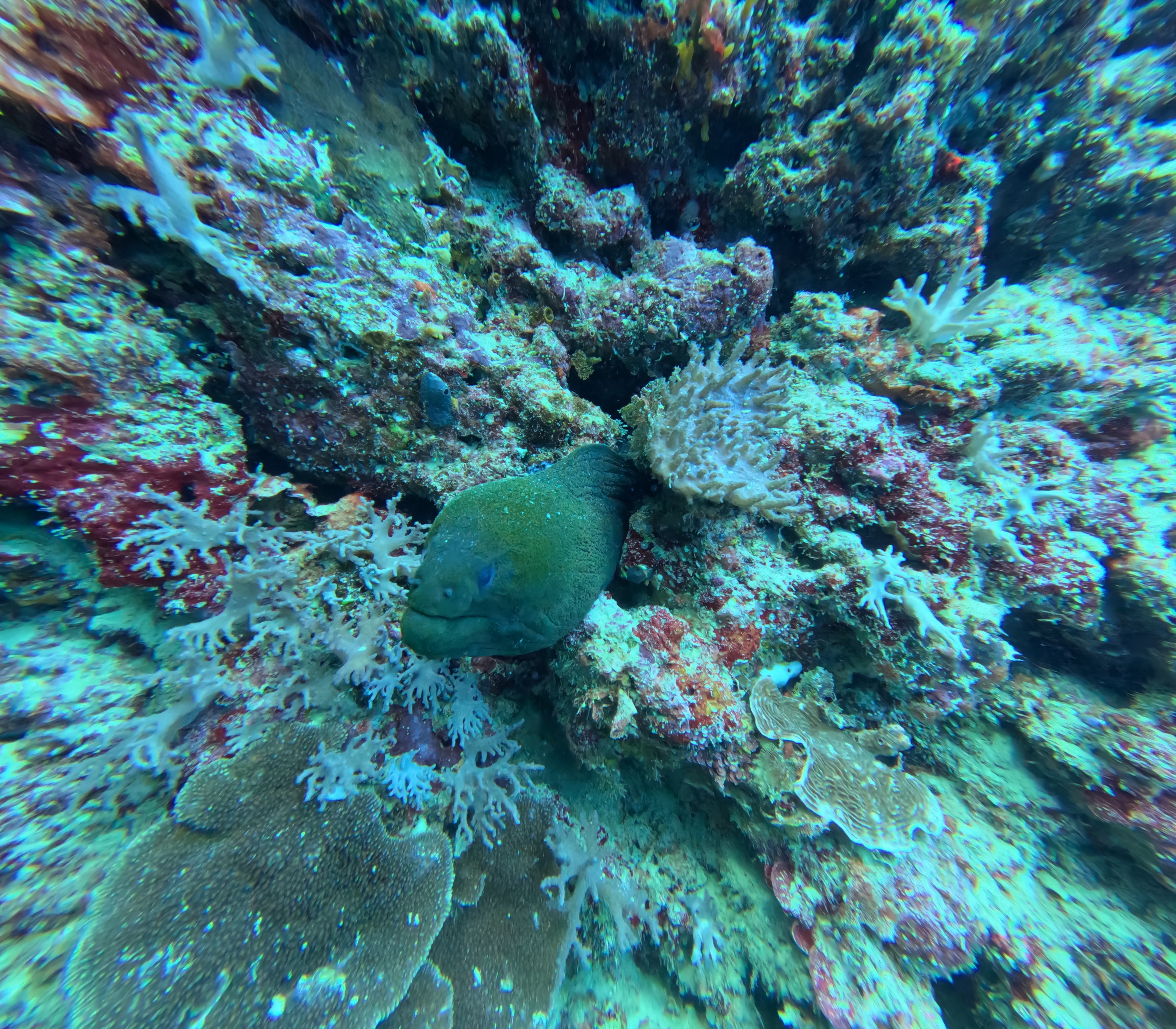
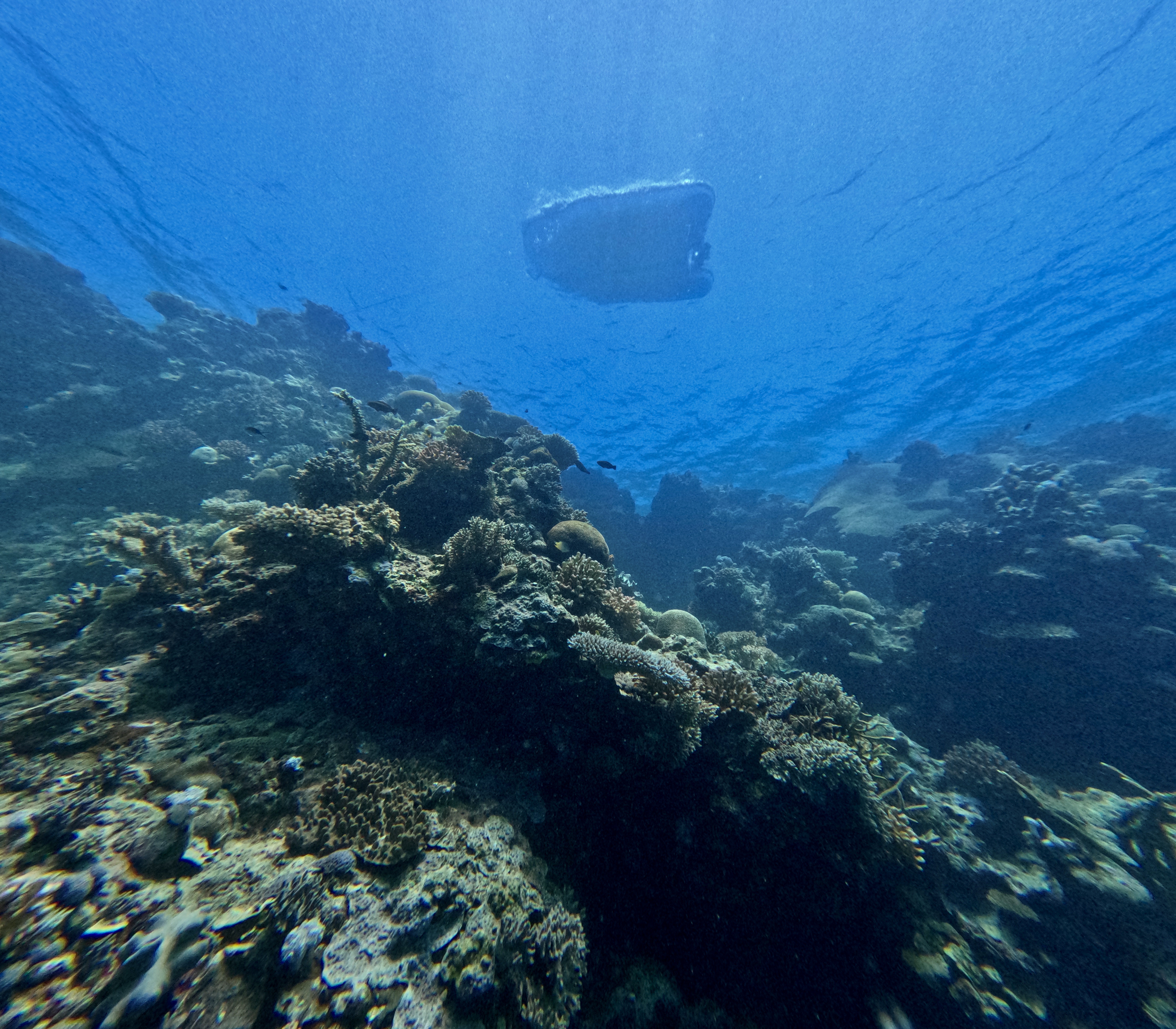
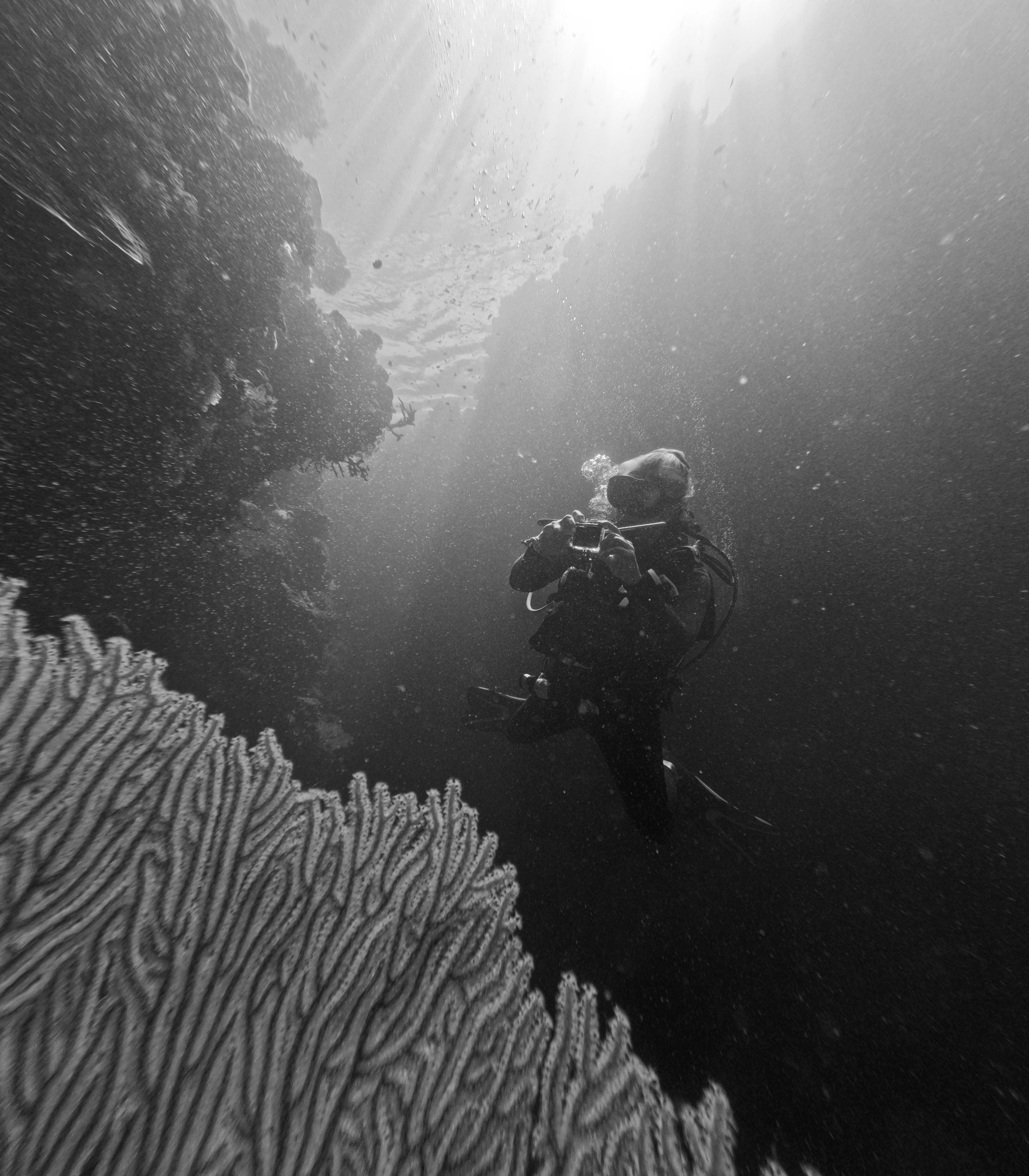
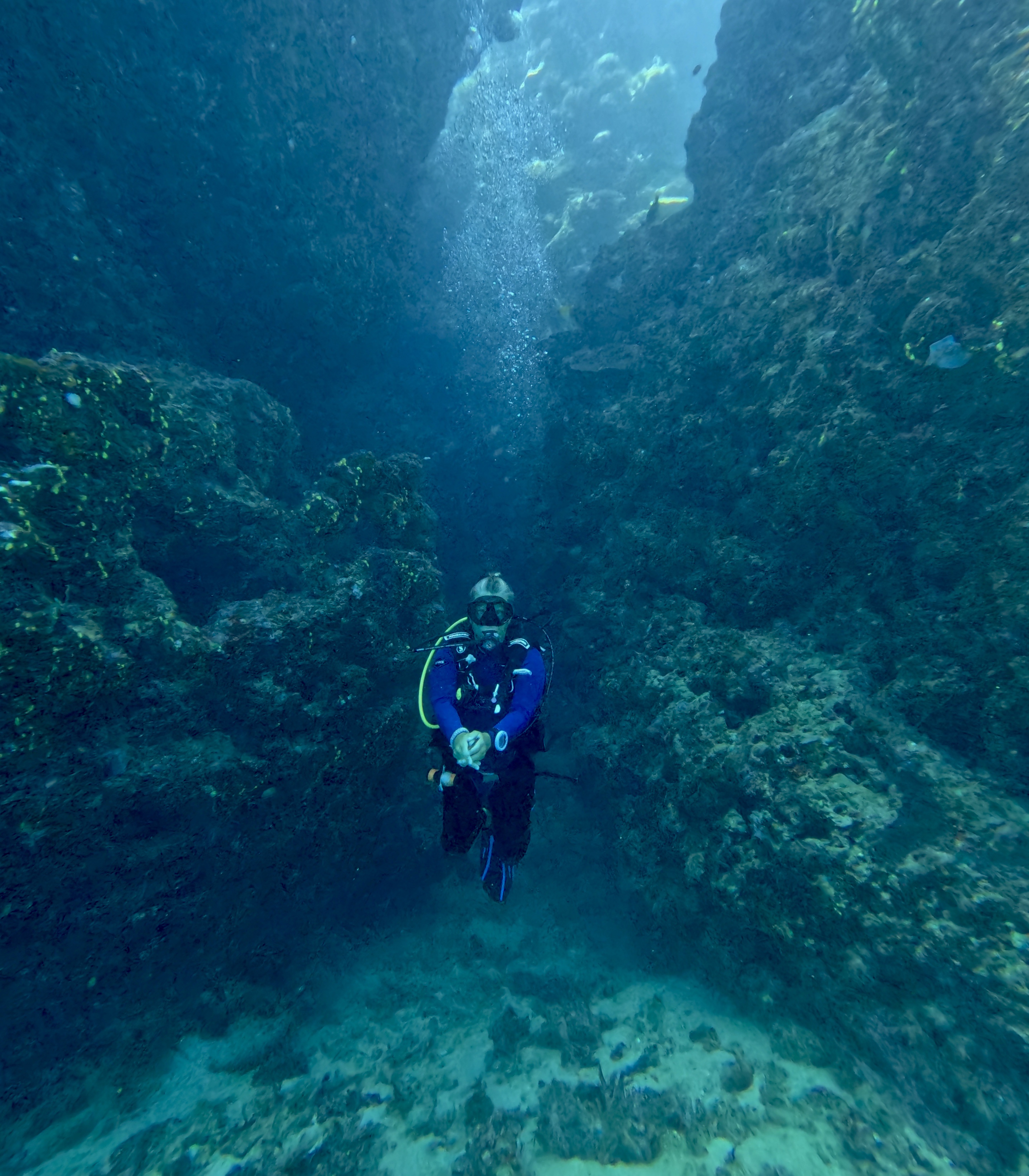
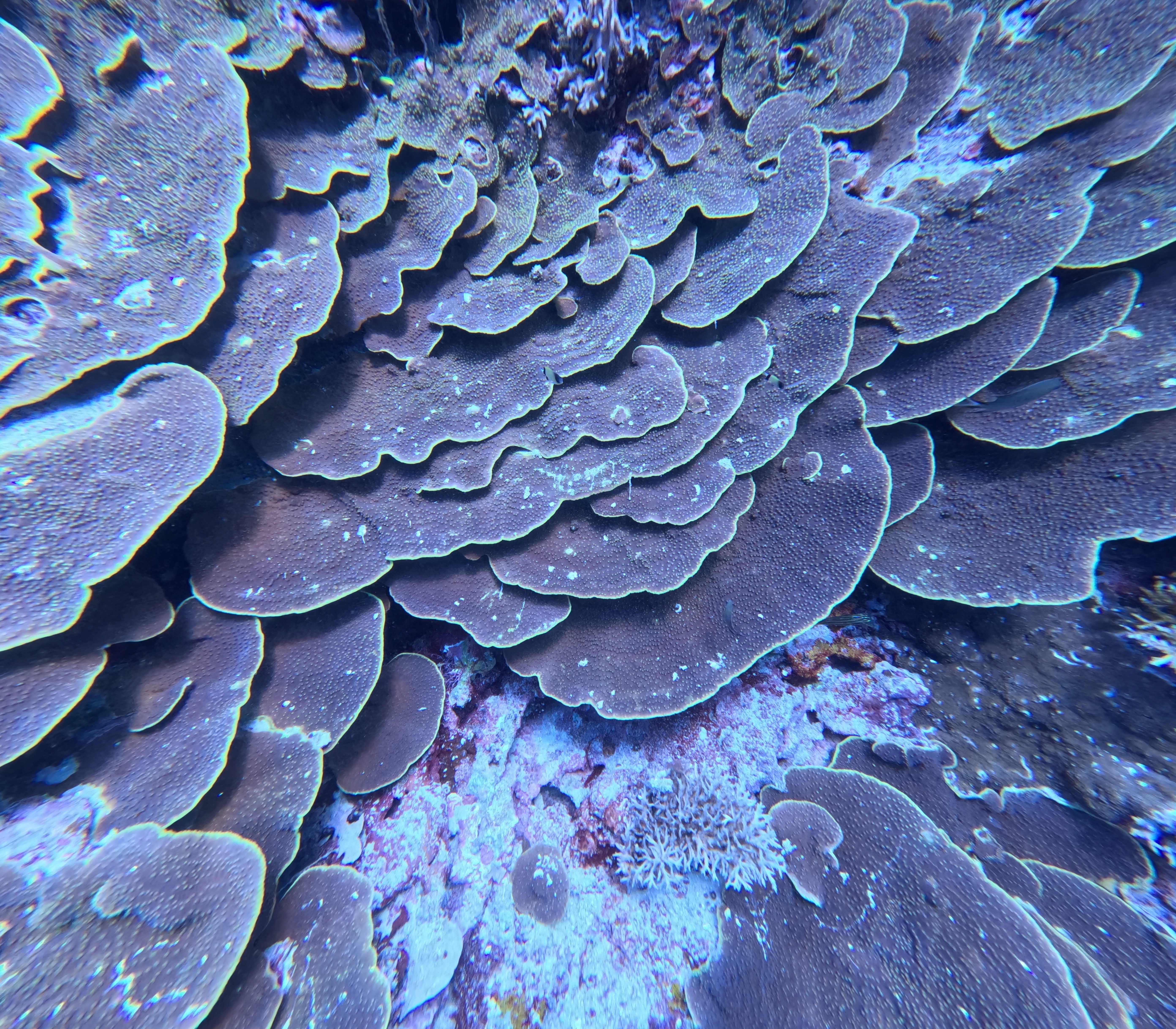
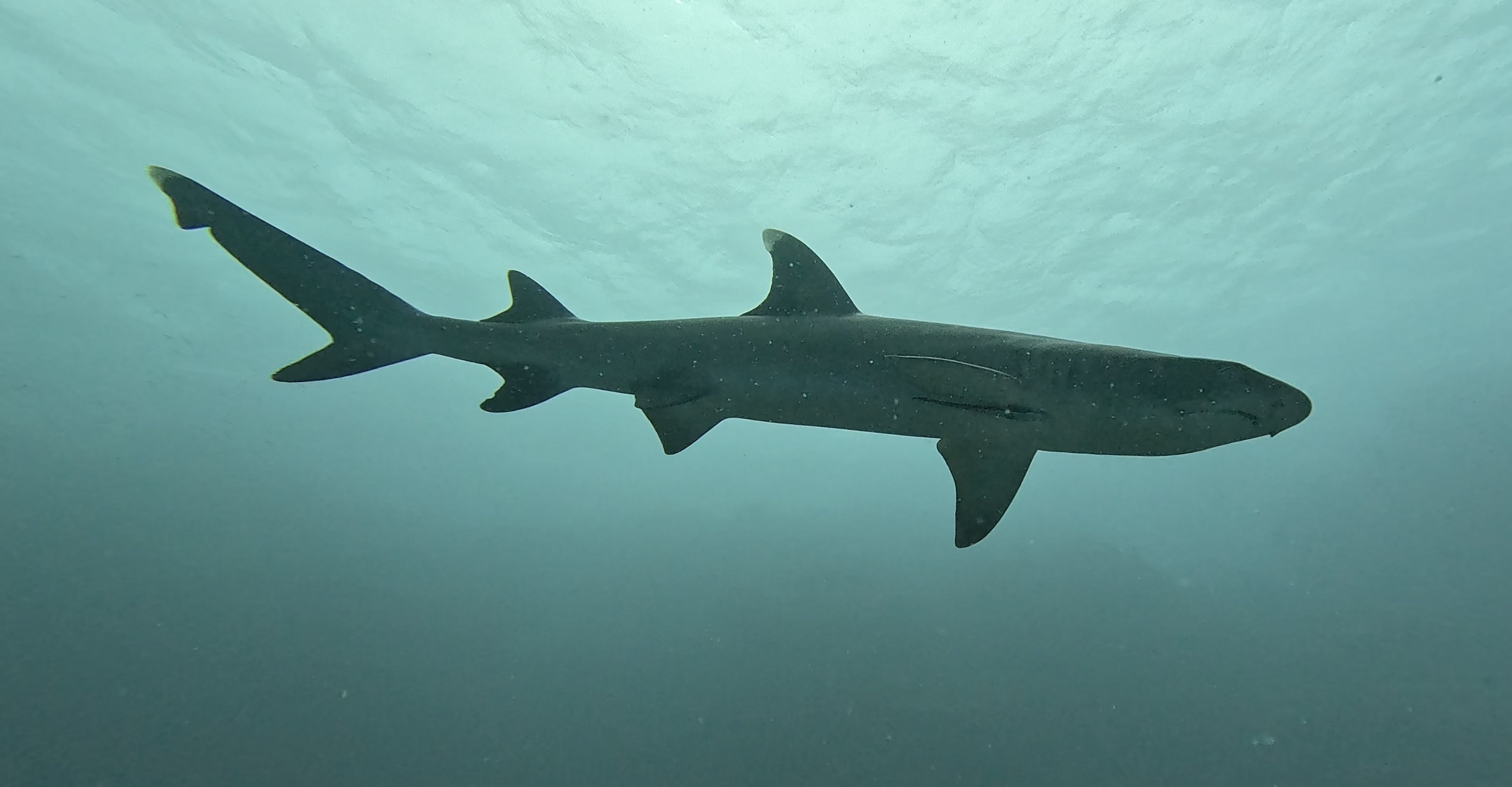
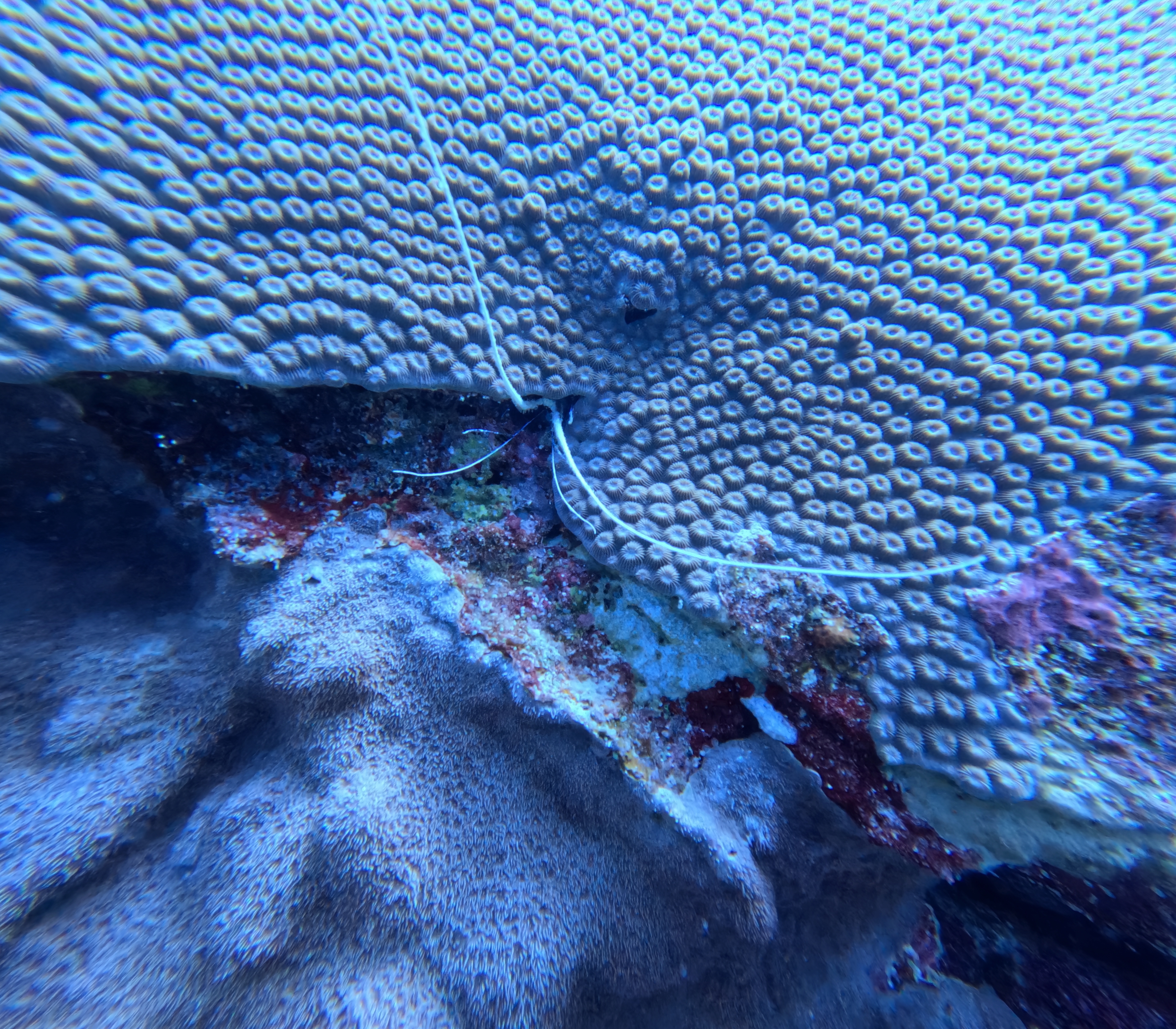
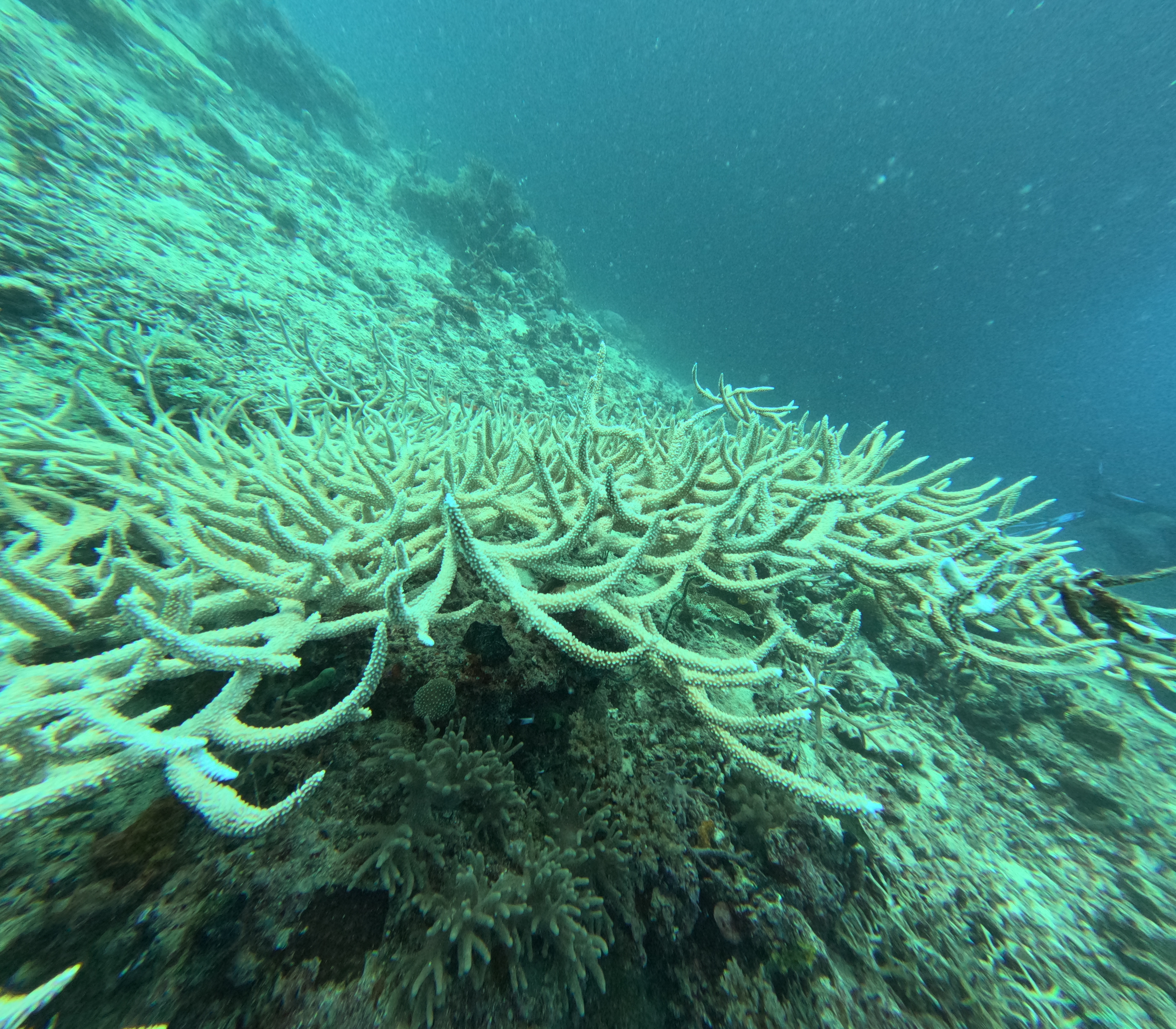
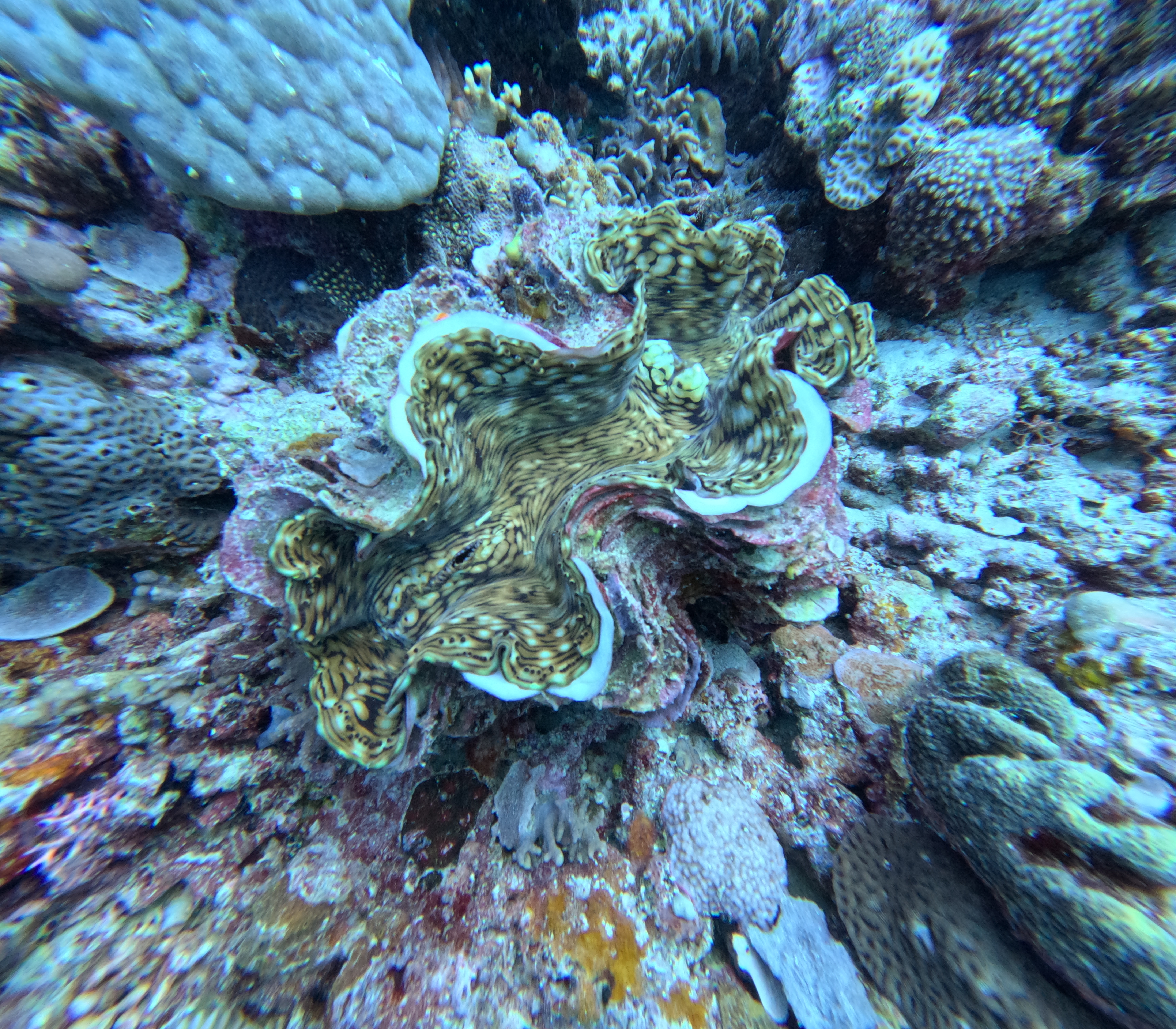
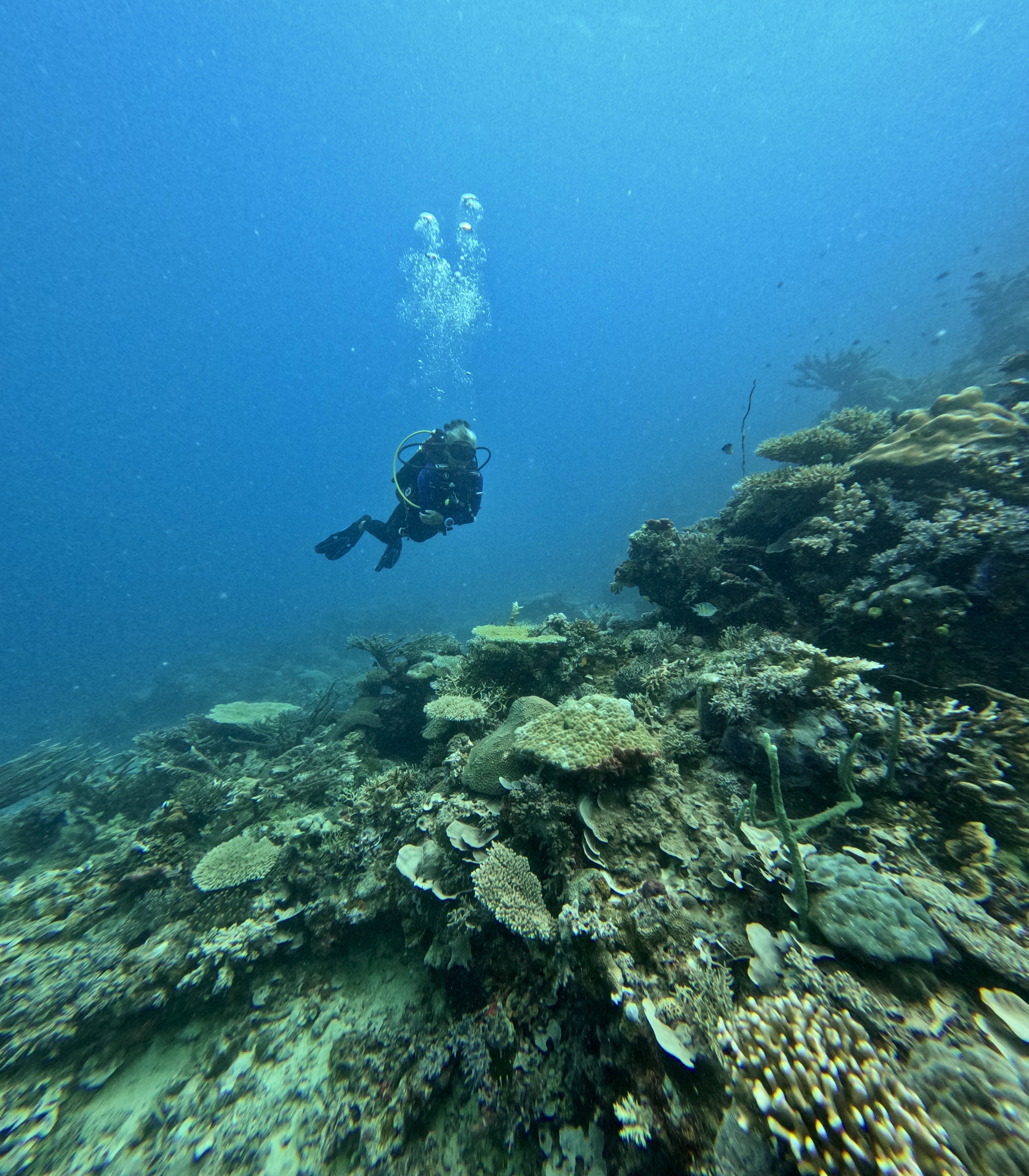
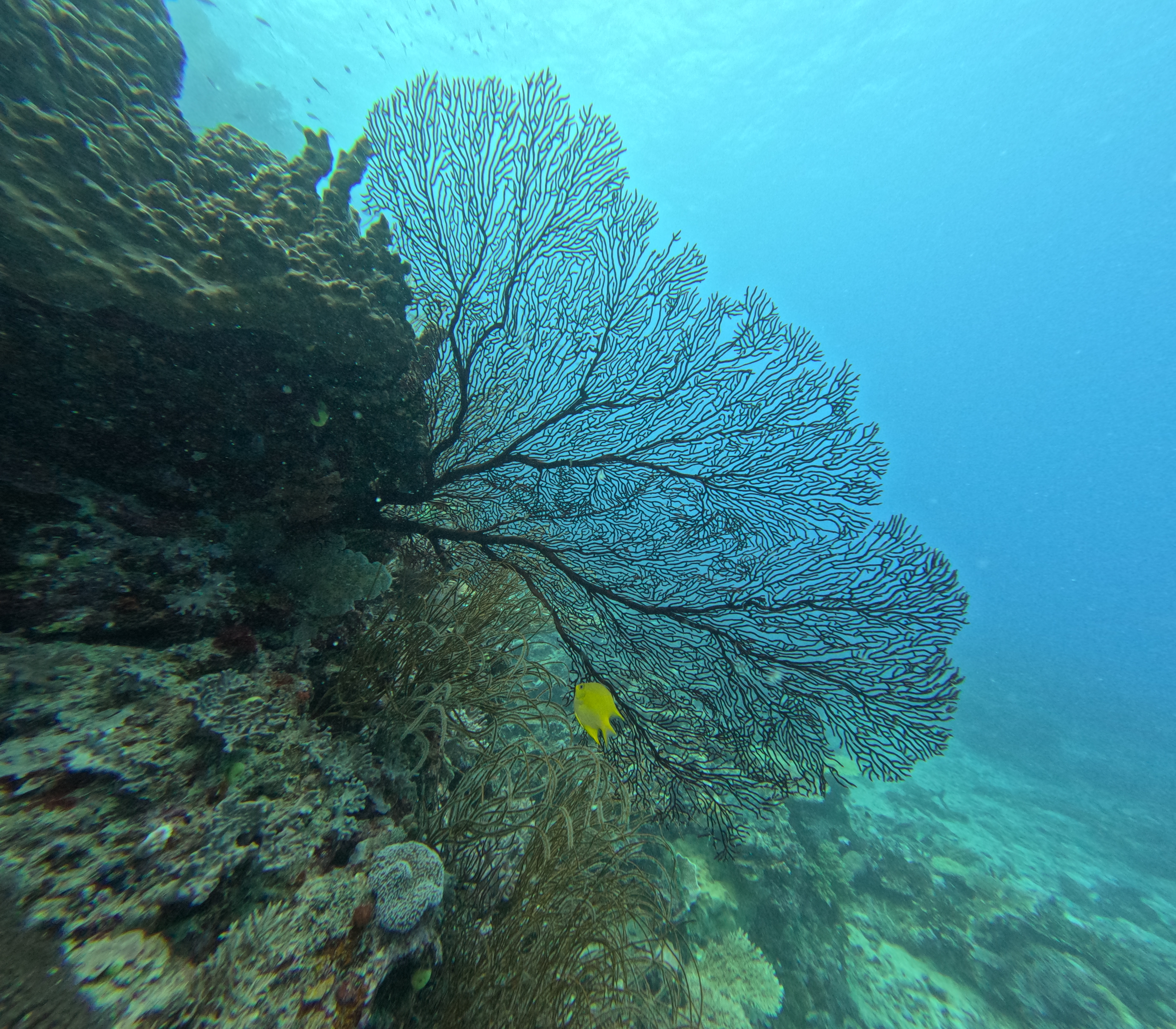
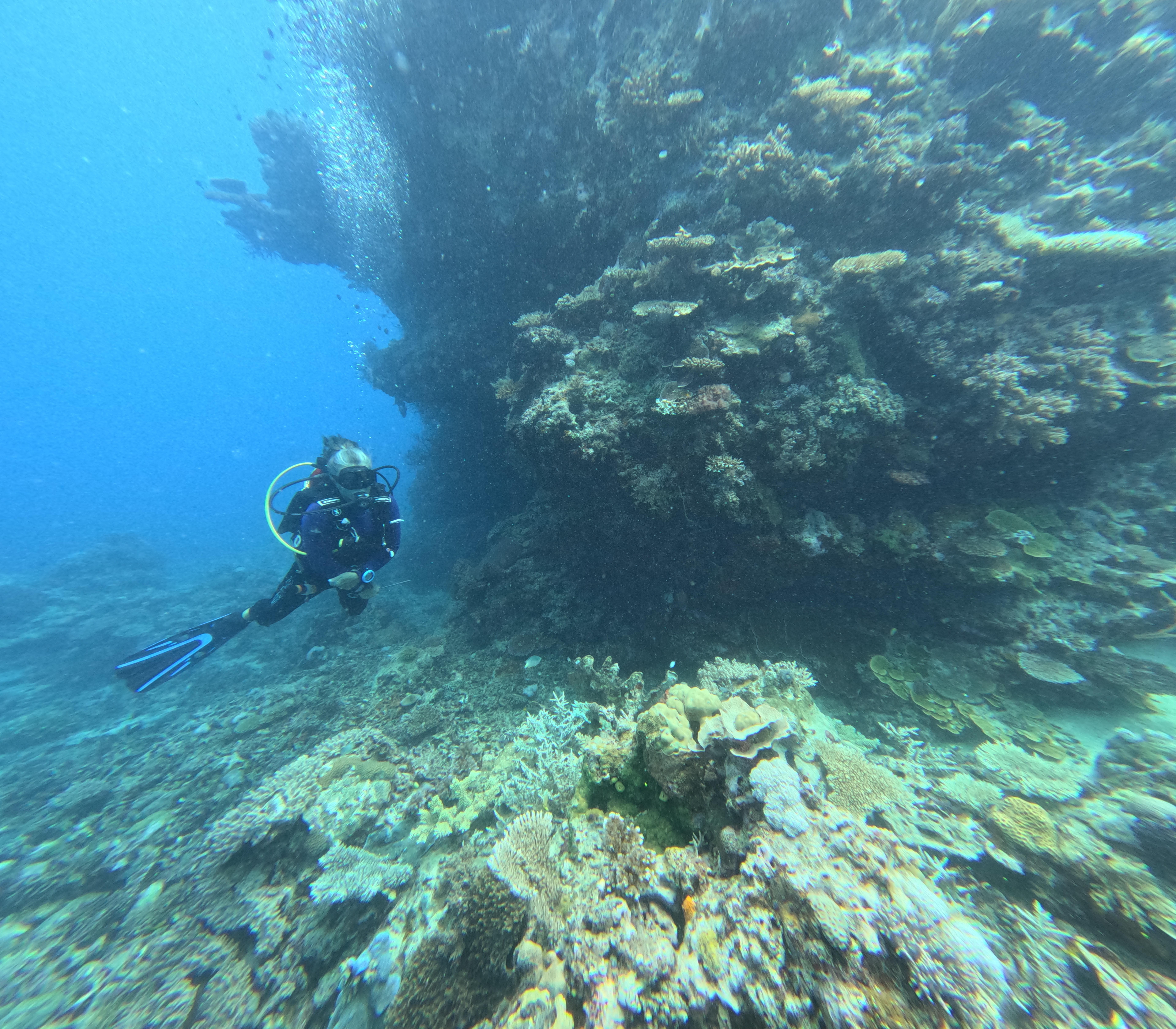
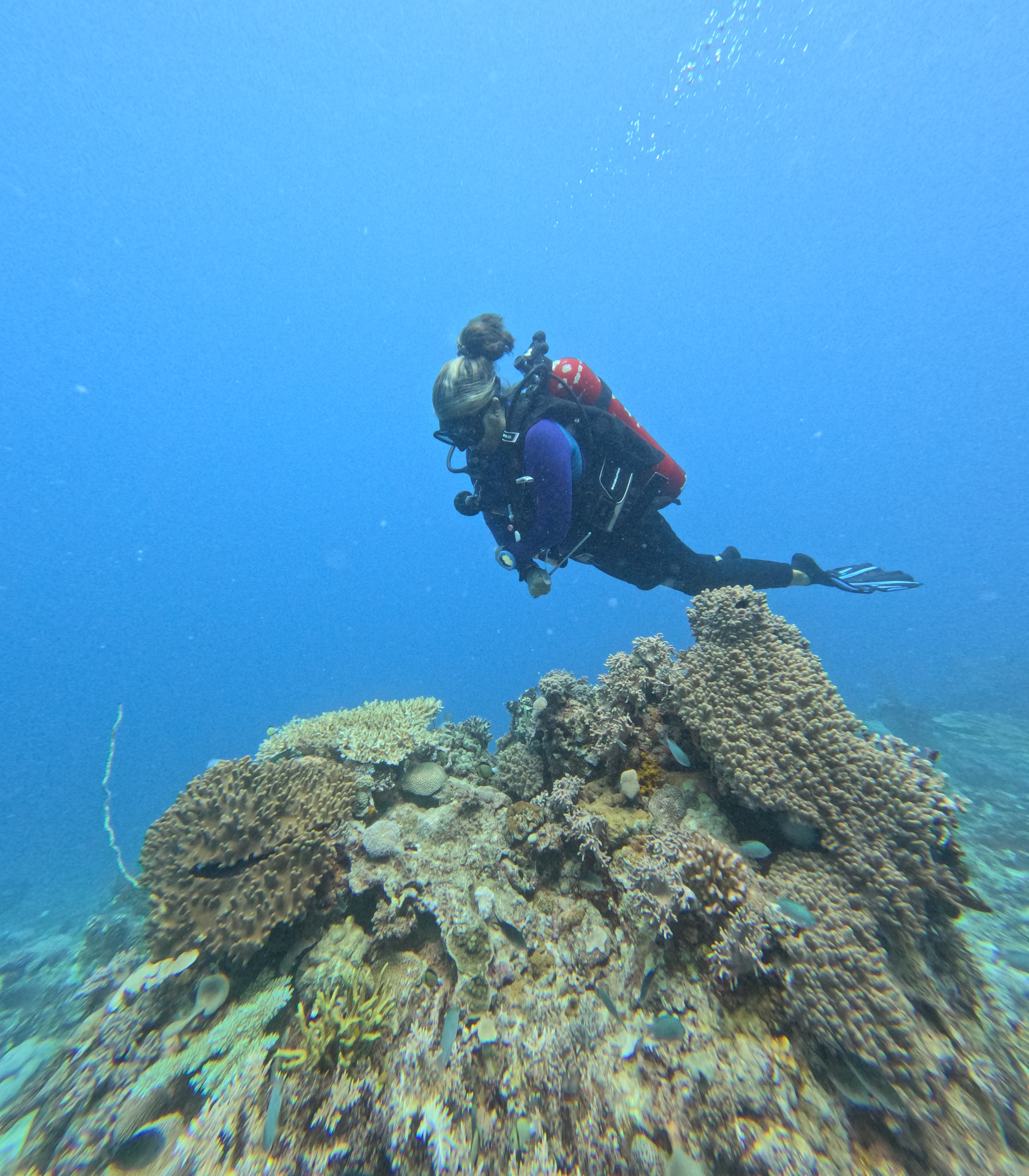
Unbelievable varieties of coral in a rainbow of vibrant colors: yellow, purple, white, orange, green. Massive fans. Huge boulders of brain coral. Thick tangles and webs of intricate of branching coral. Blankets of strangely patterned encrusting corals stretching across the rocks. Delicate soft corals with extended polyps undulating in the currents. Schools of tiny fish so dense it was impossible to see the reef behind them. Endless numbers of larger reef fish ducking around the coral structures. Large tuna and trevaly swimming above the reef. Turtles. Sharks. Even a leopard shark! Rays. Even eagle rays! And amazing topography ranging between sheer walls, huge bommies, swim-throughs, canyons, and sandy plains.

Day after day, we took out the dinghy and did multiple dives over the course of the day, exploring multiple locations along the point.



Decisions and Distractions
After nearly three weeks at Yadua Island, we found ourself in a bit of a quandary.
During our past two months in Fiji, since we had first departed Nawi Island Marina, we had ventured less than fifty miles (as the crow flies) in any direction from Savusavu. In fact, our explorations had been limited to a small triangle only ninety five miles across and twenty five miles top to bottom.
We had trapped ourselves in a Fiji Triangle of our own making!

Not that we had any complaints whatsoever.
During that two months, we had done over a dozen of what could easily be considered some of the best dives we had experienced since moving aboard Exit. More than we had done in any other country we had sailed through.
As is so often the case, the preliminary strategies and initial plans we formulate when arriving at a new country quickly evolve into something quite different. Par for the course.
We had realized quite some time ago that getting to the outer islands of the Lau Group was a stretch. As enticing as the remoteness seemed, the reality of how many other boats were there, as well as the fact that the SE trade winds were going to make getting there require us to burn a lot of diesel, made us rethink things.
Likewise, heading to the Viti Levu Group would land us smack in the middle of more people – both boats as well as the population centers of Fiji.
The Yasawa Group, to our west, was still inviting. However, a huge cruisers rally in the southern area of the Yasawas was just about to get underway and, before long, a hundred or more visiting boats would be spreading out throughout the islands. In addition, the Yasawas are quite remote as well. Food, fuel and supplies would be scarce. After a month away from Savusavu, we were already getting down on petrol and some food supplies. Heading straight there would not be the smartest move.
We chose to head back to Savusavu to top up our stocks and then make a final decision to either head directly for the Yasawas or return to our Fiji Triangle for more fabulous diving. The latest round of relentless winds that we learned was the norm in Yadua had finally started to subside, and a window for us to make our move had cracked open.
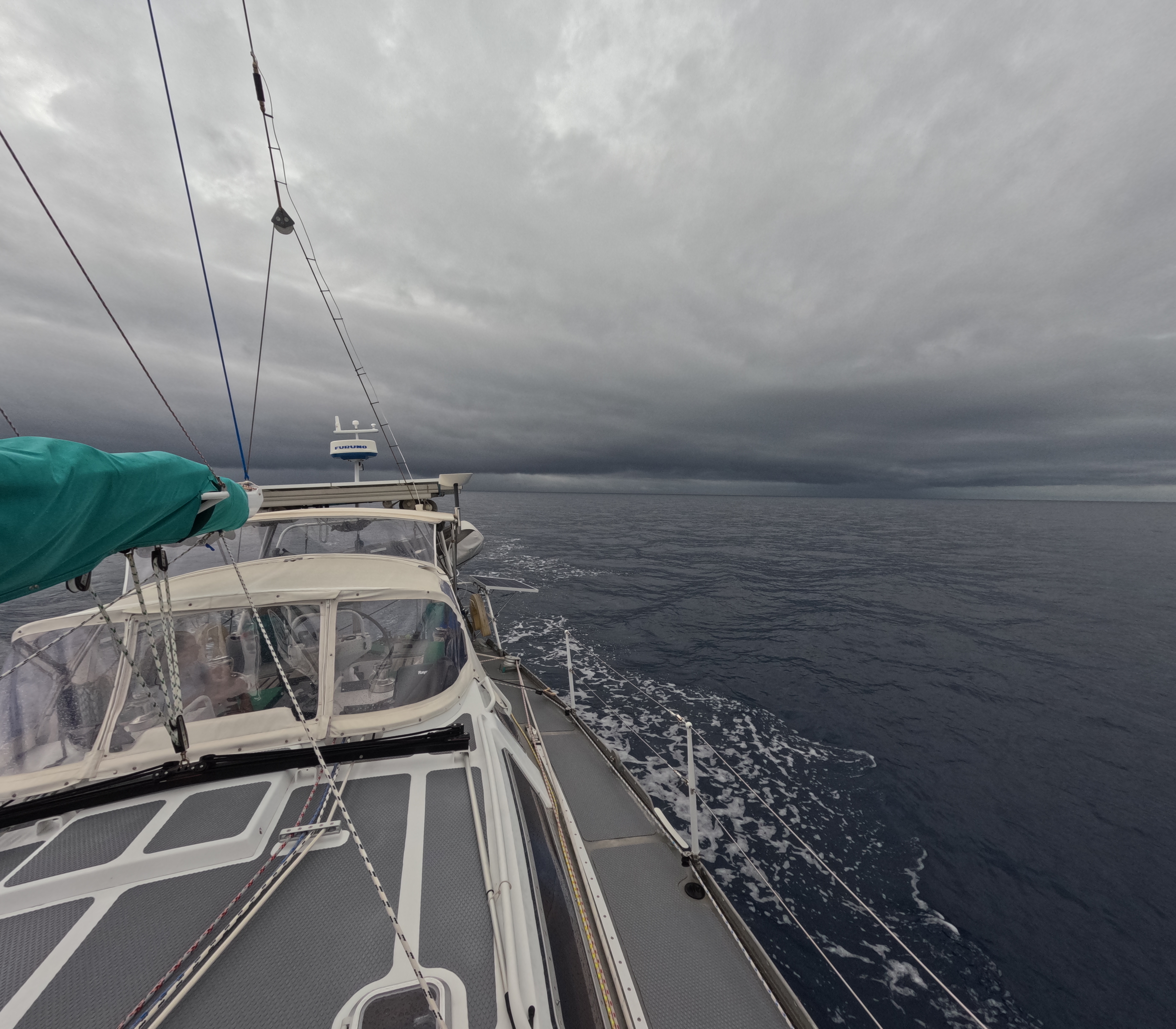
With dark gray skies that threatened to unleash copious amounts of rain all around us, we picked up anchor and pointed back towards Savusavu.

When we got back to Savusavu, after traveling through some rather unpleasant following seas, to our dismay we discovered a shocking amount of water had once again accumulated in the bilge at the bottom of our stern lazarette.
It was a flashback to exactly one month earlier when we had discovered the same thing and found ourselves bailing water from a leak whose source we were unable to definitively pinpoint.

Once again, we tried to discern the origin of the water ingress. There were a handful of possibilities, but the whole area was so hard to access that we simply couldn’t be sure. It became obvious that we would have to monitor things closely and start shortening the list of possibilities soon. The fact that it was salt water eliminated some things right away…it wasn’t rain water, it wasn’t a fresh water plumbing leak. But it was still a mystery. Did it happen when the engine was running? When the water maker was running? In rough sea conditions? A leaking hose? A loose clamp? A failing weld? Some possibilities were much more disconcerting than others.
We left Savusavu a week later; topped up on fuel and provisions as well as temporarily satiated by a large amount of restaurant and bar food. The source of our lazarette leak was still undetermined.
Our immediate destination was back to Nemena Island, where we planned to do some more diving. We made it there without trouble and found only a small amount of water in the lazarette by the time we dropped anchor. Yet, having ran the engine for nearly an hour in addition to slightly rough sea conditions, we still hadn’t been able to pinpoint the source of the incoming water.
That was about to change.
Regarding diving, the weather simply wouldn’t cooperate. We got in one dive off our transom in the anchorage which, more than anything, showed us the extensive damage that had resulted from unaware, unconcerned, and unconscientious anchoring practices of other boats. Sad.
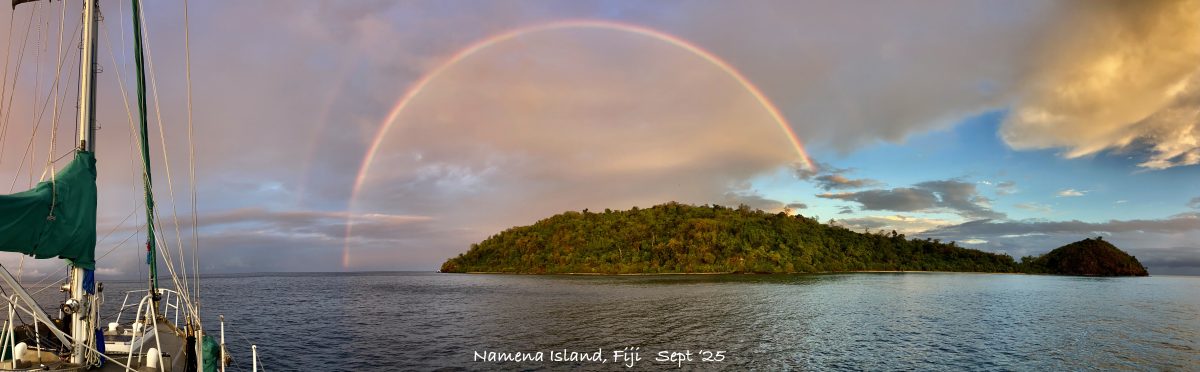
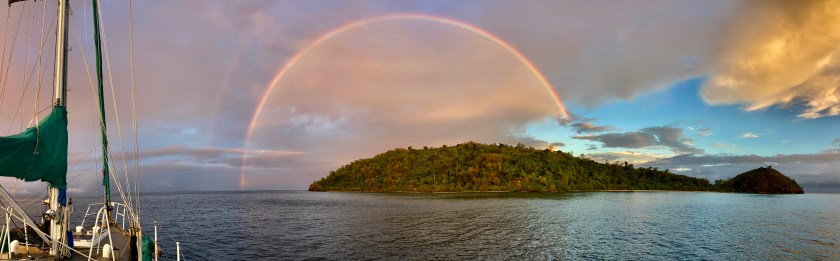
On the up side, we were treated to a phenomenal sunset rainbow one evening during happy hour in the cockpit.
The following morning, as the sun was just starting to rise, we picked up anchor in winds approaching thirty knots and pounded through the narrow southern pass . Once through, we turned downwind and headed for Yadua Island, nearly sixty miles to our northwest.
Within a few hours the wind had steadied in the low twenties, which wasn’t bad considering our wind angle was 130-140°. However, the following seas were messy, and we continually had swell coming over our transom, at times even washing over the lockers on either side of the transom.
By 1pm we had been underway for nearly seven hours. And even though we had been sailing almost the entire time, only running the engine for a brief period first thing in the morning, our solar charge had been good enough that we decided to run the watermaker.
It was a fortuitous decision.
After turning on the water maker, I always check to make sure that fresh water is actually being fed into the tanks (to verify that the automatic switch has engaged when the salinity level drops below a certain point). I lifted the floorboard to check, and was instantly shocked to find the bilge full of water.
After some panicked rummaging about, I realized it was not coming from the water maker…which led to one conclusion. Despite the challenges of troubleshooting while rolling back and forth in obnoxious sea conditions, we had to see what was going on inside the lazarette. So we commenced with pulling a bunch of things out of one of the lockers and I climbed inside with a torch.
The water was higher than it had ever been. And, even though we started bailing water with a portable electric pump we had rigged up previously, the water was still coming in at a much high rate than ever before.
This time the stern lazarette had filled enough that the water had reached a hole through which plastic conduit tubing passed, feeding electrical wires from the outside solar panels to inside the boat. It was how water had ended up in the bilge under the water maker.
With most of the water pumped out, I could start inspecting more closely to try to isolate the location of the leak. It didn’t take long this time…
Holy shit! We now had our definitive answer.
Once the water level in the lazarette was under control, nothing more came inside the boat. Two hours later, after many more return trips into the lazarette to pump additional water out, we sailed into Cukuvou Harbour at Yadua Island and dropped anchor.
It had been a harrowing day, to put it mildly.
The following couple of days were spent doing research and making hard decisions.

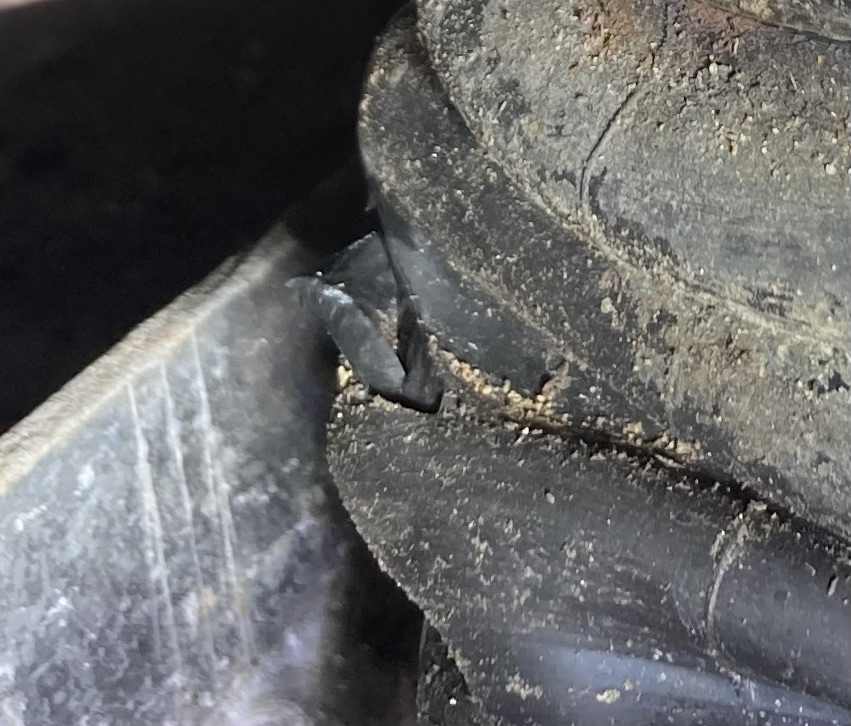
We determined that the rudder seal, a rubber boot that creates a water barrier between the aluminium rudder tube and the rudder stock itself had developed a hole. It was almost invisible at rest, but turning the rudder while underway caused the boot to flex, and the hole opened wide. Because the boot is above the waterline, water only came in when we were motoring and the stern lowered slightly, or in big following seas.


Extensive online correspondence with other, more experienced Garcia boat owners led us to the conclusion that this repair was actually doable while we remained at anchor.
Normally, replacement of the rudder seal would have required two things. For that type of seal, the entire rudder itself would actually first have to be removed to slip a new boot onto the rudder stock. Possible, at anchor…or so we had been told. But it would add a lot of extra complications. There were other variations of seals that might alleviate this necessity. But, in any case, we would have to have a spare seal of some sort aboard. Back to the old wisdom that had again been validated less than two months ago with our compressor — You gottum broken shit and no parts…you gottum big problems. You gottum spare parts…you only gottum little problems.
Ultimately, our saving grace turned out to be an anonymous guardian angel who had stepped in years before.
At some point in Exit’s past, someone had the foresight to actually put a spare rudder seal, not only on the boat, but on the rudder stock itself. We discovered the seal sitting atop the steering assembly…right where it had been sitting for at least a decade.
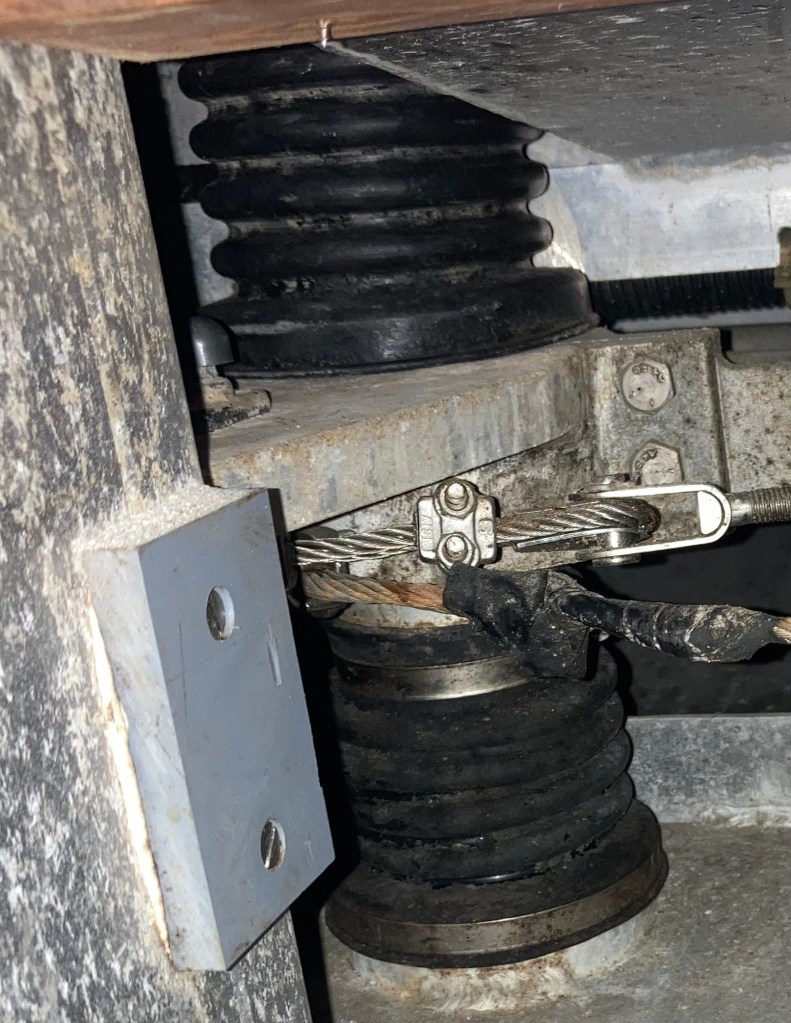
Things immediately had gotten much simpler. Instead of having to procure an obscure part in the middle of the Pacific Ocean, as well as needing to go through the much more complicated process of removing the rudder itself, we now just had to disassemble the steering system that was preventing the new seal from slipping easily into place once the old seal had been cut off.
One of the other Garcia owners we were corresponding with poignantly pointed out that, “Whoever is the person with the foresight to have placed that spare rudder seal where it currently sits, deserves a post card and a really nice bottle of wine.” True dat…words of wisdom.
The new challenge became understanding a system that, up to this point, we had experienced zero interaction with. This involved a shitload of looking at things and taking of photos, learning exactly what needed to be done and in what order.

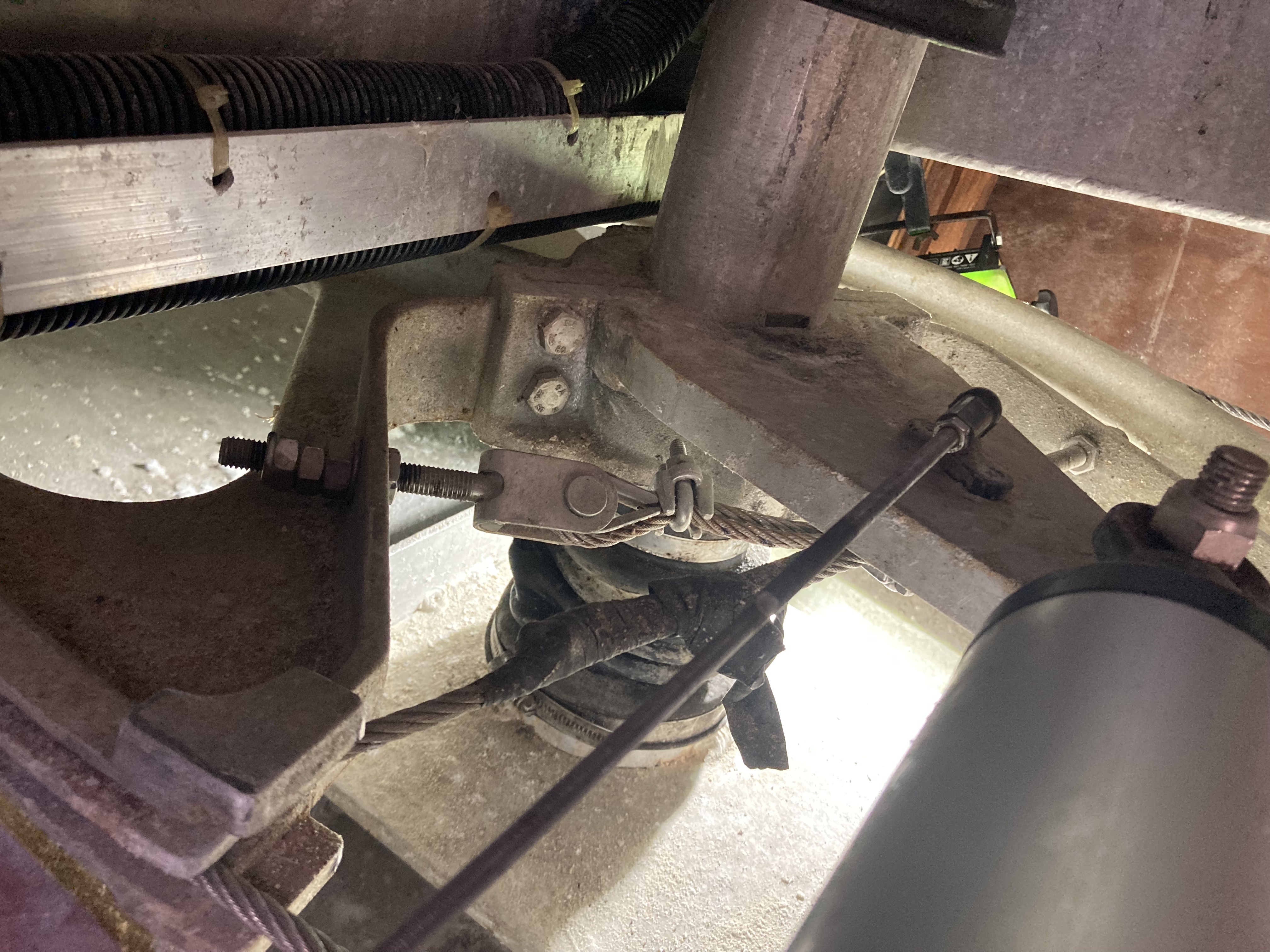
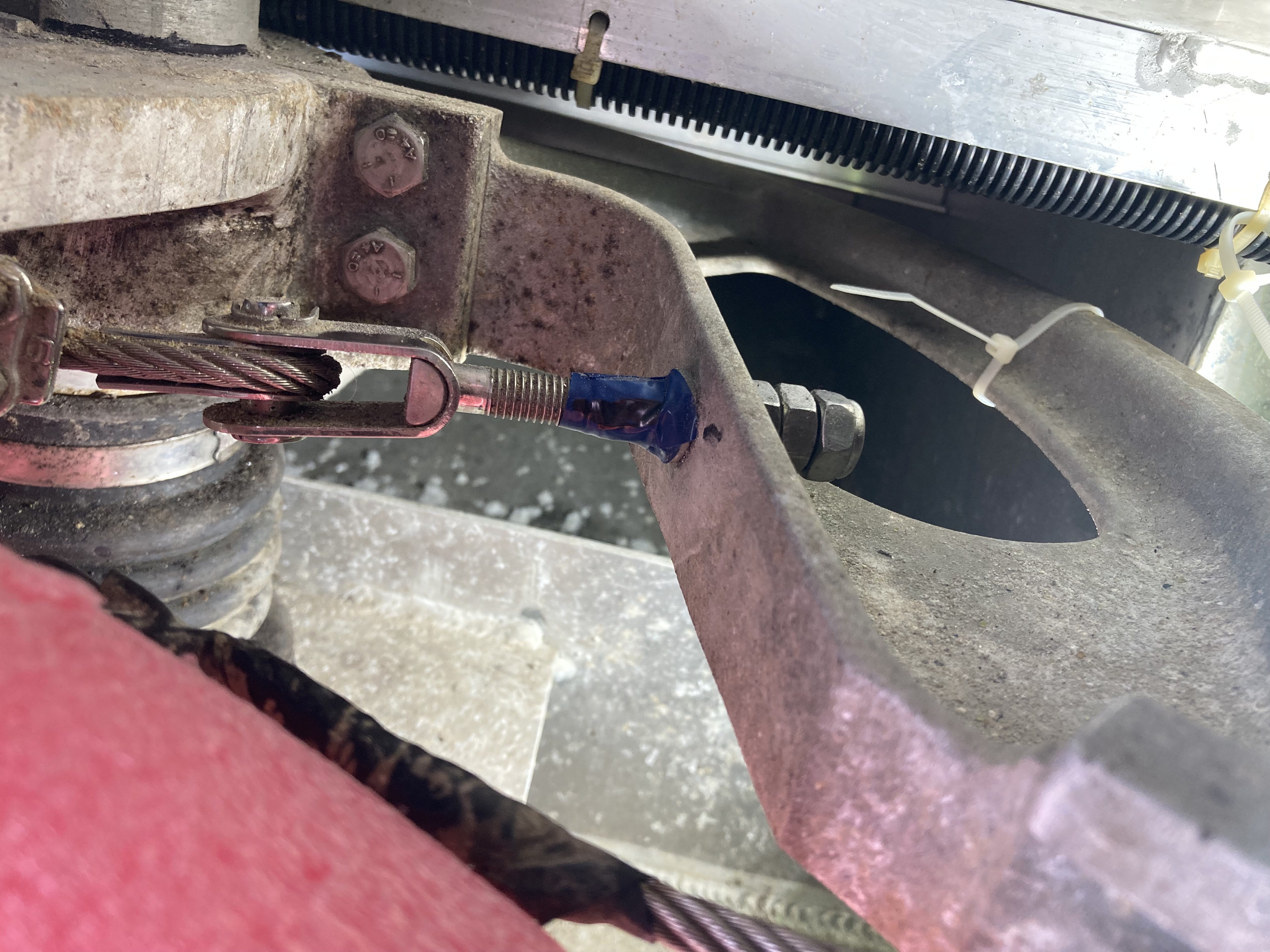

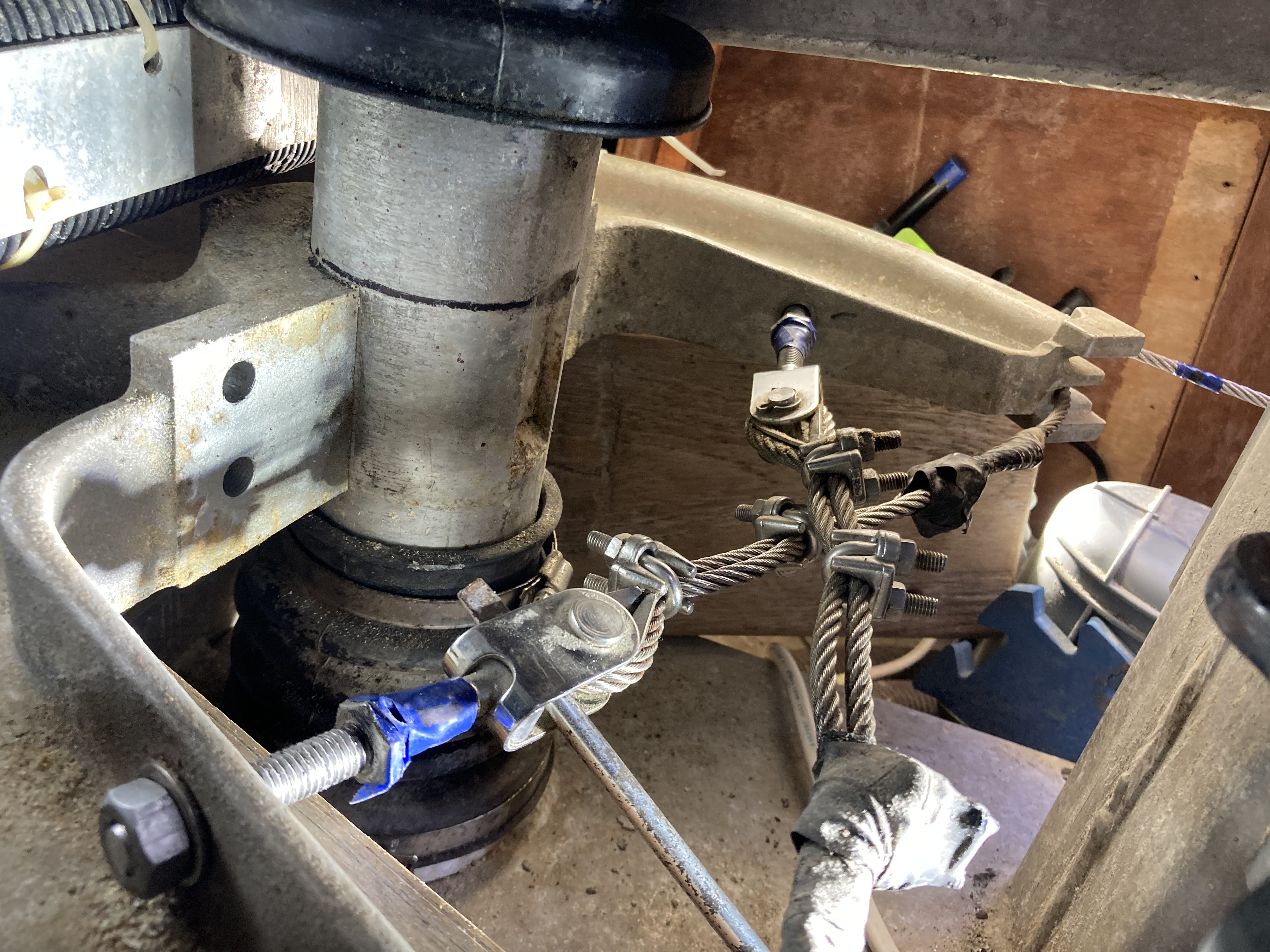
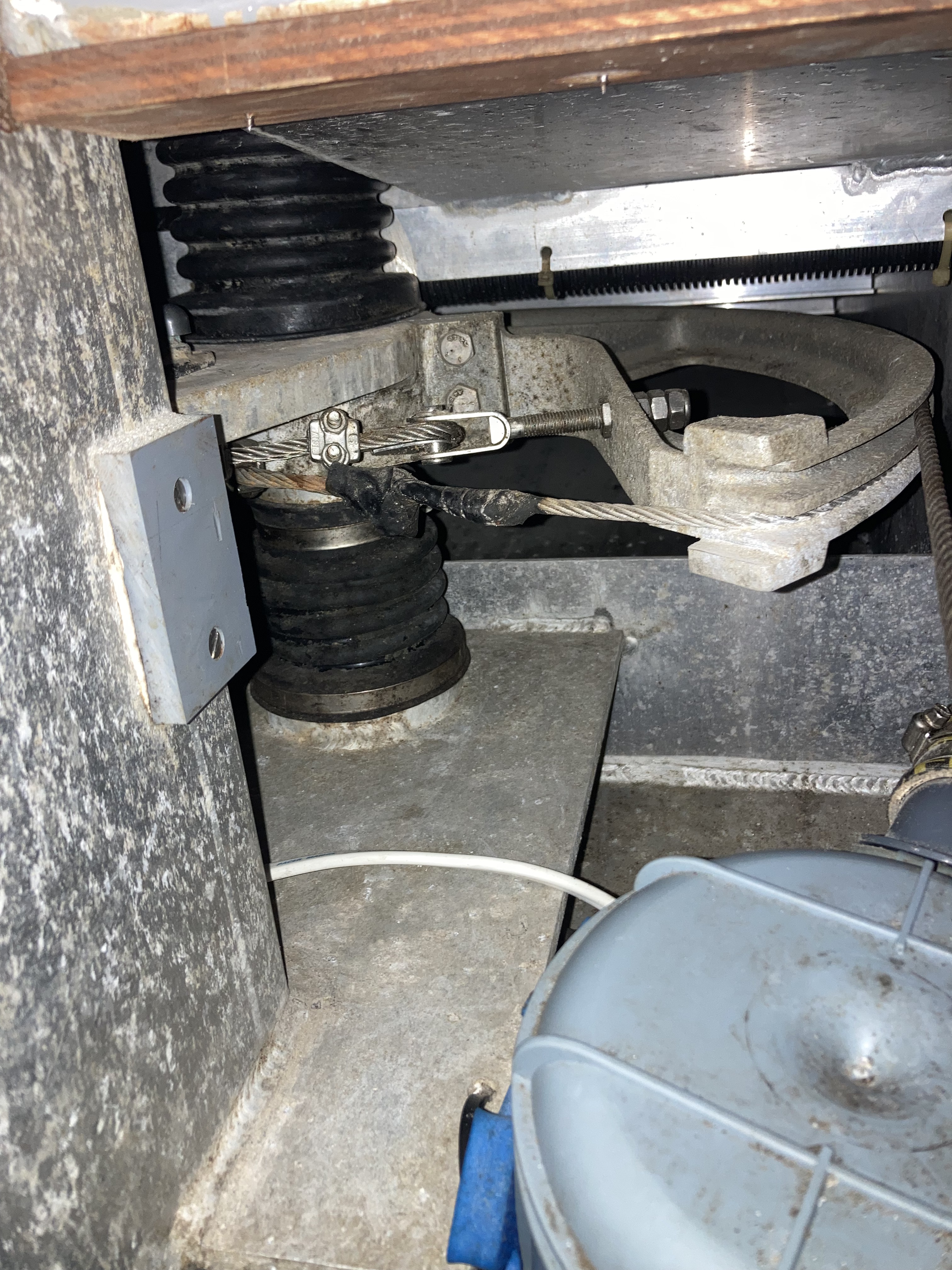
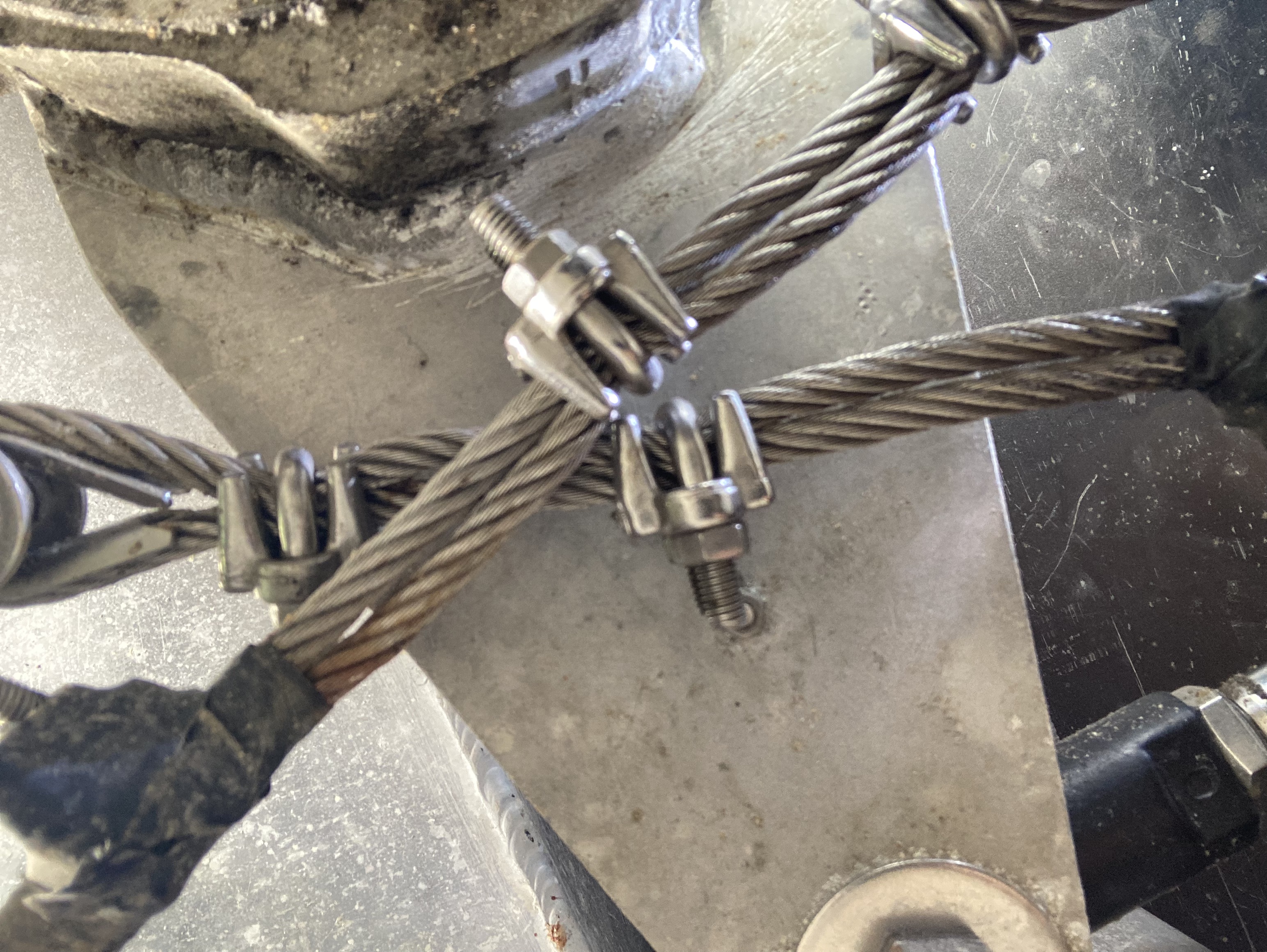

Taking things apart is almost always relatively easy; it’s getting things back together that can be particularly tricky. If we got our entire steering system disassembled, and were unable to get it back together correctly, we would find ourselves stuck fifty miles from civilization without any ability to steer the boat…potentially a much bigger problem than a leak.
We almost decided against undertaking the task. Limping back to Savusavu, where we could haul out the boat and sort out everything under more secure conditions seemed like the safer bet. However, in the end, our support group of Garcia owners reminded us that, if it was easy, everyone would be doing it. With a plan formulated, by taking it slowly, we could succeed. In other words, man the fuck up and grow a pair…just get ‘er done.
After a great deal of discussion, we concluded that we would attempt to the repair exactly where we were currently anchored…after we did a few more dives to get our minds in a happy place.
BACK TO DIVING DAMN IT…
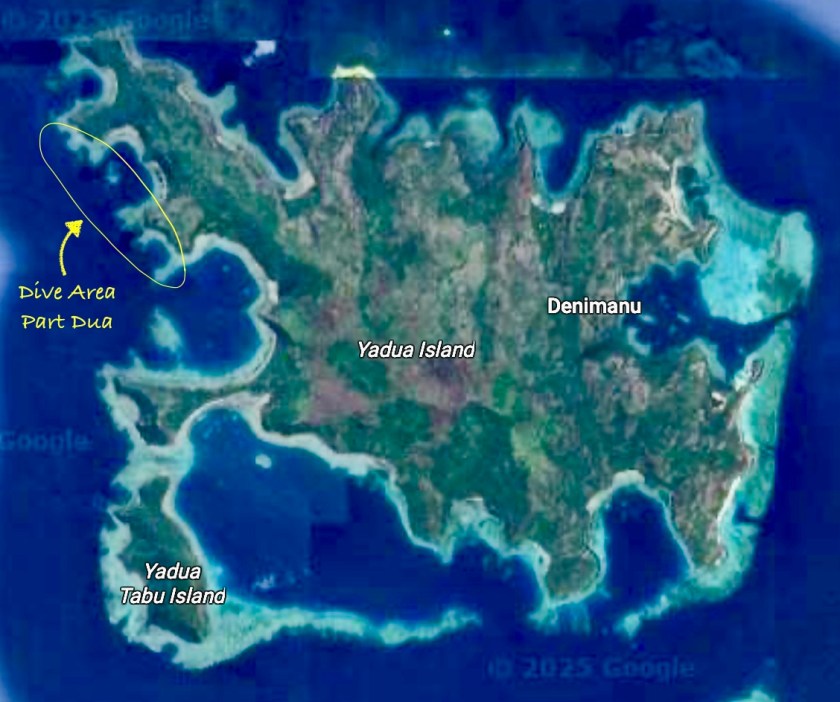
This time we chose a slightly different area, the other side of the bay working our way toward the northwestern tip of Yadua. Just like before, we geared up in the dinghy, found a spot we could securely anchor without damaging coral, and started exploring.
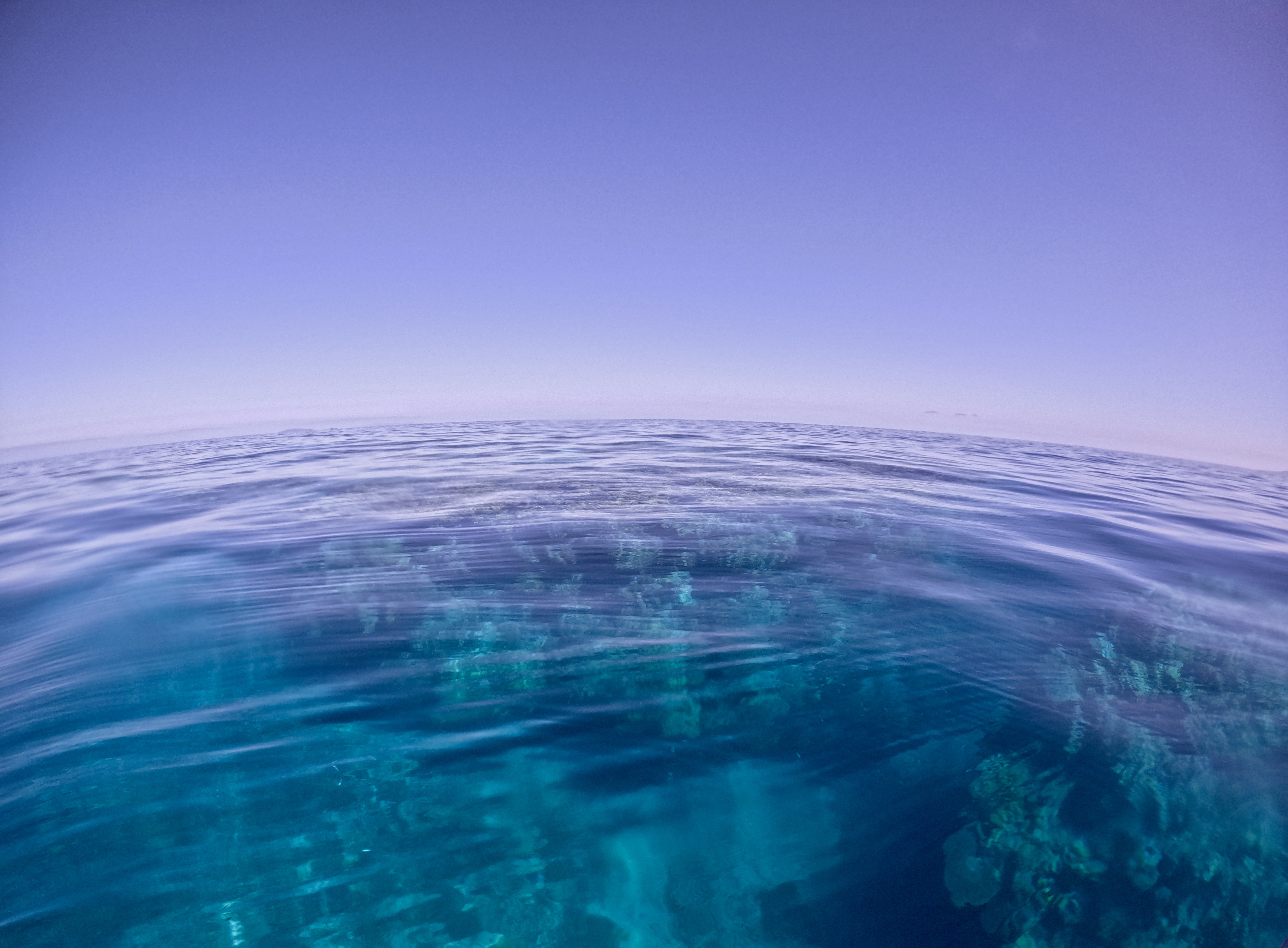
Once again, we were not disappointed. Slightly different topography with less sheer walls and more canyons and ravines, but just as stunning.


Back to the “fixing shit in exotic locations” part of boat life…
After a couple of days of unbelievably stellar diving, it was time to re-focus on the repair at hand, our rudder seal.
The task seemed pretty straightforward. #1 and #2: disconnecting the autopilot; #3: disconnecting the two steering cables (the second cable exactly the same on the opposite side); #4: remove the four bolts connecting the large radial steering assembly to the rudder stock (two identical bolts on the opposite side).
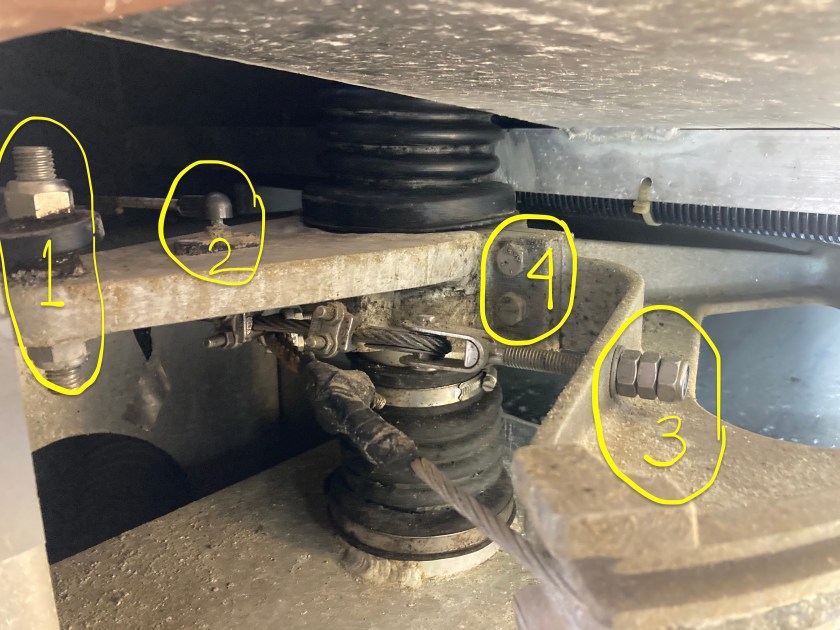
That would clear the way to loosen the two boot clamps, cut off the old rubber boot, and slide the new one into place. We assumed the area under the old seal and clamps would require some cleaning and sanding to get the aluminium surface pristine and smooth, facilitating a good seal.
The challenges we anticipated?
Access to the whole damn thing…keeping the steering cables organized and snug enough that they would not misalign our whole steering system during reassembly and be able to be re-tensioned to exactly what they had been…supporting the rather awkward and unwieldy radial steering assemble so that it didn’t collapse entirely and become a nightmare to reassemble back on the rudder stock… the possibility of finding aluminium corrosion issues on the surface that the rubber seal made contact with.
We had a plan…slow and steady progress…no worries.
Oh ya. And the thirty five knot wind gusts that had kicked up. If we dragged, we wouldn’t have any steering to help get the anchor reset.
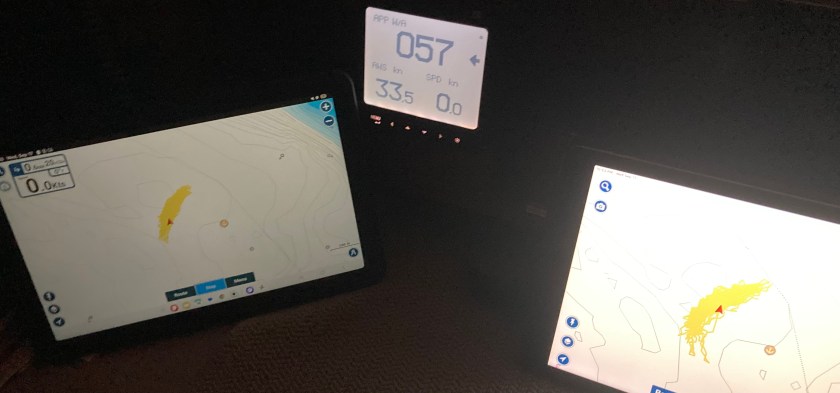
Piece of cake…hmmmm.
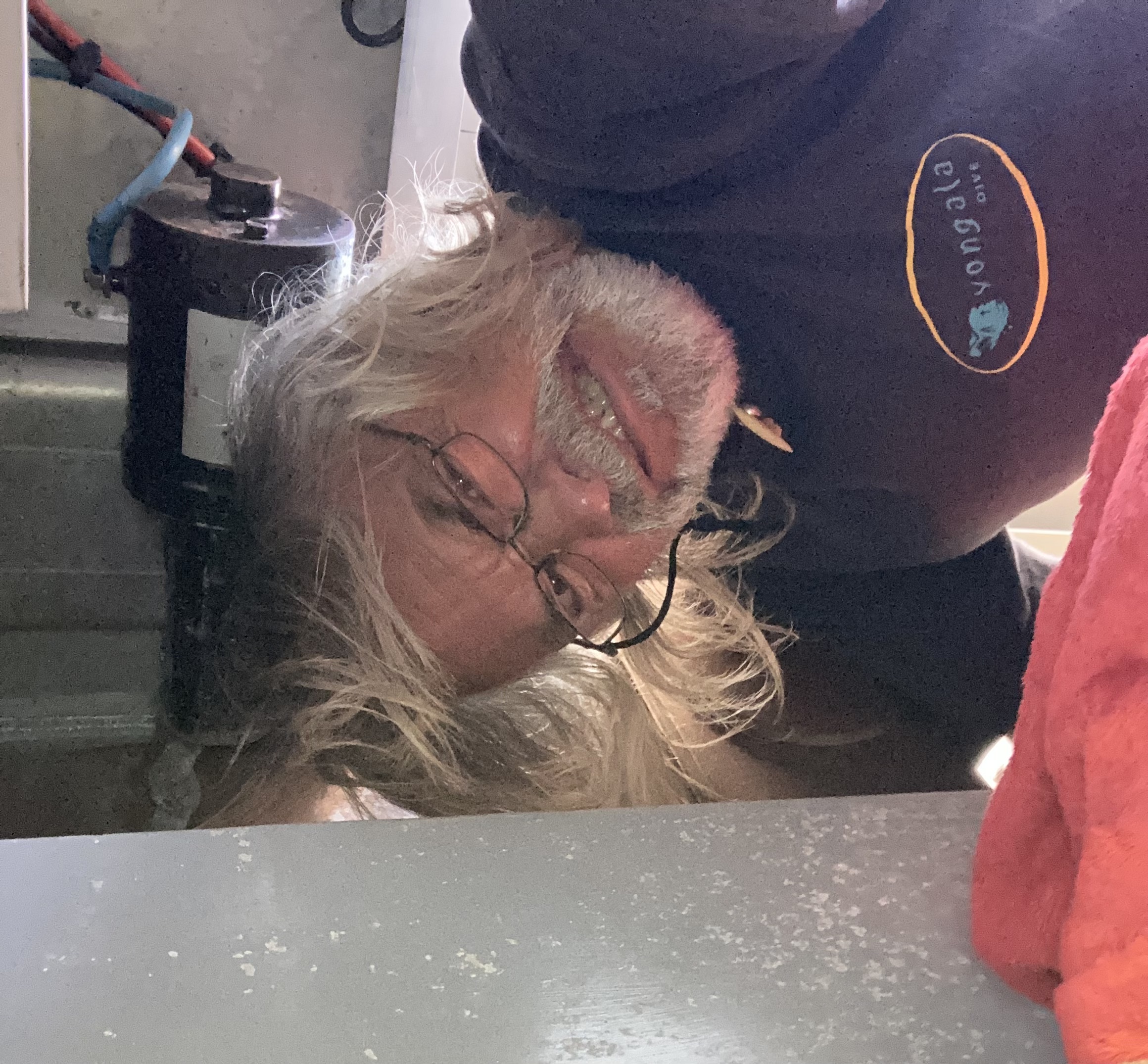
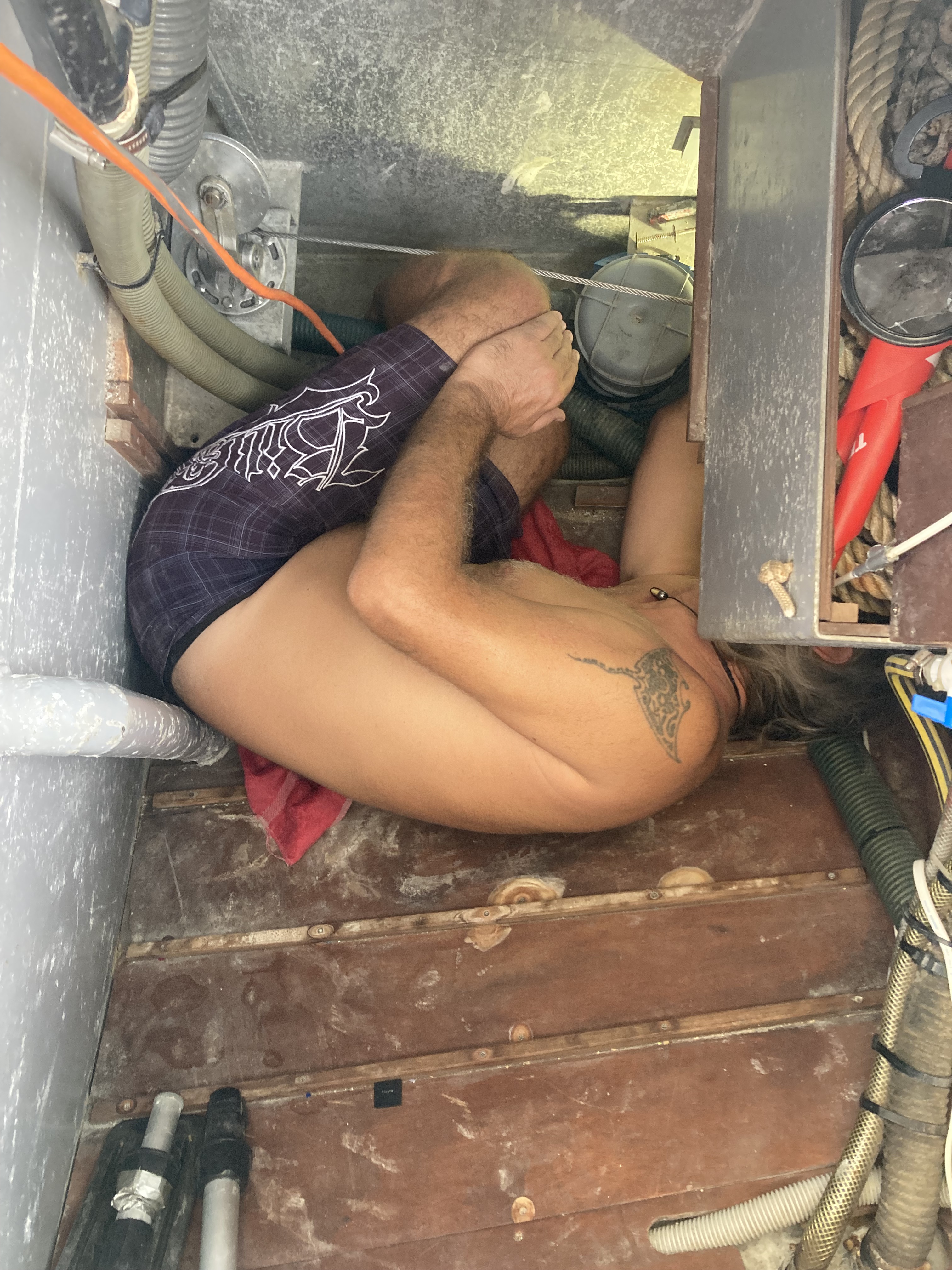

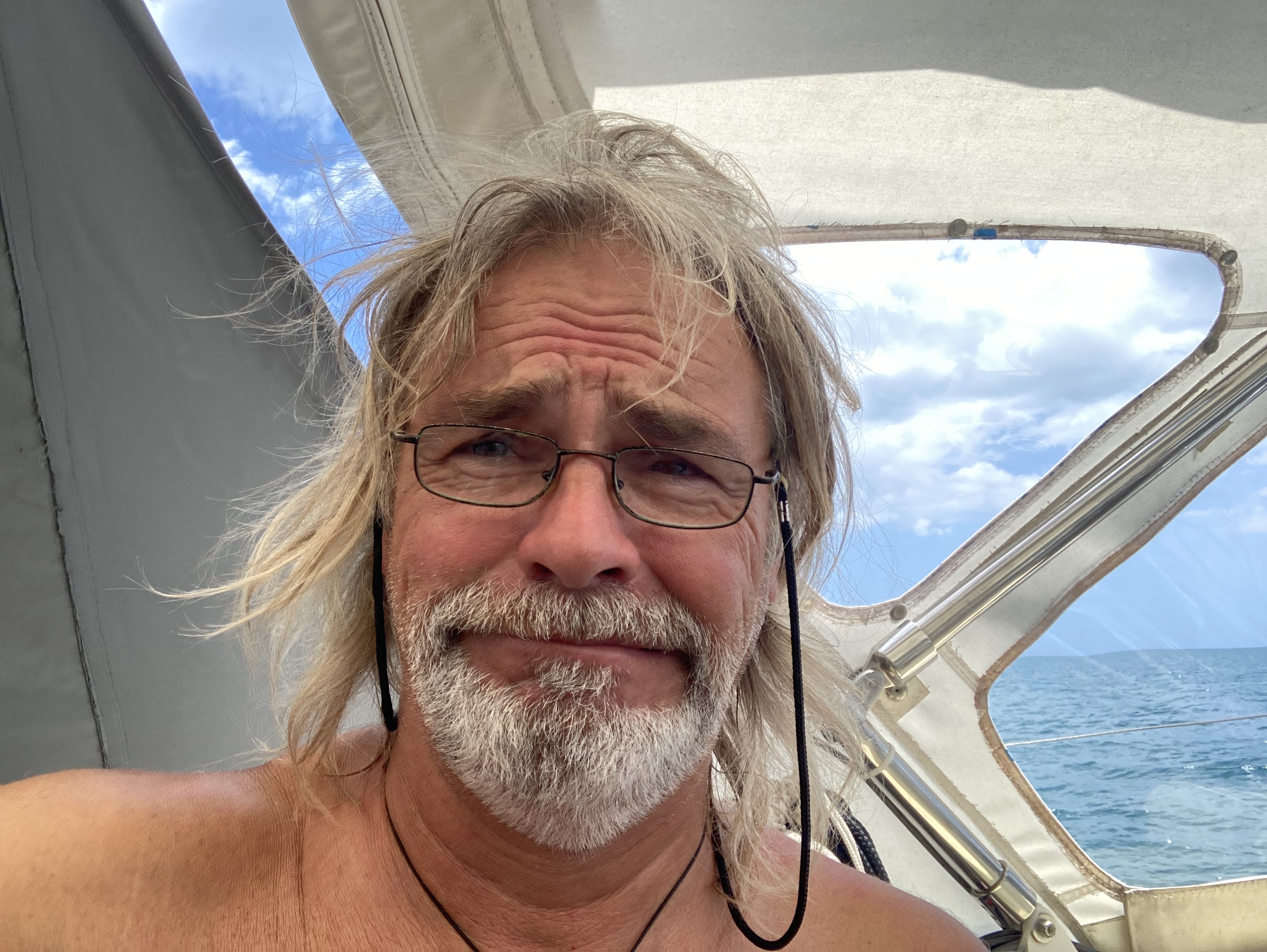
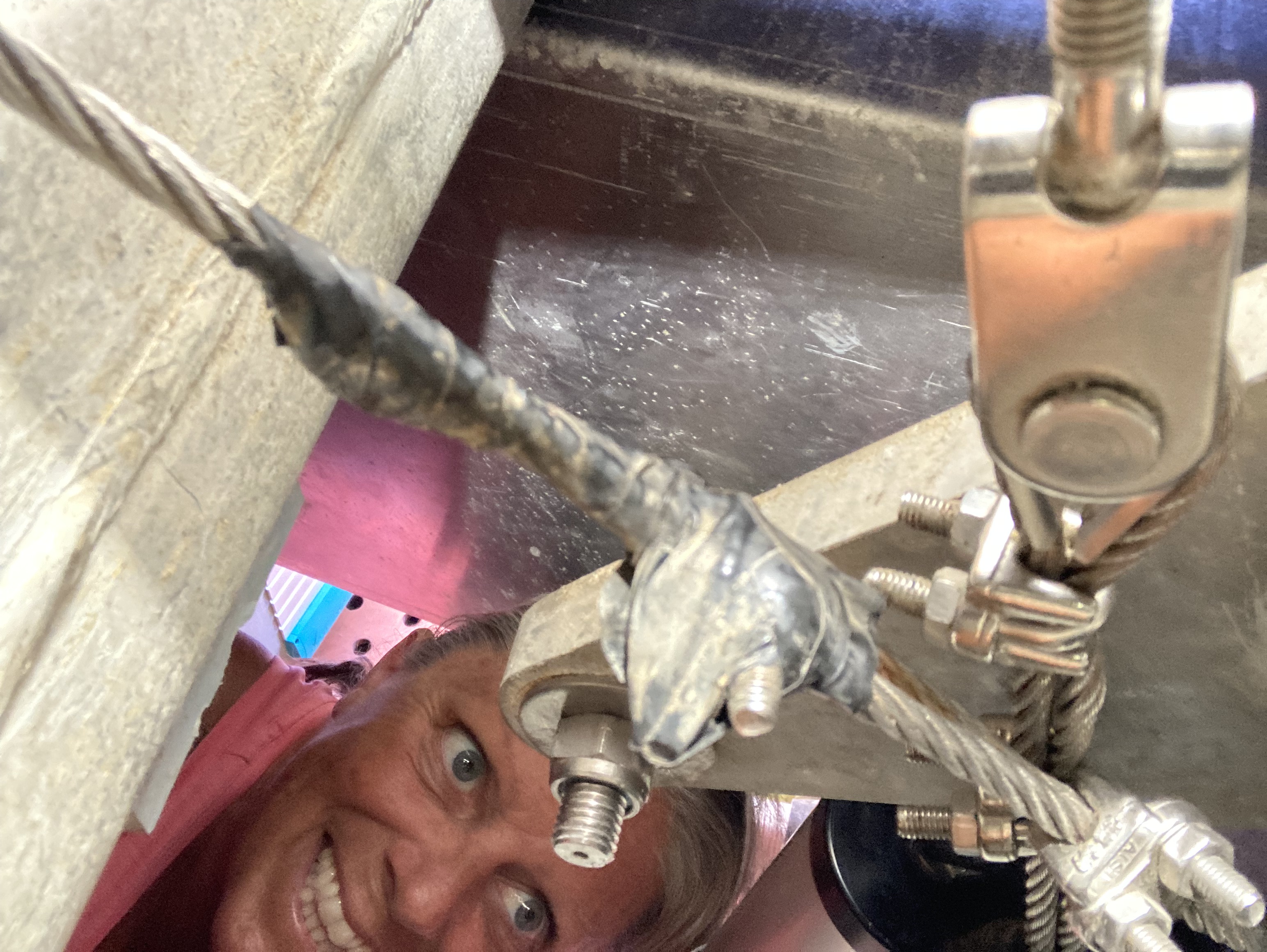
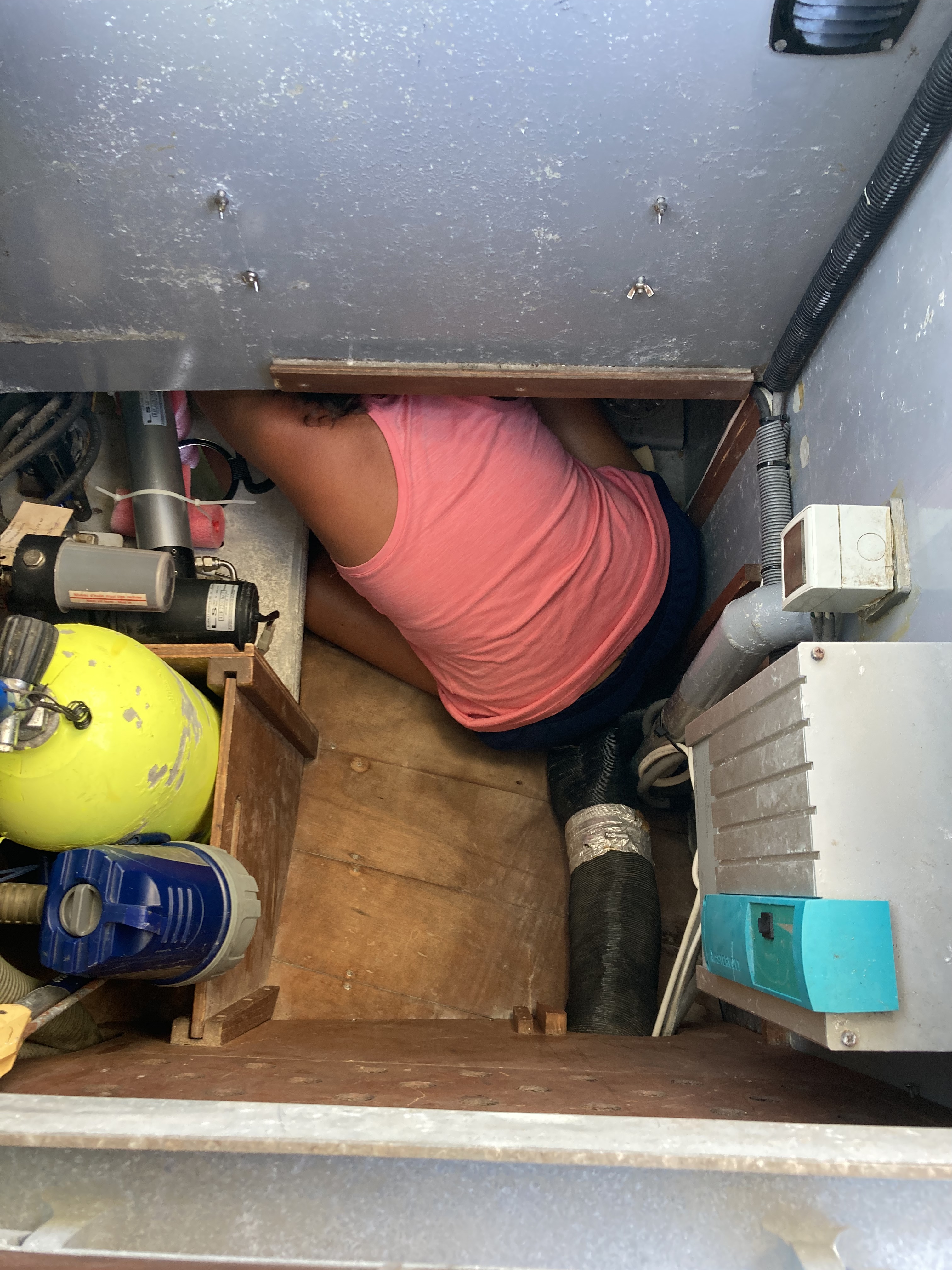

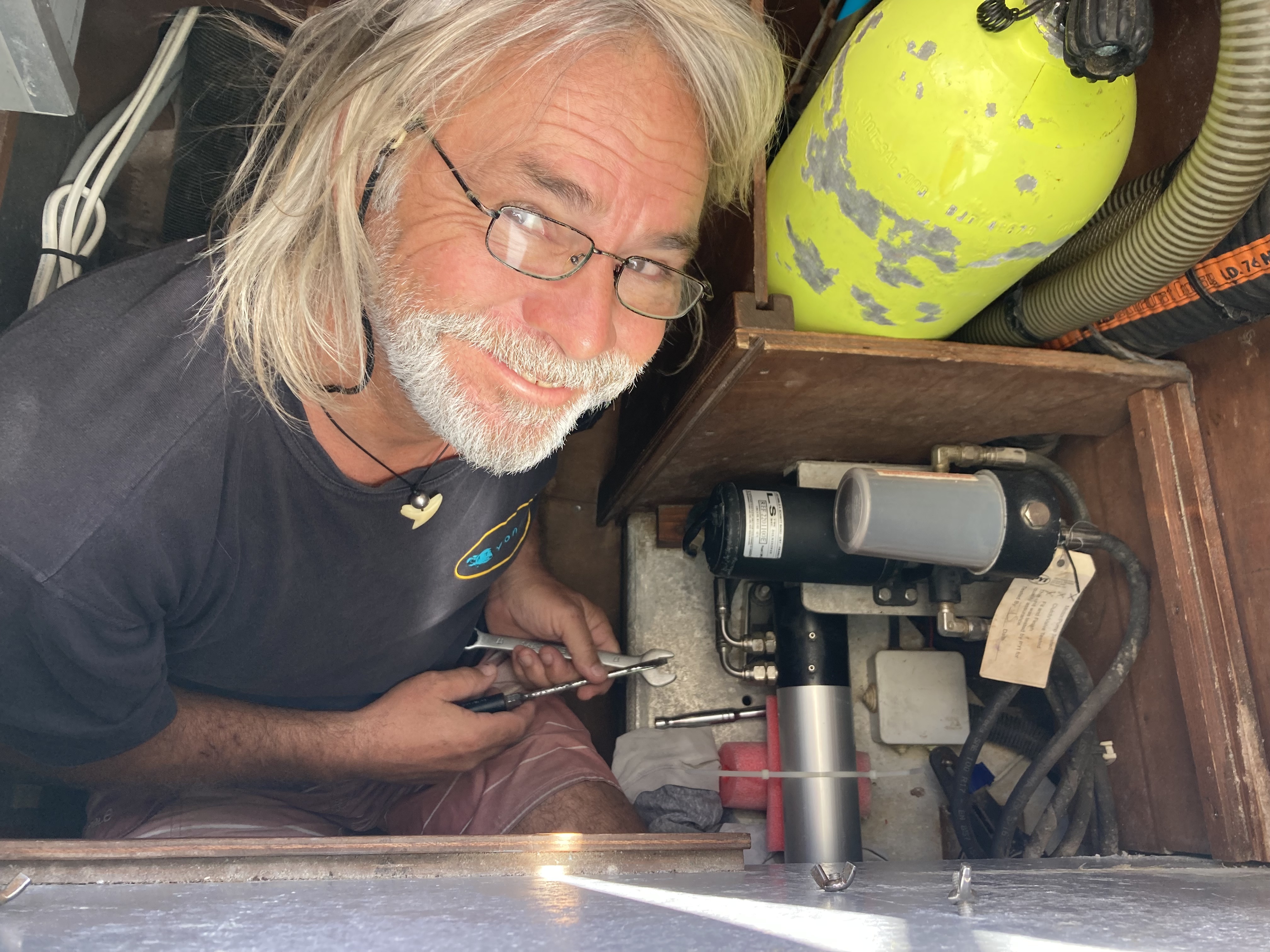
After two days of endlessly contorting (often upside down, inverted, and folded) to fit in a locker fit for a Leprechaun, running through my full vocabulary of swear words (plus a few new ones) multiple times, coordinating maneuvers involving both of us in both lockers simultaneously…oh ya, and more than a little patience, tenacity, and perseverance, eventually the old rubber boot was out and the new one was in. Everything went back together exactly as it had been before the whole ordeal began. It certainly hadn’t been easy, but it had been successful.
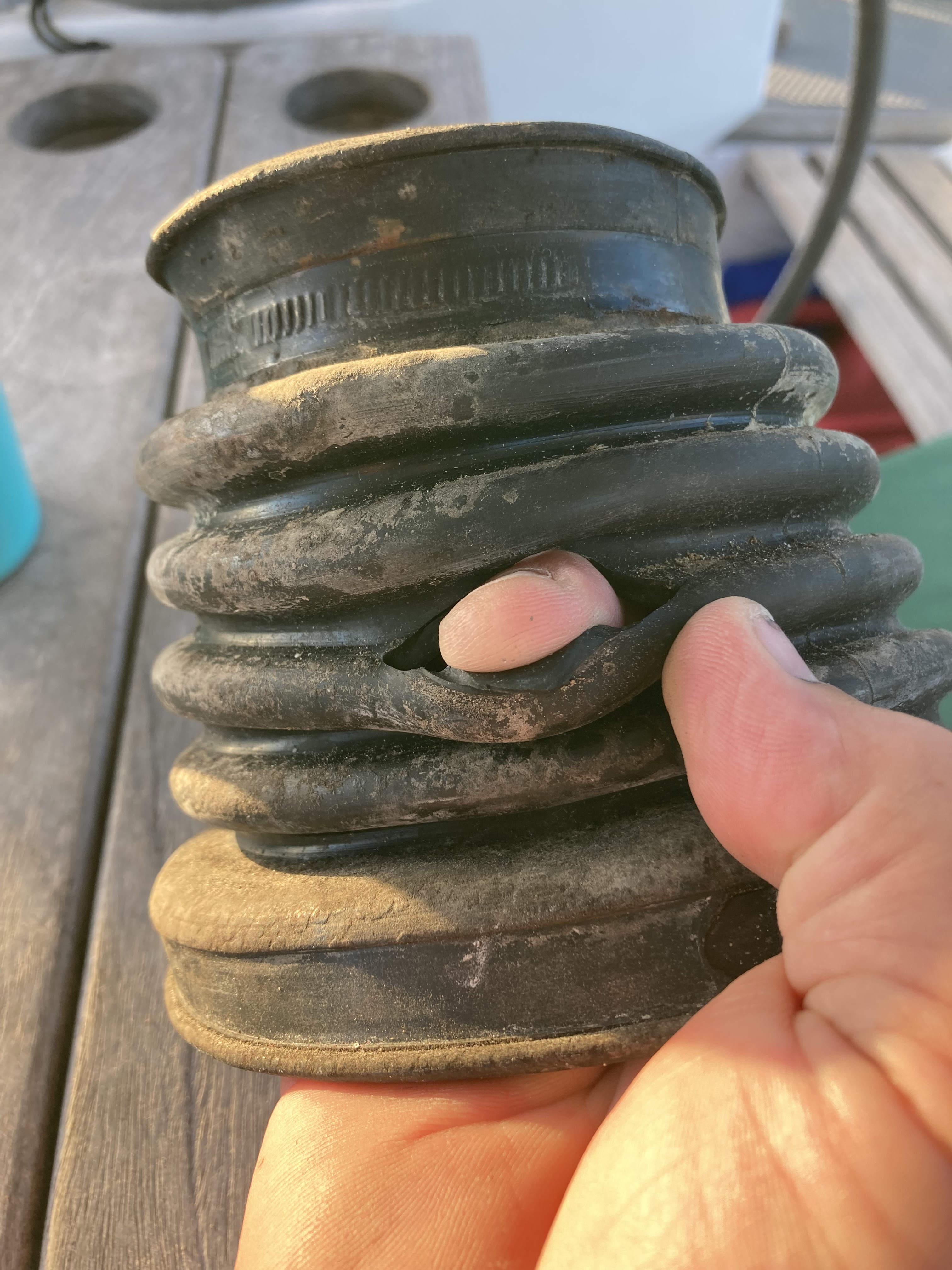
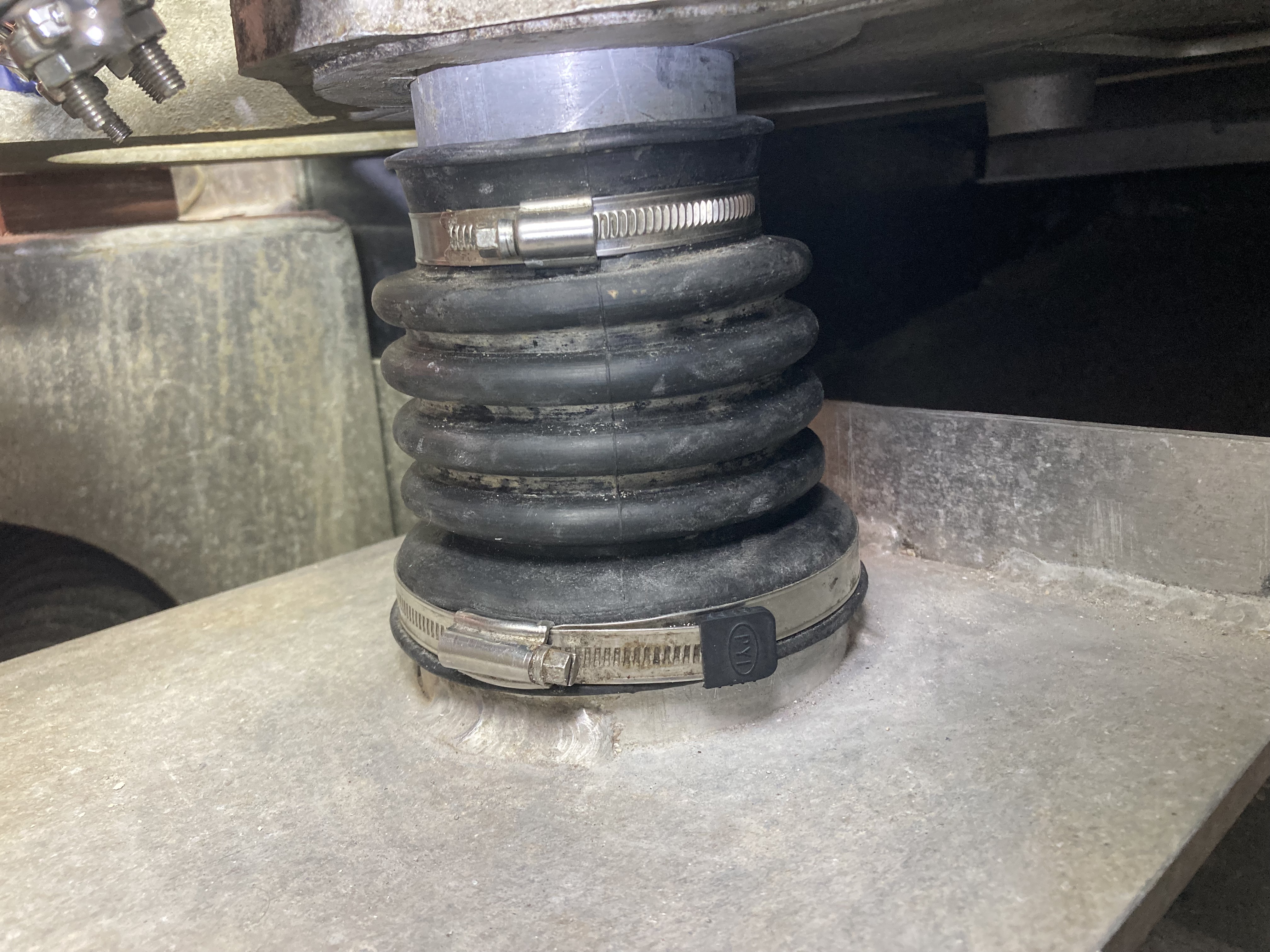
And to top it all off, our ground tackle (with the anchor chain floated) had performed flawlessly. We hadn’t moved an inch outside of the normal swing of our anchor arc during the whole blow.
Victory was ours!
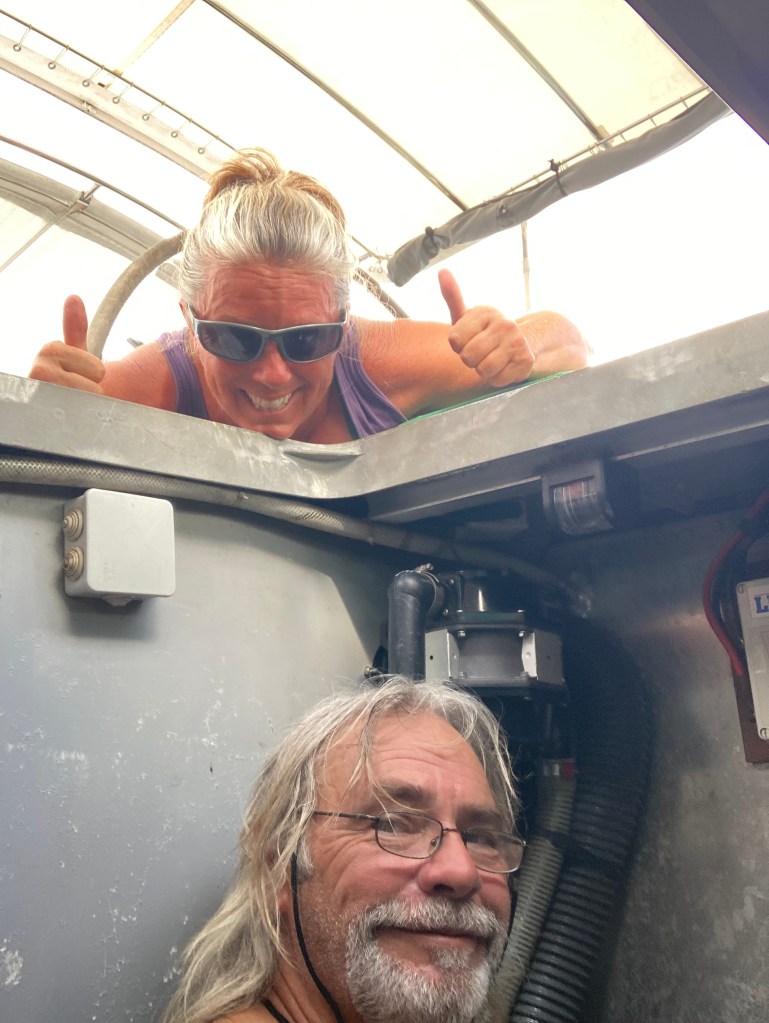
The next day we had a triumphant celebration of pizza and vino. How sweet it was.
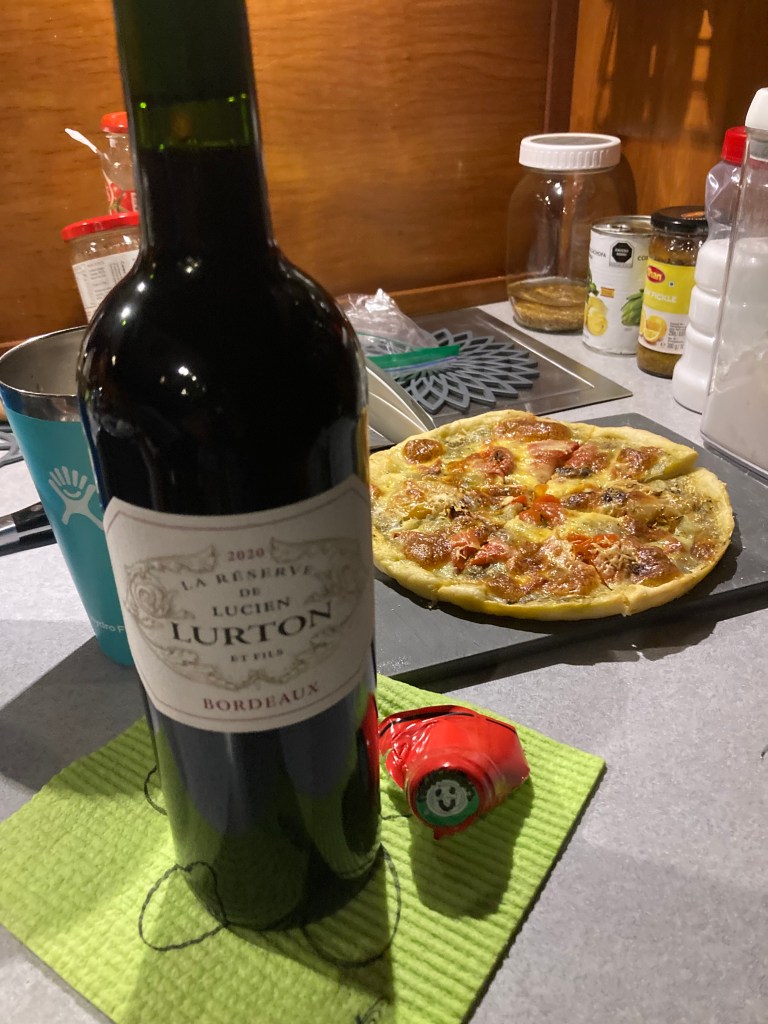
In total, we had spent nearly a month at anchor at Yadua Island during our two visits.
The diving had been remarkable. Astonishing. Legendary.
Still, we had come to the conclusion it was time to break outside of the self-imposed Fiji Triangle we had existed in for the past three months. We weighed the options. We could continue to the Yasawas, where we would inevitably encounter dozens of other boats, intending to eventually make our way to Denarau or Nadi, where we would have to clear out of Fiji in unfamiliar territory. Or hatch a new plan…the sea less travelled.
We decided to continue working our way around Vanua Levu in a clockwise direction, actually circumnavigating around the entire island. In total, just over three hundred nautical miles. Eventually, we would make our way back to Savusvu, where we could easily re-provision and clear out. We already knew our way around Savusavu which would make things easy. And we had noticed almost no cruisers ventured around the northern and eastern areas of Vanua Levu. Isolated anchorages to explore and our own adventure to experience. Perfect.
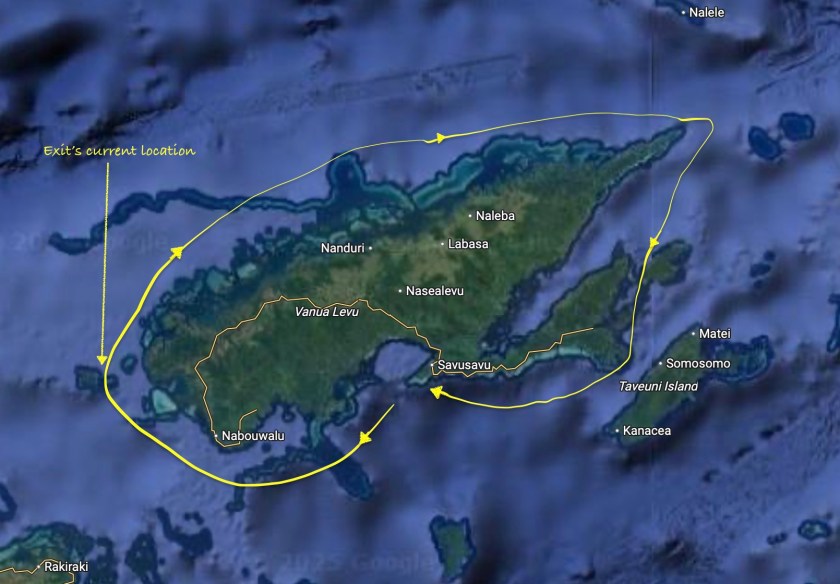
In addition, the Great Sea Reef, the world’s third longest continuous barrier reef system, stretches for some two to three hundred miles across northern Fiji, from the northeastern tip of Venus Levu all the way to Vanua Levu. We were literally at its doorstep.
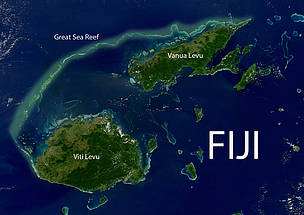
Despite the lack of studies and research available for the Great Sea Reef, considering how good the diving in Fiji had been so far, it seemed reasonable to assume we wouldn’t be disappointed. And the reef snuggled right up next to almost half of the northern coast of Vanua Levu.
We were confident our rudder seal was now fully watertight.
And so, with one final trip ashore we said farewell to the amazing island of Yadua.
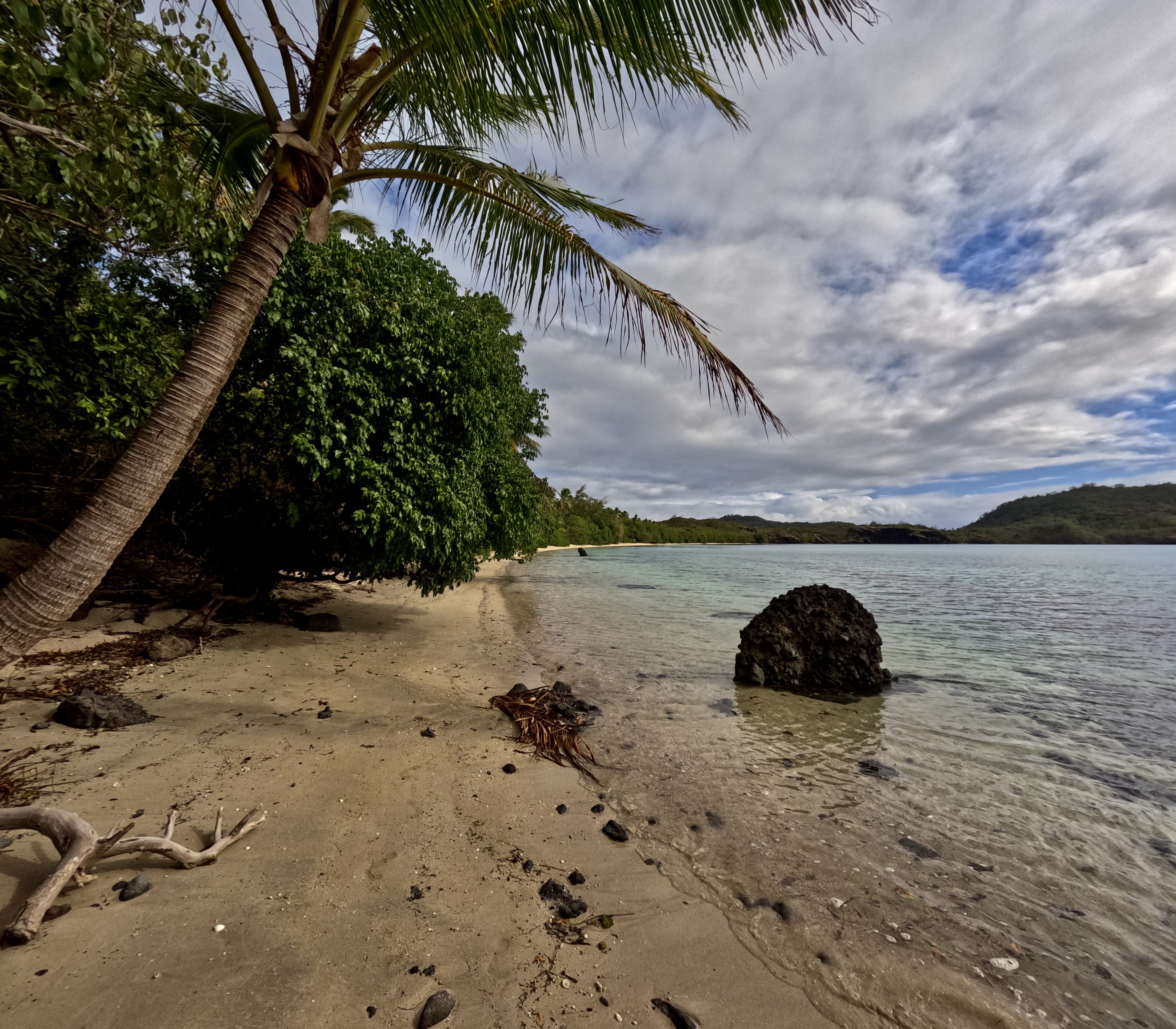
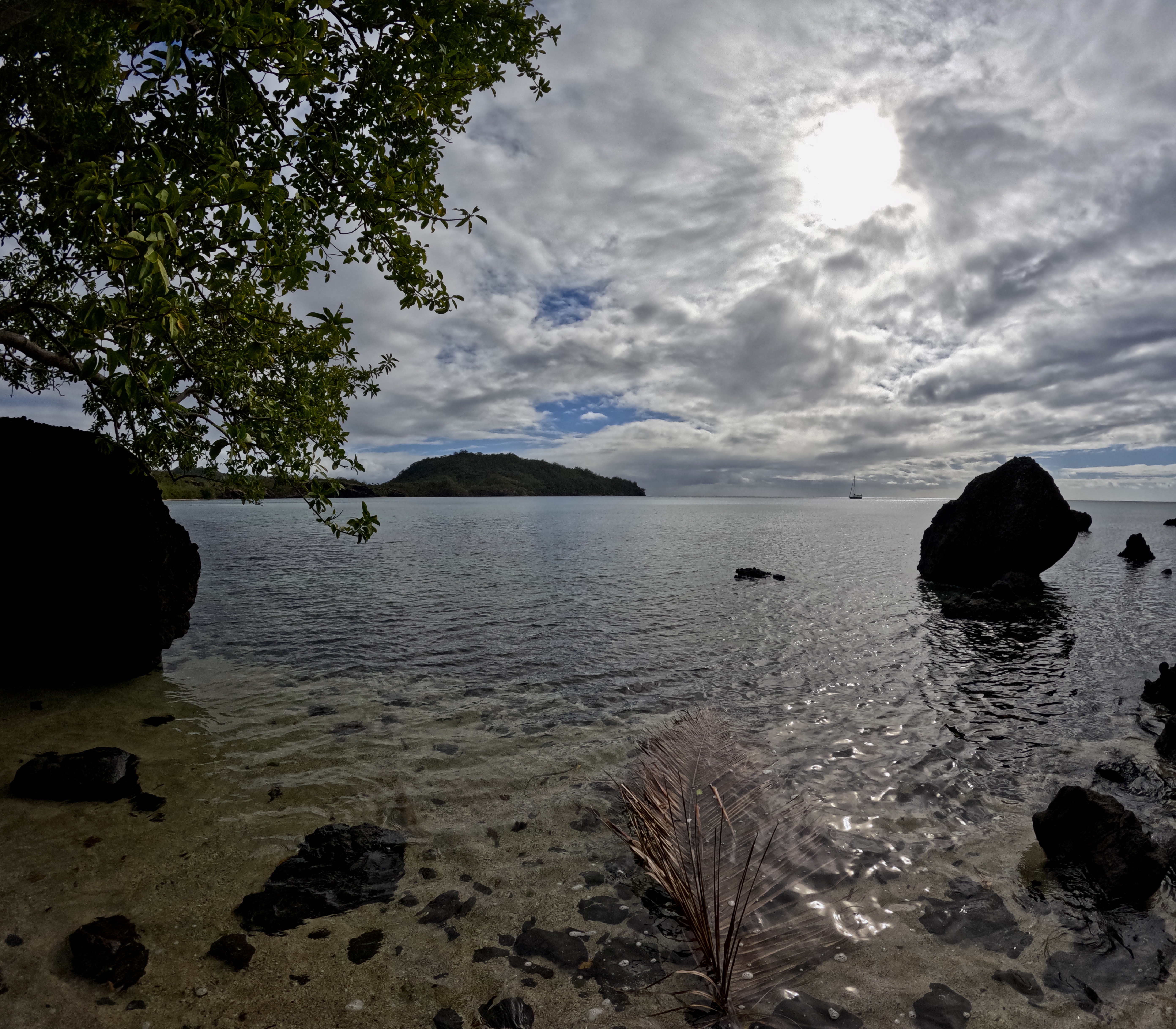
Our course was set for the northwestern tip of Vanua Levu, only about twenty nautical miles to our east.
It was time to explore outside the Fiji Triangle. A new adventure awaited.
 sv-exit.com