
November 29, 2024 – December 5, 2024
Coming from Wallis and Futuna, we thought we had already experienced small and off the beaten path.
Tuvalu…even further off the beaten path…even smaller.
Yet, for being so tiny, Tuvalu holds a lot of records…
…least visited country on the planet (3,700 visitors annually)…
…the worlds smallest economy ($79 million)…
…the second least populous sovereign nation at less than 10,000 people. Only Vatican City (with 500 citizens) comes in lower. The other six locations with populations less than Tuvalu are territories…
Half way between Australia and Hawaii. Half way between Fiji and the Marshall Islands. Literally, the middle of nowhere.
A country less than fifty years old in its independence. “Tuvalu” means “eight standing together” – though it is comprised of nine tiny islands stretched across three hundred sixty miles (three coral reef islands and six coral atolls), one was formerly uninhabited.
Less than three thousand people live on the atoll of Funafuti, where we had just arrived.
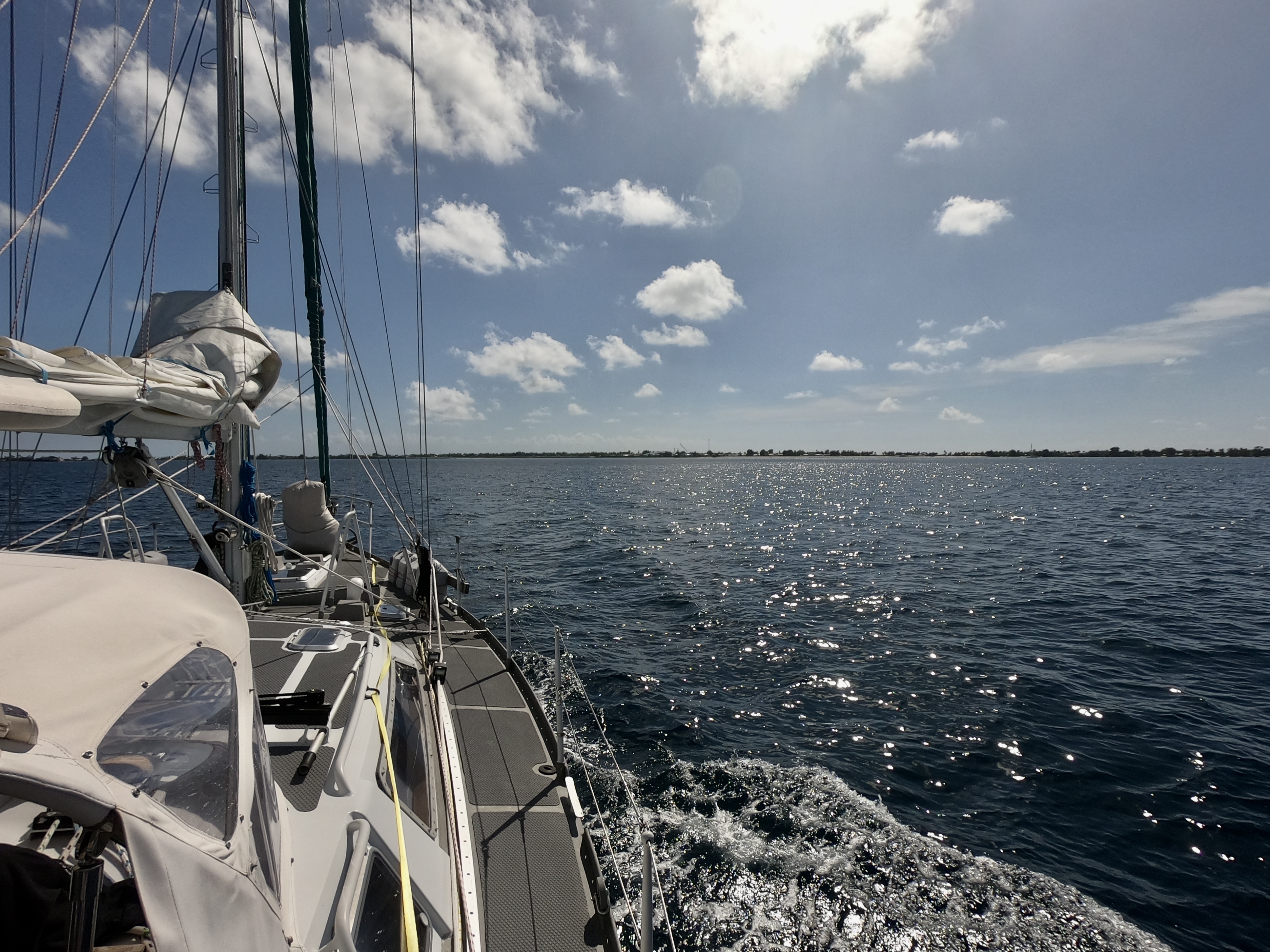
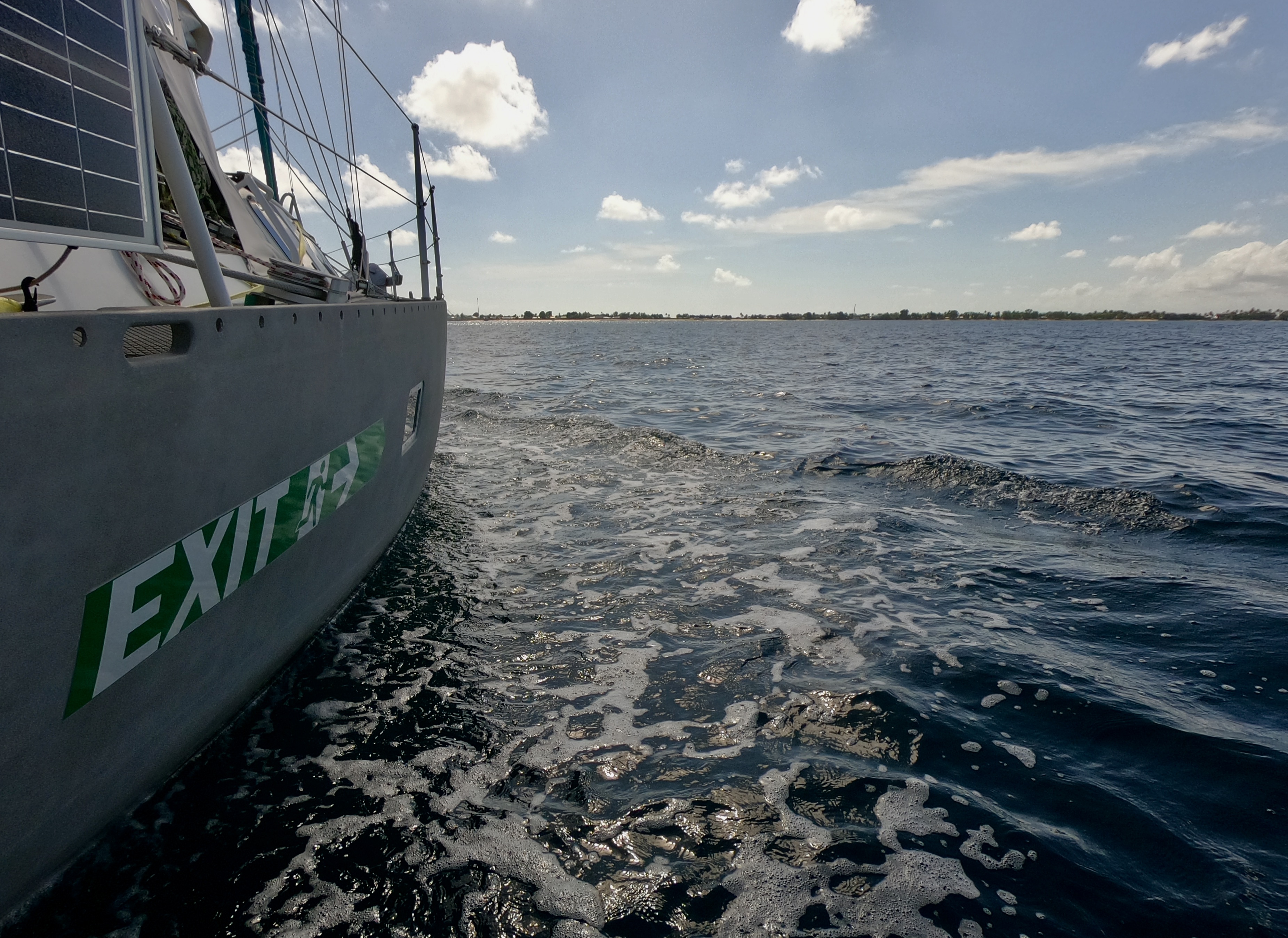
After crossing Funafuti’s inner lagoon, as we approached the anchorage indicated on our charts just off the main town of Vaiaku, we were stunned to see another sailboat already at anchor. WTF? We assumed that, as far as sailboats go, we would likely be the only one there.
As it turned out, the sailboat currently next to us, a catamaran (or more accurately, “cata-moron” as our dear friends and sailing inspirations aboard S/V Cetacea not so jokingly refer) with a crew of ten (!), all under the age of twenty one (!!), would thankfully only grace our presence for a day before departing Tuvalu bound for the Marshall Islands. Before leaving, the captain of this barely post-pubescent boat full of monkeys admitted they had gotten in pretty serious trouble with the Tuvalu authorities for visiting one of the other atolls without first receiving official permission.
We would eventually also learn that, despite the brief time the cata-moron’s presence coincided with ours, it would actually have a much more long lasting and profound effect on our entire stay in Tuvalu. Fuckers. But that would not come to light until later.
For one day, less than a thousand feet separated us.
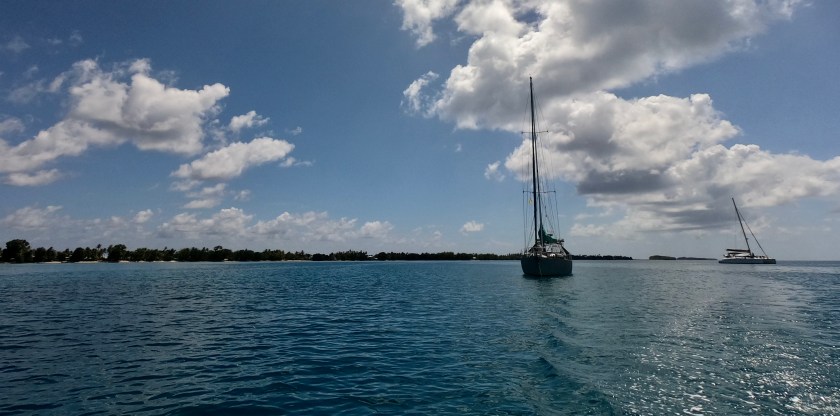
Twenty four hours later, the other boat had cleared out, picked up anchor, and departed. We suddenly found ourselves the only sailboat in not only Funafuti, but in the entire country of Tuvalu…a phenomenon we had never before experienced.
As ridiculous as this sounded considering the hundreds of sailboats simultaneously in French Polynesia or even dozens and dozens of boats in just one anchorage in Tonga, in Tuvalu we would actually find ourselves to be the only sailboat in the whole country for weeks, even months, at a time.
After dropping our dinghy and re-mounting the outboard engine, which had been stowed for the three day passage from Wallis, we left Exit flying our yellow “Q” flag and went ashore to officially clear into the country. Fortunately, all of the offices that we had to visit, which included Immigration, Customs, as well as Bio-Security, were all conveniently located in the government building – easy to locate as it was the only three story building to be found in the country. The process was amazingly easy, smooth, and friendly.
In Wallis, we had been blown away by the fact that we were only the thirty-fifth private vessel of the season to have cleared in. Though we weren’t actually assigned a number in Tuvalu during our clearing in process, we were even more stunned to learn from the Customs officials that Funafuti had seen less than half that number. They estimated we were the fifteenth boat, and it was late enough in the season that they reckoned we could be one of the last…wow.
Regarding our ability to spend the entire cyclone season in Tuvalu, we were able to shed some light on a few things. From an immigration and customs standpoint things were pretty straightforward. It would be no problem for Exit to be in the country for five months, but for us things were not so easy. Our immigration stamp, valid for only thirty days, could be extended a maximum of three times at a cost of about US$60 per person, after which we would have to leave the country and could not return until we could show a stamp in our passports from another country. Without sailing back to Wallis or flying somewhere, we would be one month short of reaching the end of cyclone season.
We also learned we were permitted to visit only one other atoll in Tuvalu outside of Funafuti which appeared even less equipped to deal with visitors. Taking into account Funafuti’s tiny size and exceptionally limited facilities and supplies, we could foresee an extended stay turning out quite challenging. With no tourist infrastructure of any sort, for non-residents Funafuti appeared to possess more of a short visit or stop-over appeal rather than being geared towards a long term stay.
Whether or not Tuvalu would actually prove to be a viable location for us to spend the entire cyclone season remained to be seen. It was obviously a question to be answered at a future time.
This left only the Town Council to visit. Our pre-arrival research had revealed this necessity was required in order to pay a nominal one time fee of about US$40 for anchoring in the lagoon, as well as providing an opportunity to learn about any expected sailboat etiquette or procedures.
The Town Council, though a bit aloof, initially seemed friendly enough. They informed us that access was permitted anywhere within the lagoon with the exception of an area on the west side that had been designated as the “Funafuti Conservation Area”, where both anchoring and fishing were strictly forbidden. Fair enough.
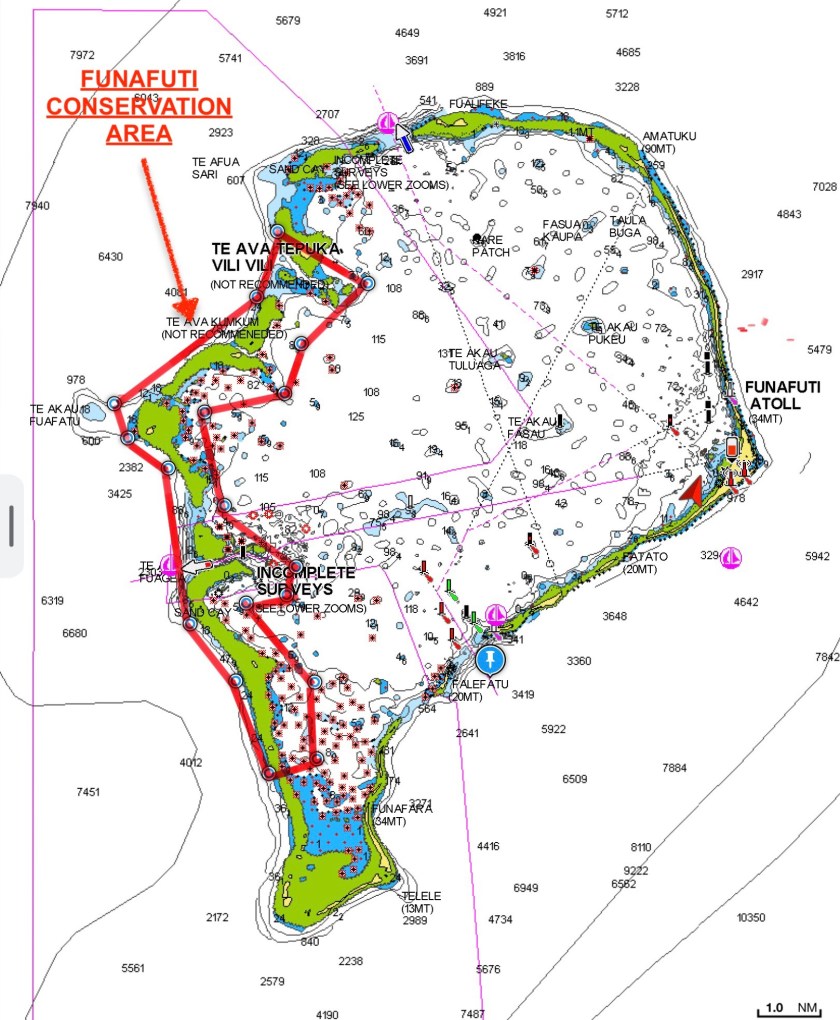
Having successfully cleared in, we wandered around town for a bit, trying to get our bearings as well as suss out what was available and where it could be found.
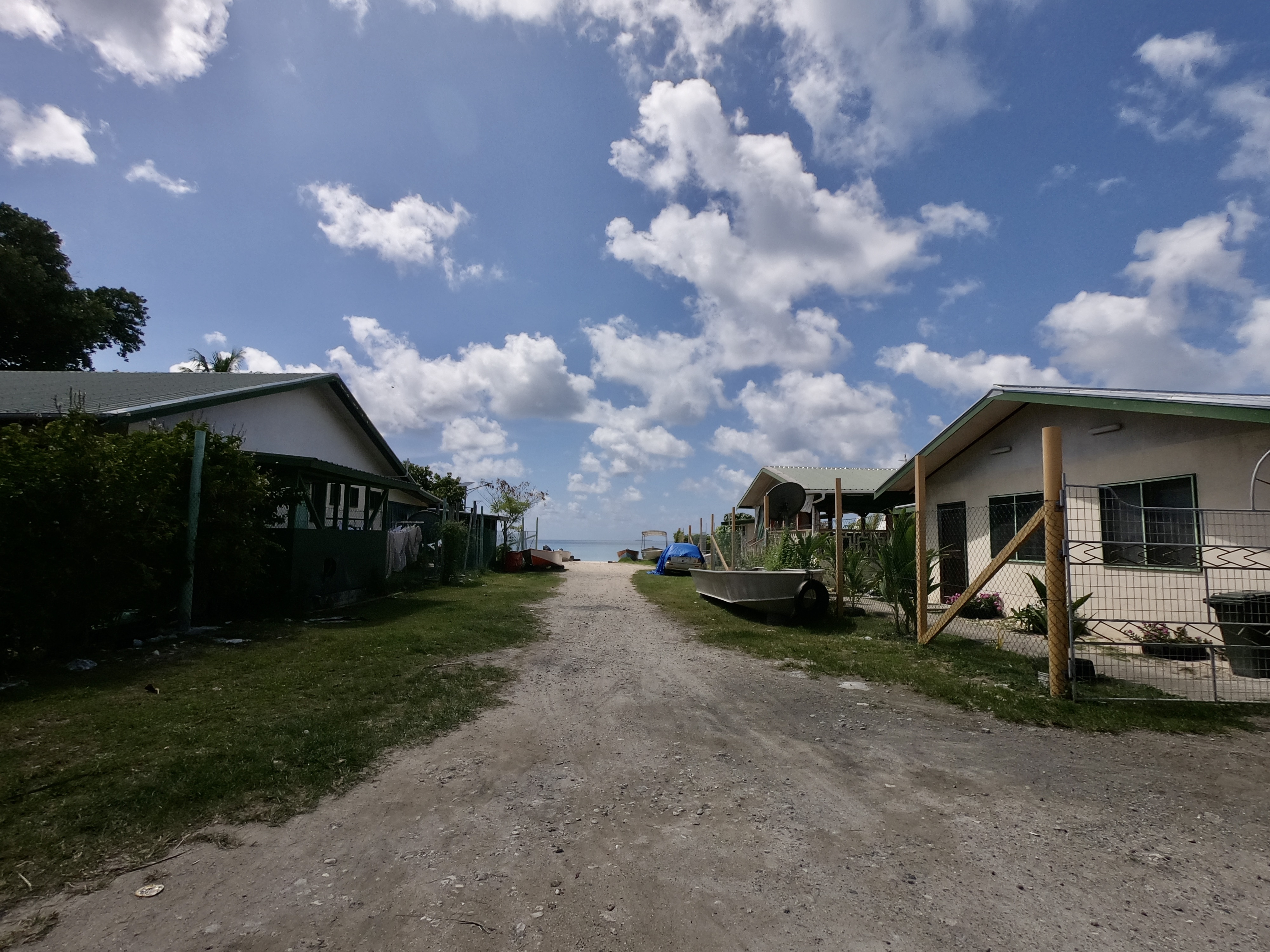
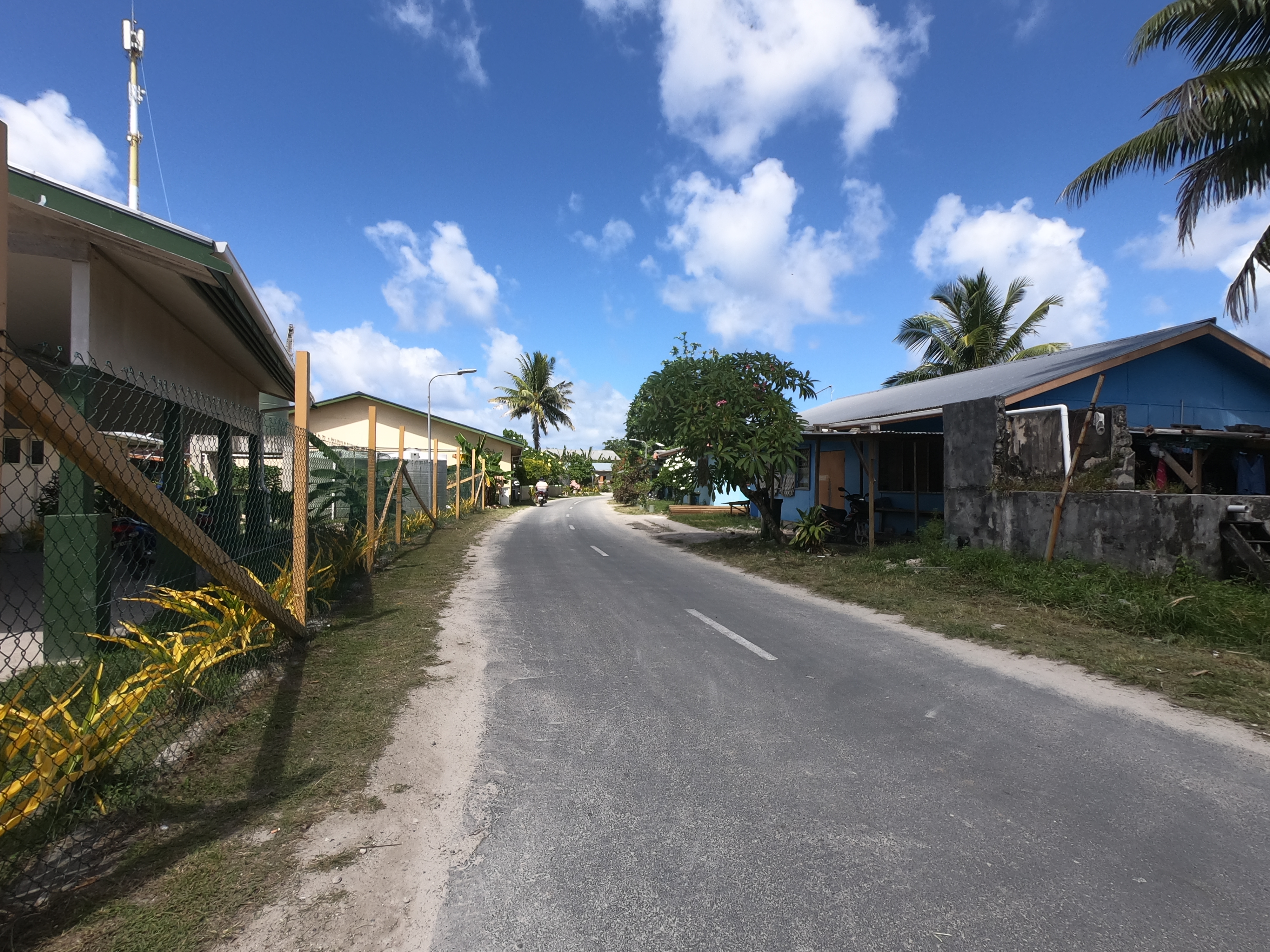
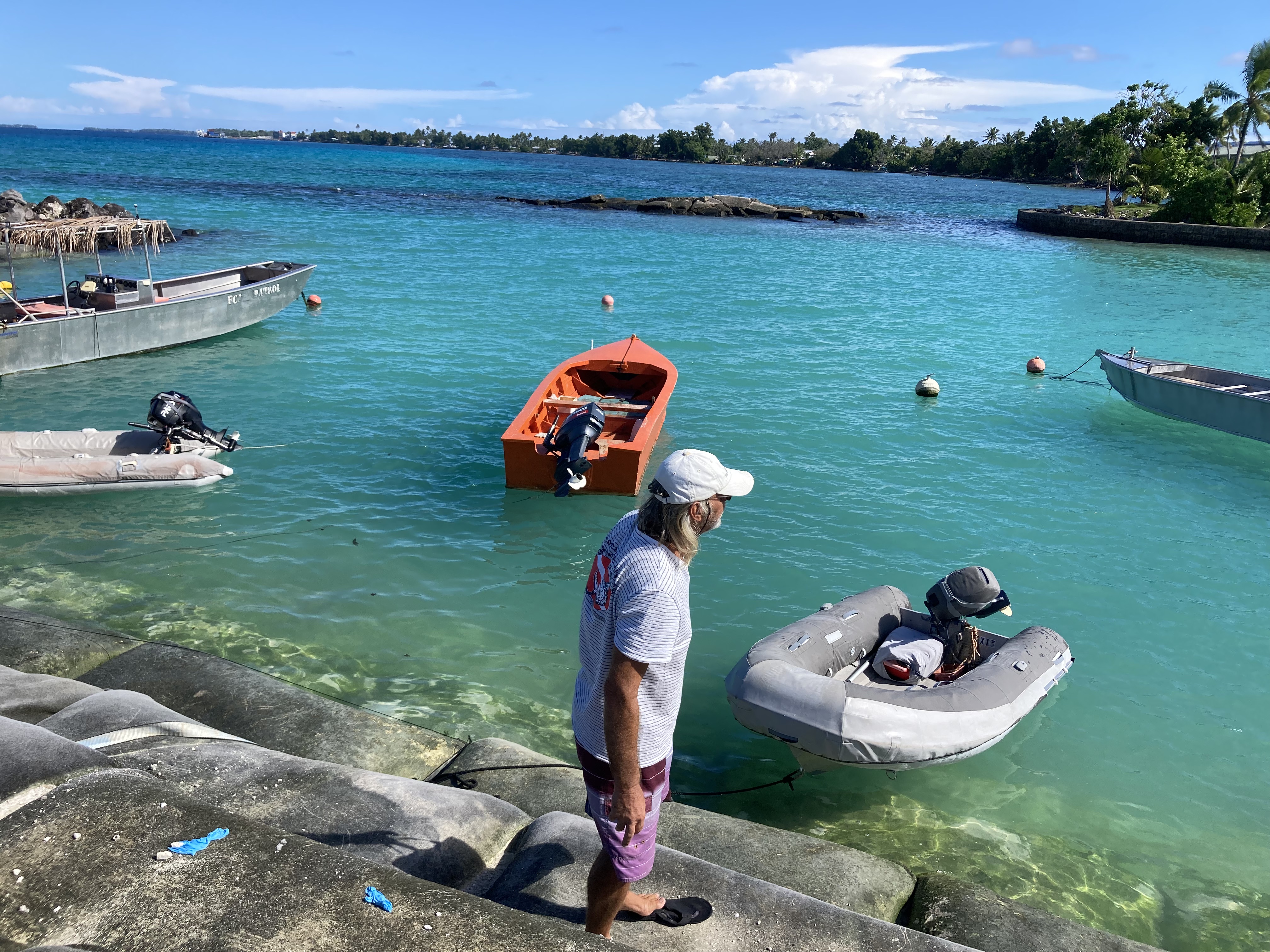

We quickly learned just how limited supplies and provisions in such a remote location could be. Most of the businesses were tiny entities, nestled in nondescript buildings not much bigger than the houses around them.
One of the convenience stores along the main road would occasionally have ice cream cones for sale to help stave off the heat, which reached into the nineties (or higher) during the day. Best we could tell, availability relied on a staff being willing to take one of the ice cream boxes that were for sale out of the freezer. Flavor option…whatever box they had pulled out. Brilliant.
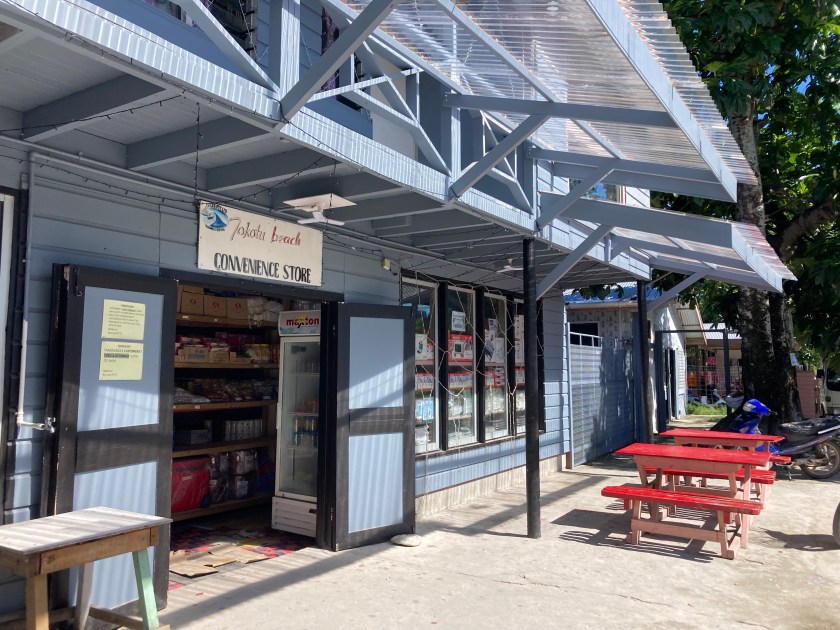
Honestly, we found ourselves more drawn to (and entertained by) the questionable and often hilarious Chinese to English translations on the product boxes than the store’s actual inventory.
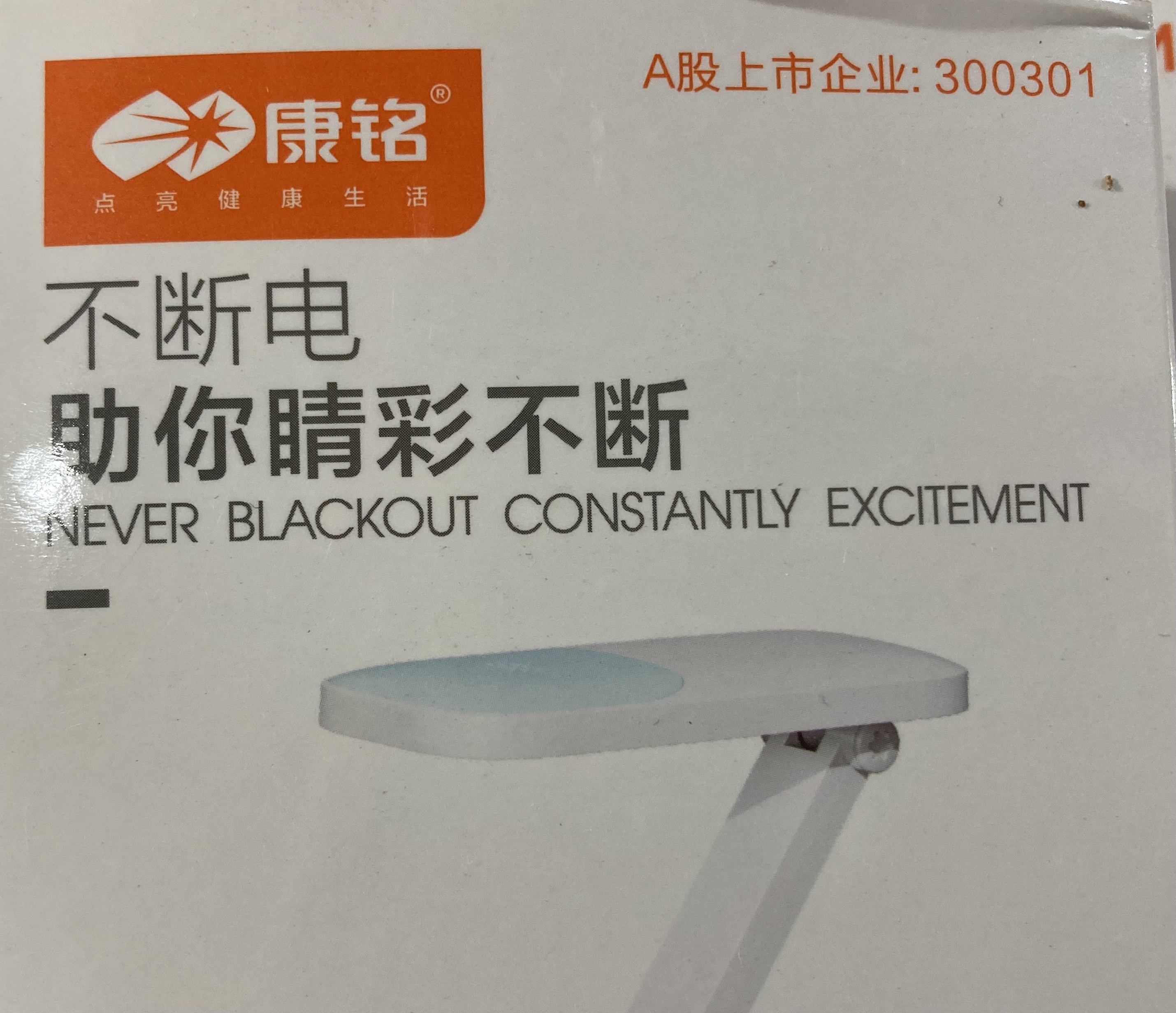
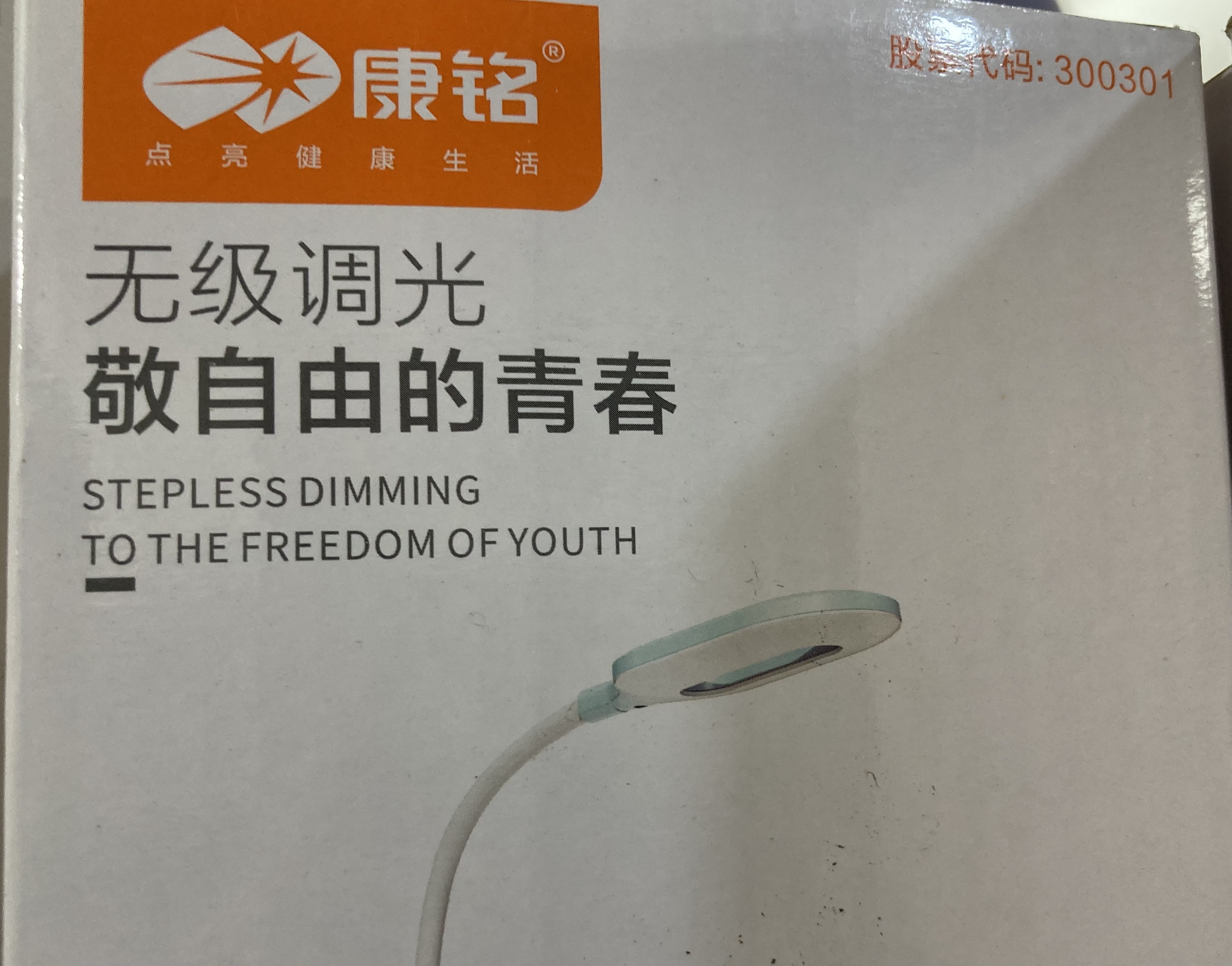
What????? How the hell did that even end up on the outside of a box?
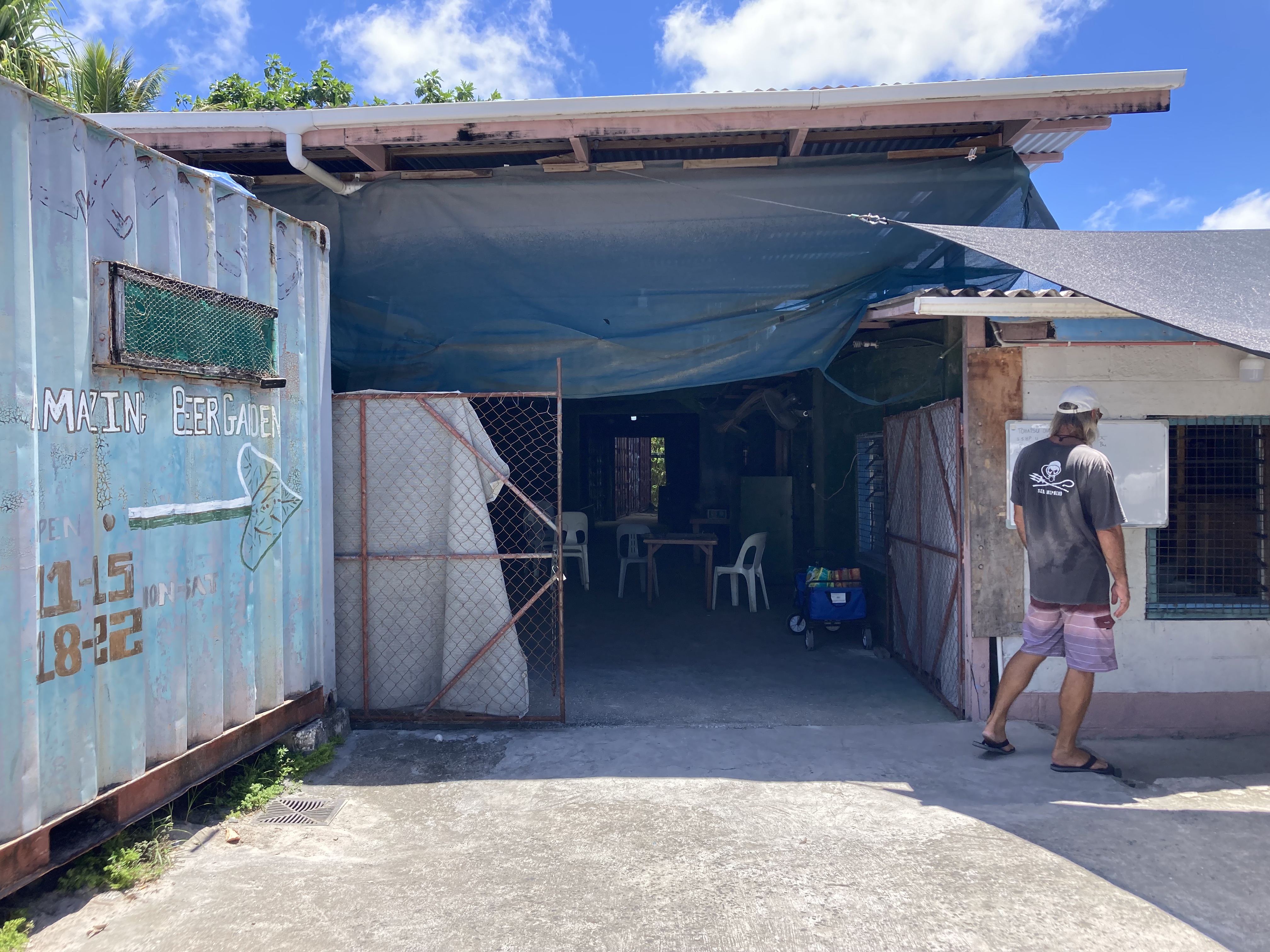
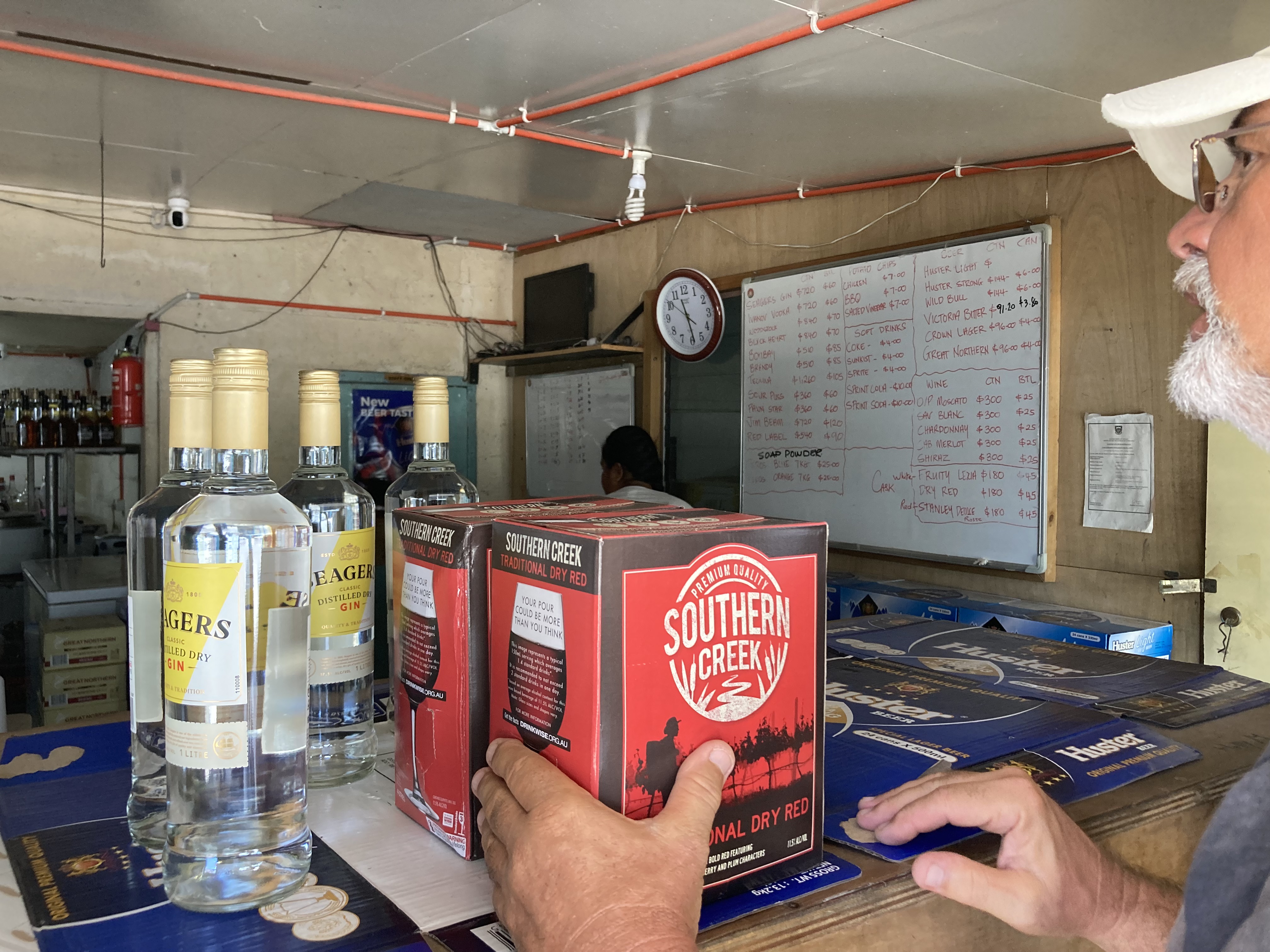
The town’s liquor store, which doubled as one of the local bars, stocked with just enough gin, rum, tequila, beer, and boxed wine to keep our alcohol stocks aboard Exit from drying out. Funny thing was they rarely seem to have customers besides ourselves.
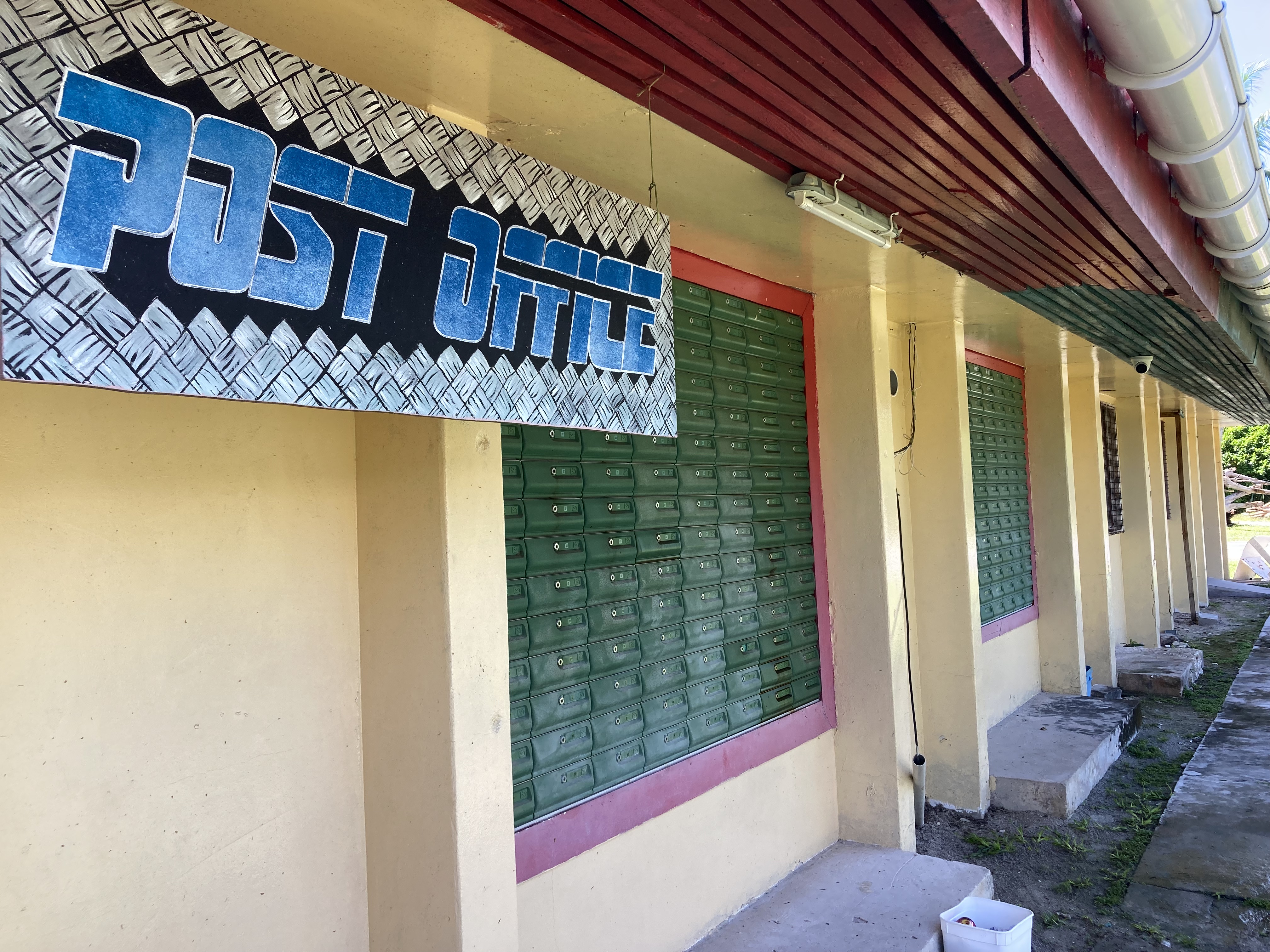
Apparently Tuvalu has quite a global reputation among stamp collectors in the know. The post office, which houses a veritable museum of unbelievable stamps and first day of issue collections released by Tuvalu over the past few decades (covering every topic from space exploration, U.S. presidents, marine life, Elvis, Lady Diana, and almost any other pop culture, scientific, or historical event you could imagine) provided us with the first postcards we had purchased in over twenty years. The time required for post card delivery to the United States…? Right about six weeks.
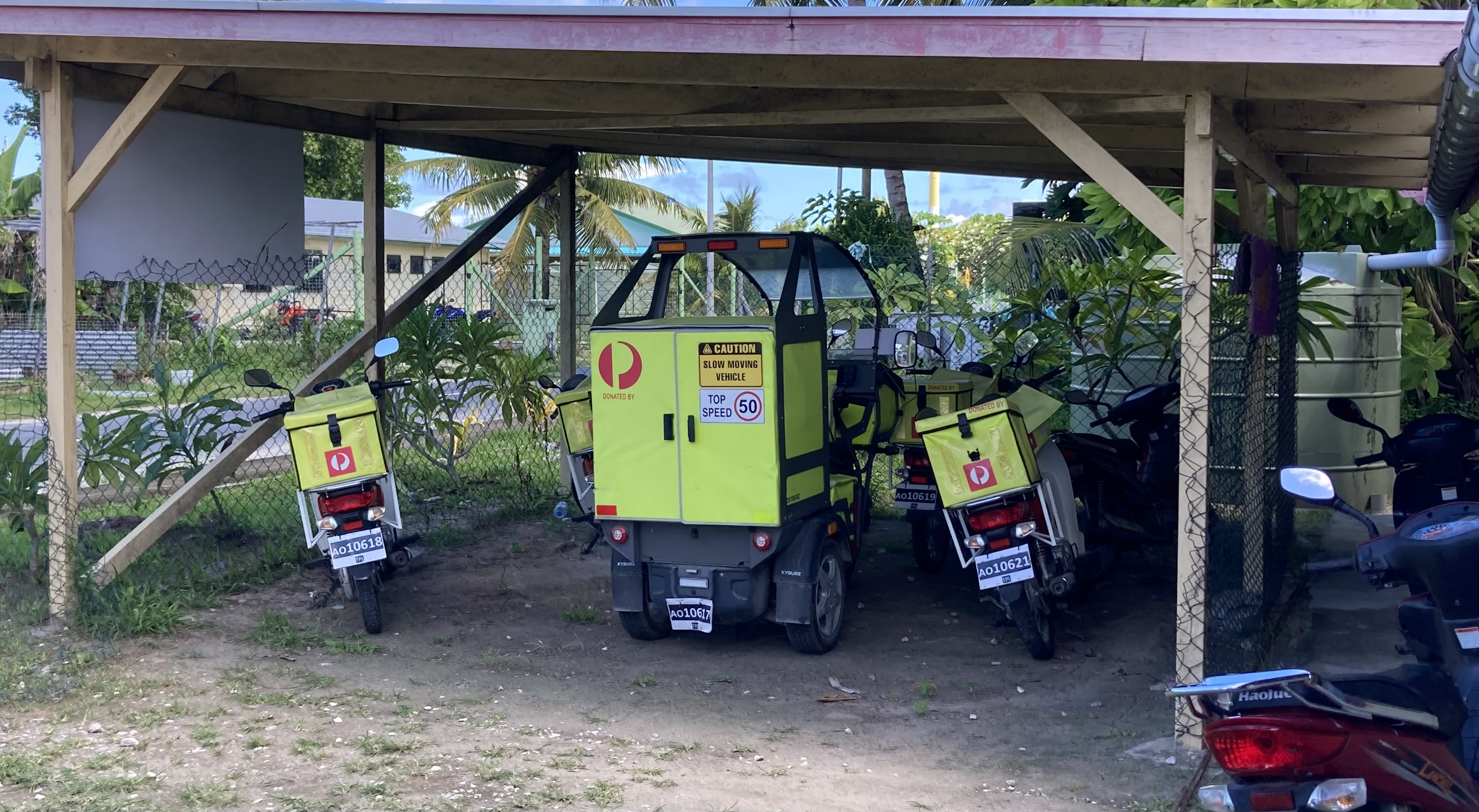
One couldn’t help but smile upon seeing the “fleet” of postal delivery vehicles sitting outside.
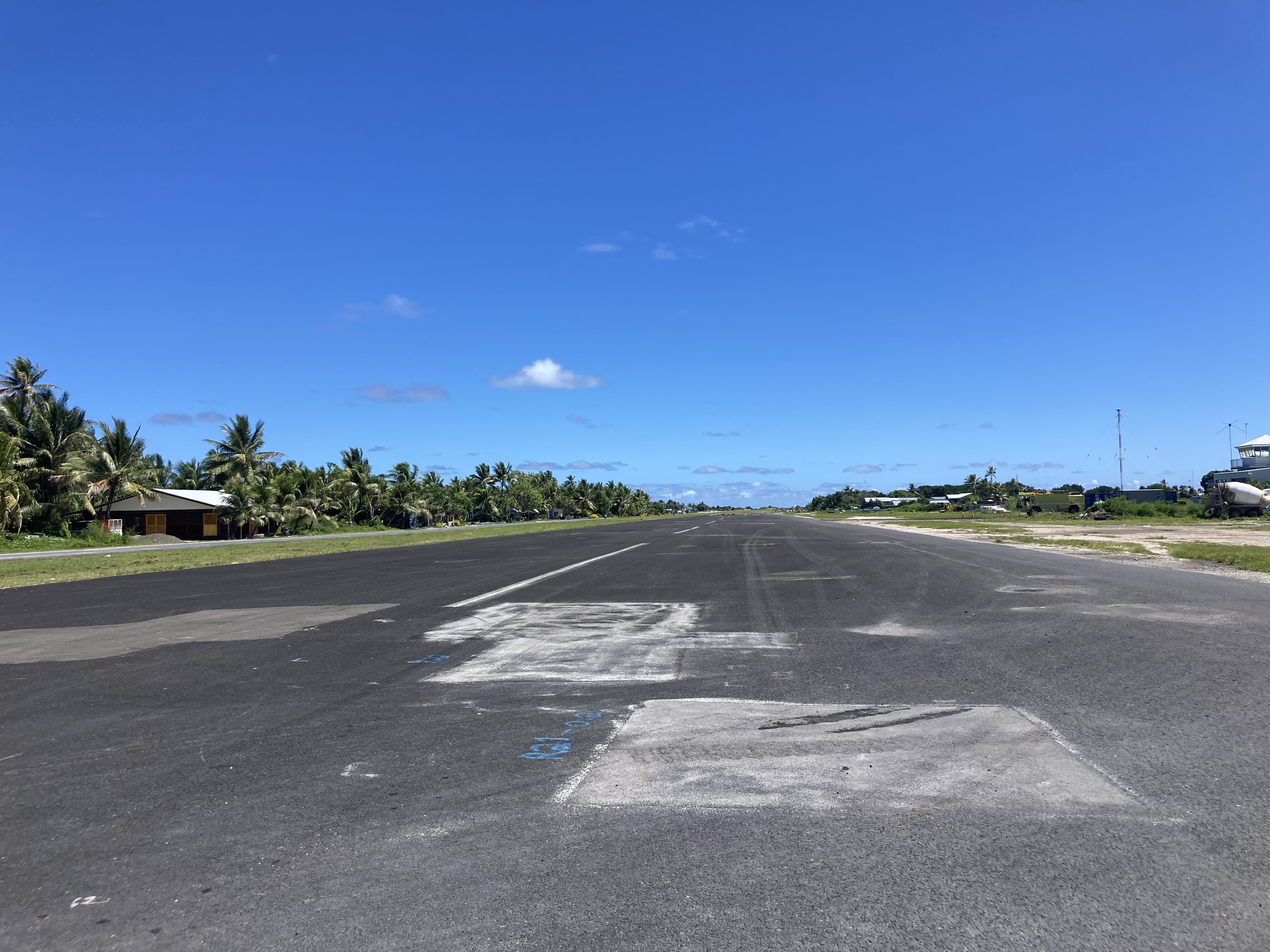
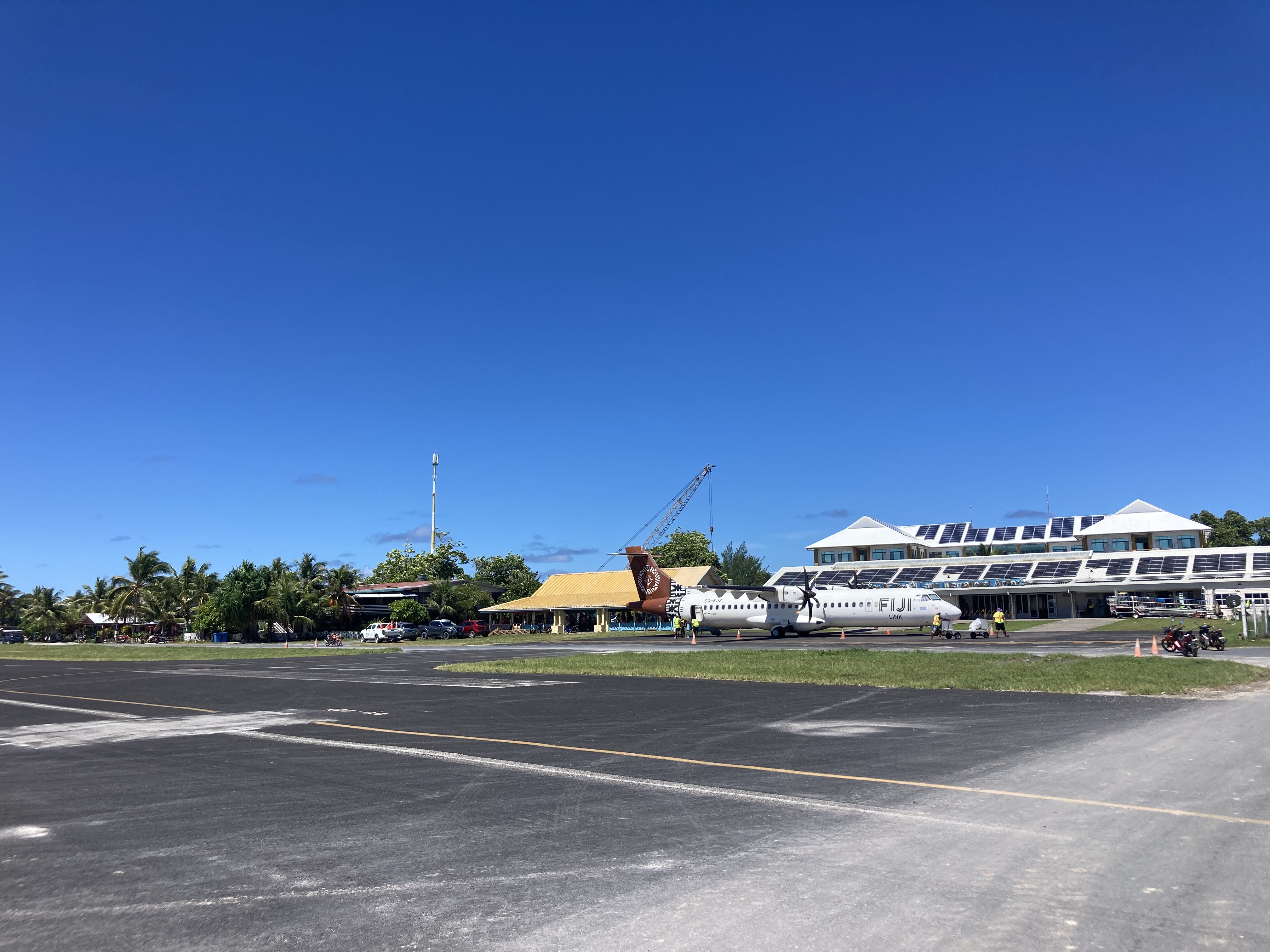
Just behind the post office, running parallel to a small paved road and a narrow meridian of grass, stretches the single asphalt air strip that fields all of the plane traffic in and out of the tiny Funafuti International Airport. Considering how few visitors there are, Tuvalu has a remarkable amount of airport activity with flights in and out nearly every other day.
However, to be fair, a great deal of the activity at the airport does not necessarily involve planes.
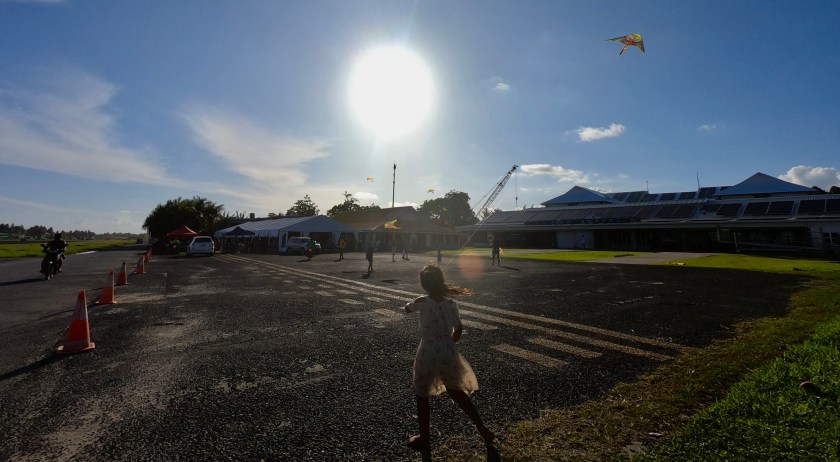
Funafuti’s airport has the distinction of not only being the hub for all flights, but also an area for community gathering. Locals can be found playing soccer or flying kites on the runway, which effectively serves as a playground between Fiji Airways arrivals and departures. It is one of the few international runways we have been able to walk across without raising an eyebrow. In fact, there is a nearly non-stop line of cars and scooters on the road to Funafuti’s town bank, which crosses directly across the middle of the pristinely maintained runway. The blaring siren of a fire truck is the obvious heads up for people to get the hell off the runway, as a plane is about to land or take off…classic.
Every new location we arrive at offers its share of comforts and simplicities, oftentimes balanced by an equal number of challenges and frustrations. Discovering those is all part of the adventure.
Tuvalu proved to be a wide swinging pendulum in that regard.
An example of one of the comforts that became immediately evident to us was regarding language. The primary spoken and written language in Tuvalu is English which simplified our existence immensely. During our previous stop in Wallis, Google Translate was required for almost all interactions as barely anyone there spoke English and the number of words in our entire French vocabulary could be counted on our fingers.
The international currency of any country takes a bit of getting used to, regardless of where you find yourself. Oddly enough, Tuvalu uses the Australian dollar, whose denominations of both bills and coins are quite easy to recognize as well as the conversion rate to the US dollar being rather simple to calculate. On the other hand, ironically, it turned out there was not a single cash machine located anywhere in the entire country and Tuvalu does 100% of its business with cash. No businesses in the entire country accept credit cards. This added an undeniable complexity to our existence.
Initially, the local bank had no problem exchanging the limited emergency U.S. cash we carry aboard, but as we don’t sail with a treasure chest full of pirate booty, we eventually had to figure out a long term solution. Thank you Western Union. We ended up doing more business with Western Union in four months than we had during our previous twenty five years of international travel combined…more than we had during our entire lifetimes combined for that matter. And, while this situation thankfully brought our monthly credit card balance to nearly zero, on the down side, our Alaska Airlines mileage accumulation suffered a major decline during our time in Tuvalu.
When the Western Union window at the airport was occupied, obtaining money was a rather simple process. When that was closed, finding the main Western Union office proved much more challenging. Our initial inquiries were met with a large number of confused looks and shrugged shoulders by locals, but eventually we found the main office at the end of a primitive road that looked more like it led to a construction area.
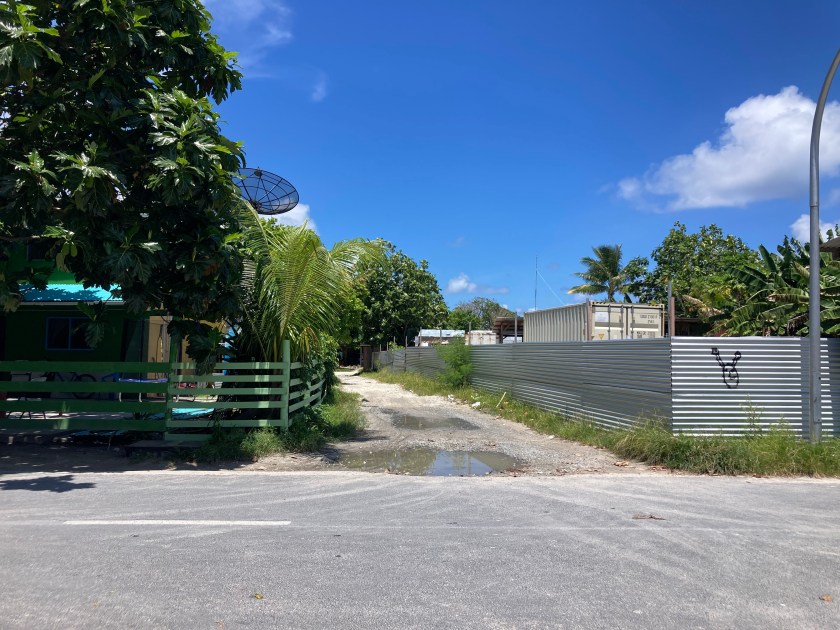
The office itself looked as equally nondescript as the road leading to it.
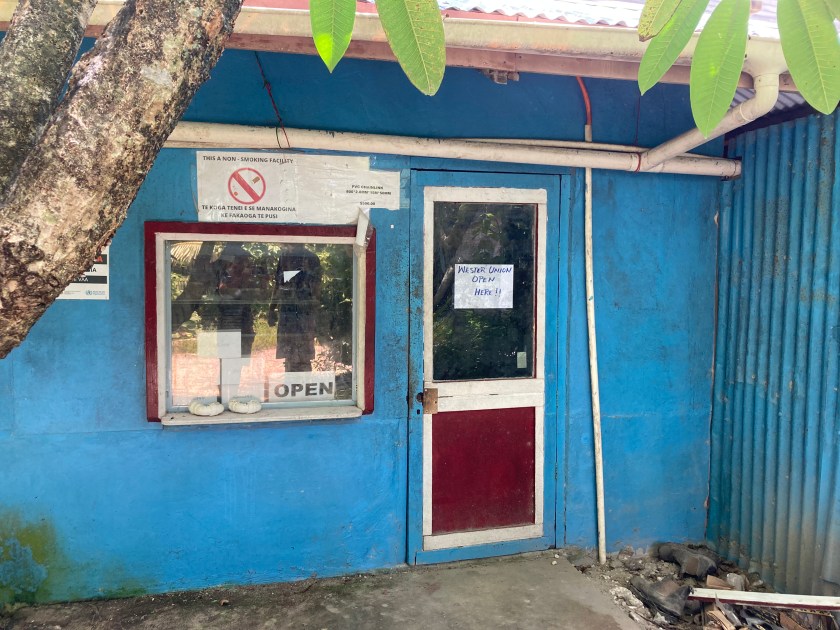
Nonetheless, they had Australian money (the currency of Tuvalu) and were more than happy to take money from our U.S. bank account. Another adventure for the records.
Much later, a month or so after leaving Tuvalu, we would have a big laugh after reading online that Tuvalu was finally in the process of installing their first cash machine. It’s all about timing…
In addition to the social distinctions, it didn’t take long to became apparent just how stark the geographical differences between Tuvalu and Wallis were as well.
Though they are neighbors with only four hundred nautical miles separating them, geologically, the two atolls could hardly be more dissimilar. They have nearly the same outer reef dimensions – about thirteen miles long by ten miles wide. And yet, that is where their similarities end. The main island of Wallis, also called Uvea, is an oval shape nearly eight miles long by almost four miles wide, which sits dead center in the lagoon and occupies a large part of the entire lagoon. Multiple peaks across the island’s interior reach an elevation of nearly five hundred feet, giving Wallis more of the impression of a mountain peak jutting out of the South Pacific Ocean.
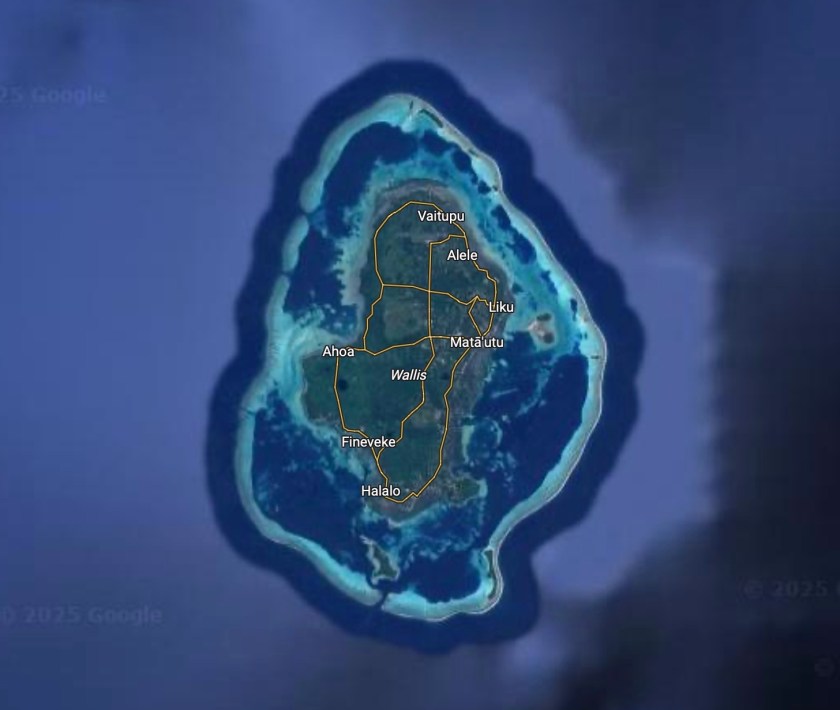
In contrast, Funafuti seems to be barely keeping itself above the surface of the ocean waves. It has no dry islands inside the lagoon itself; only reefs, bommies, and sea mounts that are exposed only during low tides. All of Funafuti’s dry land is part of the atoll’s outer reef.
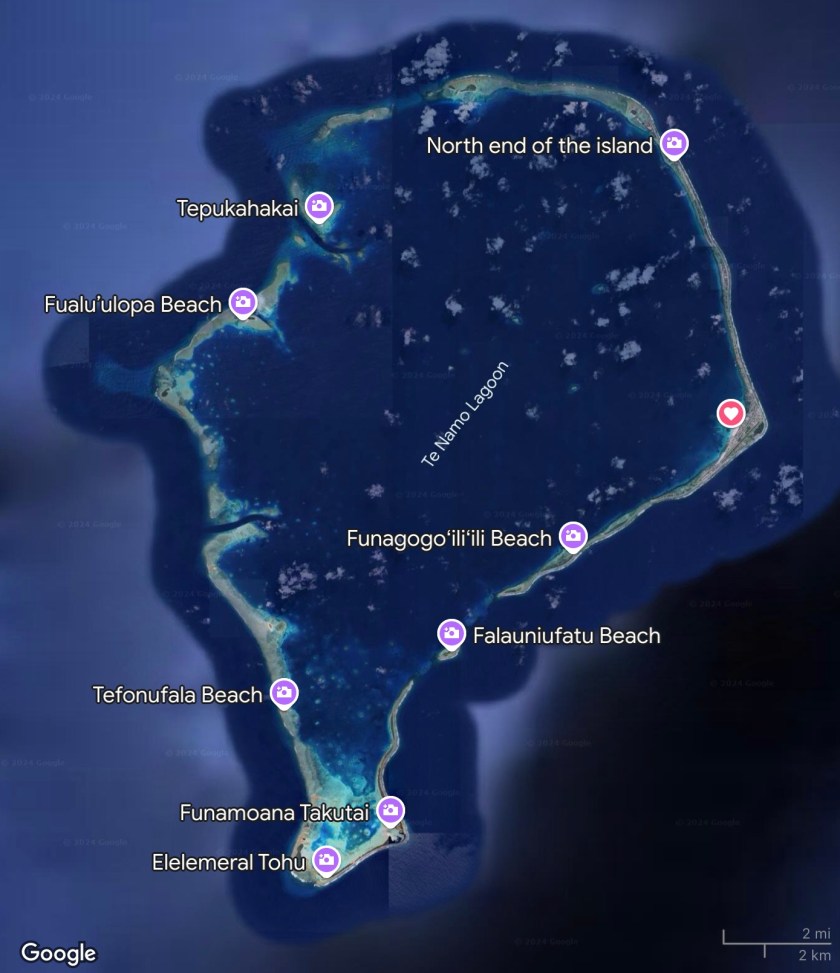
And while the main island on Funafuti is also nearly eight miles long, rather than occupying the center of the lagoon, it lies along the eastern edge of the atoll, in more of an “L” shape. In contrast to Wallis, Funafuti’s main island is less than half a mile wide at its widest point, right in the corner of the dogleg where the bulk of the town exists, extending in both directions, never more than a couple hundred feet wide and narrowing to less than a hundred feet at its narrowest point. This tiny strip of land is where almost all of Funafuti’s inhabitants live.
Unless you include the coconut trees, or the government building which is the only building more than two stories tall, the maximum elevation of the entire country of Tuvalu is supposedly only about fifty feet, although on Funafuti we never saw any land that seemed even twenty feet above the water’s edge. Stunningly, the average elevation of Funafuti is only about seven feet!
And herein lies the ultimate desperation and uncertainty of Tuvalu’s future.
Despite the fact that one month prior, Tuvalu was a name we had never heard of, much less a country we were aware of, Tuvalu has recently been receiving more and more global recognition, and for all the wrong reasons. Growing understanding and concerns (at least within the circle of human beings with an even semi-functioning brain) of the dangers and ramifications of global warming and climate change has resulted in a spotlight of attention being thrust directly on Tuvalu.
While rising sea levels will undoubtedly have a growing impact on virtually every person on the planet in some way or another, Tuvalu has been identified as the first country that will cease to exist entirely as a result. It’s limited elevation make it all but certain that, well before the end of the century, the ocean will have completely swallowed the last pinch of land that makes up the country of Tuvalu – a real life Atlantis. And it will become completely uninhabitable long before then.
Increased flooding. Changing coastlines. Melting polar ice. All sobering hard core global realities. Yes…Tuvaluans may be re-located; but the obliteration of their entire country? Really? Is that something most of the rest of the world can just dismiss? Ignore? Question as a falsehood? SIMPLY NOT GIVE A SHIT ABOUT? Apparently…
Land reclamation projects involving the dredging of sand in limited areas to build up the shoreline on Funafuti combined with construction projects to actually reinforce the existing shoreline with massive sandbags covering shipping containers also filled with sand are among desperate attempts to both reverse the current damage and reduce additional damage.
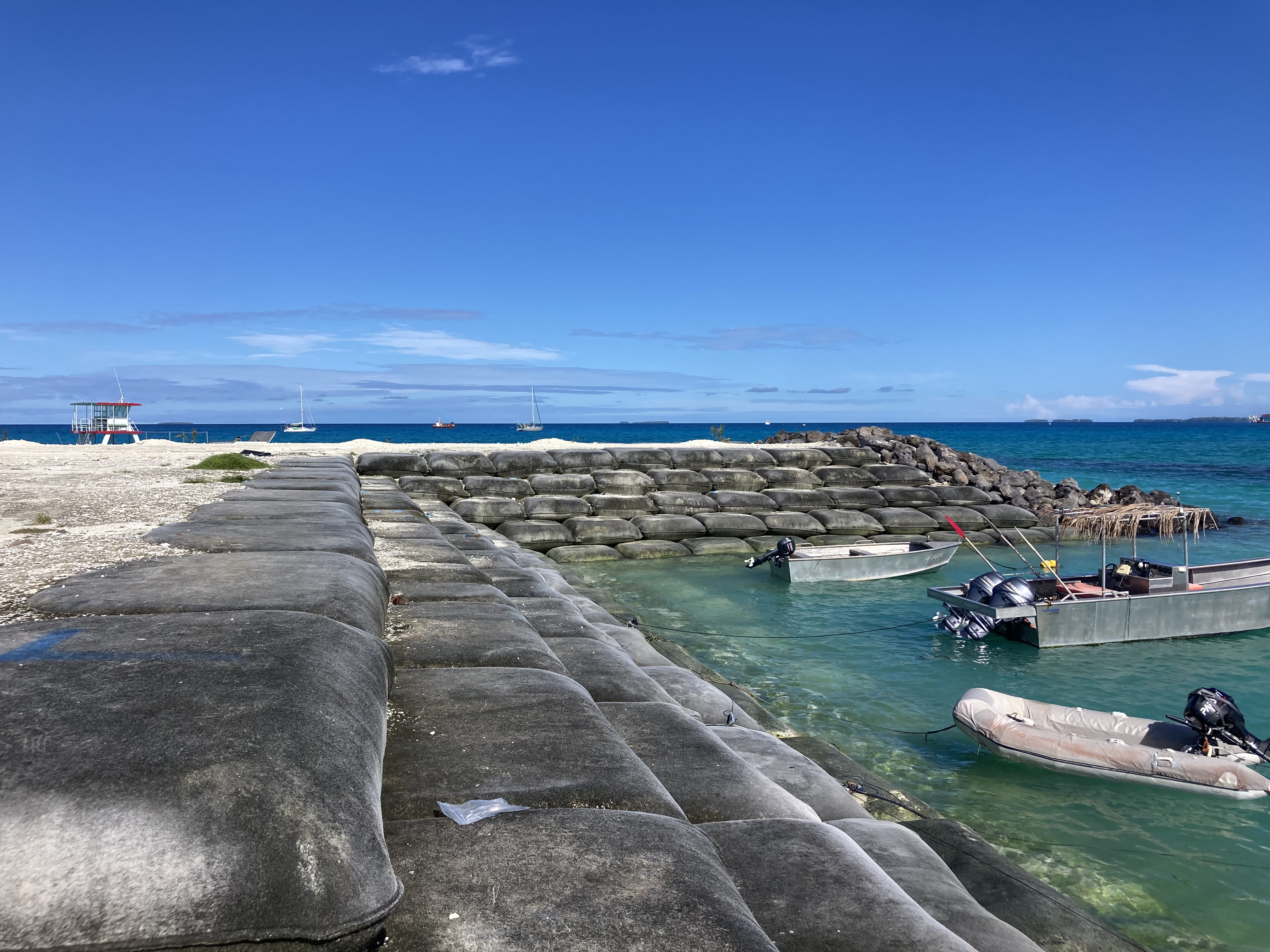
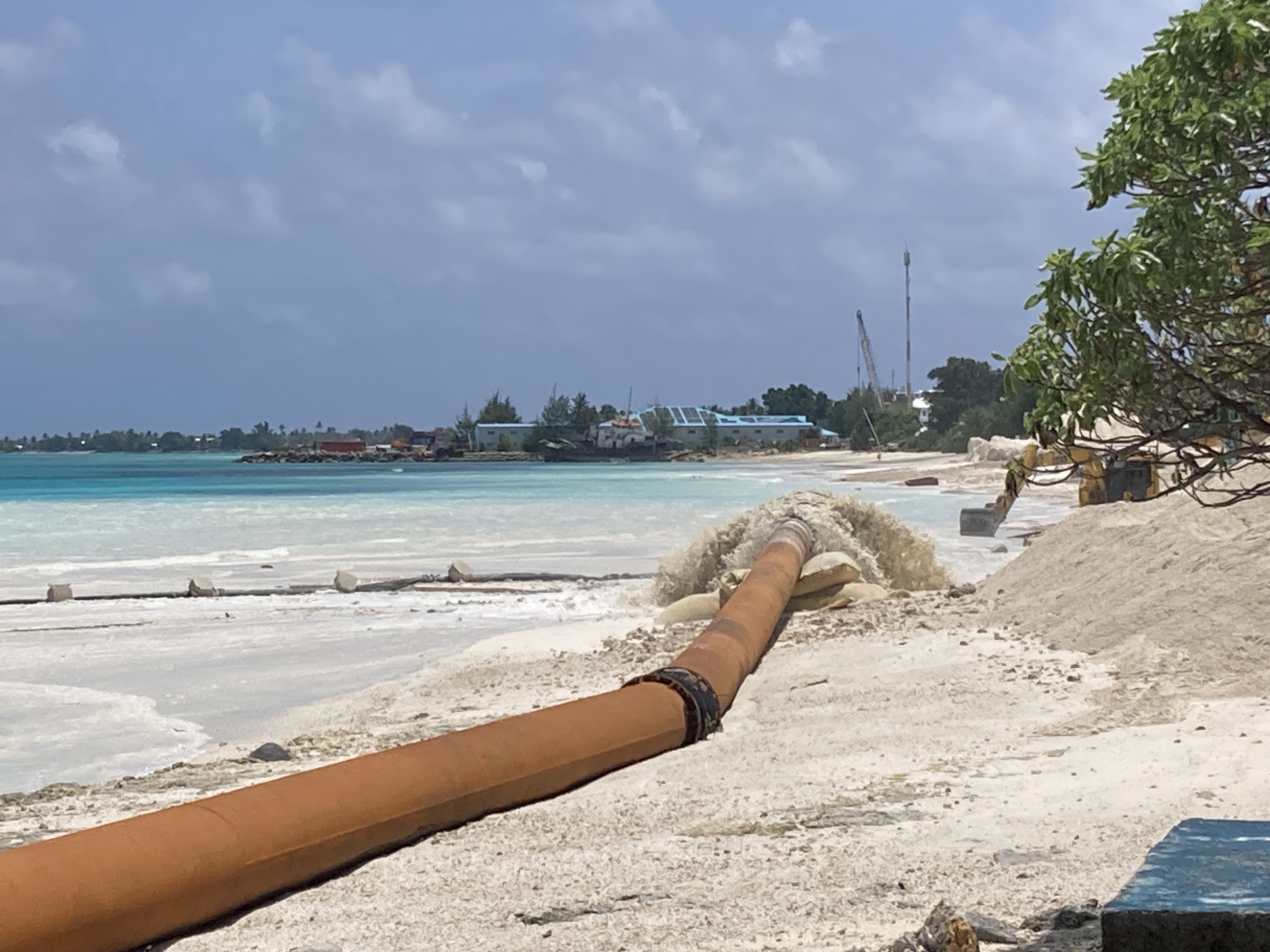
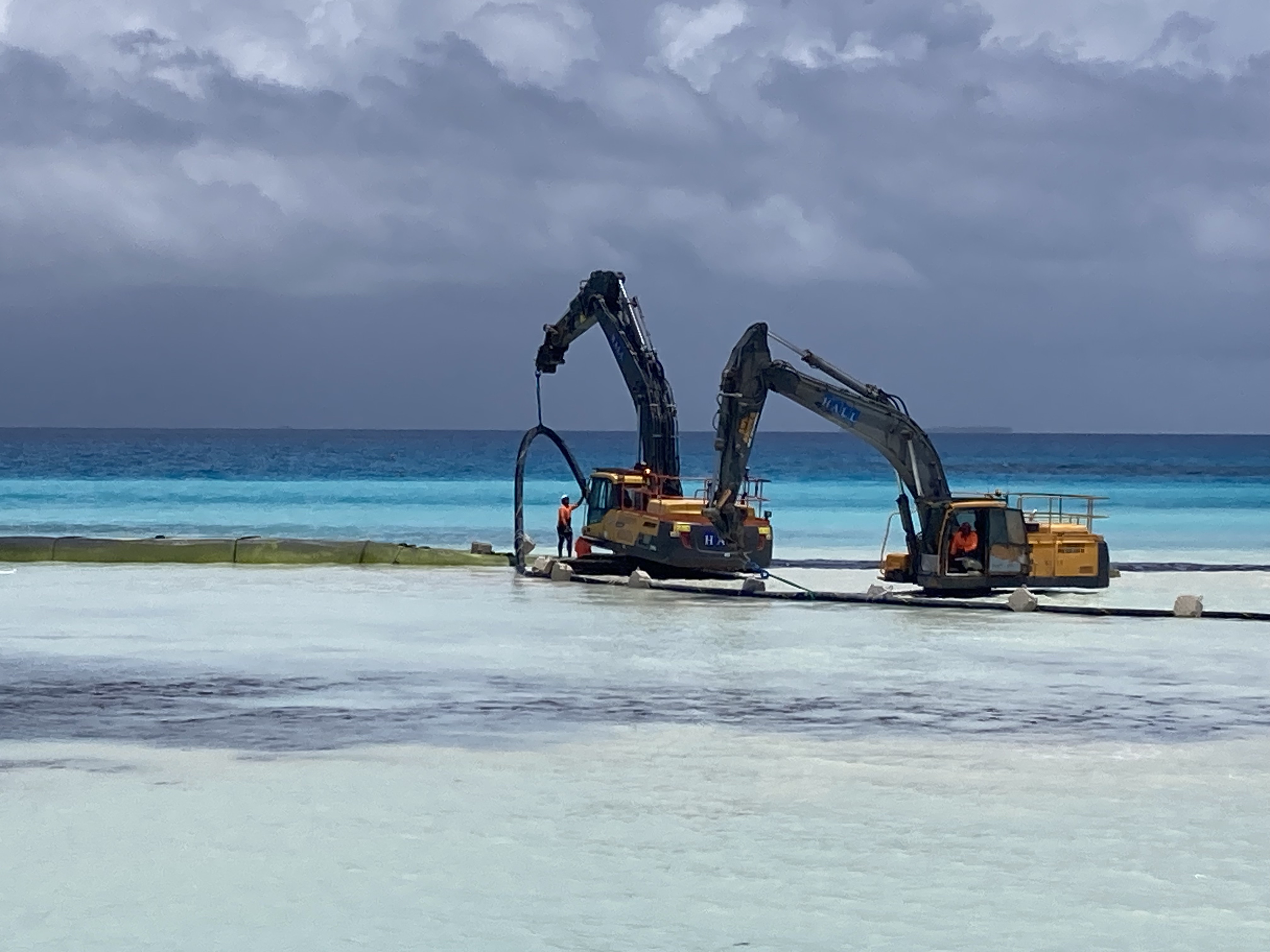
However, these monumental efforts amount to little more than a potential slowing of the unstoppable clock that ticks down towards the country’s seeming inevitable extinction. Tuvaluans have only minuscule control over their own fate. They are the unavoidable collateral damage of an entire species’ slow response, or in some cases, actual inability to recognize its own destruction.
This battle for survival has begun to attract more and more attention from the outside world – people and countries coming from outside to offer actual assistance and real aid; people wanting to tell the remarkable story of Tuvalu, both to circulate the dire situation these specific people face as well as provide a real life dynamic and poster photo for global conversations regarding the crisis of climate change; people wanting to know what they can do. And now, of course, tourists just wanting to come and tick Tuvalu off the bucket list of places they’ve visited before it’s too late.
And yet, amongst all the unfolding drama surrounding Tuvalu, this population of ten thousand or so people manage to try to carry on their day to day existence not unlike any other person on the planet. They are not, by any measure, complacent regarding their plight. Quite the contrary, Tuvaluans seem incredibly proud as a people, willing to fight tooth and nail to protect their future. However, like many patients having been diagnosed with a terminal condition, they also appear unwilling to either be viewed as helpless, pitiful victims or content to spend the remainder of their existence dwelling on the inevitable final destination the path they walk is leading to.
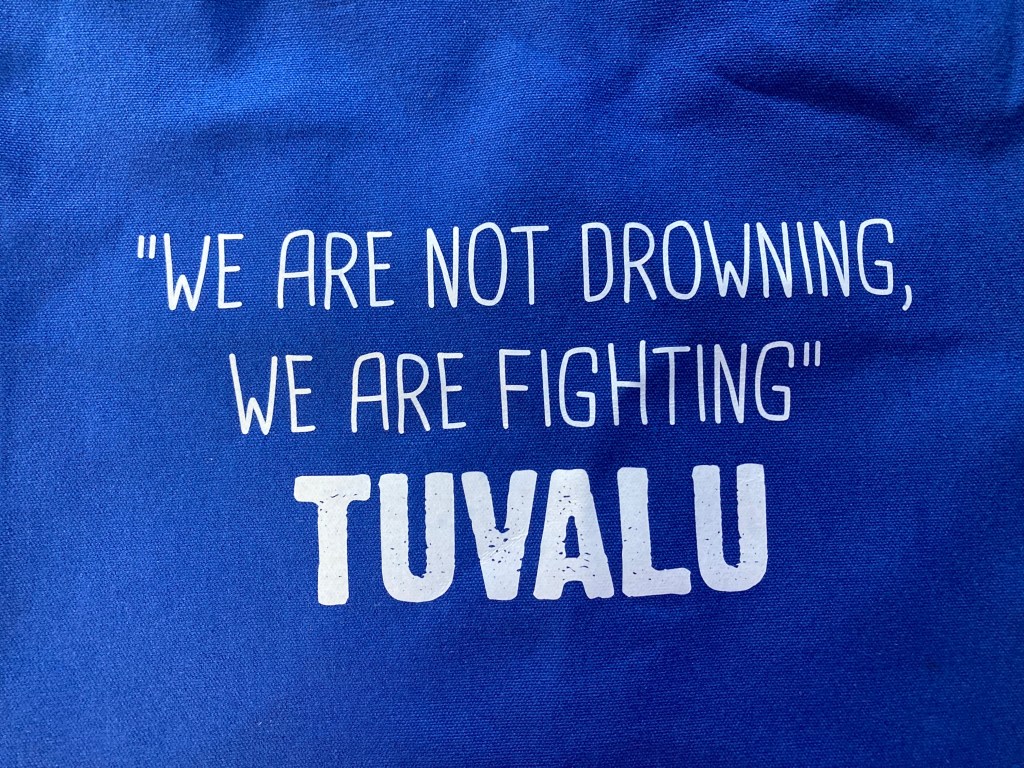
This was where we found ourselves. Our temporary new community. A truly unique location with truly unique circumstances. However, we quickly learned that, as far as visitors to Tuvalu go, we too were quite unique.
Not a corporation with money to donate; not experts wanting to step in with self-proclaimed superior ideas and solutions to save the islands; not YouTube influencers looking to simply gain followers by hyping some marginal drama; not vacationers looking to see what all the hullabaloo was about…not with all the background information and certainly not with ulterior motives.
Rather, two gypsies on a sailboat with the intention of simply finding safe harbor for ourselves and Exit to sit out the cyclone season.
Now that we were finally outside the “cyclone box” designated by our insurance company, we could breathe a sigh of relief both in the fact that we were highly unlikely to be affected by any potential cyclone activity of the season, not to mention that we would actually be covered by our insurance company for any other potential calamities Exit could possibly experience.
The town was exceptionally friendly and, as we would learn over time, a source of many unique and memorable experiences. But, that having been said, it was certainly not a bustling beehive of activity to keep us entertained for extended periods.
Once we’d been around town a handful of times and got a feel for things, we opted to pick up anchor and explore some of the other potential anchorages in the lagoon.
For our first excursion with the Mothership, we didn’t get too far. Only about four nautical miles to the north, near the tip of the main island. Right at the edge of the town of Vaiaku, where we had cleared in. As it turned out, we had anchored just off the town dump. We could see the massive pile of rubbish slightly back from the edge of the shoreline.
Oh well…zero fucks given. With lots of other anchorage options, at least four months to kill and, for the moment, no chance of being snuggled by another boat, life was good.

 sv-exit.com
This is the real thing, ya’ll!
This was a fantastic article and I highly recommend you send it to all the sailing rags like Latitude 38°, SpinSheet and Practical Boat Owner. This is a real story about a real place that is being effected by a real issue.
People, Americamorons especially, need to be reminded constantly that our world is dying by their own oblivious conveniences…and Tuvalu, is living proof.
Thank you for the update and the reality check!
Love and Respect,
James and Dena,
S/VSN-E Cetacea
@Large
LikeLike