

August 22, 2024
“Well, the one absolute certainty is that, to get somewhere you don’t point towards it.”
Even spoken with an intended inflection of confidence built from living aboard S/V Exit for the last eight years straight, the words still sounded ridiculous as they spilled out of my mouth.
“As the crow flies…” sounds like a common sense approach to efficient, logical and savvy travel; and yet, outside of being drawn with a ruler or cut with a razor blade, lines are rarely found perfectly straight. Such is life.
Kris and I had been having endless discussions regarding our upcoming departure from French Polynesia. Potential destinations. Forecasted weather. Bailout options. Distances. Immigration requirements. Cyclone season considerations. So many options and variables.
The one unwavering absolute regarding our departure was the deadline on our French Polynesian immigration stamp. As of August 24, if we had not departed we were officially illegal – a serious offense which, if discovered, carried penalties that could include significant fines or even confiscation of our boat.
Approximately one thousand three hundred nautical miles, the distance we needed to travel to our next anticipated destination the Kingdom of Tonga, would require at least ten days and more than likely it would end up closer to two weeks by the time we arrived. The problem was the wind we would depend on to sail was displaying all the cooperation of a hardheaded teenager. Small windows of perfect conditions surrounded by large closed doors of either obnoxiously surly or downright scary weather, huge swaths of zero wind whatsoever that would necessitate days of motoring, or great sailing winds in completely the wrong direction.
We were in no hurry at all. However, two dates loomed on the horizon. November 1, technically the beginning of cyclone season in the Pacific, and December 1, when our insurance company mandated we be either in New Zealand or Australia, south of Brisbane and outside what was deemed “the hurricane box.”
We began looking at alternate and less direct paths that would ultimately get us further west rather than continuing to wait for a weather window that seemed to be more and more of a fantasy.
Aboard a sailboat, a circuitous path can be the result of many factors…weather, wind, waves, even currents. Whether actively circumventing an area threatening squalls, adjusting course to avoid uncomfortable or dangerous swell angle, involuntarily influenced by currents relentlessly pushing you in their own direction, or adhering to the laws of physics dictating inconveniences such as sailing directly into the wind quite simply, ain’t gonna happen, every sailor finds themself riding atop the meandering line of getting places. Oh ya, engines can change this equation, but only to a degree.
Rarely is the case that you get to sail in a perfectly straight line for fifty miles.

Even more rare is the instance that you are able to maintain that same efficient straight line for hundreds and hundreds of miles for days on end, as had been our good fortune both departing from Mexico as well as our passage between the Marquesas and Tuamotus.
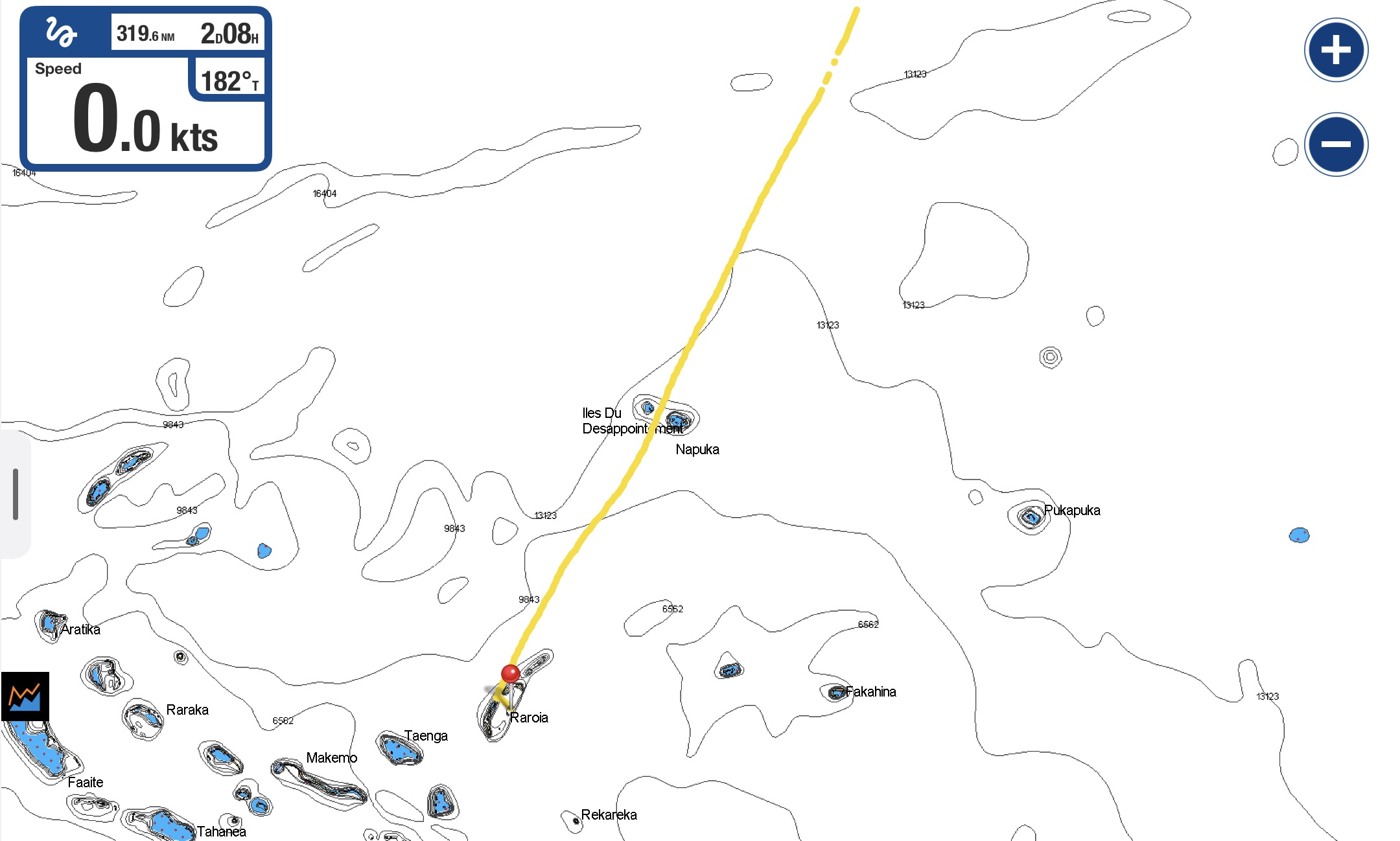
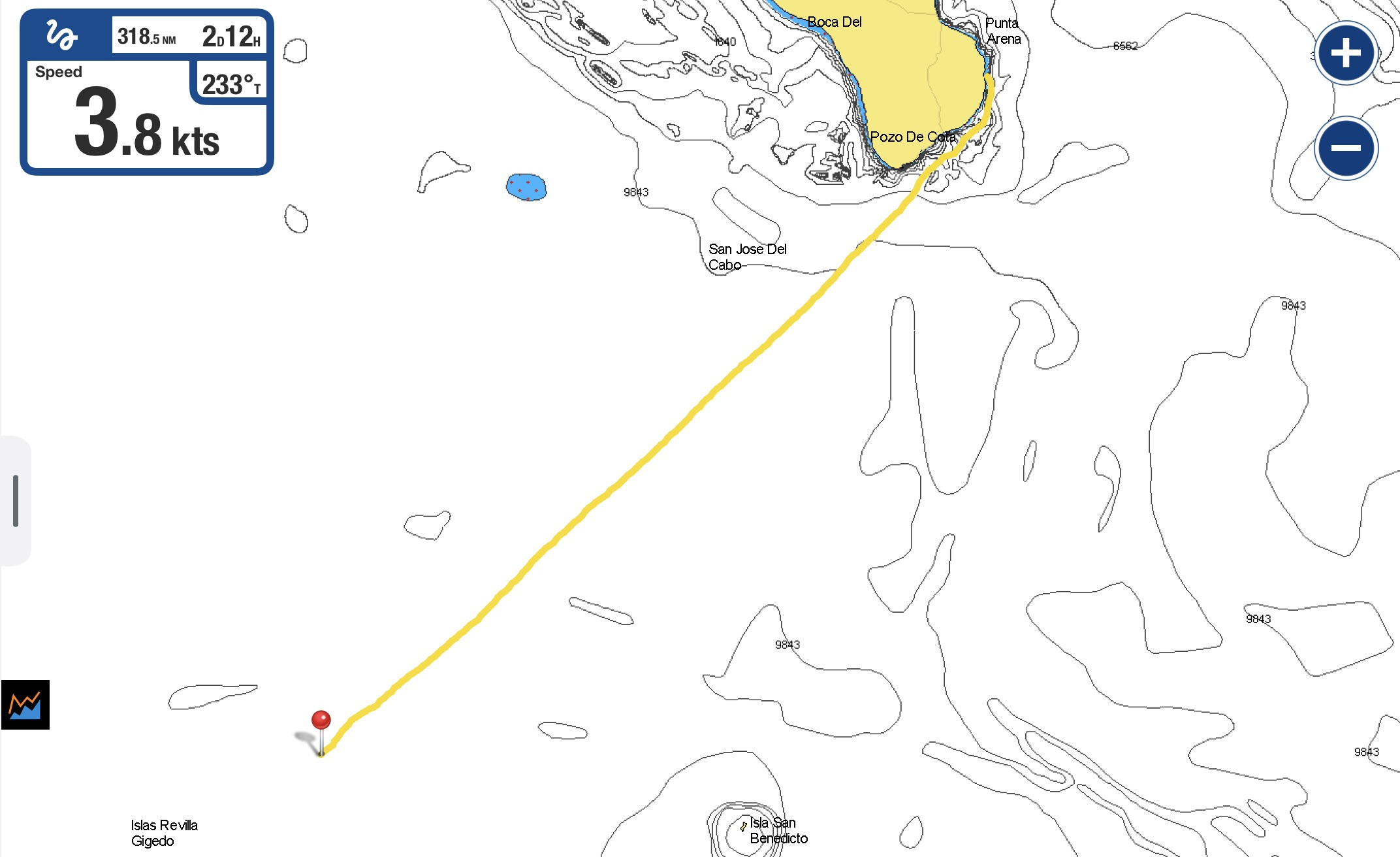
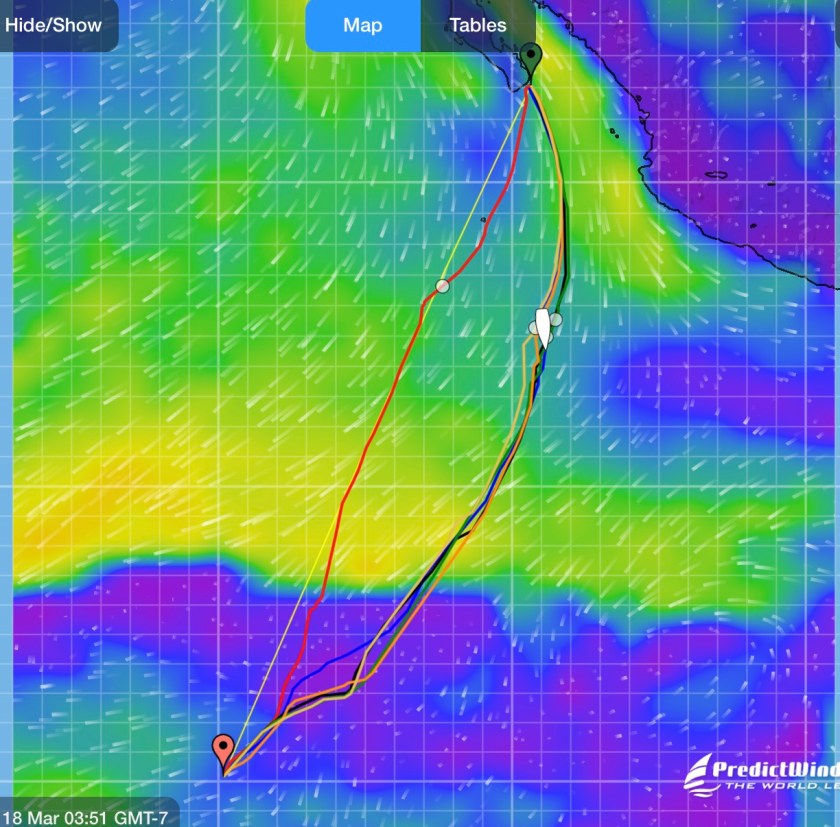
Sometimes the track recorded on our the chart plotter, Exit’s digital footprint, has all the makings of a crisp and calculated military maneuver. Smart tacks or gybes. A geometric marvel…
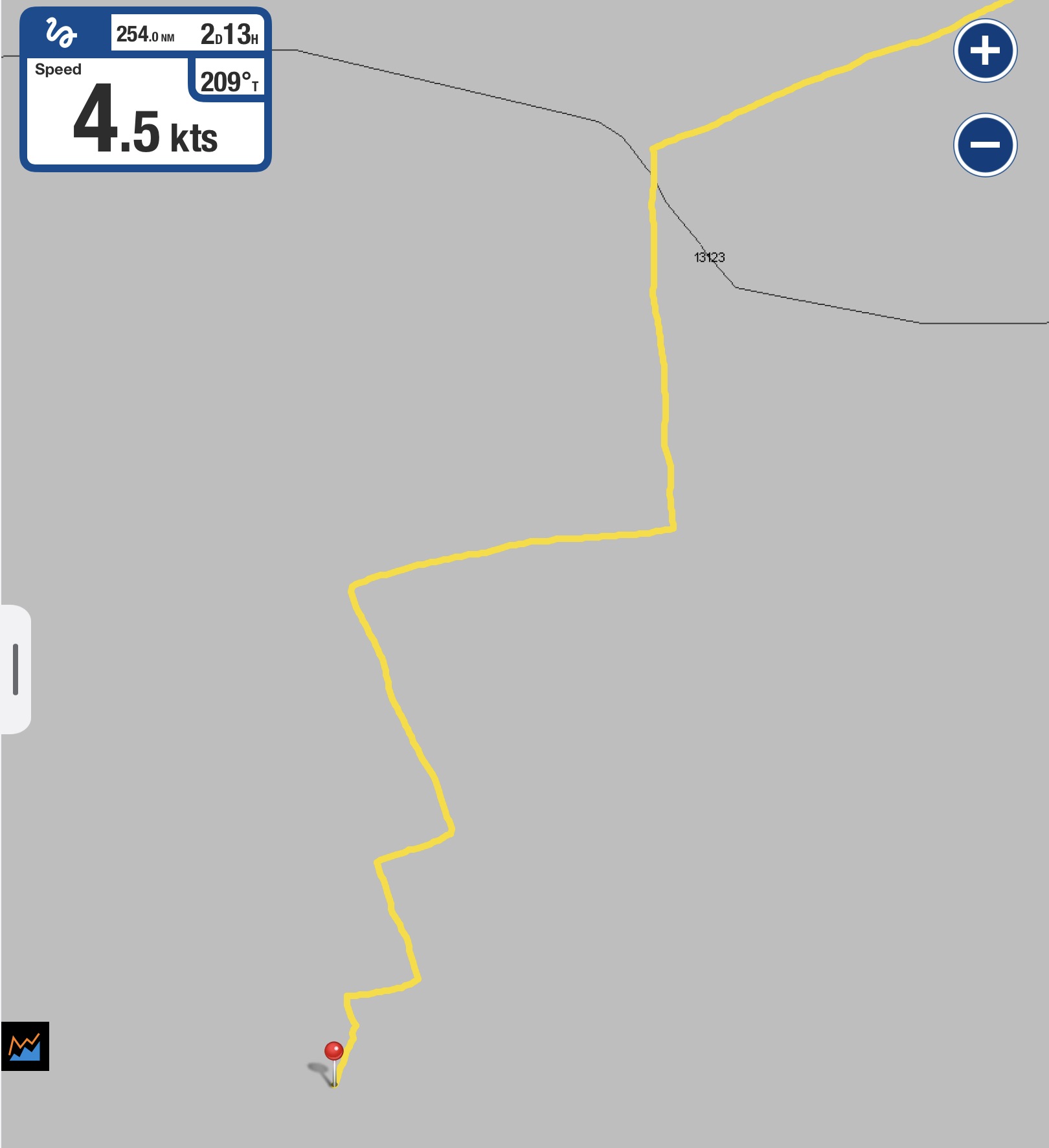
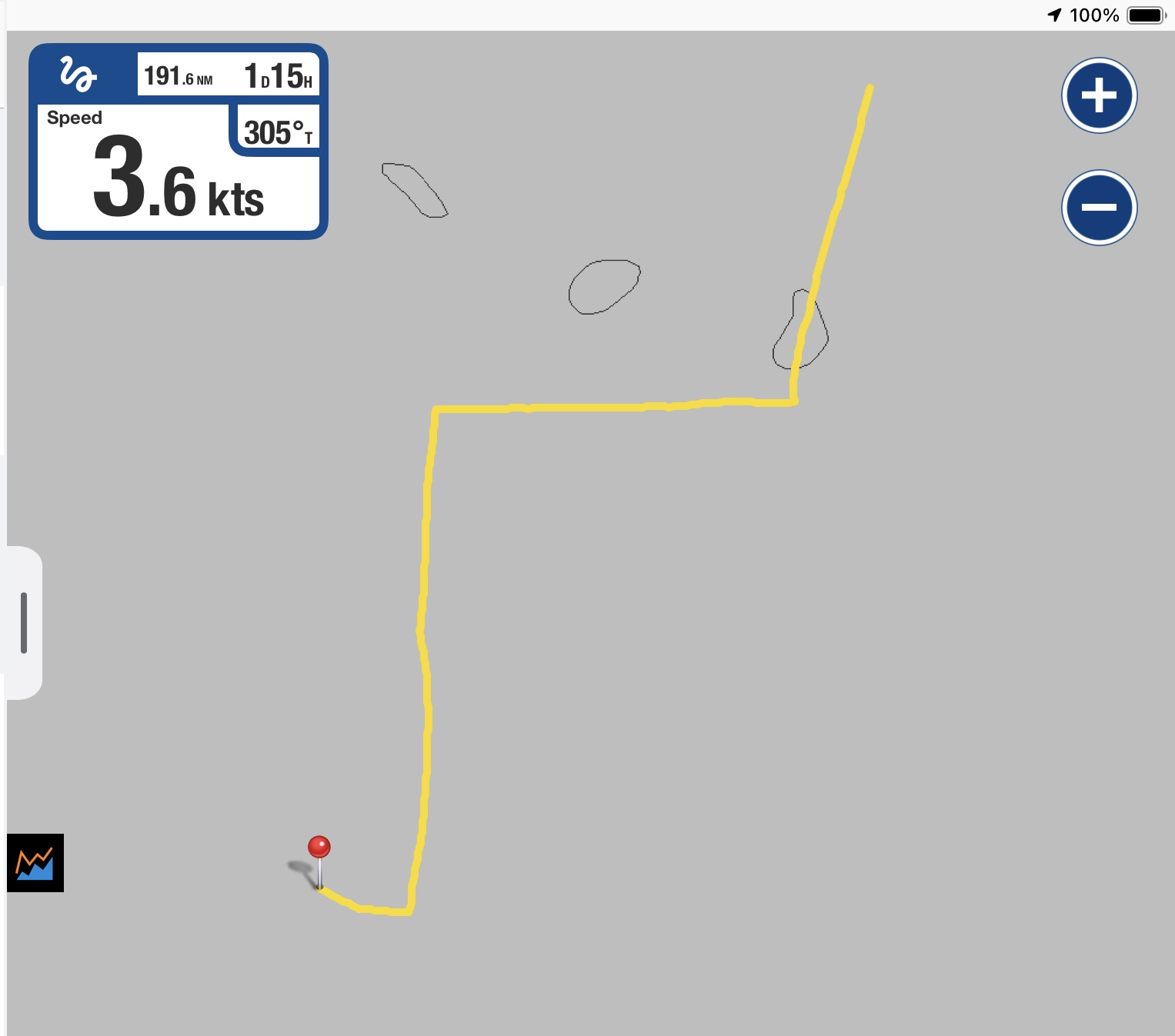
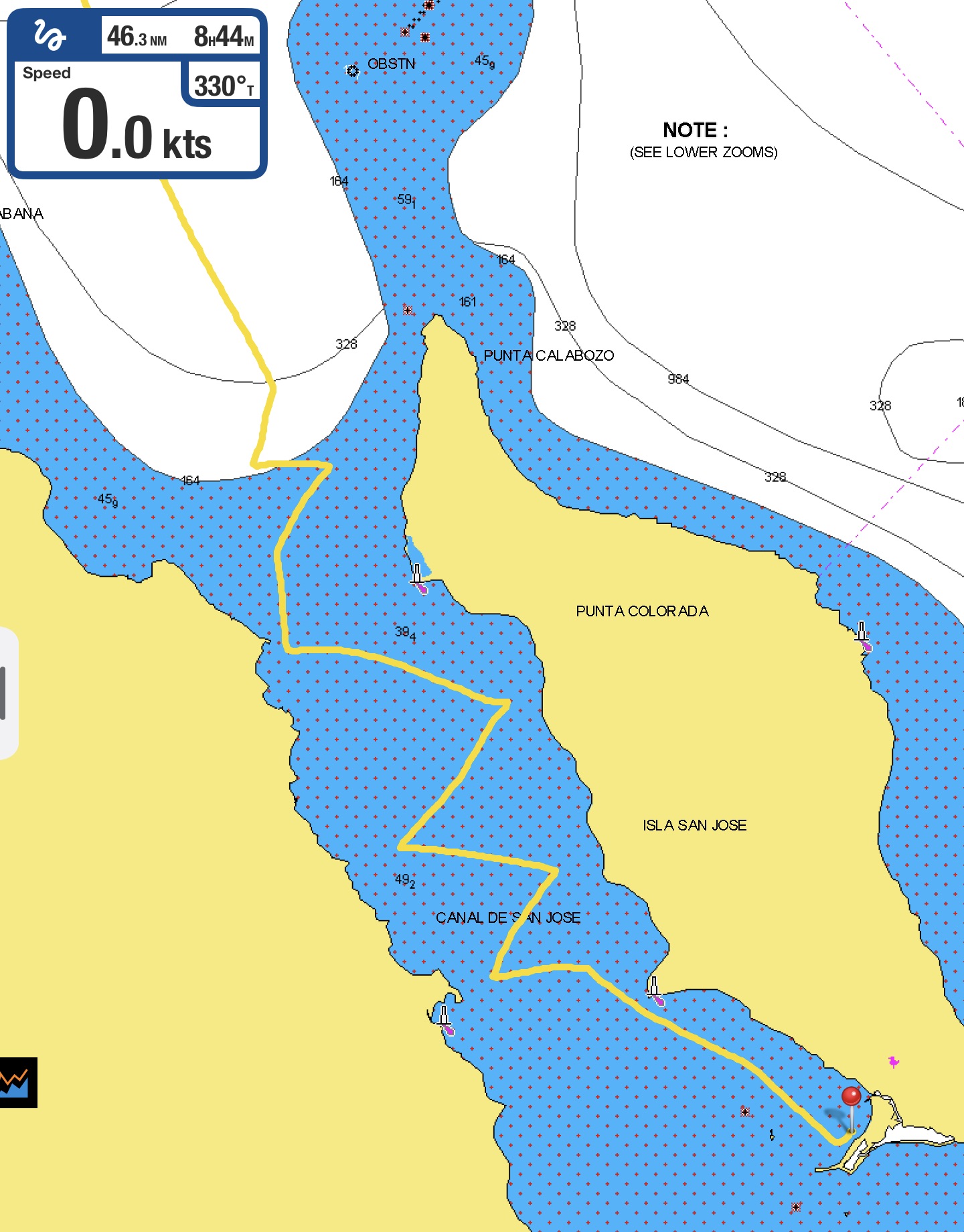
Other times, a broad sweeping arc. Or what initially seems to be the wrong direction entirely. For example, the curious strategy of strategically heading north west to eventually get south. Still sound from a nautical sailing standpoint though harder to sell…

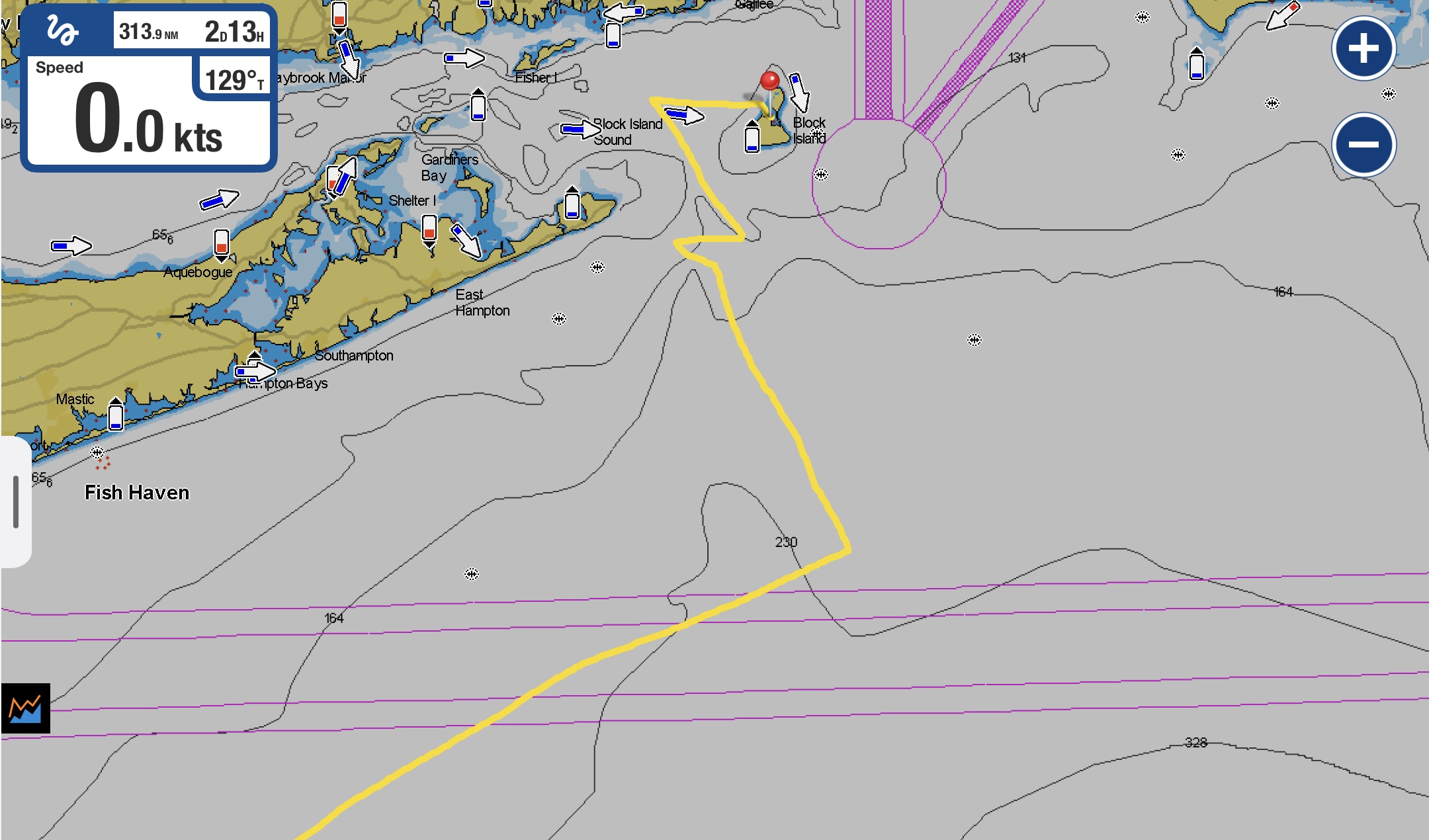
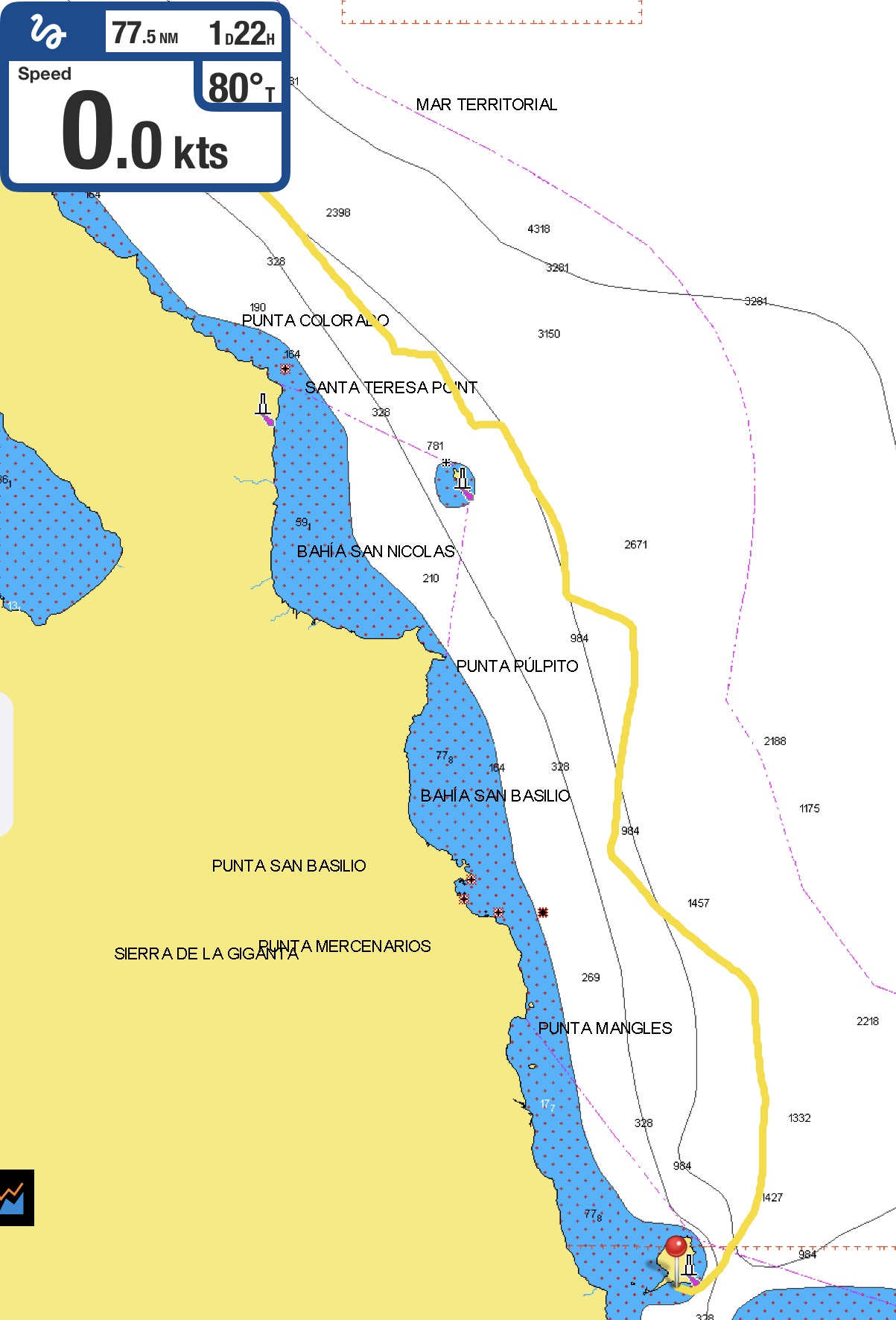
And then there are simply moments in which it appears a drunken sailor has taken control of the helm…
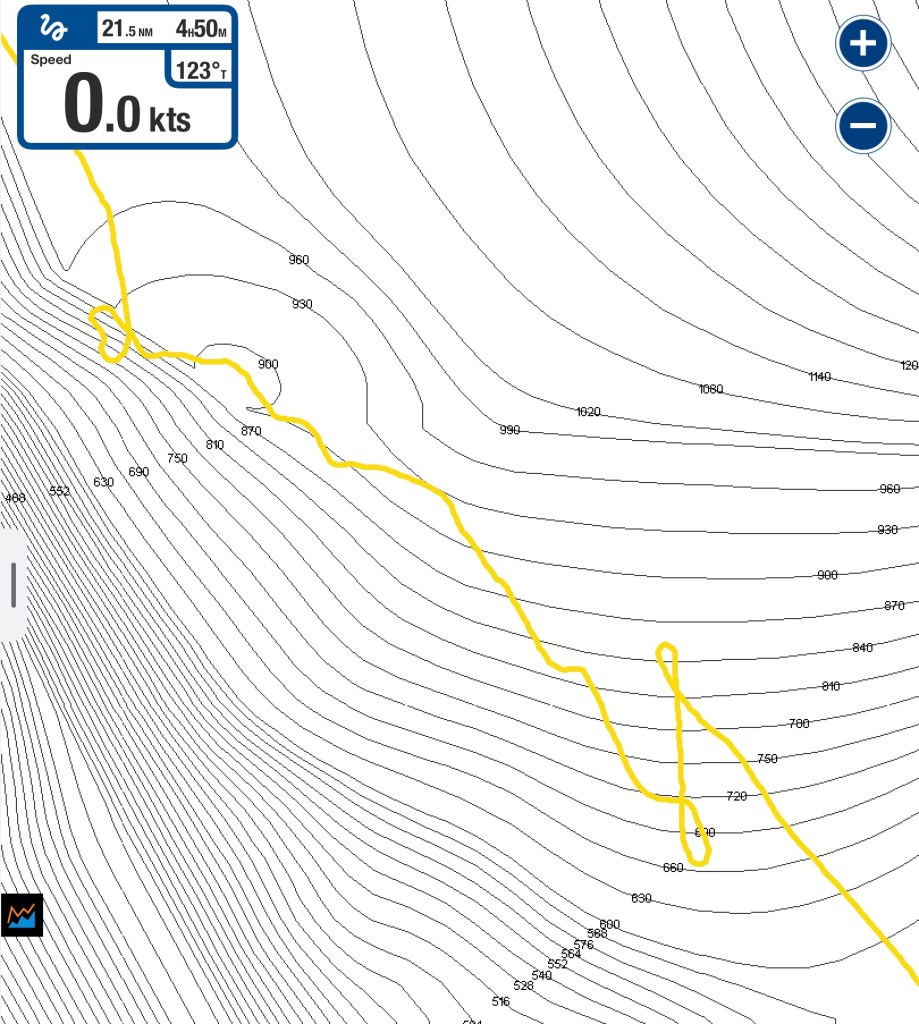
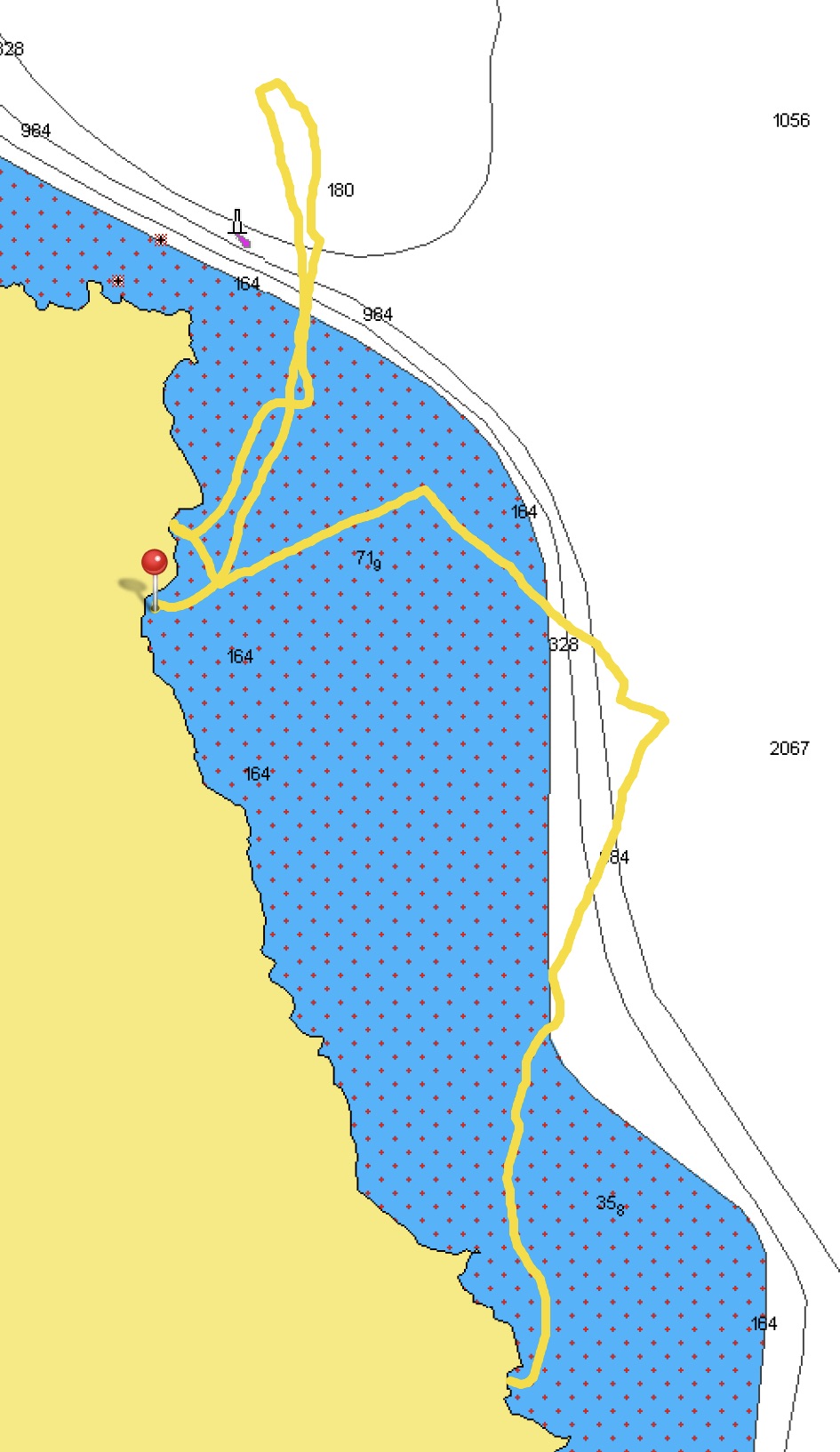
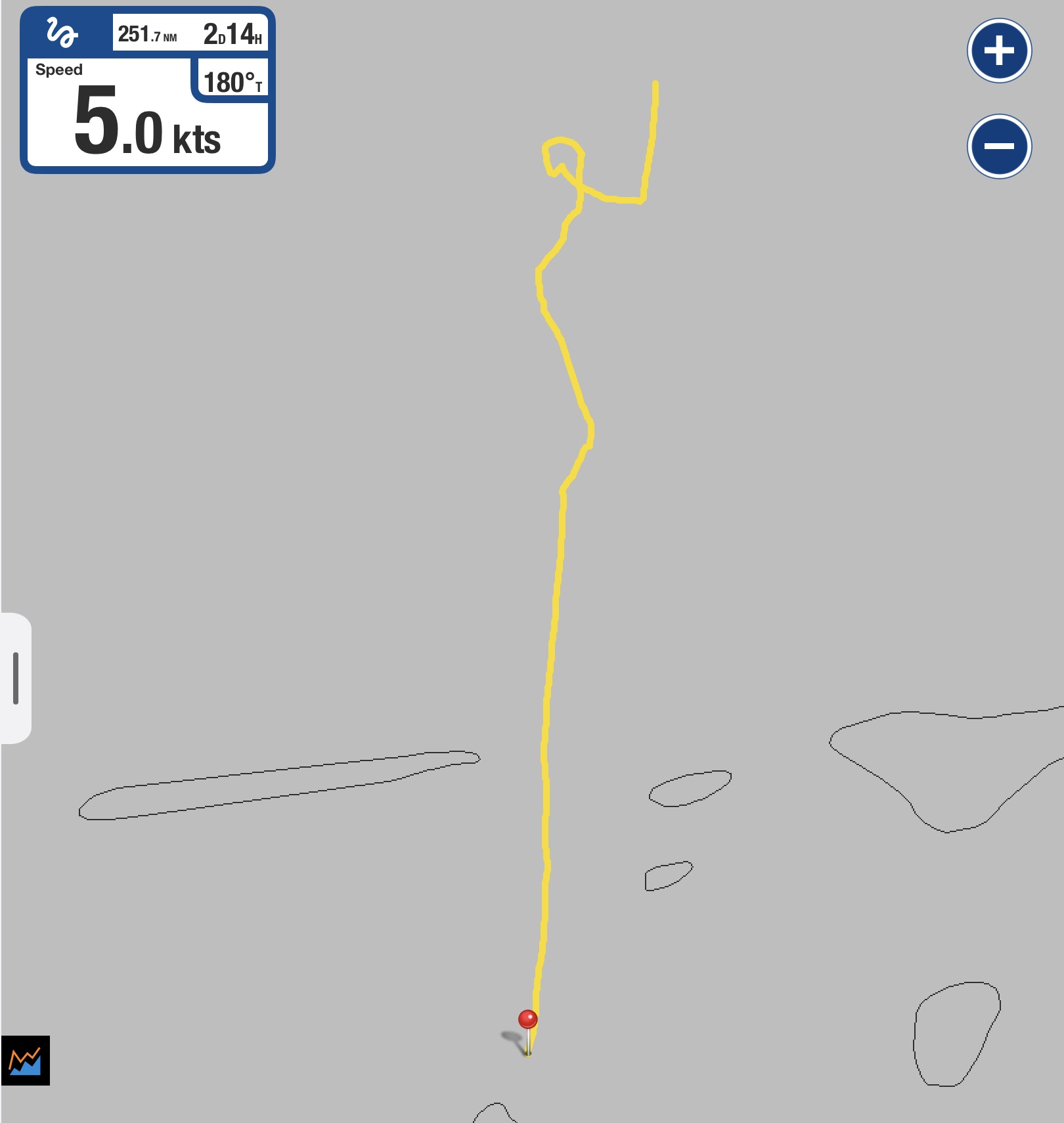
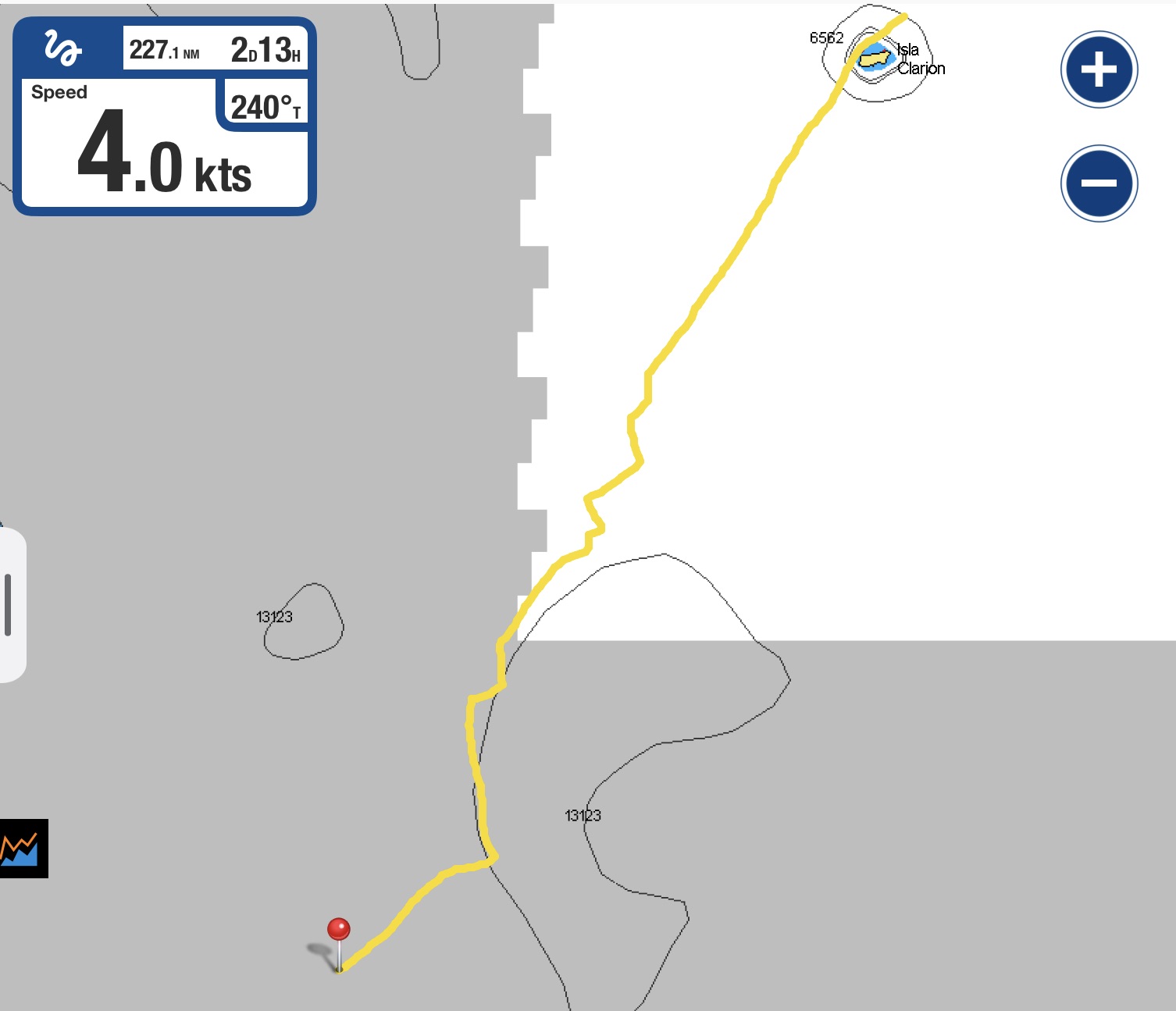
Add to the mix multiple possible destinations or altering and evolving destinations, especially while underway, and things grow quite dizzying very quickly. Despite having general strategies, intentions, tricks, and methodologies that are considered, every situation can be a unique bubble in time with a life of its own.
For all of the appeal of taking the shortest route, a situation in which adding two hundred or more nautical miles to a passage already clocking in at a thousand miles can make perfect sense if it allows you to sail the whole time instead of motoring for days…the balance of spending extra time underway to conserve fuel. Doesn’t sound so strange suddenly.
Conversely, sitting in violently rolling swell or biblical pouring rain or some like form of masochistic misery for hours and hours just to stay true to the pure spirit of sailing, starts seeming insane when firing up the engine for a short period of time can end the brutal torture.
How long do you have to sit in zero wind without making forward progress? How much damage are you willing to risk to equipment or flesh? How tightly are you willing to desperately grasp to a principle? Understandably, that threshold is oftentimes just as bending, squiggly, and shifting as the damn track line on our chart plotter.
Sure…something may sound great in theory; but, theory has a way of getting bitch-slapped handily when confronted by reality.
Not so long ago, whilst discussing meandering track lines with a friend, who also happens to be a dirt dweller with zero interest in sailing, I found myself struggling to provide an adequate answer for our often wandering approach to movement. It seemed I could offer an explanation but very little perspective to the question, “Why in the hell would you add so many miles to an already slow and perilous journey?”
Like a good sailor making no progress into the wind, I chose to change tack and try a different approach… in this case, one more relatable for a non-sailor.
I asked why every morning he used a fast and efficient four lane highway to get to work; yet, every evening he took a much longer route home on a two lane road that detoured through residential and business areas. He quickly replied that afternoon rush hour traffic on the four lane highway was a nightmare, and the other way was actually much faster at that time. Asking about other alternate routes that seemed shorter, I was told that the afternoon sun made it impossible to see the street lights at a few intersections along one road resulting in a lot of accidents; and construction delays made another option even slower than the rush hour highway traffic.
I said this made perfect sense, but it would be difficult to understand or see if you hadn’t actually experienced it.
As my friend momentarily contemplated that, he began to nod and smile. It appeared a light of understanding had switched on.
Progress.
With confidence, I thought I’d be clever and drive the point home by pointing out that a person who didn’t drive a vehicle at all would think it was much more efficient to get from one side of a park to the other side by walking across the grass rather than to drive around it.
I was quickly reminded there is a very fine line between clever and stupid when he replied, “I think both you and the other dude need to crawl into the twenty-first century and get a fucking car.”
Hmmm…touché.
Sometimes progress comes in baby steps and perspective can only really be solidified by experiences. Or not.
 sv-exit.com